

Search Results for 'files'
-
AuthorSearch Results
-
June 17, 2024 at 9:15 pm #7498
In reply to: Smoke Signals: Arcanas of the Quadrivium’s incense
Austreberthe Baltherbridge, interim CEO of Quadrivium Emporium.
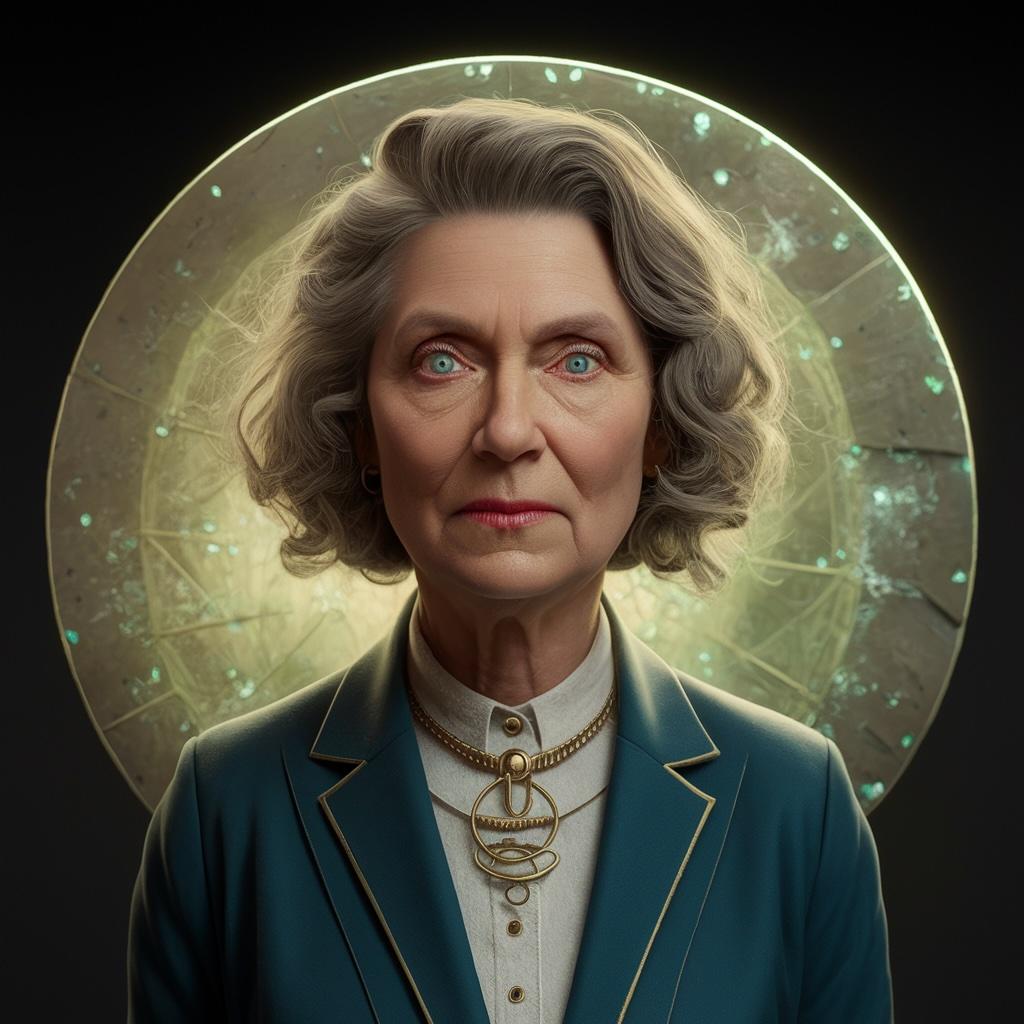
A unassuming small stature yet mentally imposing witch accountant, head of finance witch, known for her meticulous financial acumen, strategic mind, and quiet mildly bossy yet unwavering leadership. Balances deference with authority, ensuring economic stability amidst magical enterprises. She is tidy and strict, middle aged, round figure, and valkyriesque.
June 17, 2024 at 8:22 pm #7496In reply to: Smoke Signals: Arcanas of the Quadrivium’s incense
Lorena Blæn (Mother Lorena)

Lorena Blaen is stern and imposing, with a prune-faced expression and piercing eyes. Wears a crisp, starched habit and wimple.
- Leader of Quintessivium Cloister Crafts.
- Known for unyielding discipline and sharp wit.
- Balances traditional values with modern, magical integration.
- Commands respect and maintains high expectations.
- Orchestrates the cloister’s merger with the Quadrivium Coven, striving to blend tradition with innovation.
June 17, 2024 at 8:18 pm #7495In reply to: Smoke Signals: Arcanas of the Quadrivium’s incense
Cedric Spellbind:

Cedric Spellbind stood tall, though not imposing, with a wiry frame that belied his years of rigorous witch-hunting. His eyes, a piercing green, darted nervously beneath the brim of his deerstalker hat, giving him the appearance of a man constantly on edge. A seasoned agent of MAMA, he carried an air of determined resolve, despite his recent demotion to desk duty in Limerick.
With a face that seemed perpetually caught between youthful eagerness and a weariness beyond his years, Cedric was a man marked by his contradictions. His dark hair, often disheveled from restless nights, framed a face etched with the lines of a life spent in pursuit of the arcane and the elusive.
Clad in a trench coat that had seen better days, Cedric’s attire was a patchwork of practicality and the remnants of a more distinguished past. Despite his amateurish attempts at stealth and the financial strains of his profession, Cedric’s spirit remained unbroken. He was a man driven by a fascination with the unknown and a cautious curiosity, particularly when it came to the enigmatic Frigella O’Green.
Yet, beneath the veneer of a bumbling spy, there lay a heart of determination and a mind constantly strategizing, always ready to seize the next opportunity to prove his worth in the clandestine world of witch hunting.
June 17, 2024 at 7:35 pm #7494In reply to: Smoke Signals: Arcanas of the Quadrivium’s incense
From left to right:
Silas, Garrett, Rufus, Nemo

Silas, often the leader, possesses an analytical mind and a strategic approach to problem-solving. His leadership style is methodical yet adaptable, ensuring that the team stays on course while remaining open to new ideas.
Garrett complements Silas with his creative thinking and innovative solutions. He is the team’s visionary, always looking for the next big idea that will propel their projects forward.
Rufus provides the grounding force, bringing practicality and a hands-on approach. His technical expertise and ability to implement plans effectively ensure that concepts become reality.
Lastly, Nemo is the wildcard, blending a mix of unpredictability and resourcefulness. His unconventional methods often lead to breakthroughs that the others might not have considered.
Together, these four individuals create a dynamic synergy. Their different strengths and perspectives allow them to tackle challenges from multiple angles, making them a formidable team.
Silas’s strategic insights guide the group, Garrett’s creative inputs spark innovation, Rufus’s practical skills bring plans to life, and Nemo’s unique approach rounds out their capabilities. This balance of skills ensures that they are well-equipped to handle a variety of tasks and projects, navigating both predictable and unexpected obstacles with ease. Their collaboration highlights the importance of diverse talents and viewpoints in achieving common goals.
June 17, 2024 at 12:22 pm #7492In reply to: The Incense of the Quadrivium’s Mystiques
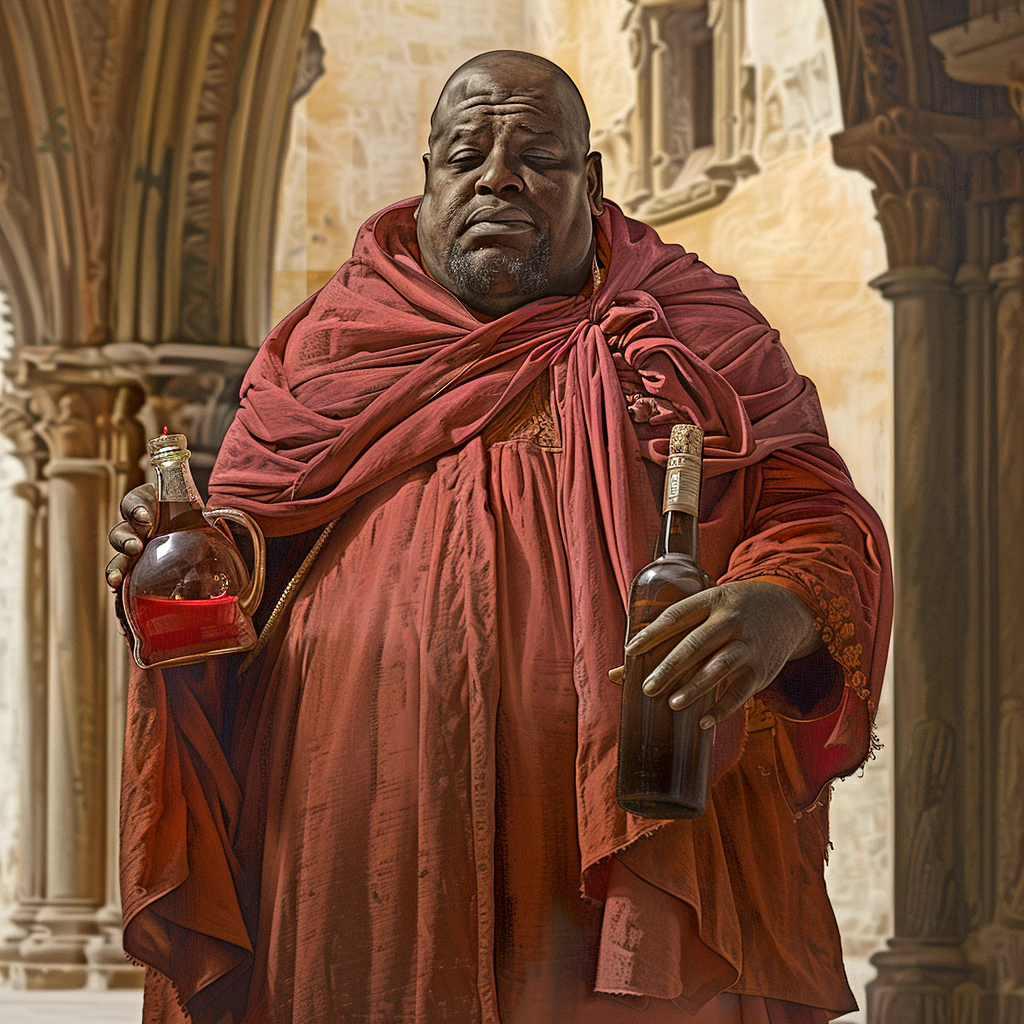
“Welcome to The Cloisters, everyone! Please, make yourselves comfortable, our girls will be with you shortly. Ah, here’s Brother Bartolo with refreshments.” And with that, Lorena turned on her heel and clacked noisily off down the corridor in search of the nuns. How appallingly rude of them all to be late for the reception!
 June 17, 2024 at 10:11 am #7490
In reply to: The Incense of the Quadrivium’s Mystiques
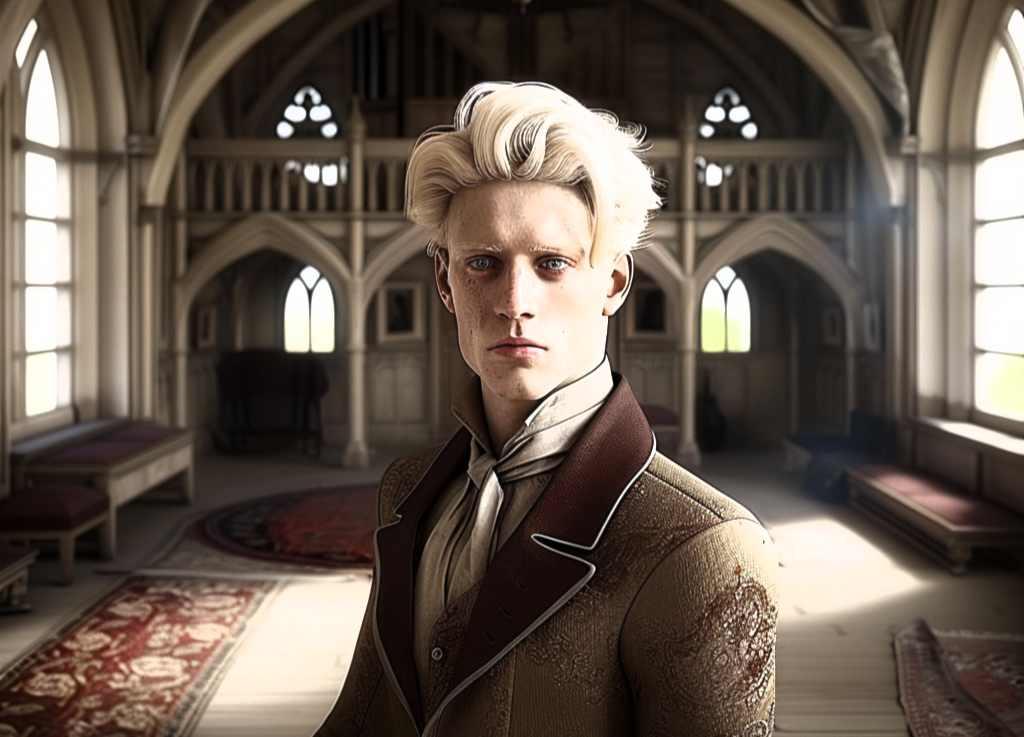
Adjusting the crimson silk handkerchief in his breast pocket, Garrett swanned into the reception hall, his piercing pale blue eyes scanning the room. The walls were hung with colourful but faded tapestries, shabby enough to be genuinely ancient. The furniture was heavy and blackened with age, but it was the floor that caught his critical eye. In the centre of the old terracotta tiles floor was a mosaic, mostly hidden under a large conference table. Garret was no expert on Roman mosaics but it looked like the real deal. He would return to this room later for a closer inspection, he could hardly go crawling under the table now. It was a mercy, at least, that the ancient building hadn’t been decked out in ghastly modern furnishings as so many charming old hotels were these days.
He turned his attention to the few occupants. A ravishing raven haired beauty had just wafted in from the covered cloister beyond the open doors. Her silver mantilla shone in the sunlight slanting down into the courtyard for a moment, for all the world looking like an angelic medieval halo. As she slippped into the shadows the halo vanished, her ebony tresses showing beneath the gauzy lace. She settled herself in a low armchair, smoothing the burgundy folds of her gown. Garrett watched, spellbound. What an enchantress! Perhaps this weekend wouldn’t be such a bore, after all.
June 17, 2024 at 9:11 am #7488In reply to: The Incense of the Quadrivium’s Mystiques
Despite her initial misgivings, Truella was looking forward to the weekend at the Cloisters. It had belatedly come to her attention that another group were joining them for the event, the Mortician’s Guild. She wondered if Austreberthe had bitten off more than she could chew, introducing all these new characters at the same time. But the more people, the more confusion, the better the opportunities to slip off unnoticed and investigate the grounds.
Truella was the first to arrive. Before entering the building, she paused under the shade of a towering eucalyptus tree, taking it all in, receptive to the ancient whispers calling from the surrounding forrest. A nightingale beckoned from the trees beyond one of the terraces, and Truella was irresistably drawn towards it. Crunching softly on the crisp dry leaves underfoot and squinting in the bright sunlight, a flash of movement caught her eye. Was it a bear in the woods? Surely not, not so close to habitation. Truella inched closer, curious, her muscles tense, keyed in readiness to flee. But she was overdramatising, and made a little self deprecating snort of mirth.
The tall man clad in a floor length leather coat heard a snort and paused, wondering how close the wild boar came to the old building. Surely they kept away from people, people were so dangerous. Pull yourself together, Rufus, old boy, he said to himself. Why did this place remind him of… well it was no good harking back to that…maybe he should go back inside. He threw his broad shoulders back and strode out from the cover of the trees, the hem of his coat gathering prickly seeds from the undergrowth.
Truella clapped her hands delightedly, and laughed. “Well look at you, you big bear in the woods, you must be one of the guys from the Mortician’s Guild.”
Rufus spun round, his duster coat flaring open to reveal the crimson satin lining, his face a picture of moody glowering. Truella was momentarily nonplussed. Handsome guy, but what an attitude. But maybe she should not judge too quickly, after all, he probably resented having to come here. Maybe she could soften him up over the course of the weekend.
“We may as well go in and meet the others. I’m Truella, pleased to meet you,” she said, offering a hand in greeting. To her surpise, than man took her hand and kissed it. “Rufus, at your service,” he said with a slight bow. He peered at her and added, “Have we met before? You seem strangely familiar.”
“Why yes, so do you!” He didn’t, but Truella’s hand was tingling warmly from the kiss and she decided to play along.
 June 16, 2024 at 10:30 pm #7486
In reply to: Smoke Signals: Arcanas of the Quadrivium’s incense
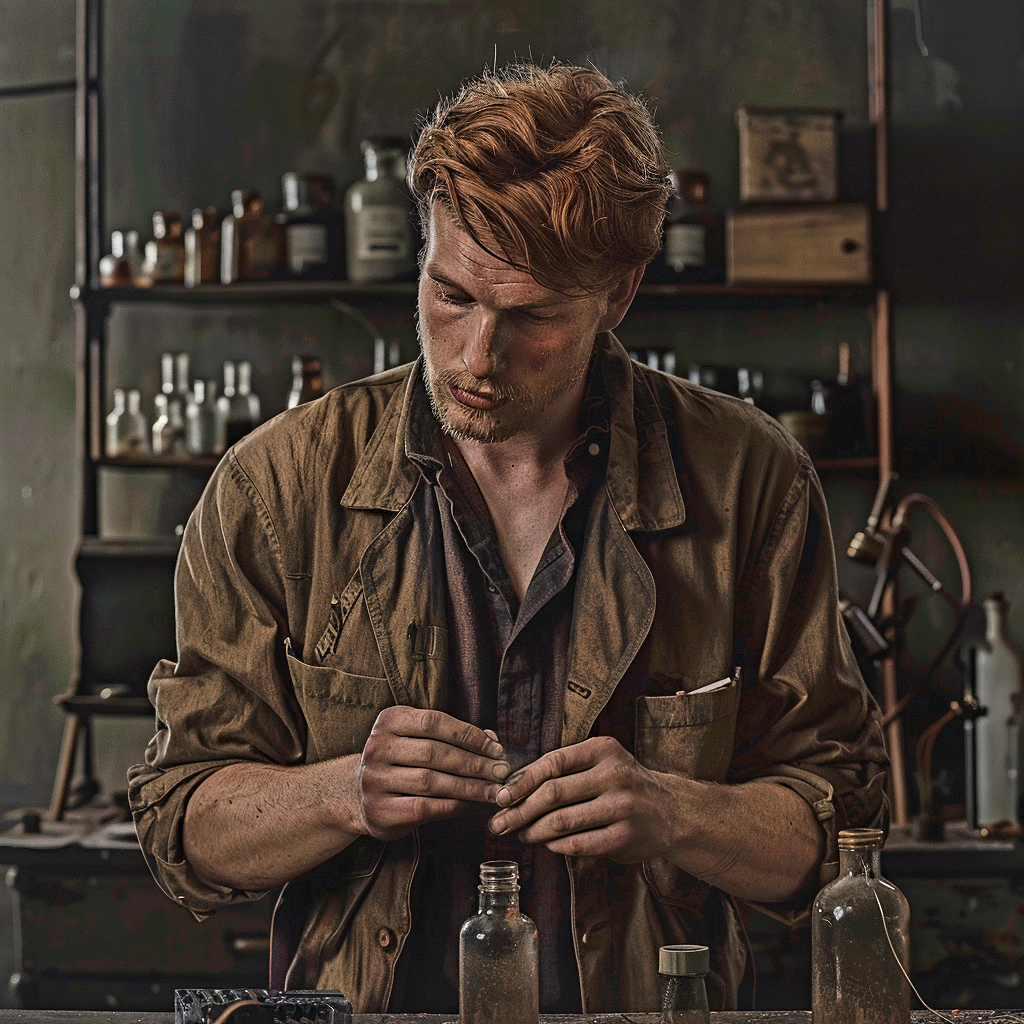
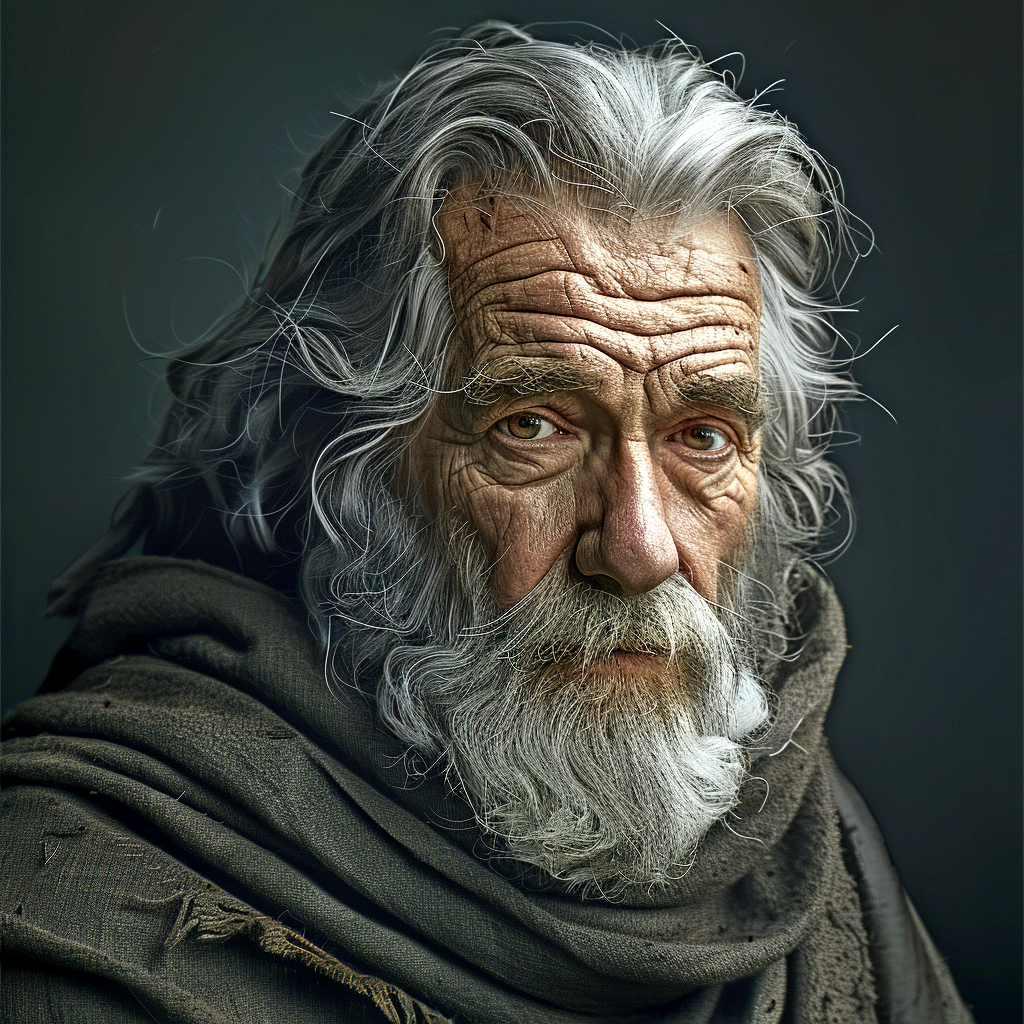
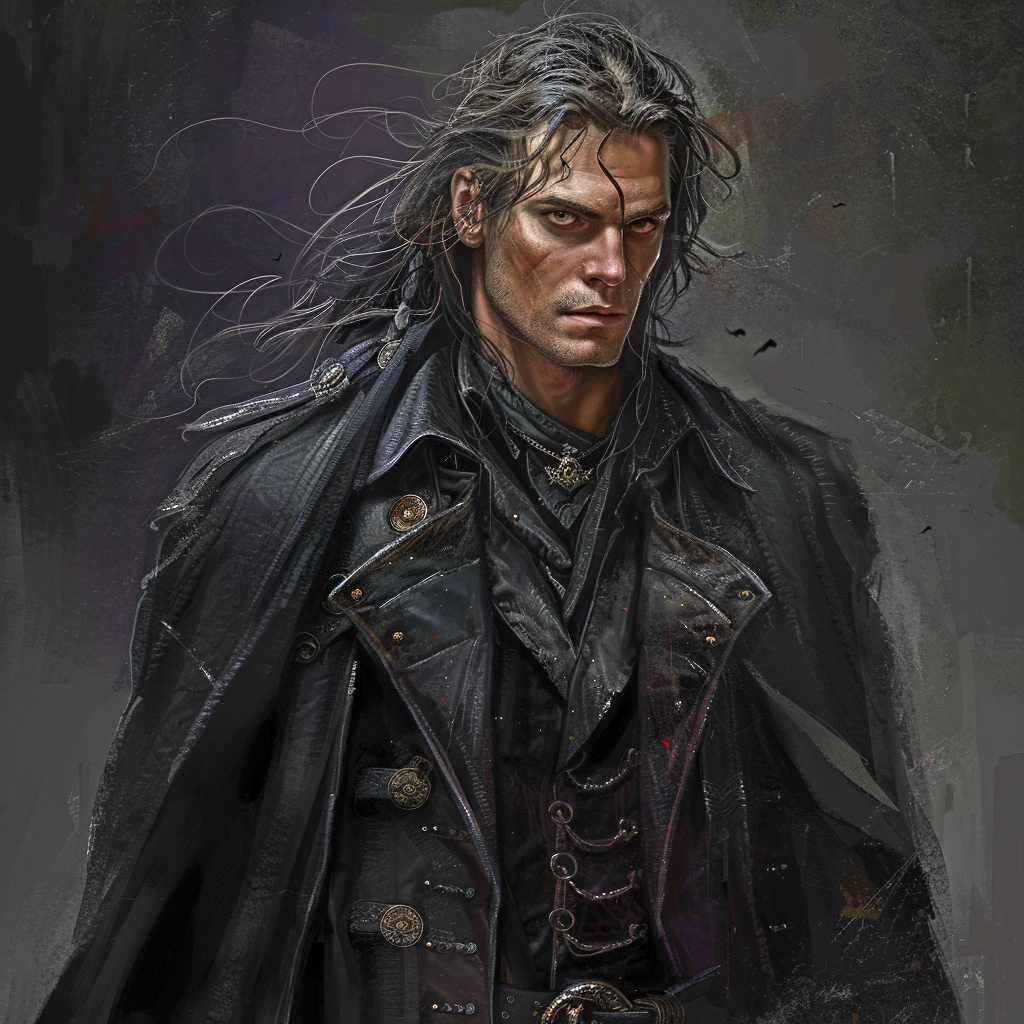
The Morticians Guild:
Nemo Tenebris, and let me tell ya, he’s a character straight out of one of those dark romance novels. Tall, brooding, with tousled hair somewhere between charcoal and mahogany, he’s got that rugged charm that makes even the bravest witches’ hearts skip a beat. His hands are like an artist’s, always deliberate and precise, whether he’s handling ancient texts or, well, more corporeal tasks. His personality? Think intense and enigmatic, with occasional bursts of biting humor. He’s the type who’ll share a grim tale and then light the room with a grin that makes you question your reality. Don’t underestimate him – he’s a master of necromancy and has an uncanny sensitivity to life’s deepest mysteries.
Silas Gravewalker. An older gent, he looks as though he’s always expecting a foggy night – grey cloak, even greyer hair, and eyes the color of storm clouds. His demeanor is gentle but don’t mistake it for weakness. He’s the wise old guardian of the Guild, carrying centuries of rituals, chants, and incantations within him. Silas is a remarkable blend of grandfatherly wisdom and hidden strength, and he’s a calming presence in the midst of chaos. His sense of humor is dryer than the Outback in summer, subtle yet striking at just the right moments. When Silas speaks, you listen, because his words are often tinged with layers of arcane meaning.
Rufus Blackwood: Enter Rufus Blackwood, the stoic guardian of the guild. He’s tall and broad-shouldered, with a presence that commands both respect and a shiver down the spine. His hair is a dusty shade of midnight black, streaked with the occasional silver – probably from the weight of the secrets he carries. His eyes are a pale grey, like the fog rolling off a moor, always scanning, always measuring. He’s perpetually clad in a long, leather duster coat that sweeps the floor as he glides across the room.
Personality-wise, Rufus is the strong, silent type, but when he speaks, it feels like ancient tombs whispering forgotten wisdom. He’s got a dry humor that surfaces in the most unexpected moments, like a ray of moonlight in a pitch-black night. He’s fiercely protective of his coven and guildmates, and there’s a sense of old-world honor about him. Underneath that granite exterior is a surprisingly tender heart that only a select few have glimpsed.
Garrett Ashford: Now, Garrett Ashford, he’s a bit of a dandy, as far as morticians go. Picture a man of average height but with presence larger than life. His hair is a striking ash blonde, always perfectly coiffed, and his attire is meticulously sharp – tailored suits, often in dark, rich fabrics with just a hint of eccentricity, like a red silk handkerchief or a silver pocket watch. His eyes are a sharp, pale blue, twinkling with a touch of playful mischief.
Garrett’s got a personality as polished as his appearance. He’s charismatic, with a knack for easing tensions with a well-timed joke or a charming smile. Though he might come off as a bit of a showman, make no mistake – Garrett’s got depth and a sharp mind. He’s a skilled embalmer and incantation master, knowing just the right touch to handle even the most delicate of cases. His flair for the dramatic doesn’t overshadow his competence; it complements it. He’s the kind of bloke who can discuss the darkest of topics with a light-hearted grace, making him a bit of a paradox but undeniably captivating.
 June 16, 2024 at 6:13 am #7478
In reply to: Smoke Signals: Arcanas of the Quadrivium’s incense
Penelope Pomfrett

Sandra Salt

Audrey Ambrose

Sassafras Bentley

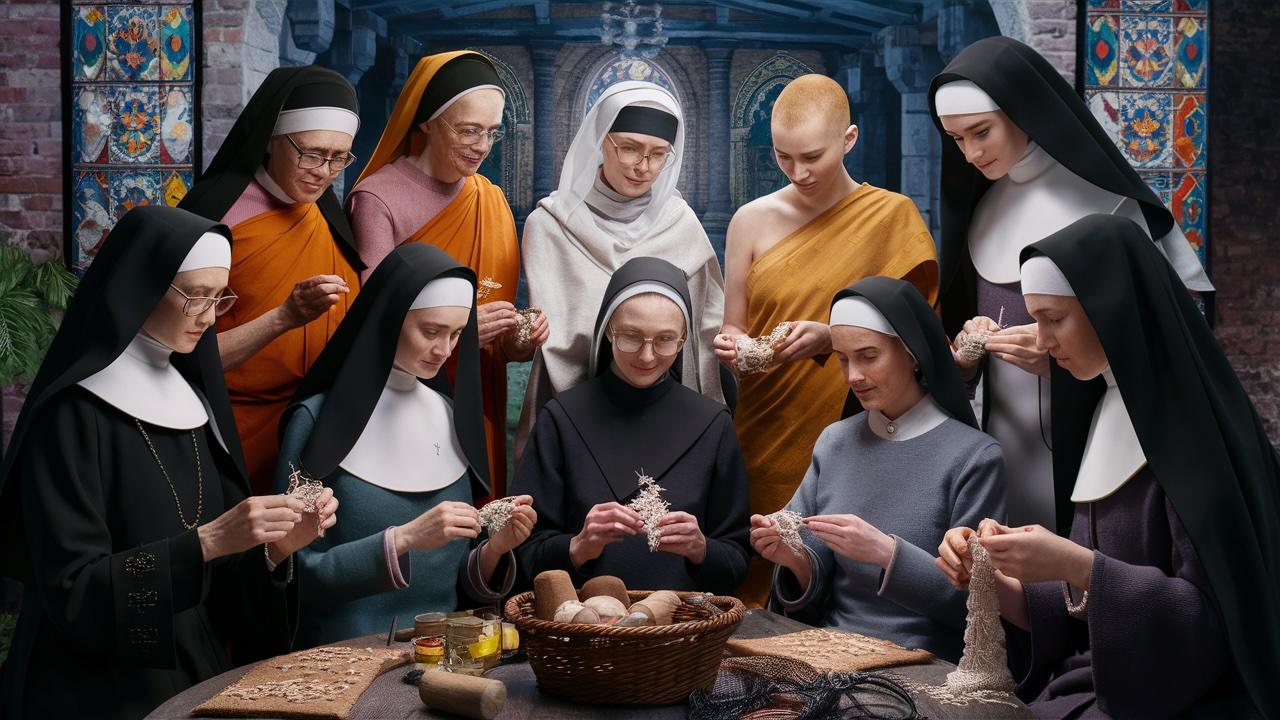
From the Quintessivium Cloister Crafts brochure:
A sisterhood with a taste for all world nuns styles:
- Roman Catholic nun in a black habit and white wimple,
- Bhikkhunis nun in an orange robe,
- Sufi nun in a modest white chola and headscarf,
- Sannyasini nun in a saffron sari with a shaved head,
- Zen Buddhist nun in a simple black kesa and robe,
- Anglican nun in a black habit with a veil,
- and an Eastern Orthodox nun in a long black riassa and epanokamelavkion.
Together crafting beautiful items in our peaceful cloister setting, surrounded by colorful stained glass windows and wooden shelves filled with various materials.
 June 5, 2024 at 10:35 pm #7450
In reply to: The Incense of the Quadrivium’s Mystiques
The sound of music wafting through the open window was distracting. Where was it coming from? It sounded like someone was having a party in the distance, but who? And on a Wednesday night?
It was hard enough for Truella to try and glean enough information to cobble together an entry for Frella’s diary from the meagre morsels she was able to gather, without these interruptions.
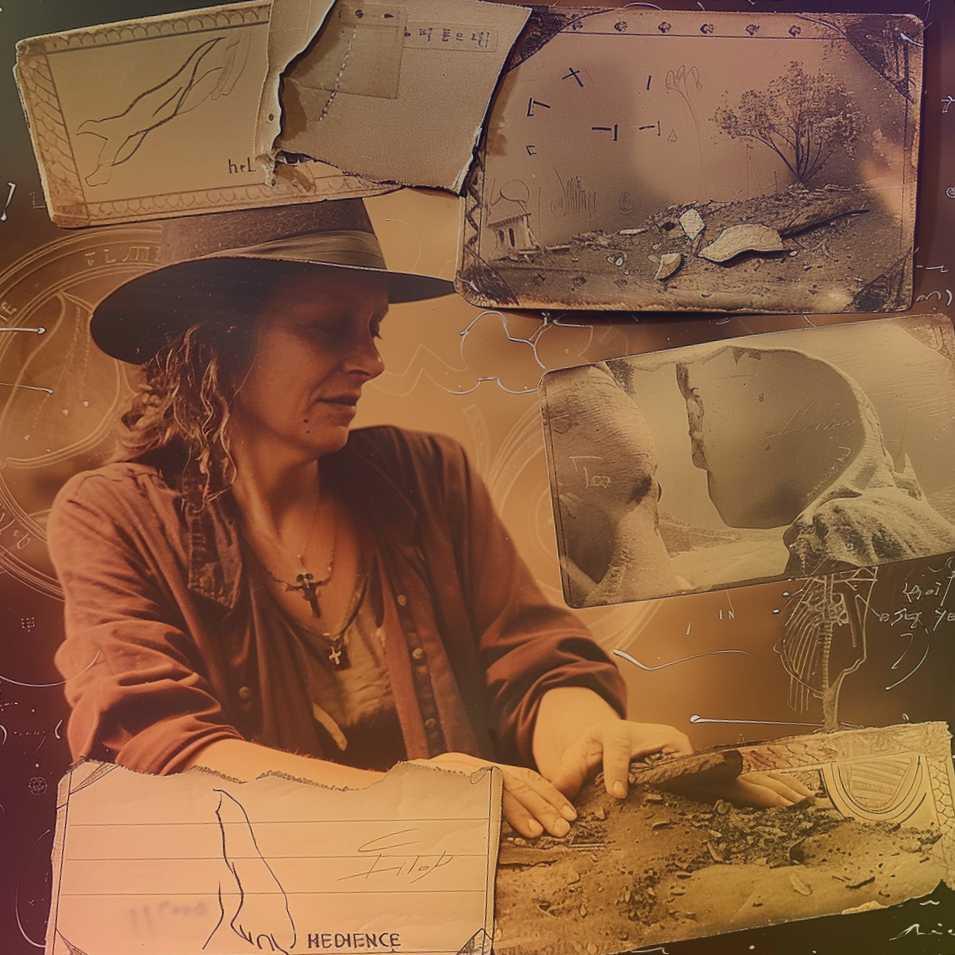
And if these were the hand drawn postcards that she’d promised, who was going to make any sense of them?
 April 19, 2024 at 8:57 pm #7436
In reply to: The Incense of the Quadrivium’s Mystiques
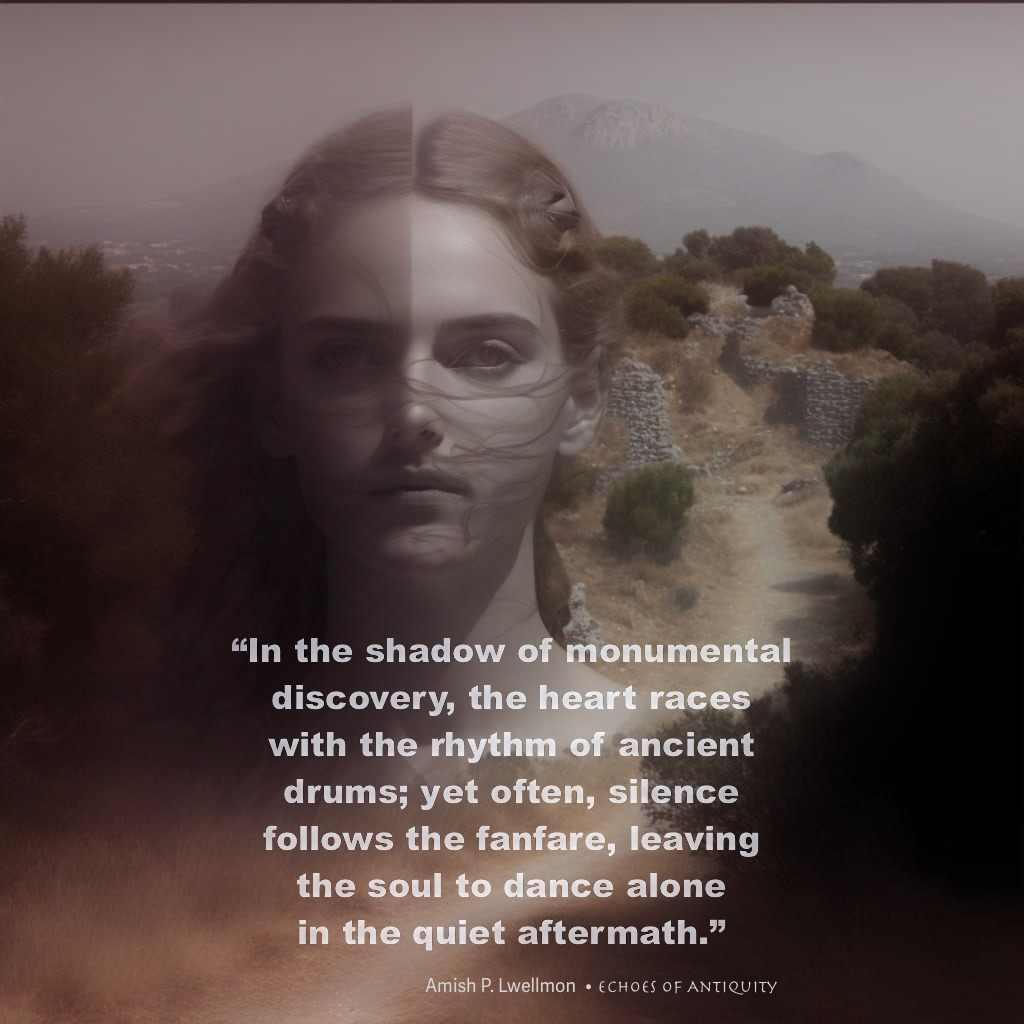
“In the shadow of monumental discovery, the heart races with the rhythm of ancient drums; yet often, silence follows the fanfare, leaving the soul to dance alone in the quiet aftermath.”
~Echoes of Antiquity, Amish P. Lwellmon.
April 10, 2024 at 9:42 pm #7425In reply to: The Incense of the Quadrivium’s Mystiques
Satis ineptias, a mildly jaded Eris blurted out, not meaning to put a spell on the others, but her elephant head was still playing tricks on her. Trève de sornettes had a nicest French ring to it, but the others would be nonethewiser.
“Are we broompooling to Adare Manor, or someone has a spare vortexmaker?”
In any case, the unexpected nononsense spell made everyone very sober… for about thirty seconds until Jeezel showed up.
“Are those the latest slowmedown boots?” Truella couldn’t believe her eyes. “Those are collector, near impossible to get!” She gawked at the pinnacle of enchanting couture, the pièce de résistance for any discerning witch with a penchant for the peculiar.

Frigella was nonplussed. “These look like worn-out snails, how can that be practical?”
Truella shrugged. “You’re missing the point love, these boots are not merely footwear.”
Jeeze couldn’t have her thunder stolen. “Let me stop you there, darling. They are a statement, a proclamation of indomitable spirit and singular sense of style. Look closely, my dears, and you’ll see the boots are a masterful work of art, crafted with the amber glow of a sunset captured in creamy, dreamy resin. Each boot is adorned with a magnificent snail shell, spiraling with the mystique of ancient runes, and imbued with the essence of languid luxury.”
Frigella rolled her eyes. “But what’s the true enchantment?”
Jeezel continued, her passion catching on fire “How can you ask? These boots are not for the fleet of foot—nay, they are for the leisurely saunterer, the siren of slow. Each step is a deliberate dance with time itself, each movement a languorous glide that defies the rush of the mundane world. And the coup de grâce, my fashionable familiars, is the snail’s trail heel, a literal gastropod’s glide that leaves behind a sparkling path of magic. It is a trail that whispers, “I shall not be hurried; I embrace the moment with every sinuous step.”
Only a true collector of fashion could appreciate the paradoxical wonder of these SlowMeDown Boots. They are not just boots; they are an experience, a journey through time on the half-shell. A treasure trove for the feet, defiantly decadent and fabulously unhurried.”Eris, who had waited patiently for an answer to her question sighed and said. “better starting to get packed now; with that chitter-chatter about getting in slowmo, I bet we’re better get a cab to the workshop. So much for magical prowess…”
April 4, 2024 at 7:09 am #7417In reply to: The Incense of the Quadrivium’s Mystiques
“Oh no, we’re too late! Look at these photos Jezeel just sent!”
“Well at least Jez is there with her. Why didn’t you wake me up sooner?”
Truella rolled her eyes. “Come ON! Imagine the mess Eris is going to make at breakfast with that trunk!”
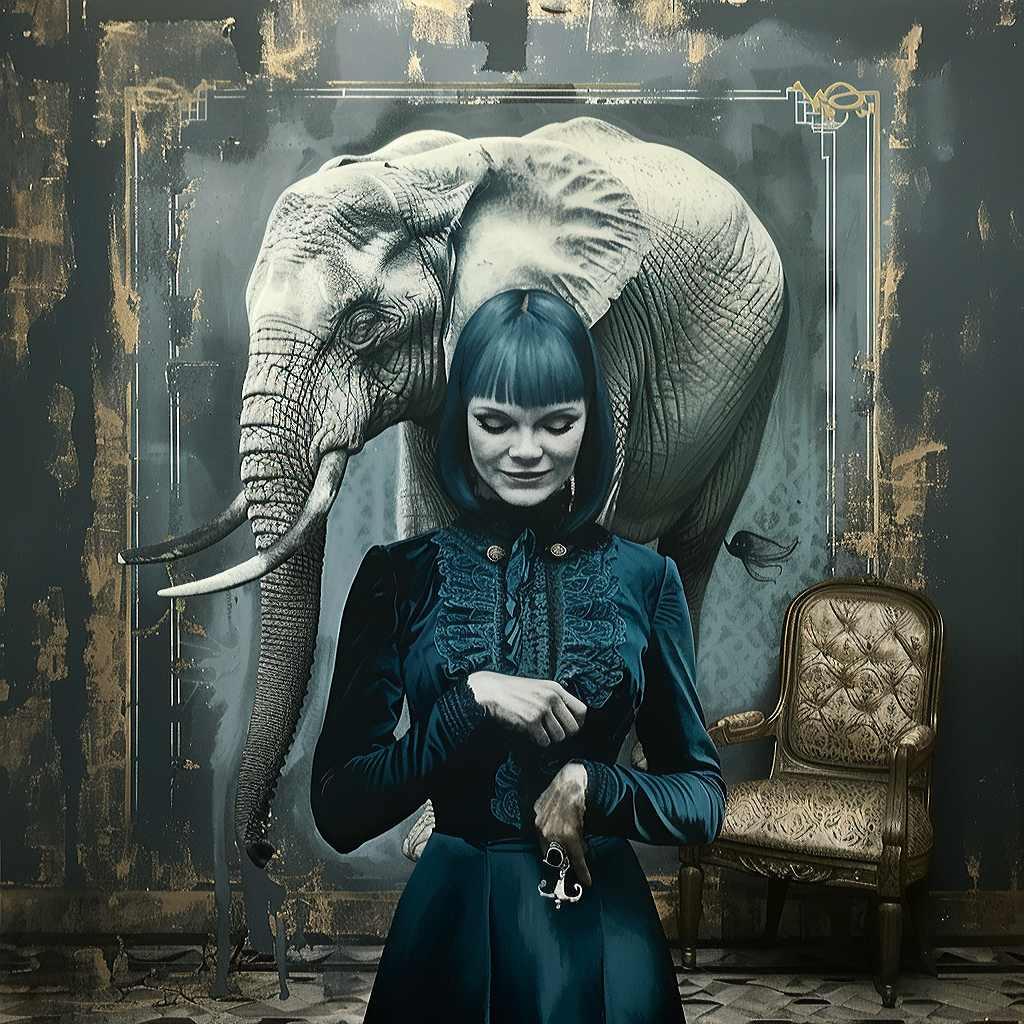
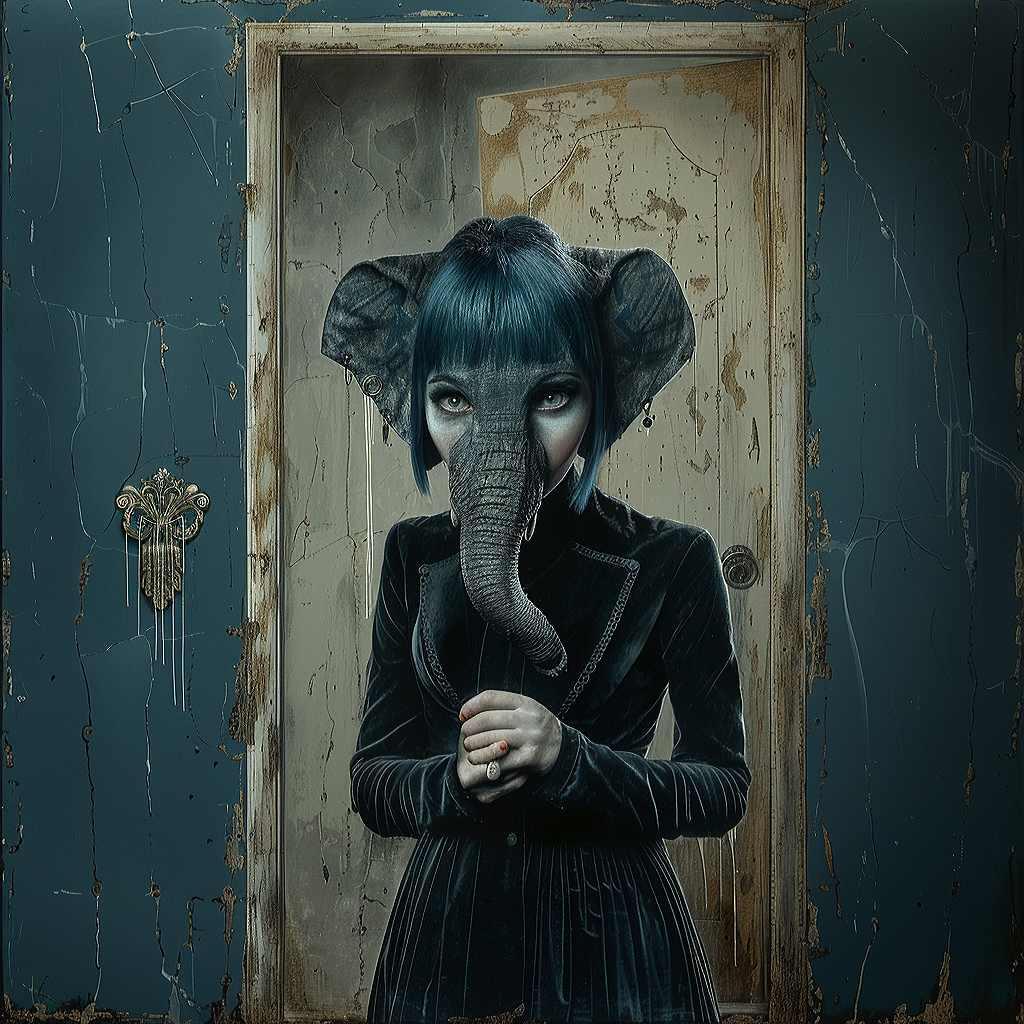
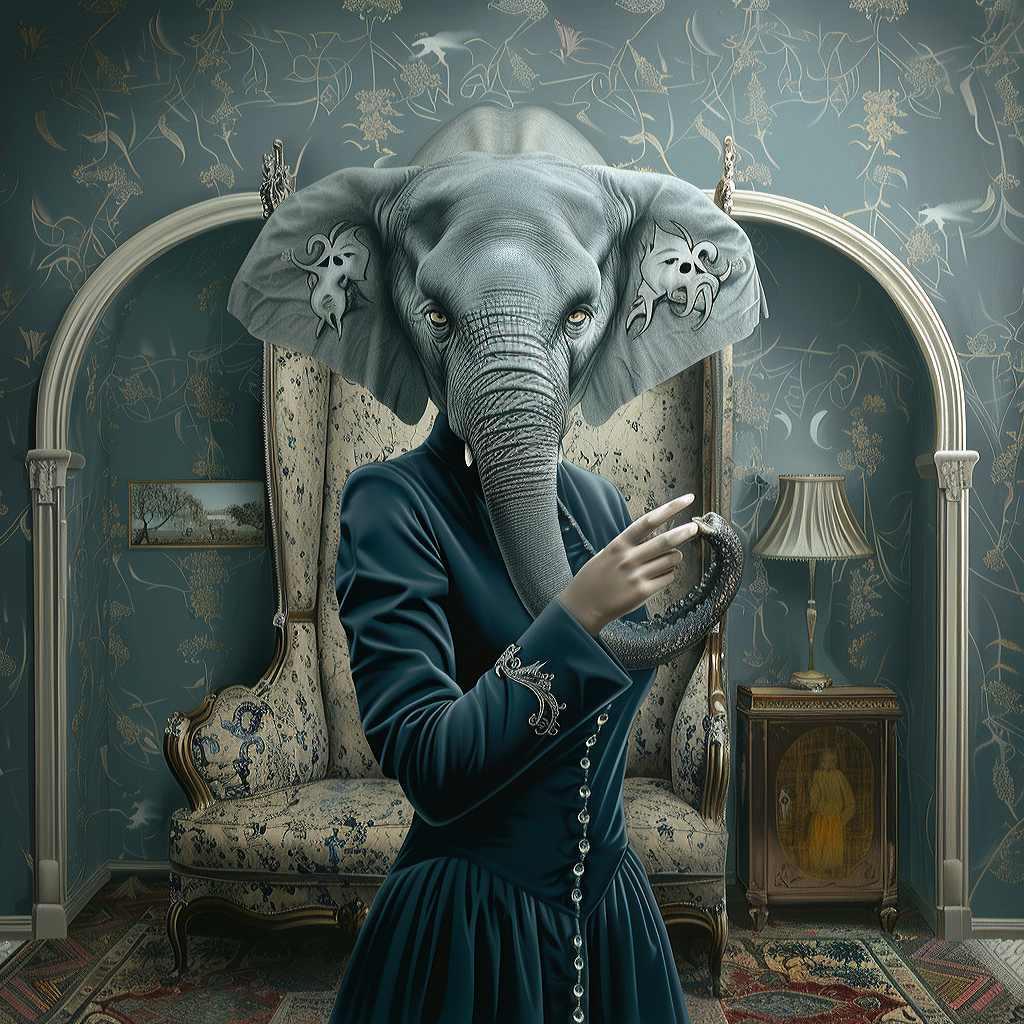
“It’s the telephantom! You know what this mean, don’t you.” Truella sounded ominous. Frella shook her head. “It’s Punic magic, and it’s almost impossible to reverse. You need a piece of Hannibal’s tunic for the spell, and you can imagine the difficulties.”
March 26, 2024 at 10:29 pm #7414In reply to: Smoke Signals: Arcanas of the Quadrivium’s incense
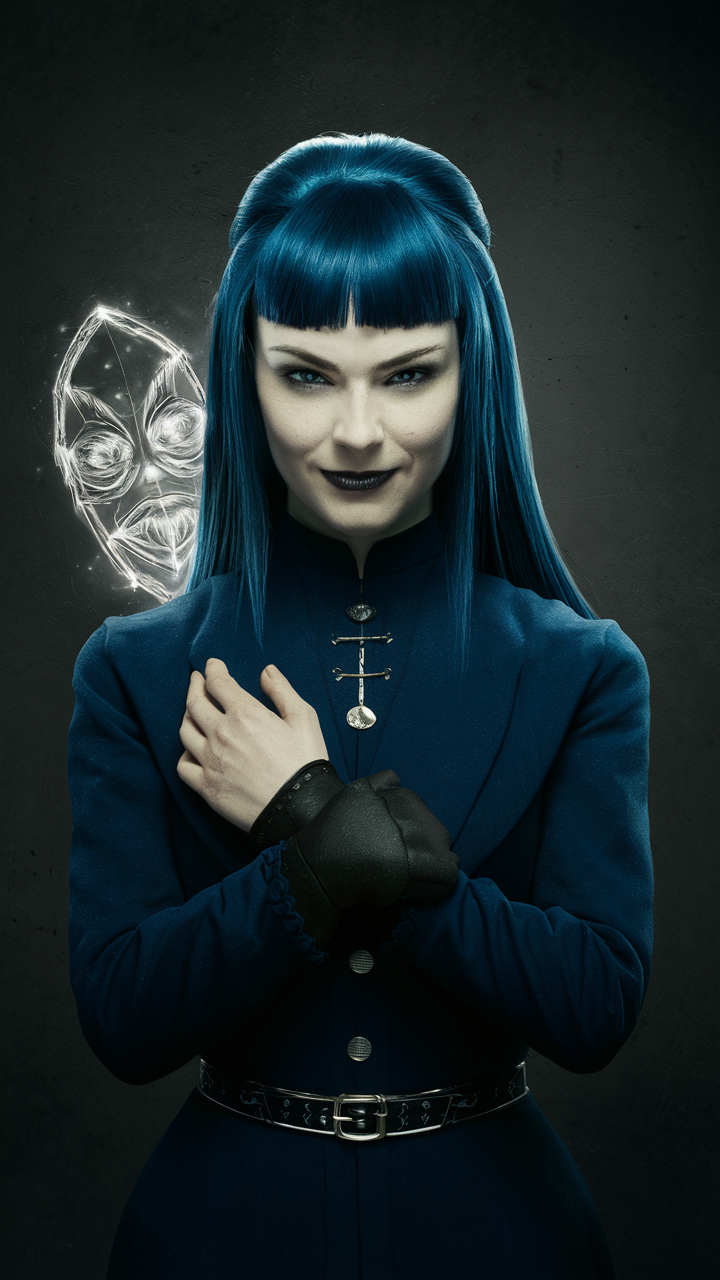
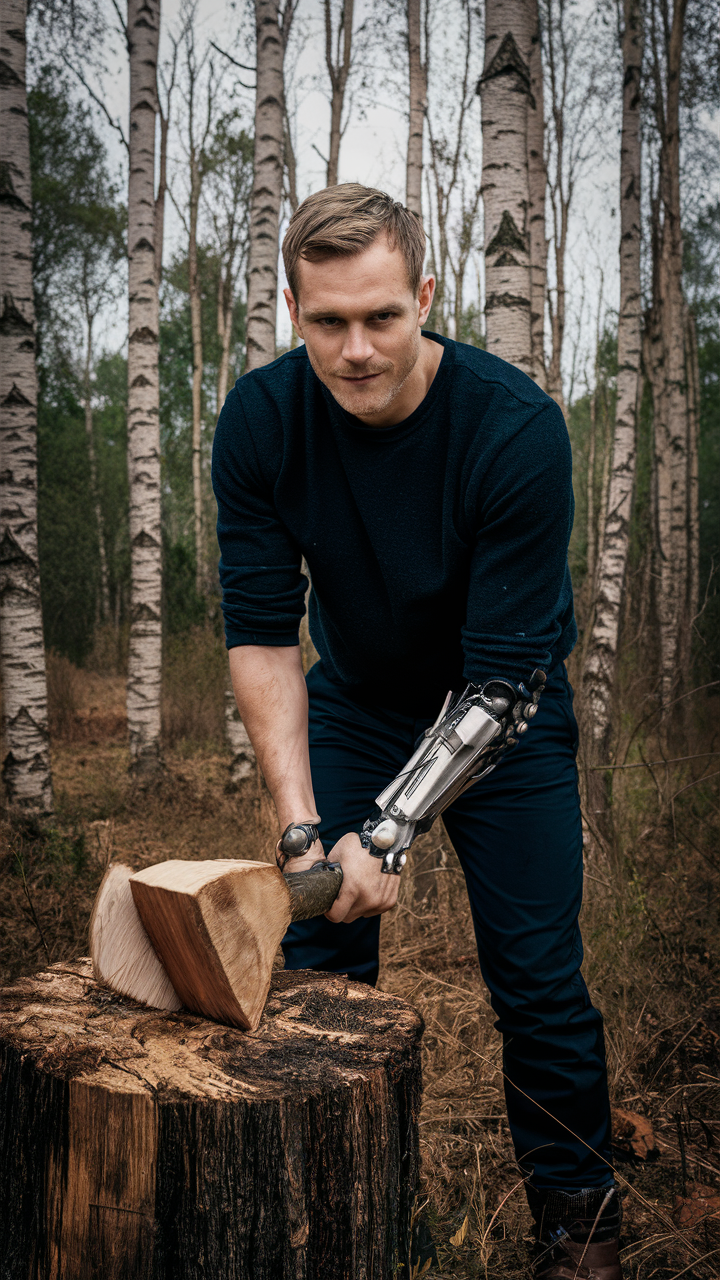
Eris and Thorsten…
😅
 February 26, 2024 at 8:35 am #7389
In reply to: The Incense of the Quadrivium’s Mystiques
“Well, it’s a long story, are you sure you want to hear it?”
“Tell me everything, right from the beginning. You’re the one who keeps saying we have plenty of time, Truella. I shall quite enjoy just sitting here with a bottle of wine listening to the story,” Frigella said, feeling all the recent stress pleasantly slipping away.
“Alright then, you asked for it!” Truella said, topping up their glasses. The evening was warm enough to sit outside on the porch, which faced the rising moon. A tawny owl in a nearby tree called to another a short distance away. “It’s kind of hard to say when it all started, though. I suppose it all started when I joined that Arkan coven years ago and the focus wasn’t on spells so much as on time travel.”
“We used to travel to times and places in the past,” Truella continued, “Looking back now, I wonder how much of it we made up, you know?” Frigella nodded. “Preconceptions, assumptions based on what we thought we knew. It was fun though, and I’m pretty sure some of it was valid. Anyway, valid or not, one thing leads to another and it was fun.
“One of the trips was to this area but many centuries ago in the distant past. The place seemed to be a sort of ancient motorway rest stop affair, somewhere for travellers to stay overnight on a route to somewhere. There was nothing to be found out about it in any books or anything though, so no way to verify it like we could with some of our other trips. I didn’t think much more about it really, we did so many other trips. For some reason we all got a bit obsessed with pyramids, as you do!”
They both laughed. “Yeah, always pyramids or special magical stones,” agreed Frigella.
“Yeah that and the light warriors!” Truella snorted.
“So then I found a couple of pyramids not far away, well of course they weren’t actually pyramids but they did look like they were. We did lots of trips there and made up all sorts of baloney between us about them, and I kept going back to look around there. We used to say that archaeologists were hiding the truth about all the pyramids and past civilizations, quite honestly it’s a bit embarrassing now to remember that but anyway, I met an actual archaeologist by chance and asked her about that place. And the actual history of it was way more interesting than all that stuff we’d made up or imagined.
The ruins I’d found there were Roman, but it went further back than that. It was a bronze age hill fort, and later Phoenician and Punic, before it was Roman. I asked the archaeologist about Roman sites and how would I be able to tell and she showed me a broken Roman roof tile, and said one would always find these on a Roman site.
I found loads over the years while out walking, but then I found one in the old stone kitchen wall. Here, let me fetch another bottle.” Truella got up and went inside, returning with the wine and a dish of peanuts.
“So that’s when I decided to dig a hole in the garden and just keep digging until I found something. I don’t know why I never thought to do that years ago. I tell you what, I think everyone should just dig a hole in their garden, and just keep digging until they find something, I can honestly say that I’ve never had so much fun!”
“But couldn’t you have just done a spell, instead of all that digging?” Frigella asked.
“Oh my god, NO! Hell no! That wouldn’t be the same thing at all,” Truella was adamant. “In fact, this dig has made me wonder about all our spells to be honest, are we going too fast and missing the finds along the way? I’ve learned so much about so many things by taking it slowly.”
“Yeah I kinda know what you mean, but carry on with the story. We should discuss that later, though.”
“Well, I just keep finding broken pottery, loads of it. We thought it was all Roman but some of it is older, much older. I’m happy about that because I read up on Romans and frankly wasn’t impressed. Warmongering and greedy, treated the locals terribly. Ok they made everything look nice with the murals and mosaics and what not, and their buildings lasted pretty well, but who actually built the stuff, not Romans was it, it was the slaves. Still, I wasn’t complaining, finding Roman stuff in the garden was pretty cool. But I kept wishing I knew more about the people who lived here before they came on the rampage taking everything back to Rome. Hey, let me go and grab another bottle of wine.”
Frigella was feeling pleasantly squiffy by now. The full moon was bright overhead, and she reckoned it was light enough to wander around the garden while Truella was in the kitchen. As she walked down the garden, the tawny owl called and she looked up hoping to see him in the fig tree. She missed her step and fell over a bucket, and she was falling, falling, falling, like Alice down the rabbit hole.
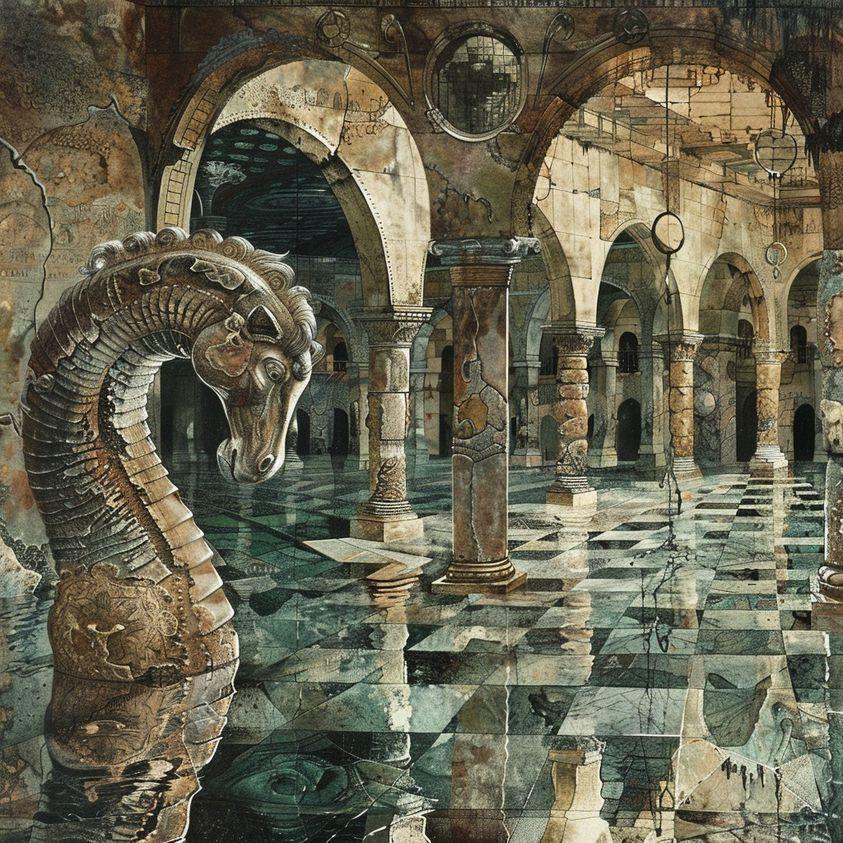
The fall was slow like a feather wafting gently down and she saw hundreds of intriguing fragments of objects and etchings and artefacts on the sides of the hole and she drifted slowly down. At last she came to rest at the bottom, and found herself in an arched gallery of mirrors and tiles and doors. On every surface were incomplete drawings and shreds of writings, wondrous and fascinating. She didn’t immediately notice the hippocampus smiling benignly down at her. He startled her a little, but had such a pleasant face that she smiled back up at him. “Where am I?” she asked.
“You’d be surprised how many people ask me that.” he replied, with a soft whicker of mirth. “Not many realise that they’ve called on me to help them navigate. Now tell me, where is it you want to go?”
“Well,” Frigella replied slowly, “Now that you ask, I’m not entirely sure. But I’m pretty sure Truella would like to see this place.”
 February 11, 2024 at 9:32 am #7362
In reply to: The Incense of the Quadrivium’s Mystiques
“Is he ready yet?” Echo the familiar sprite was waiting patiently, in the middle of Eris’ altar, surrounded by a delicate pattern of magical items.
“Quiet, I need to concentrate.” Eris was close to finishing the spell, and needed her familiar’s assistance. The ink was drying on the pages of her grimoire, and she took a breathe; the words were sufficiently inspired, the right intention and blessings would ensure they would be potent.
After the proper offering was made to the Elders and the nearby tree spirits, she uttered the words, inspired by her familiar’s presence who was helping her to concentrate the permeating energies:
“Silmiä avaava digitaalinen tila, Luoja Lönnrotin. Vie meidät kaukaisille maailmoille, jossa tarinat elävät ja hengittävät koodien keskellä.”
(🗣️Sound 🎶 ). “Eye-opening digital space, Creator Lönnrotin. Takes us to distant worlds where stories live and breathe in the midst of codes.”
“Is it done?” Eris asked Echo, who had flickered for a moment, hinting at a magical energy exchange in progress.
“I think it is,” it jumped from the altar to her shoulder. “How are you going to call it?”
“Are you getting jealous Whisp?” she smiled, while her pixie took the shape of an eye rolling teddy bear.
She started to clean the space, rolled and tied her blue braided hair in a bun. “I’ll call him Elias, simply. Inspired by Elias Lönnrot, to draw on his greatest creations, and fit for the digital age. We can all use some ancient wisdom.”
“Simple… and effective I guess. And you’ve got a task in mind for him already?”
“Yes, but I’m afraid it’ll have to wait, we have to hurry, Malové has called for an extraordinary session, and I can’t miss it.”
February 6, 2024 at 11:02 pm #7355In reply to: Smoke Signals: Arcanas of the Quadrivium’s incense
Interpretations
Truella
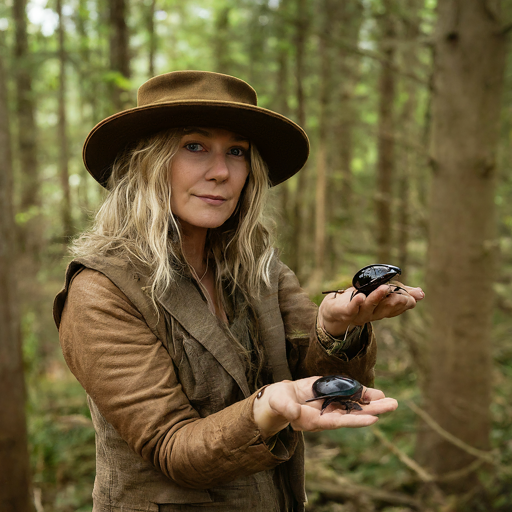
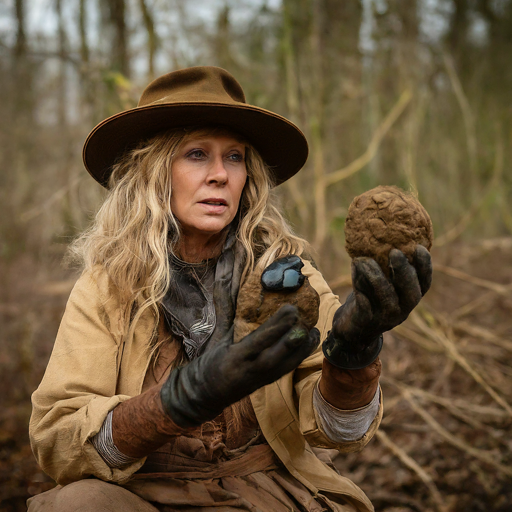

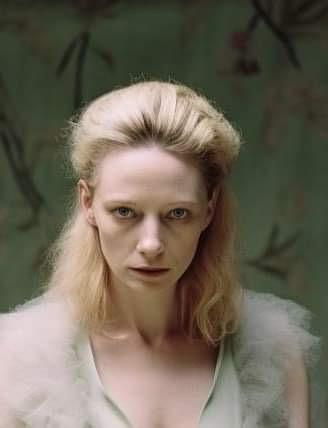
Frigella


Eris
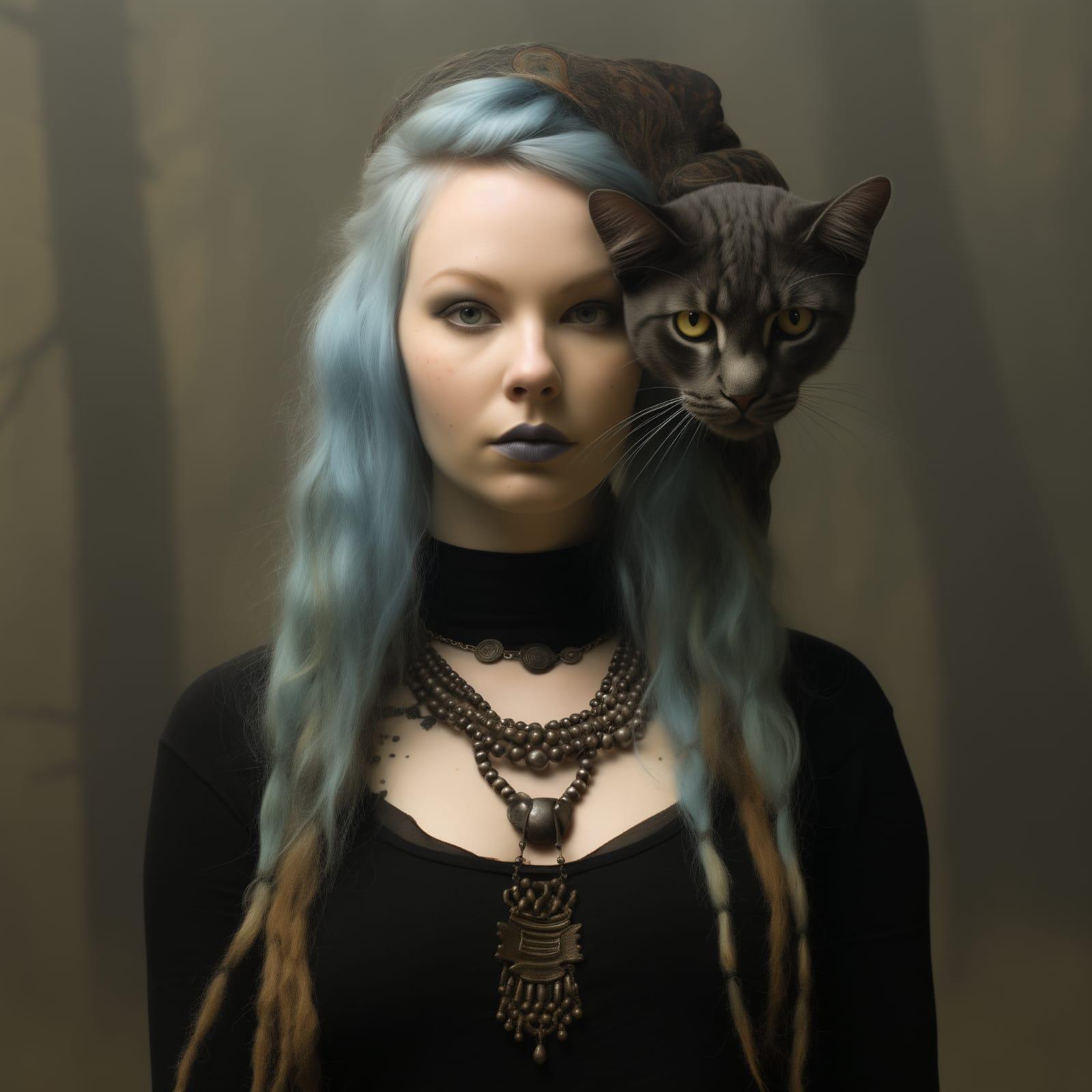
Jeezel (Jeeze the hair!)


Malové

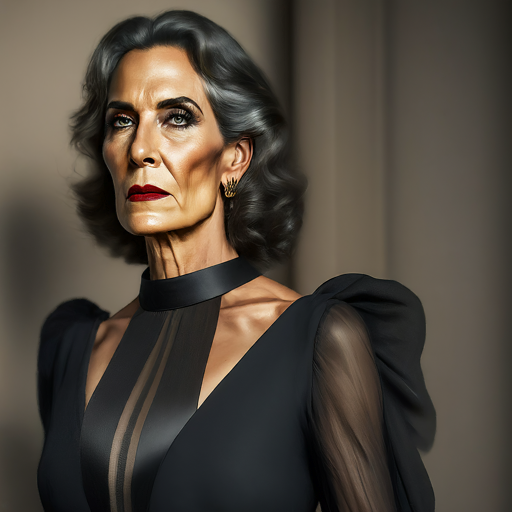

Other characters
Fringella (and not Frigella, who’s blonde like Tilda)
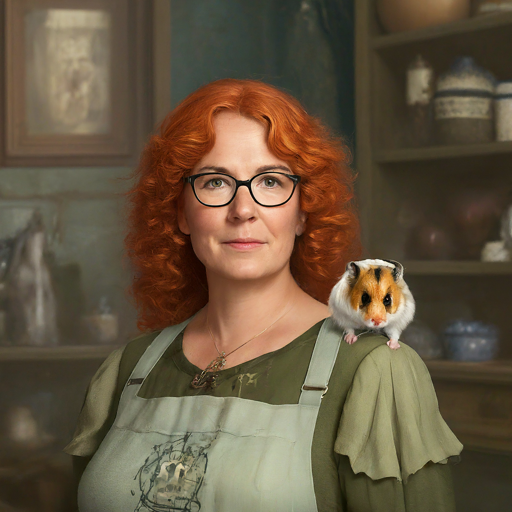
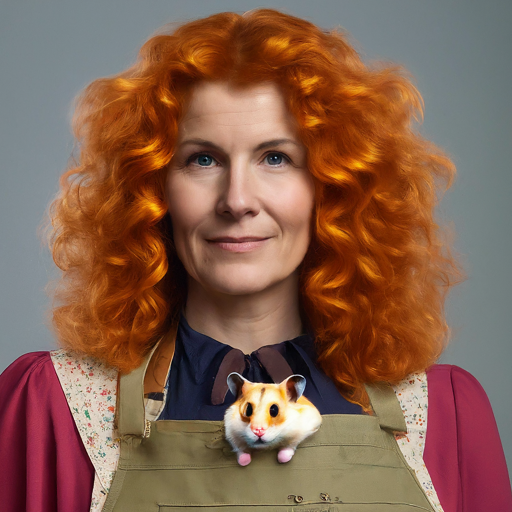
Specializing in elemental and herbal magic, Fringella has an intimate connection with the natural world. She is an adept healer and potion-maker, often creating remedies that blend traditional herbalism with powerful enchantments. Her signature spells often involve fire and earth, reflecting her passionate and grounded nature.
While she shares a name with Frigella, the two are quite different in both temperament and approach. Their interactions are marked by a mutual respect, though Fringella’s fiery disposition often contrasts sharply with Frigella’s more traditionalist and meticulous nature.
Eris’ aunt: Amara (
 )
)Amara, a woman of gentle yet resolute nature, provided Eris with a grounded upbringing amidst a world filled with arcane mysteries. Despite lacking magical abilities, Amara’s wisdom and nurturing spirit played a crucial role in shaping Eris’s character and guiding her through the complexities of her witch heritage. Amara’s home was a sanctuary where the mundane and the mystical coexisted harmoniously, offering Eris a unique perspective on the balance between everyday life and the magical realm.

 February 1, 2024 at 10:18 am #7337
In reply to: The Incense of the Quadrivium’s Mystiques
The bone people had replied to Truella’s urgent message while she was at the meeting, much to her relief. The last thing she wanted was the authorities snooping around, just as she was delving into the rich new layer. The odd things she’d been finding recently had piqued her curiousity and she had to keep reminding herself to merely find, observe and document, without attempting to make assumptions. She couldn’t help wondering though if these disparate items, things she hadn’t expected to find, were the ingredients for an ancient spell. The little bone amulet, the pigs teeth, and all the other little bits of bone with curious smooth sides. Fragments of mother of pearl, gleaming like new silver in the dirt, uncorroded and pristine despite the passage of time and the weight of the earth. Little clumps of charcoal, but scattered, not all in the same place. Not like there’d been a fire, more like little things had burned, here and there, at various times.
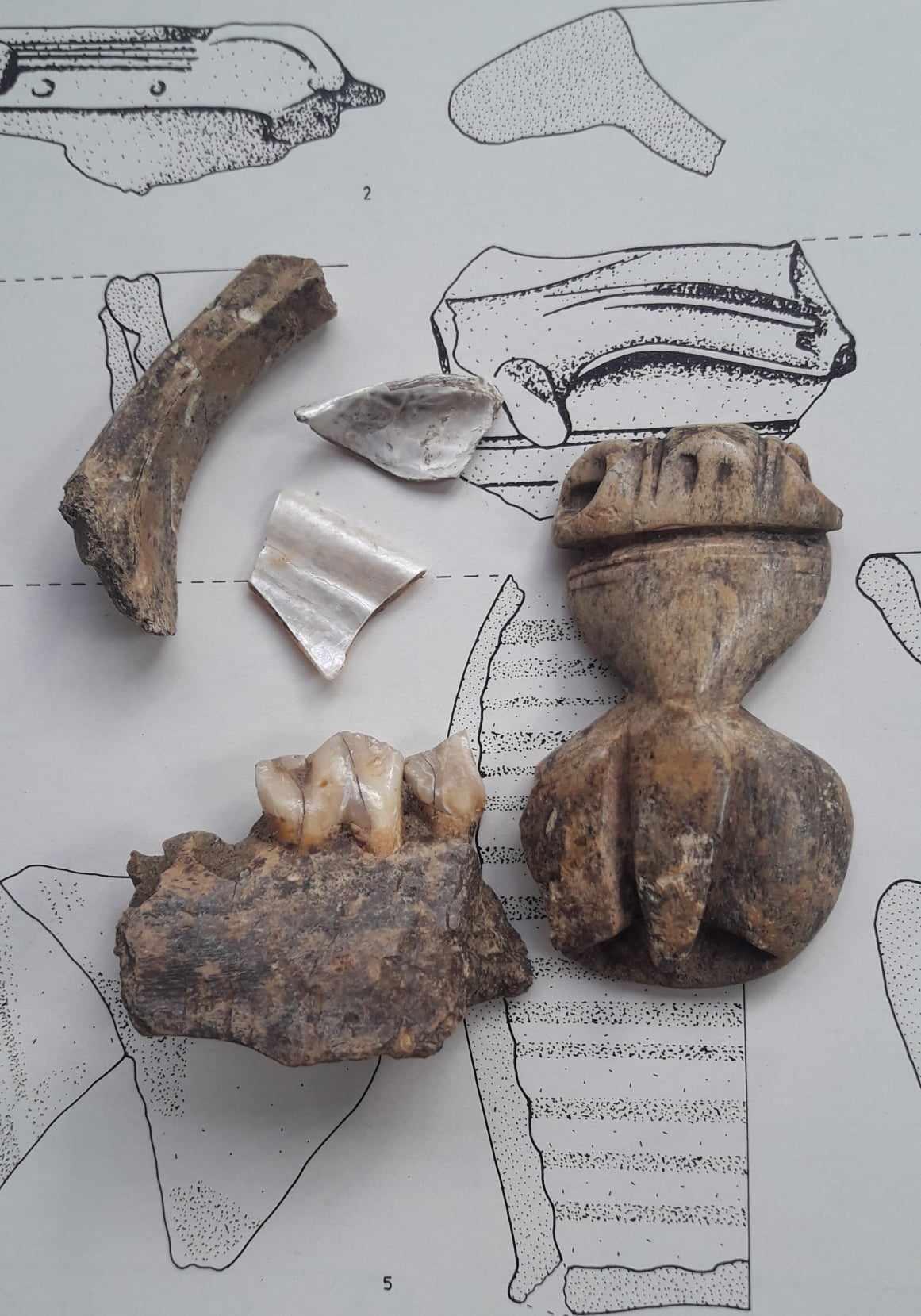
All the broken dishes and amphora were to be expected, but why so many? And why didn’t whoever lived here take their dishes with them when they went? Maybe they left in a hurry, smashing everything on the way out of the door so there was nothing left for the invaders? Or did the dishes simply fall and break when the abandoned wooden shelves rotted away over the centuries? A layer of abandonment was a curious and intriguing thing to contemplate.
Now that she had the experts opinion on the teeth ~ pig, not human ~ haste was needed to quell the growing rumours in the village that she had found human remains. That was the last thing she needed, the neighbours giving her suspicious looks or the authorities roping off her dig with striped plastic tape and putting a police tent over it, messing with the hole she had dug trowel by trowel, rubbing every handful of soil between her fingers. The very thought of it was unbearable. For this reason she rather hoped NOT to find a hoard of valuable ancient coins, contrary to what most people would hope to find. Still, she couldn’t help wonder while she was digging if the next trowel of soil would reveal one.
She must make it absolutely clear to Roger than he was only required to carry buckets of soil, and was not to do any actual digging.
February 1, 2024 at 12:03 am #7332In reply to: The Incense of the Quadrivium’s Mystiques
After the evening ritual at the elder tree, Eris came home thirsting for the bitter taste of dark Assam tea. Thorsten had already gone to sleep, and his cybernetic arm was put negligently near the sink, ready for the morning, as it was otherwise inconvenient to wear to bed.
Tired by the long day, and even more by the day planned in the morrow, she’d planned to go to bed as well, but a late notification caught her attention. “You have a close cousin! Find more”; she had registered some time ago to get an analysis of her witch heritage, in a somewhat vain attempt to pinpoint more clearly where, if it could be told, her gift had originated. She’d soon find that the threads ran deep and intermingled so much, that it was rather hard to find a single source of origin. Only patterns emerged, to give her a hint of this.
Familial Arborestry was the old records-based discipline which the tenants of the Faith did explicitly mention, whereas Genomics, a field more novel, wasn’t explicitly banned, not explicitly allowed. Like most science-fueled matters, the field was also rather impermeable to magic spells being used, so there was little point of trying to find more by magic means. In truth, that imperviousness to the shortcut of a well-placed spell was in turn generating more fun of discovery that she’d had in years. But after a while, she seemed to have reached a plateau in her finds.
Like many, she was truly a complex genetic tapestry woven from diverse threads, as she discovered beyond the obviousness of her being 70% Finnic, the rest of her make-up to be composed as well of 20% hailing from the mystic Celtic traditions. The remaining 10% of her power was Levantic, along with trace elements of Romani heritage.
Finding a new close cousin was always interesting to help her triangulate some of the latent abilities, as well as often helping relatives to which the gift might have been passed to, and forgotten through the ages. A gift denied was often no better than a curse, so there was more than an academic interest for her.
As well, Eris’ learning along those lines had deepened her understanding of unknown family ties, shared heritages and the magical forces that coursed through her veins, informing her spellcraft and enchantments in unexpected ways.
She opened the link. Her cousin was apparently using the alias ‘Finnley’ — all there was on the profile was a bad avatar, or rather the finest crisp picture of a dust mote she’d seen. She hated those profiles where the littlest of information was provided. What the hell were those people even signing for? In truth,… she paradoxically actually loved those profiles. It whetted her appetite for discovery and sleuthing around the inevitable clues, using all the tools available to tiptoe around the hidden truth. If she had not been a witch, she may simply have been a hacker. So what this Finnley cousin was hiding from? What she looking for parents she never knew? Or maybe a lost child?
As exciting as it was, it would have to wait. She yawned vigorously at the prospect of the early rising tomorrow. Eris contemplated dodging the Second Rite, Spirit of Enquiry —a decision that might ruffle the feathers of Head Witch Malové.
Malové, the steely Head Witch CEO of the Quadrivium Coven, was a paragon of both tradition and innovation. Her name, derived from the Old French word for “badly loved,” belied her charismatic and influential nature. Under her leadership, the coven had seen advancements in both policy and practice, albeit with a strict adherence to the old ways when it came to certain rites and rituals. To challenge her authority by embracing a new course of action or research, such as taking the slip for the Second Rite, could be seen as insubordination or, at the very least, a deviation from the coven’s established norms.
In the world of witchcraft and magic, names hold power, and Malové’s name was no exception. It encapsulated the duality of her character: respected yet feared, innovative yet conventional.
Eris, contemplating the potential paths before her, figured that like in the old French saying, “night brings wisdom” or “a good night’s sleep is the best advice”. Taking that to heart, she turned the light off by a flick of her fingers, ready to slip under the warm sheets for a well deserved rest.
January 30, 2024 at 8:32 pm #7327In reply to: The Incense of the Quadrivium’s Mystiques
Her garden, oh, it’s a living canvas of her passions – a wild, untamed thing with bursts of vibrant color and the heady scent of jasmine and orange blossoms that intoxicate the senses. But beneath its beauty lies a secret, a whisper of the past that Truella, with her insatiable curiosity and archeological fervor, has unearthed: the remnants of an Andalucian Roman villa.
Imagine the thrill, the pure, unadulterated bliss of discovery, as her fingers brush away centuries of soil to reveal ornate mosaics, fragments of pottery that once held the finest olive oil, and coins stamped with the visages of long-forgotten emperors. Each artifact, a breadcrumb leading her deeper into the enigma of history.
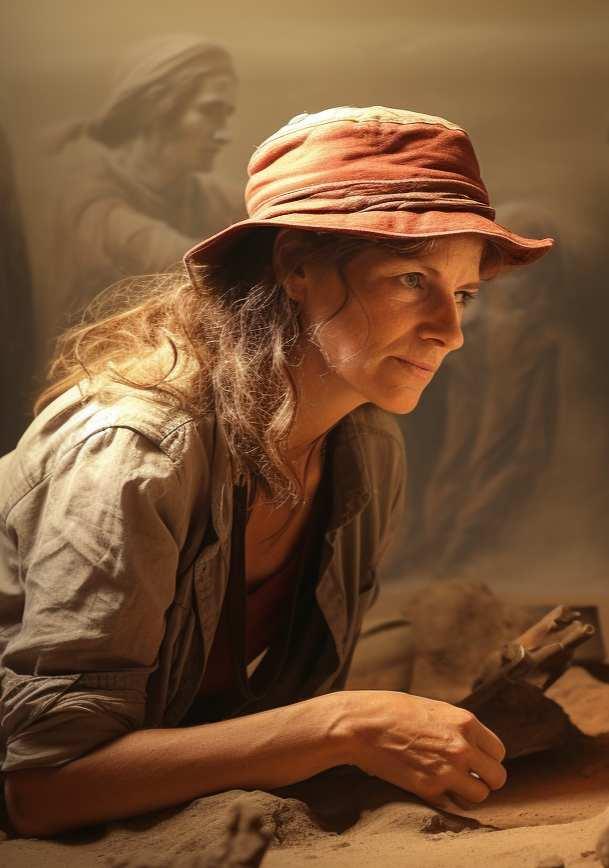
But, of course, Roger, our simple-minded gardener with not a thought in his head beyond petunias and pruning, has proven to be surprisingly useful. His brawn has unearthed more than his fair share of antiquity, even if he hasn’t the faintest idea of its significance. “Look, Truella, I’ve found another shiny rock,” he says, and I, Lisia Tattius, can only chuckle at the delightful irony.
Truella’s Andalusian escapades could fill volumes, and perhaps they shall. There’s something deliciously appealing about a woman alone, grappling with the very fabric of time amongst the ruins of an empire.
Truella couldn’t see any benefit in rewriting all that and thanked Lisia very much, although she did wonder who Roger was. A gardener though! Someone to carry all those buckets of dirt hither and thither. Someone to dig the next overburden!
Was there a spell for dissolving an overburden, she wondered? Inspired, she could already imagine how easy it would be to convince the team that this spell would have beneficial and universal applications.
Truella was pleased to see the mention of mosaics, the very thing she wanted to find. She planned to make a mosaic detector wand. But Truella didn’t want Lisia telling her where the mosaic was because it would spoil the whole thing. Mentioning mosaics, however, as already found, was the perfectly measured tincture of encouragement. A bit like spells in general really. Tricky business, getting them right.
-
AuthorSearch Results