
Daily Random Quote

  • Illi was beginning to really appreciate being dead and the freedom it provided to create whatever she wished at a moments notice. She’d enjoyed being a shape shifter while she was alive, often changing into a rather odd cat-like creature which was one of her favourites. She’d had tremendous fun over the years, confounding people with that ... · ID #294 (continued)
    (next in 11h 06min…)

Latest Activity

Search Results for 'knew'

Forums Search Search Results for 'knew'

Viewing 20 results - 161 through 180 (of 717 total)
  • Author
    Search Results
  • #6223
    TracyTracy
    Participant

      Kate Purdy and the DH Lawrence Connection

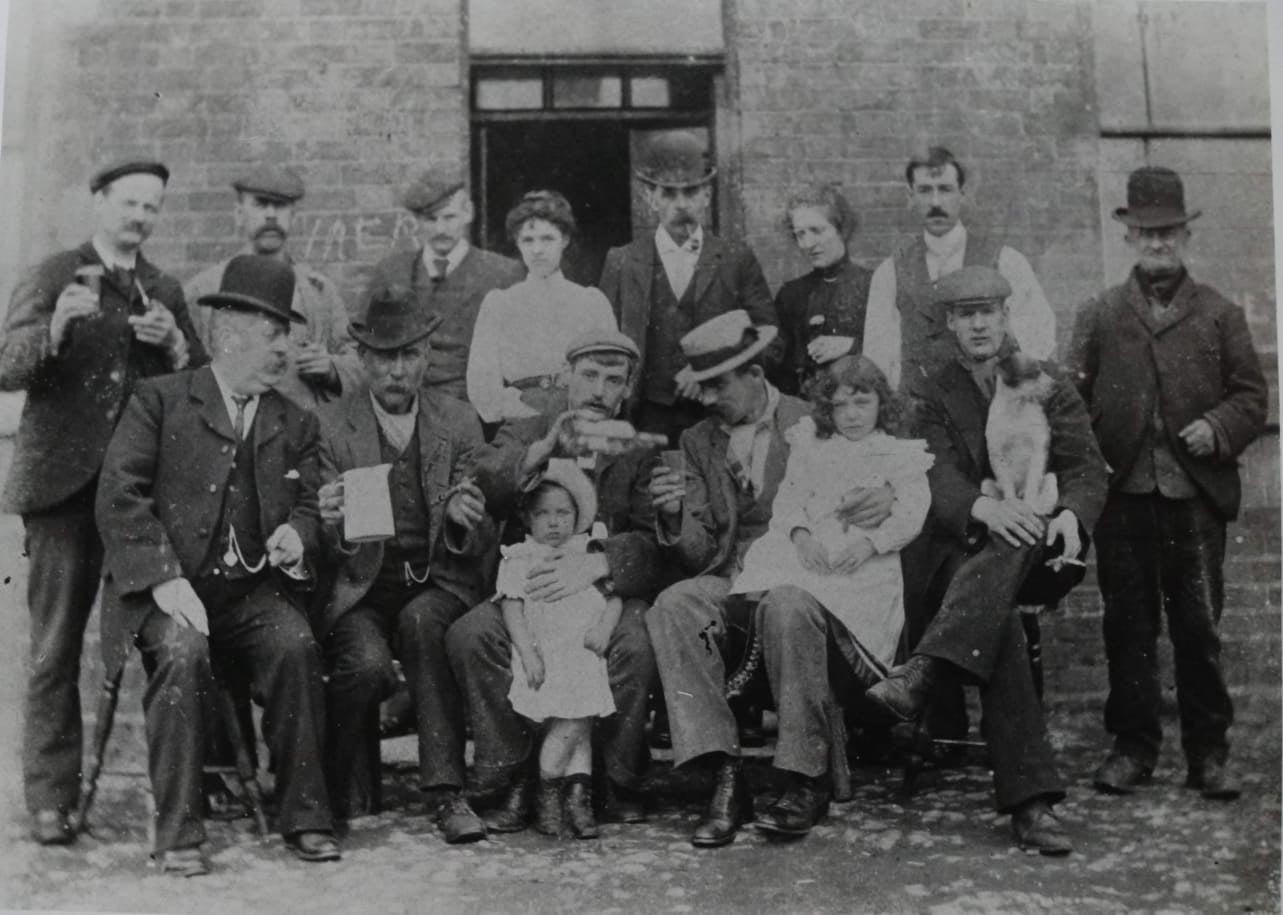
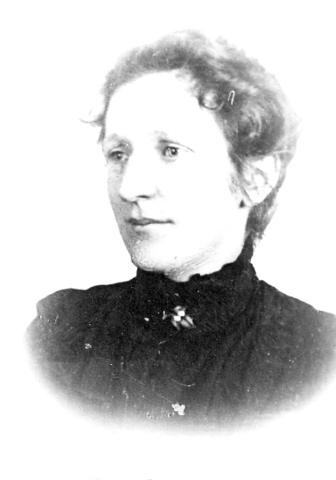
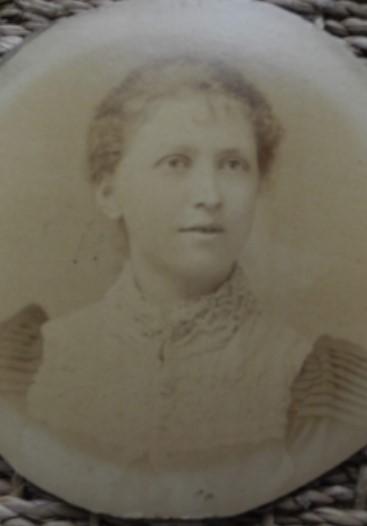
      Catherine (Kate) Purdy 1874-1950  was my grandfather George Marshall’s aunt, and the mother of George Rushby who went to Africa.  The photo is one of our family photos, and we knew that the woman at the back third from the right was an aunt of my grandfather’s. We didn’t know that it was Kate until we saw other photos of her in Mike’s collection.

      DH Lawrence was born in Eastwood at roughly the same time as my great grandmother Mary Ann Gilman Purdy. Apparently his books are based on actual people living in the area at the time, so I read as many of his books as I could find, to help paint the picture of the time and place.  I also found out via an Eastwood facebook group, that he was not well liked there, and still isn’t. They say he was a wife beater, a groper and was cruel to animals, and they did not want a statue of him in their town!

      Kate Rushby third from right back row:

      Kate Rushby

      Kate Rushby’s story as told by her grandson Mike:

      George’s daughter Catherine (Kate) Purdy grew up in Eastwood and was living at Walnut Tree Lane when, at the age of 21, and on the 24 Sep 1894, she married John Henry Payling Rushby who was a policeman in the Grimsby Police. John Henry left the Police and together they bought a public house “The Three Tuns Inn” at Beggarlee. The establishment was frequented by amongst others, the writer D.H.Lawrence who wrote much of his book “Sons and Lovers” in the Inn. In his book he calls the Inn “The Moon and Stars” and mentions Kate. though not by name.

      John Henry Rushby had two children, Charlotte and George Gilman Rushby. But a year after the birth of George on 28 Feb 1900, John Henry died at the age of thirty on 13 Sep 1901. He liked to show off his strength to his friends by lifting above his head an oak barrel full of beer. This would have weighed almost 200 kilograms. “He bust his gut” Kate said. He died of peritonitis following a hernia.

      Following the death of John Henry, Kate managed the Three Tuns Inn on her own. But a regular visitor to the Inn was Frank Freer who was a singer and used to entertain the patrons with his fine baritone voice and by playing the cornet. He and Kate got married, but he turned out to be a drunk who beat his wife and was cruel to her son. They separated and he died from alcoholism, though he may also have been struck on the head with a beer bottle by a person unknown. She then married Mr Gregory Simpson who fathered a daughter Catherine, and then died from gas injuries he suffered on the battlefield in the first world war.

      Despite her lack of men able to stay the course, Catherine became a very successful business woman. She ran the Three Tuns Inn and later moved to Jacksdale where she owned ”ThePortland Arms Hotel”. She travelled extensively to Europe in times of peace, to Africa several times, and around England frequently. She settled in Selston Lane Jacksdale in a large house bracketed by the homes of her daughters Lottie and Cath. She was a strong and tenacious woman who became the surrogate mother of her grandchildren Ann and George when they were separated from their parents by the second world war.

      Mike Rushby’s photo of Kate:

      Kate Purdy Rushby


      #6222
      TracyTracy
      Participant

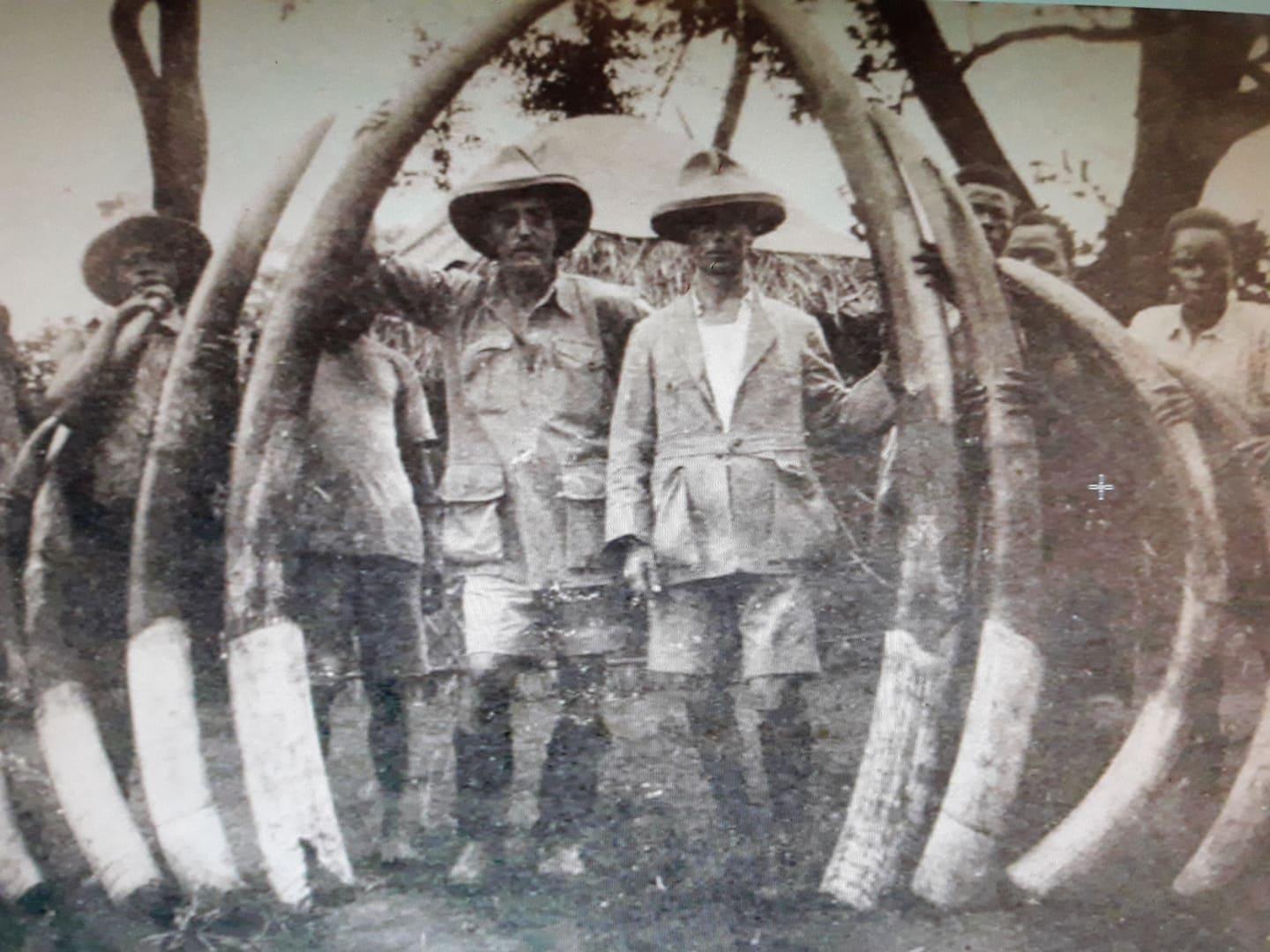
        George Gilman Rushby: The Cousin Who Went To Africa

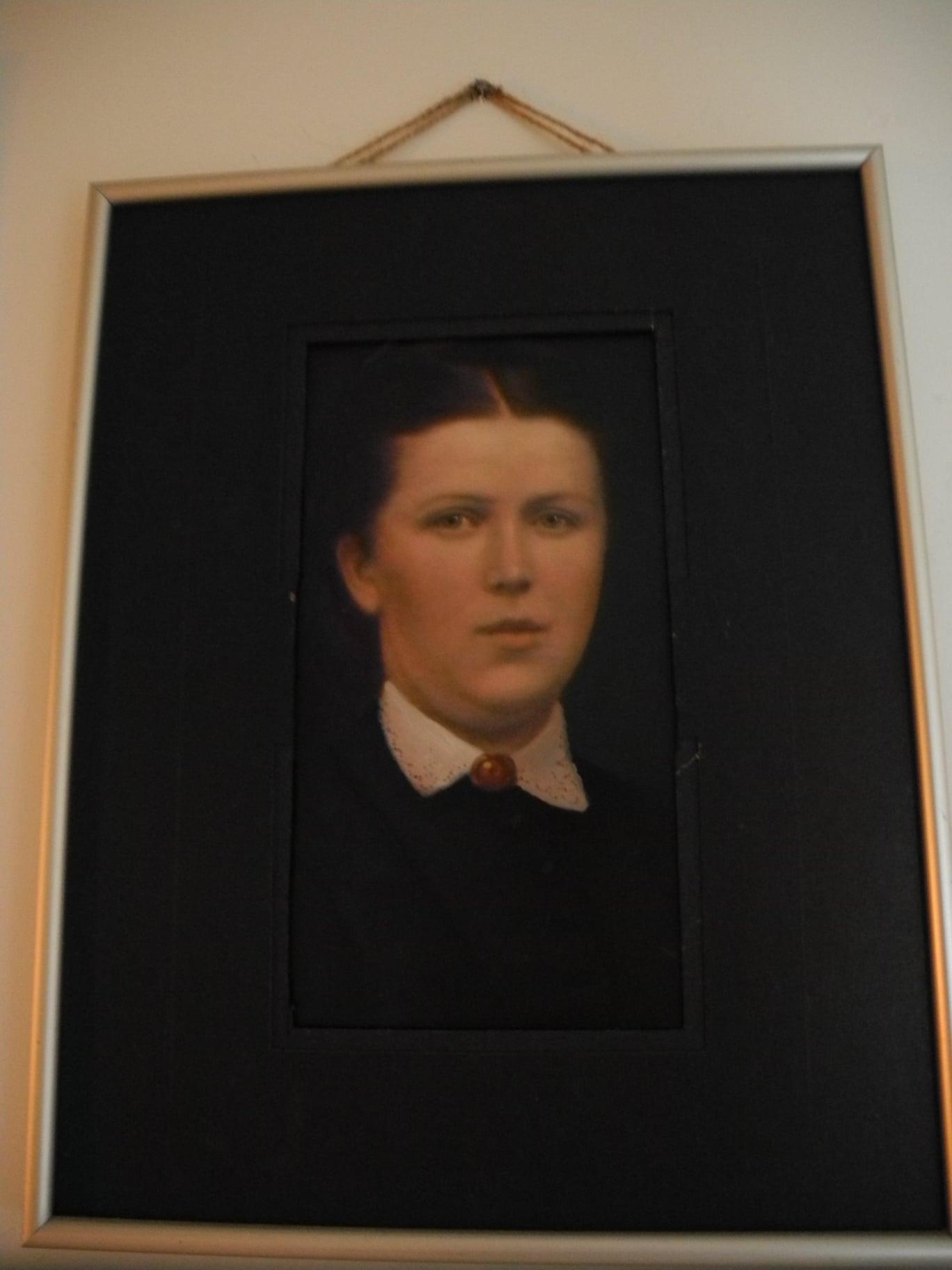
        The portrait of the woman has “mother of Catherine Housley, Smalley” written on the back, and one of the family photographs has “Francis Purdy” written on the back. My first internet search was “Catherine Housley Smalley Francis Purdy”. Easily found was the family tree of George (Mike) Rushby, on one of the genealogy websites. It seemed that it must be our family, but the African lion hunter seemed unlikely until my mother recalled her father had said that he had a cousin who went to Africa. I also noticed that the lion hunter’s middle name was Gilman ~ the name that Catherine Housley’s daughter ~ my great grandmother, Mary Ann Gilman Purdy ~ adopted, from her aunt and uncle who brought her up.

        I tried to contact George (Mike) Rushby via the ancestry website, but got no reply. I searched for his name on Facebook and found a photo of a wildfire in a place called Wardell, in Australia, and he was credited with taking the photograph. A comment on the photo, which was a few years old, got no response, so I found a Wardell Community group on Facebook, and joined it. A very small place, population some 700 or so, and I had an immediate response on the group to my question. They knew Mike, exchanged messages, and we were able to start emailing. I was in the chair at the dentist having an exceptionally long canine root canal at the time that I got the message with his email address, and at that moment the song Down in Africa started playing.

        Mike said it was clever of me to track him down which amused me, coming from the son of an elephant and lion hunter.  He didn’t know why his father’s middle name was Gilman, and was not aware that Catherine Housley’s sister married a Gilman.

        Mike Rushby kindly gave me permission to include his family history research in my book.  This is the story of my grandfather George Marshall’s cousin.  A detailed account of George Gilman Rushby’s years in Africa can be found in another chapter called From Tanganyika With Love; the letters Eleanor wrote to her family.

        George Gilman Rushby:

        George Gilman Rushby


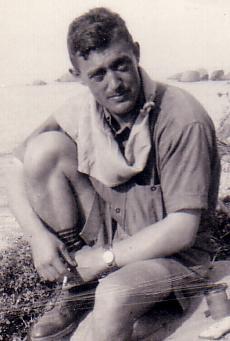
        The story of George Gilman Rushby 1900-1969, as told by his son Mike:

        George Gilman Rushby:
        Elephant hunter,poacher, prospector, farmer, forestry officer, game ranger, husband to Eleanor, and father of 6 children who now live around the world.

        George Gilman Rushby was born in Nottingham on 28 Feb 1900 the son of Catherine Purdy and John Henry Payling Rushby. But John Henry died when his son was only one and a half years old, and George shunned his drunken bullying stepfather Frank Freer and was brought up by Gypsies who taught him how to fight and took him on regular poaching trips. His love of adventure and his ability to hunt were nurtured at an early stage of his life.
        The family moved to Eastwood, where his mother Catherine owned and managed The Three Tuns Inn, but when his stepfather died in mysterious circumstances, his mother married a wealthy bookmaker named Gregory Simpson. He could afford to send George to Worksop College and to Rugby School. This was excellent schooling for George, but the boarding school environment, and the lack of a stable home life, contributed to his desire to go out in the world and do his own thing. When he finished school his first job was as a trainee electrician with Oaks & Co at Pye Bridge. He also worked part time as a motor cycle mechanic and as a professional boxer to raise the money for a voyage to South Africa.

        In May 1920 George arrived in Durban destitute and, like many others, living on the beach and dependant upon the Salvation Army for a daily meal. However he soon got work as an electrical mechanic, and after a couple of months had earned enough money to make the next move North. He went to Lourenco Marques where he was appointed shift engineer for the town’s power station. However he was still restless and left the comfort of Lourenco Marques for Beira in August 1921.

        Beira was the start point of the new railway being built from the coast to Nyasaland. George became a professional hunter providing essential meat for the gangs of construction workers building the railway. He was a self employed contractor with his own support crew of African men and began to build up a satisfactory business. However, following an incident where he had to shoot and kill a man who attacked him with a spear in middle of the night whilst he was sleeping, George left the lower Zambezi and took a paddle steamer to Nyasaland (Malawi). On his arrival in Karongo he was encouraged to shoot elephant which had reached plague proportions in the area – wrecking African homes and crops, and threatening the lives of those who opposed them.

        His next move was to travel by canoe the five hundred kilometre length of Lake Nyasa to Tanganyika, where he hunted for a while in the Lake Rukwa area, before walking through Northern Rhodesia (Zambia) to the Congo. Hunting his way he overachieved his quota of ivory resulting in his being charged with trespass, the confiscation of his rifles, and a fine of one thousand francs. He hunted his way through the Congo to Leopoldville then on to the Portuguese enclave, near the mouth of the mighty river, where he worked as a barman in a rough and tough bar until he received a message that his old friend Lumb had found gold at Lupa near Chunya. George set sail on the next boat for Antwerp in Belgium, then crossed to England and spent a few weeks with his family in Jacksdale before returning by sea to Dar es Salaam. Arriving at the gold fields he pegged his claim and almost immediately went down with blackwater fever – an illness that used to kill three out of four within a week.

        When he recovered from his fever, George exchanged his gold lease for a double barrelled .577 elephant rifle and took out a special elephant control licence with the Tanganyika Government. He then headed for the Congo again and poached elephant in Northern Rhodesia from a base in the Congo. He was known by the Africans as “iNyathi”, or the Buffalo, because he was the most dangerous in the long grass. After a profitable hunting expedition in his favourite hunting ground of the Kilombera River he returned to the Congo via Dar es Salaam and Mombassa. He was after the Kabalo district elephant, but hunting was restricted, so he set up his base in The Central African Republic at a place called Obo on the Congo tributary named the M’bomu River. From there he could make poaching raids into the Congo and the Upper Nile regions of the Sudan. He hunted there for two and a half years. He seldom came across other Europeans; hunters kept their own districts and guarded their own territories. But they respected one another and he made good and lasting friendships with members of that small select band of adventurers.

        Leaving for Europe via the Congo, George enjoyed a short holiday in Jacksdale with his mother. On his return trip to East Africa he met his future bride in Cape Town. She was 24 year old Eleanor Dunbar Leslie; a high school teacher and daughter of a magistrate who spent her spare time mountaineering, racing ocean yachts, and riding horses. After a whirlwind romance, they were betrothed within 36 hours.

        On 25 July 1930 George landed back in Dar es Salaam. He went directly to the Mbeya district to find a home. For one hundred pounds he purchased the Waizneker’s farm on the banks of the Mntshewe Stream. Eleanor, who had been delayed due to her contract as a teacher, followed in November. Her ship docked in Dar es Salaam on 7 Nov 1930, and they were married that day. At Mchewe Estate, their newly acquired farm, they lived in a tent whilst George with some help built their first home – a lovely mud-brick cottage with a thatched roof. George and Eleanor set about developing a coffee plantation out of a bush block. It was a very happy time for them. There was no electricity, no radio, and no telephone. Newspapers came from London every two months. There were a couple of neighbours within twenty miles, but visitors were seldom seen. The farm was a haven for wild life including snakes, monkeys and leopards. Eleanor had to go South all the way to Capetown for the birth of her first child Ann, but with the onset of civilisation, their first son George was born at a new German Mission hospital that had opened in Mbeya.

        Occasionally George had to leave the farm in Eleanor’s care whilst he went off hunting to make his living. Having run the coffee plantation for five years with considerable establishment costs and as yet no return, George reluctantly started taking paying clients on hunting safaris as a “white hunter”. This was an occupation George didn’t enjoy. but it brought him an income in the days when social security didn’t exist. Taking wealthy clients on hunting trips to kill animals for trophies and for pleasure didn’t amuse George who hunted for a business and for a way of life. When one of George’s trackers was killed by a leopard that had been wounded by a careless client, George was particularly upset.
        The coffee plantation was approaching the time of its first harvest when it was suddenly attacked by plagues of borer beetles and ring barking snails. At the same time severe hail storms shredded the crop. The pressure of the need for an income forced George back to the Lupa gold fields. He was unlucky in his gold discoveries, but luck came in a different form when he was offered a job with the Forestry Department. The offer had been made in recognition of his initiation and management of Tanganyika’s rainbow trout project. George spent most of his short time with the Forestry Department encouraging the indigenous people to conserve their native forests.

        In November 1938 he transferred to the Game Department as Ranger for the Eastern Province of Tanganyika, and over several years was based at Nzasa near Dar es Salaam, at the old German town of Morogoro, and at lovely Lyamungu on the slopes of Kilimanjaro. Then the call came for him to be transferred to Mbeya in the Southern Province for there was a serious problem in the Njombe district, and George was selected by the Department as the only man who could possibly fix the problem.

        Over a period of several years, people were being attacked and killed by marauding man-eating lions. In the Wagingombe area alone 230 people were listed as having been killed. In the Njombe district, which covered an area about 200 km by 300 km some 1500 people had been killed. Not only was the rural population being decimated, but the morale of the survivors was so low, that many of them believed that the lions were not real. Many thought that evil witch doctors were controlling the lions, or that lion-men were changing form to kill their enemies. Indeed some wichdoctors took advantage of the disarray to settle scores and to kill for reward.

        By hunting down and killing the man-eaters, and by showing the flesh and blood to the doubting tribes people, George was able to instil some confidence into the villagers. However the Africans attributed the return of peace and safety, not to the efforts of George Rushby, but to the reinstallation of their deposed chief Matamula Mangera who had previously been stood down for corruption. It was Matamula , in their eyes, who had called off the lions.

        Soon after this adventure, George was appointed Deputy Game Warden for Tanganyika, and was based in Arusha. He retired in 1956 to the Njombe district where he developed a coffee plantation, and was one of the first in Tanganyika to plant tea as a major crop. However he sensed a swing in the political fortunes of his beloved Tanganyika, and so sold the plantation and settled in a cottage high on a hill overlooking the Navel Base at Simonstown in the Cape. It was whilst he was there that TV Bulpin wrote his biography “The Hunter is Death” and George wrote his book “No More The Tusker”. He died in the Cape, and his youngest son Henry scattered his ashes at the Southern most tip of Africa where the currents of the Atlantic and Indian Oceans meet .

        George Gilman Rushby:

        #6221
        TracyTracy
        Participant

          Mary Ann Gilman Purdy

          1880-1950

          Mary Ann Gilman Purdy Marshall

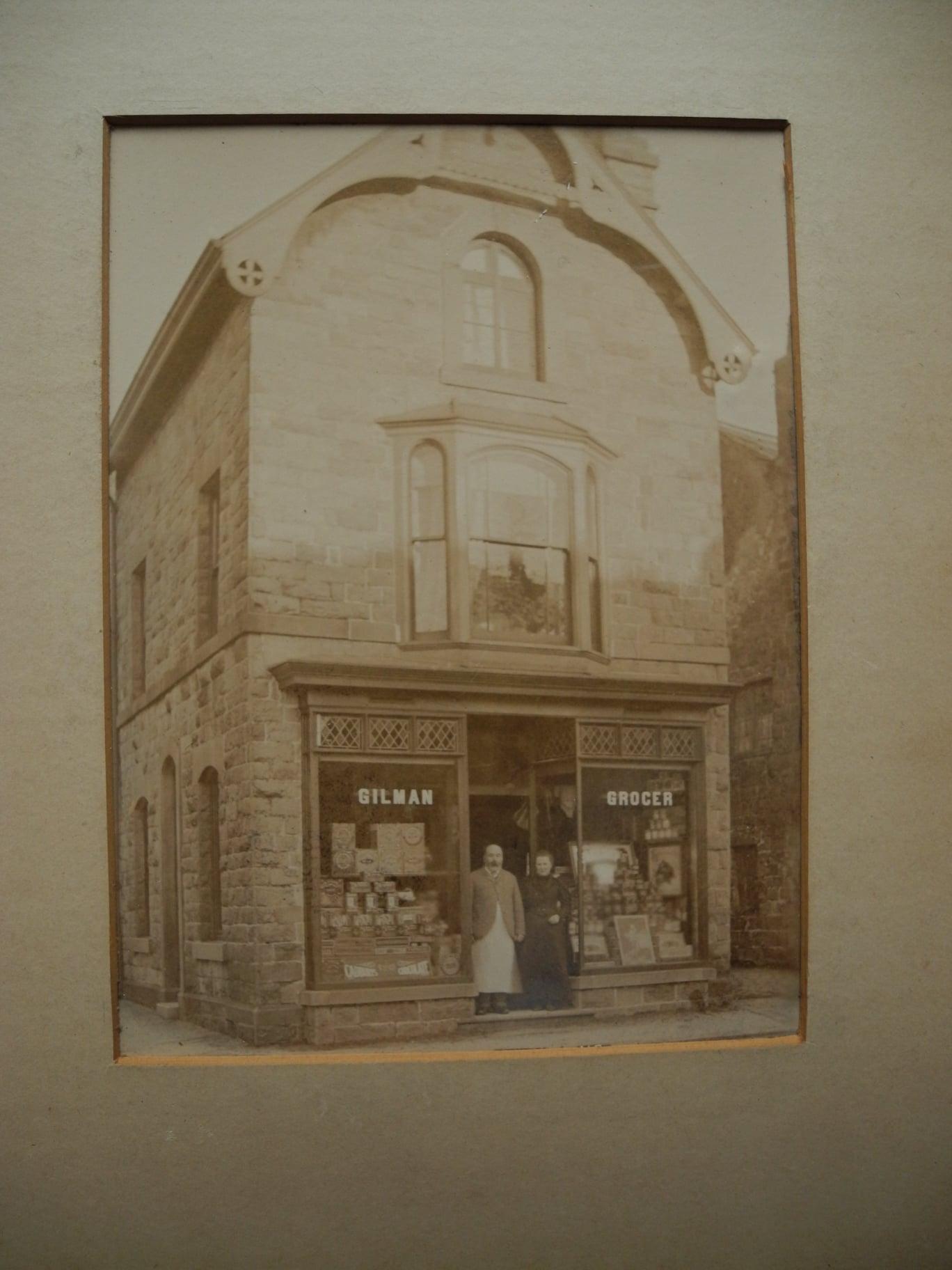
          Mary Ann was my grandfather George Marshall’s mother. She died in 1950, seven years before I was born. She has been referred to more often than not, since her death, as Mary Ann Gilman Purdy, rather than Mary Marshall. She was from Buxton, so we believed, as was her husband William Marshall. There are family photos of the Gilmans, grocers in Buxton, and we knew that Mary Ann was brought up by them. My grandfather, her son, said that she thought very highly of the Gilman’s, and added the Gilman name to her birth name of Purdy.


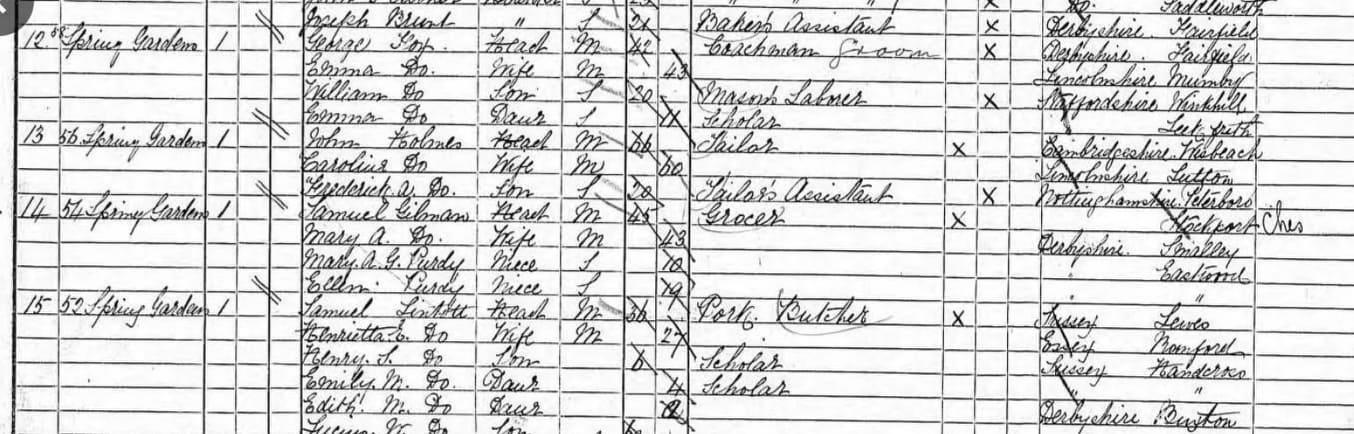
          The 1891 census in Buxton:

          1891 census Buxton


          (Mary Ann’s aunt, Mrs Gilman, was also called Mary Anne, but spelled with an E.)

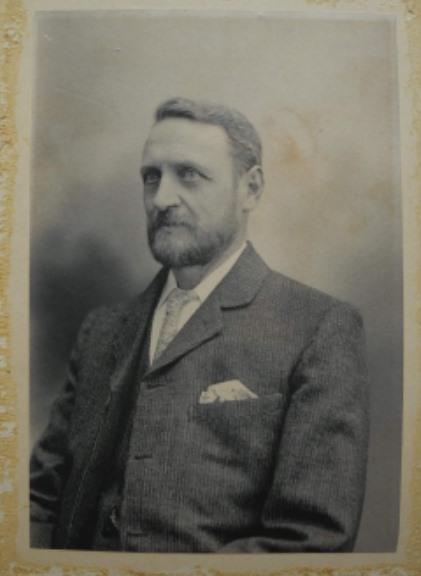
          Samuel Gilman 1846-1909, and Mary Anne (Housley) Gilman  1846-1935,  in Buxton:

          Gilmans Grocers

          Samuel Gilman


          What we didn’t know was why Mary Ann (and her sister Ellen/Nellie, we later found) grew up with the Gilman’s. But Mary Ann wasn’t born in Buxton, Derbyshire, she was born in Eastwood, Nottinghamshire. When the search moved to Nottingham, we found the Purdy’s.

          George Purdy 1848-1935, Mary Ann’s father:

          George Purdy


          Mary Ann’s parents were George Purdy of Eastwood, and Catherine Housley of Smalley.

          Catherine Housley 1849-1884, Mary Ann’s mother:

          Catherine Housley


          Mary Ann was four years old when her mother died. She had three sisters and one brother. George Purdy remarried and kept the two older daughters, and the young son with him. The two younger daughters, Mary Ann and Nellie, went to live with Catherine’s sister, also called Mary Anne, and her husband Samuel Gilman. They had no children of their own. One of the older daughters who stayed with their father was Kate , whose son George Gilman Rushby, went to Africa. But that is another chapter.

          George was the son of Francis Purdy and his second wife Jane Eaton. Francis had some twenty children, and is believed in Eastwood to be the reason why there are so many Purdy’s.

          The woman who was a mother to Mary Ann and who she thought very highly of, her mothers sister, spent her childhood in the Belper Workhouse. She and her older sister Elizabeth were admitted in June, 1850, the reason: father in prison. Their mother had died the previous year. Mary Anne Housley, Catherine’s sister, married Samuel Gilman, and looked after her dead sisters children.

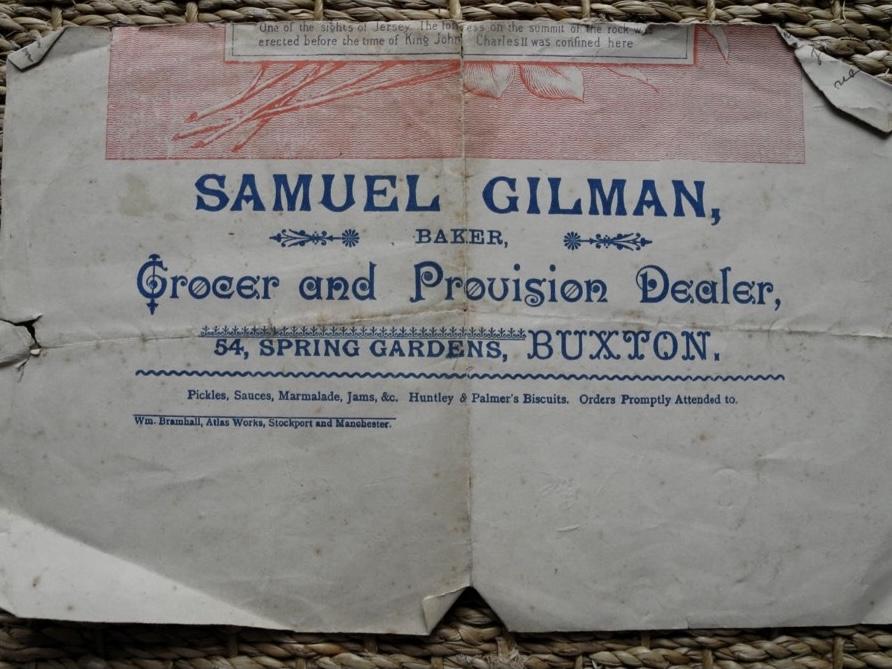
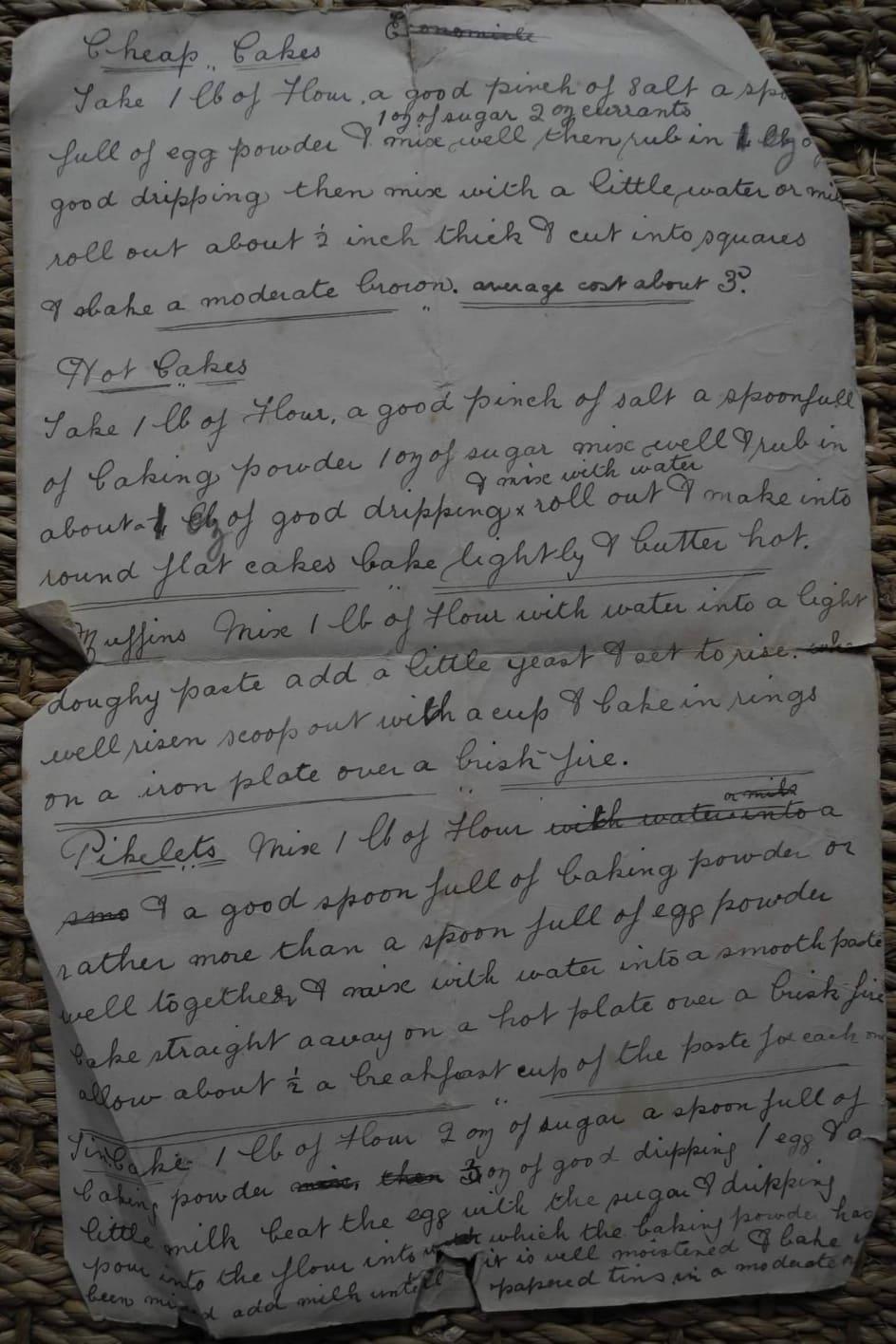
          Mary Ann Gilman Purdy Marshalls recipes written on the back of the Gilmans Grocers paper:

          recipes

          #6219
          TracyTracy
          Participant

            The following stories started with a single question.

            Who was Catherine Housley’s mother?

            But one question leads to another, and another, and so this book will never be finished.  This is the first in a collection of stories of a family history research project, not a complete family history.  There will always be more questions and more searches, and each new find presents more questions.

            A list of names and dates is only moderately interesting, and doesn’t mean much unless you get to know the characters along the way.   For example, a cousin on my fathers side has already done a great deal of thorough and accurate family research. I copied one branch of the family onto my tree, going back to the 1500’s, but lost interest in it after about an hour or so, because I didn’t feel I knew any of the individuals.

            Parish registers, the census every ten years, birth, death and marriage certificates can tell you so much, but they can’t tell you why.  They don’t tell you why parents chose the names they did for their children, or why they moved, or why they married in another town.  They don’t tell you why a person lived in another household, or for how long. The census every ten years doesn’t tell you what people were doing in the intervening years, and in the case of the UK and the hundred year privacy rule, we can’t even use those for the past century.  The first census was in 1831 in England, prior to that all we have are parish registers. An astonishing amount of them have survived and have been transcribed and are one way or another available to see, both transcriptions and microfiche images.  Not all of them survived, however. Sometimes the writing has faded to white, sometimes pages are missing, and in some case the entire register is lost or damaged.

            Sometimes if you are lucky, you may find mention of an ancestor in an obscure little local history book or a journal or diary.  Wills, court cases, and newspaper archives often provide interesting information. Town memories and history groups on social media are another excellent source of information, from old photographs of the area, old maps, local history, and of course, distantly related relatives still living in the area.  Local history societies can be useful, and some if not all are very helpful.

            If you’re very lucky indeed, you might find a distant relative in another country whose grandparents saved and transcribed bundles of old letters found in the attic, from the family in England to the brother who emigrated, written in the 1800s.  More on this later, as it merits its own chapter as the most exciting find so far.

            The social history of the time and place is important and provides many clues as to why people moved and why the family professions and occupations changed over generations.  The Enclosures Act and the Industrial Revolution in England created difficulties for rural farmers, factories replaced cottage industries, and the sons of land owning farmers became shop keepers and miners in the local towns.  For the most part (at least in my own research) people didn’t move around much unless there was a reason.  There are no reasons mentioned in the various registers, records and documents, but with a little reading of social history you can sometimes make a good guess.  Samuel Housley, for example, a plumber, probably moved from rural Derbyshire to urban Wolverhampton, when there was a big project to install indoor plumbing to areas of the city in the early 1800s.  Derbyshire nailmakers were offered a job and a house if they moved to Wolverhampton a generation earlier.

            Occasionally a couple would marry in another parish, although usually they married in their own. Again, there was often a reason.  William Housley and Ellen Carrington married in Ashbourne, not in Smalley.  In this case, William’s first wife was Mary Carrington, Ellen’s sister.  It was not uncommon for a man to marry a deceased wife’s sister, but it wasn’t strictly speaking legal.  This caused some problems later when William died, as the children of the first wife contested the will, on the grounds of the second marriage being illegal.

            Needless to say, there are always questions remaining, and often a fresh pair of eyes can help find a vital piece of information that has escaped you.  In one case, I’d been looking for the death of a widow, Mary Anne Gilman, and had failed to notice that she remarried at a late age. Her death was easy to find, once I searched for it with her second husbands name.

            This brings me to the topic of maternal family lines. One tends to think of their lineage with the focus on paternal surnames, but very quickly the number of surnames increases, and all of the maternal lines are directly related as much as the paternal name.  This is of course obvious, if you start from the beginning with yourself and work back.  In other words, there is not much point in simply looking for your fathers name hundreds of years ago because there are hundreds of other names that are equally your own family ancestors. And in my case, although not intentionally, I’ve investigated far more maternal lines than paternal.

            This book, which I hope will be the first of several, will concentrate on my mothers family: The story so far that started with the portrait of Catherine Housley’s mother.
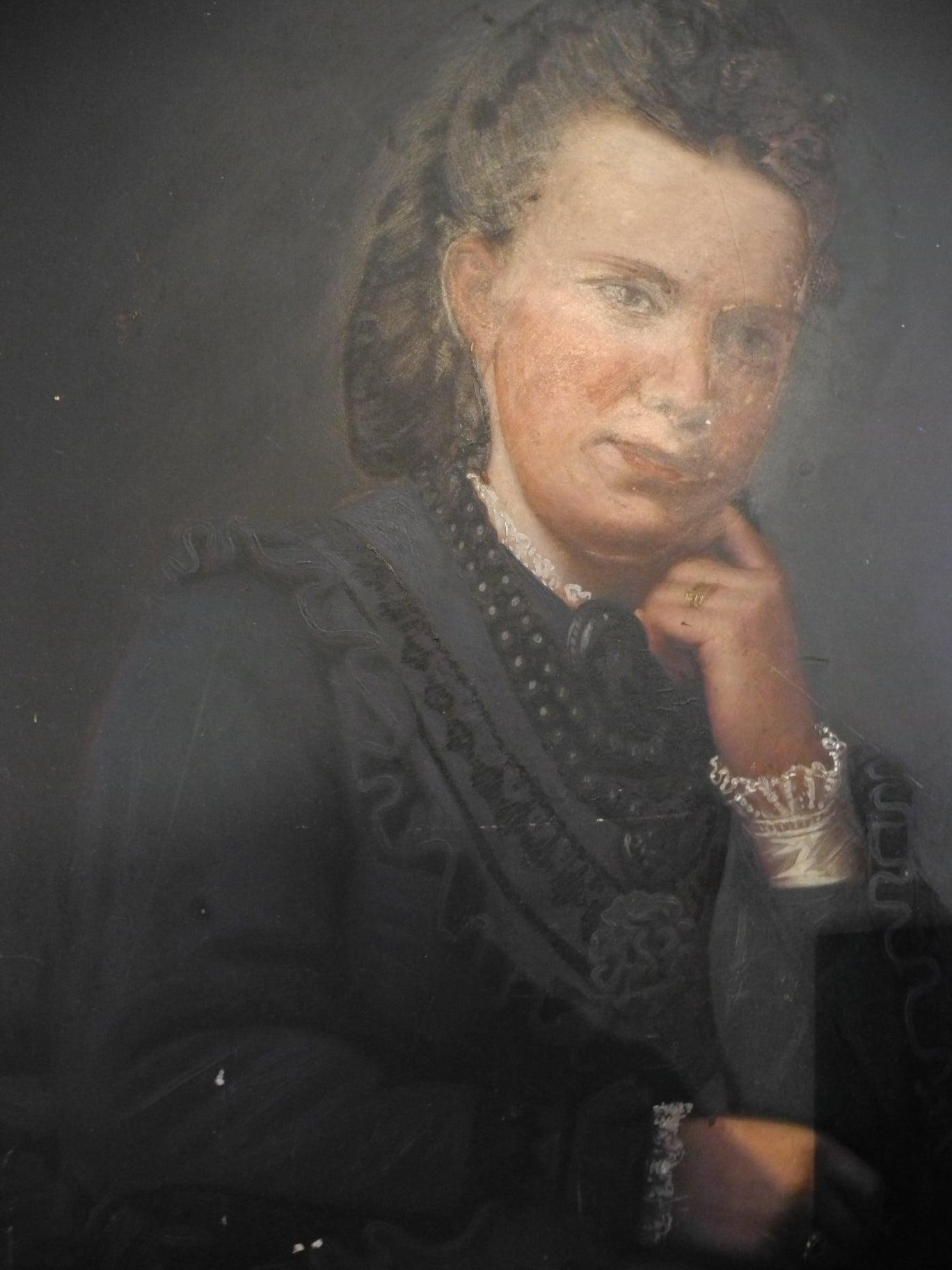
            Elizabeth Brookes


            This painting, now in my mothers house, used to hang over the piano in the home of her grandparents.   It says on the back “Catherine Housley’s mother, Smalley”.

            The portrait of Catherine Housley’s mother can be seen above the piano. Back row Ronald Marshall, my grandfathers brother, William Marshall, my great grandfather, Mary Ann Gilman Purdy Marshall in the middle, my great grandmother, with her daughters Dorothy on the left and Phyllis on the right, at the Marshall’s house on Love Lane in Stourbridge.
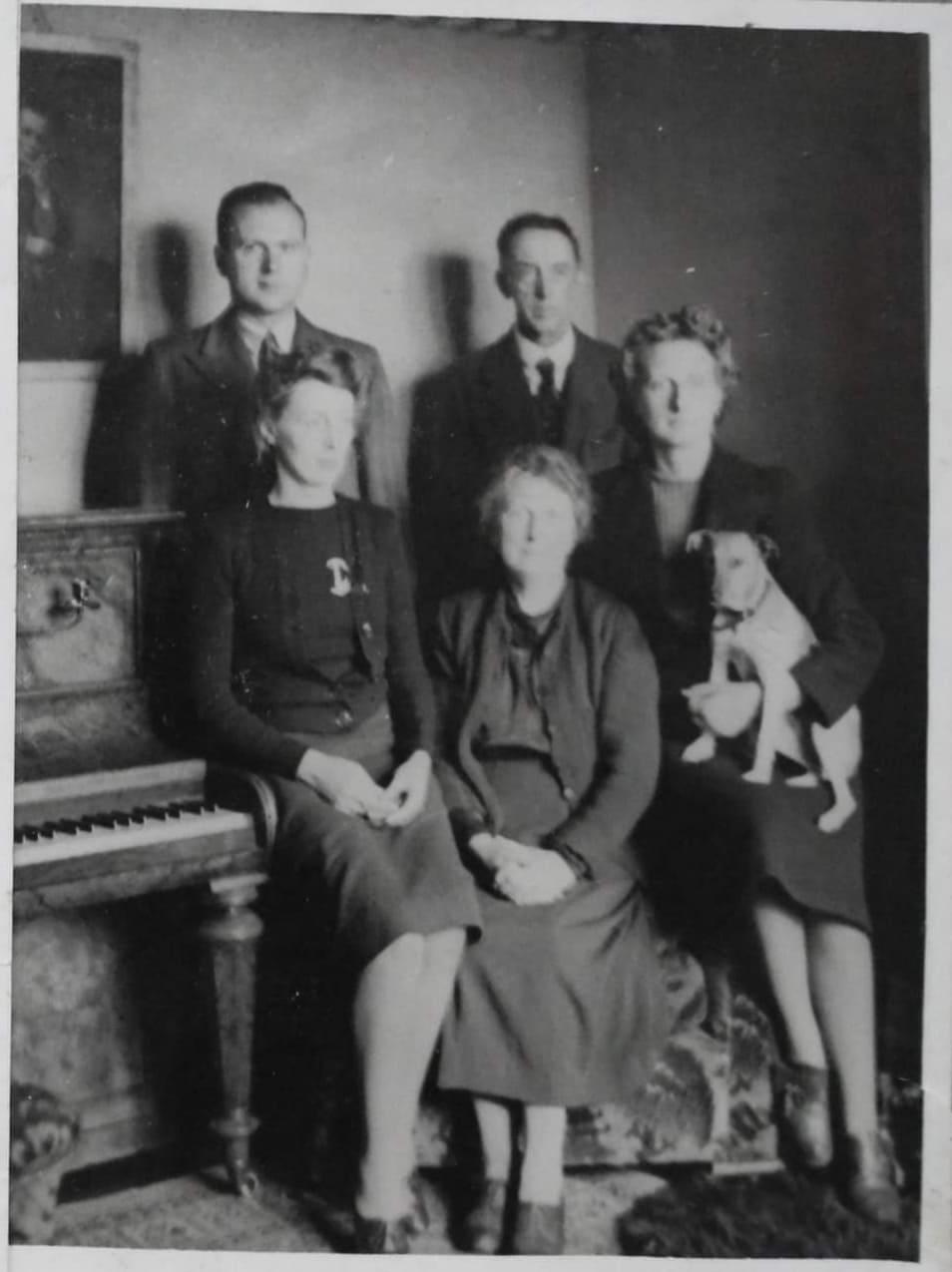
            Marshalls


            The Search for Samuel Housley

            As soon as the search for Catherine Housley’s mother was resolved, achieved by ordering a paper copy of her birth certificate, the search for Catherine Housley’s father commenced. We know he was born in Smalley in 1816, son of William Housley and Ellen Carrington, and that he married Elizabeth Brookes in Wolverhampton in 1844. He was a plumber and glazier. His three daughters born between 1845 and 1849 were born in Smalley. Elizabeth died in 1849 of consumption, but Samuel didn’t register her death. A 20 year old neighbour called Aaron Wadkinson did.
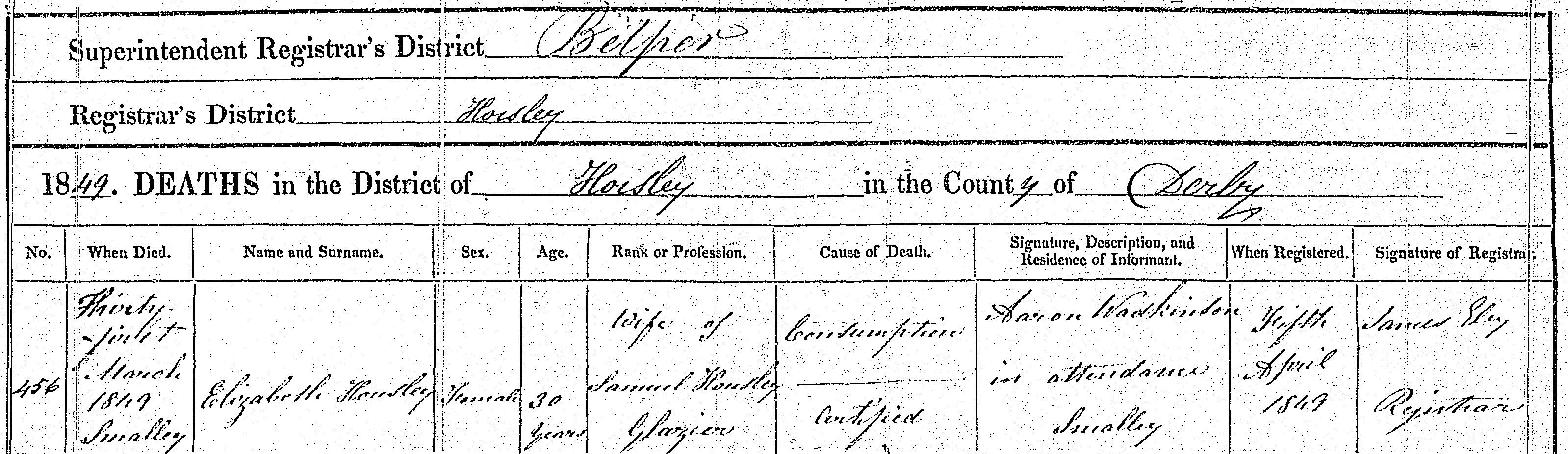
            Elizabeth death


            Where was Samuel?

            On the 1851 census, two of Samuel’s daughters were listed as inmates in the Belper Workhouse, and the third, 2 year old Catherine, was listed as living with John Benniston and his family in nearby Heanor.  Benniston was a framework knitter.

            Where was Samuel?

            A long search through the microfiche workhouse registers provided an answer. The reason for Elizabeth and Mary Anne’s admission in June 1850 was given as “father in prison”. In May 1850, Samuel Housley was sentenced to one month hard labour at Derby Gaol for failing to maintain his three children. What happened to those little girls in the year after their mothers death, before their father was sentenced, and they entered the workhouse? Where did Catherine go, a six week old baby? We have yet to find out.
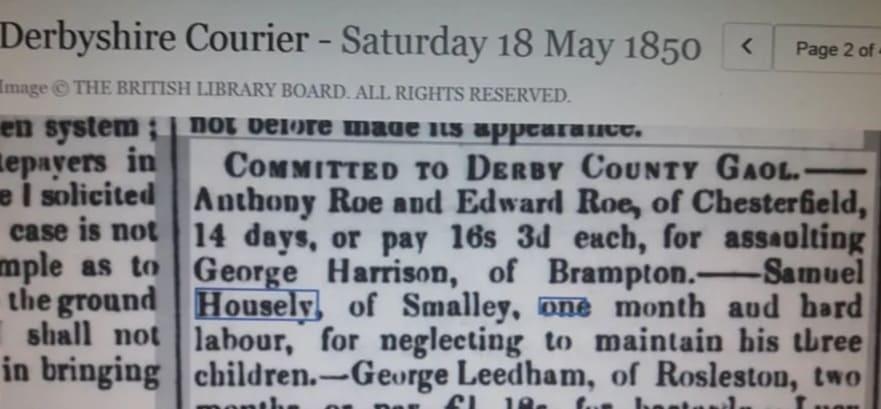
            Samuel Housley 1850


            And where was Samuel Housley in 1851? He hasn’t appeared on any census.

            According to the Belper workhouse registers, Mary Anne was discharged on trial as a servant February 1860. She was readmitted a month later in March 1860, the reason given: unwell.

            Belper Workhouse:
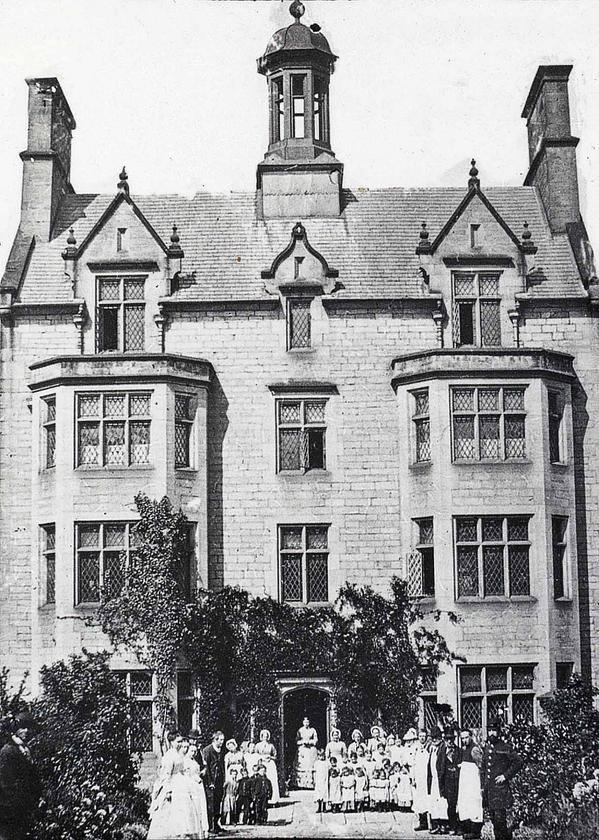
            Belper Workhouse

            Eventually, Mary Anne and Elizabeth were discharged, in April 1860, with an aunt and uncle. The workhouse register doesn’t name the aunt and uncle. One can only wonder why it took them so long.
            On the 1861 census, Elizabeth, 16 years old, is a servant in St Peters, Derby, and Mary Anne, 15 years old, is a servant in St Werburghs, Derby.

            But where was Samuel?

            After some considerable searching, we found him, despite a mistranscription of his name, on the 1861 census, living as a lodger and plumber in Darlaston, Walsall.
            Eventually we found him on a 1871 census living as a lodger at the George and Dragon in Henley in Arden. The age is not exactly right, but close enough, he is listed as an unmarried painter, also close enough, and his birth is listed as Kidsley, Derbyshire. He was born at Kidsley Grange Farm. We can assume that he was probably alive in 1872, the year his mother died, and the following year, 1873, during the Kerry vs Housley court case.
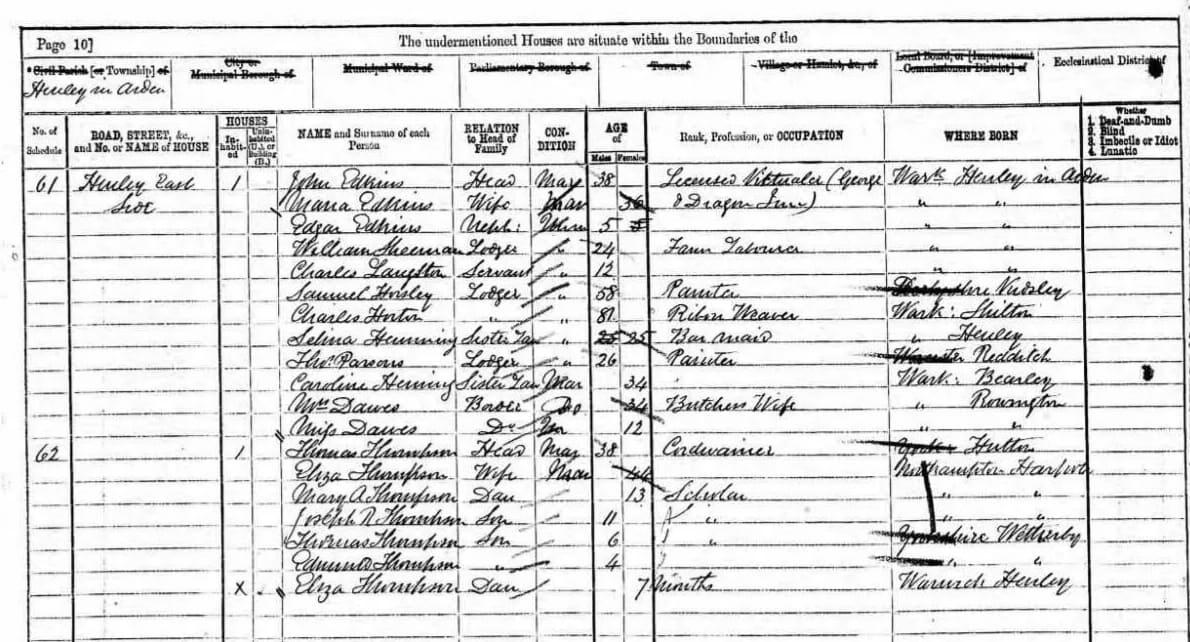
            Samuel Housley 1871


            I found some living Housley descendants in USA. Samuel Housley’s brother George emigrated there in 1851. The Housley’s in USA found letters in the attic, from the family in Smalley ~ written between 1851 and 1870s. They sent me a “Narrative on the Letters” with many letter excerpts.

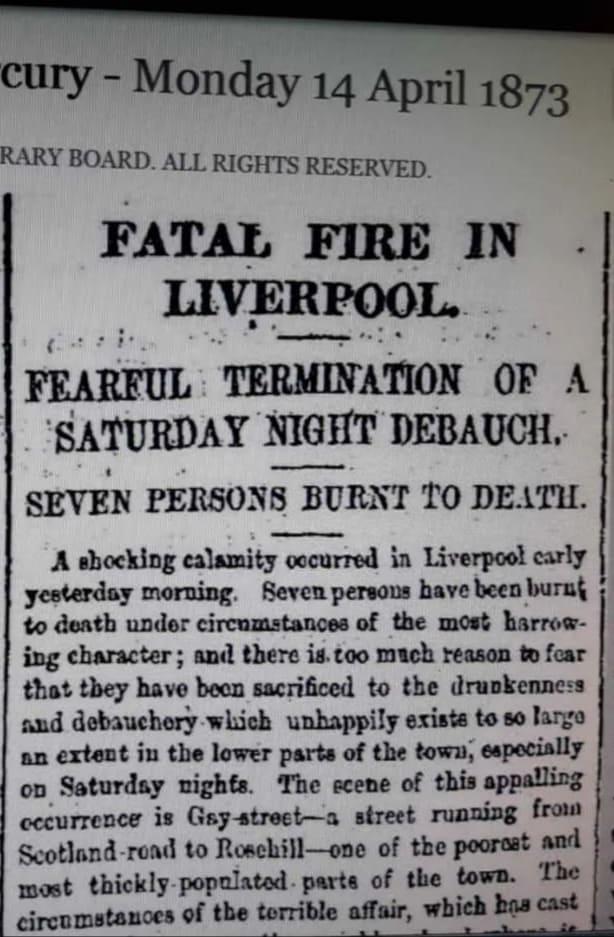
            The Housley family were embroiled in a complicated will and court case in the early 1870s. In December 15, 1872, Joseph (Samuel’s brother) wrote to George:

            “I think we have now found all out now that is concerned in the matter for there was only Sam that we did not know his whereabouts but I was informed a week ago that he is dead–died about three years ago in Birmingham Union. Poor Sam. He ought to have come to a better end than that….His daughter and her husband went to Birmingham and also to Sutton Coldfield that is where he married his wife from and found out his wife’s brother. It appears he has been there and at Birmingham ever since he went away but ever fond of drink.”

            No record of Samuel Housley’s death can be found for the Birmingham Union in 1869 or thereabouts.

            But if he was alive in 1871 in Henley In Arden…..
            Did Samuel tell his wife’s brother to tell them he was dead? Or did the brothers say he was dead so they could have his share?

            We still haven’t found a death for Samuel Housley.


            #6187
            TracyTracy
            Participant

              Aunt Idle:

              You can’t blame me for not updating my diary because bugger all has happened all year.  Borders closed, no tourists allowed in.  How are bespoke bijou boutique establishments like ours supposed to survive?  But we’re still here. Somehow we’ve managed to keep the wolf from the door, but only just barely.  I get a bit muddled up these days and can’t remember the dates. Sometimes I find myself living in the past for weeks on end: things change so little around her that it’s easy to do. But what does it matter anyway?

              Mater went into a sulk the likes of which I hope never to see again, when her 100th birthday party was cancelled. I thought she might give up the will to live, but oh no. She’s determined now to have a 110th birthday party now.  She says the bloody pandemic ought to be over by then.  I hope she’s right. She changes her health food and exercise regimes as often as she changes her knickers. Well more often than that, probably, she doesn’t bother much with personal hygiene.  She says the germs keep her immune system in good shape.  I think the smell of her would keep any plague ridden body well away from her, but whatever works, I always say.  At least she isn’t sulking anymore, she’s grimly stoic now and tediously determined to outlive me.

              I had some worrying news through the telepathic grapevine about the twins and Pan, they’d gotten into the clutches of a strange cult over there.  I’ve got a feeling they weren’t really sucked into it though, I think they needed to use it as a cover, or to keep themselves safe.  I say cult but it was huge, took over the entire country and even started spreading to other countries. As if the pandemic wasn’t enough to deal with.  I knew they shouldn’t have gone there.  There’s been a peculiar blockage with the telepathic messages for ages now.  It’s a worry, but what can I do.   I keep sending them messages, but get nothing in return.

              Ah, well. We carry on as best we can. What I wouldn’t give for an unexpected visitor to brighten things up a bit. Fat chance of that.

              #6183

              Nora commented favourably on the view, relieved to have been given a clue about what she was supposed to have noticed.  It was a splendid panorama, and Will seemed pleased with her response.  She asked if it was possible to see the old smugglers path from their vantage point, and he pointed to a dirt road in the valley below that disappeared from view behind a stand of eucalyptus trees.  Will indicated a tiny white speck of an old farm ruin, and said the smugglers path went over the hill behind it.

              Shading her eyes from the sun, Nora peered into the distance beyond the hill, wondering how far it was to Clara’s grandfathers house. Of course she knew it was 25 kilometers or so, but wasn’t sure how many hills behind that one, or if the path veered off at some point in another direction.

              Wondering where Clara was reminded Nora that her friend would be waiting for her, and quite possibly worrying that she hadn’t yet arrived.  She sighed, making her mind up to leave first thing the next morning.  She didn’t mention this to Will though, and wondered briefly why she hesitated.  Something about the violent sweep of his arm when she asked about her phone had made her uneasy, such a contrast to his usual easy going grins.

              Then she reminded herself that she had only just met him, and barely knew anything about him at all, despite all the stories they’d shared.  When she thought about it, none of the stories had given her any information ~ they had mostly been anecdotes that had a similarity to her own, and although pleasant, were inconsequential.  And she kept forgetting to ask him about all the statues at his place.

              Wishing she could at least send a text message to Clara, Nora remembered the remote viewing practice they’d done together over the years, and realized she could at least attempt a telepathic communication. Then later, if Clara gave her a hard time about not staying in contact, she could always act surprised and say, Why, didn’t you get the message?

              She found a flat stone to sit on, and focused on the smugglers path below. Then she closed her eyes and said clearly in her mind, “I’ll be there tomorrow evening, Clara. All is well. I am safe.”

              She opened her eyes and saw that Will had started to head back down the path.  “Come on!” he called, “Time for lunch!”

              #6178

              Nora woke to the sun streaming  in the little dormer window in the attic bedroom. She stretched under the feather quilt and her feet encountered the cool air, an intoxicating contrast to the snug warmth of the bed. She couldn’t remember the last time she’d slept so well and was reluctant to awaken fully and confront the day. She felt peaceful and rested, and oddly, at home.

              Unfortunately that thought roused her to sit and frown, and look around the room.  The dust was dancing in the sunbeams and rivulets of condensation trickled down the window panes.   A small statue of an owl was silhouetted on the sill, and a pitcher of dried herbs or flowers, strands of spider webs sparkled like silver thread between the desiccated buds.

              An old whicker chair in the corner was piled with folded blankets and bed linens, and the bookshelf behind it  ~ Nora threw back the covers and padded over to the books. Why were they all facing the wall?   The spines were at the back, with just the pages showing. Intrigued, Nora extracted a book to see what it was, just as a gentle knock sounded on the door.

              Yes? she said, turning, placing the book on top of the pile of bedclothes on the chair, her thoughts now on the events of the previous night.

              “I expect you’re ready for some coffee!” Will called brightly. Nora opened the door, smiling. What a nice man he was, making her so welcome, and such a pleasant evening they’d spent, drinking sweet home made wine and sharing stories.  It had been late, very late, when he’d shown her to her room.  Nora has been tempted to invite him in with her (very tempted if the truth be known) and wasn’t quite sure why she hadn’t.

              “I slept so well!” she said, thanking him as he handed her the mug.  “It looks like a lovely day today,” she added brightly, and then frowned a little. She didn’t really want to leave.  She was supposed to continue her journey, of course she knew that.  But she really wanted to stay a little bit longer.

              “I’ve got a surprise planned for lunch,” he said, “and something I’d like to show you this morning.  No rush!”  he added with a twinkly smile.

              Nora beamed at him and promptly ditched any thoughts of continuing her trip today.

              “No rush” she repeated softly.

              #6177

              “Grandpa, I can’t get hold of Nora. I keep getting her answer phone.” Clara flicked back through her texts. “Last time she messaged me was to ask if I knew anyone in the Village she could stay with. And I never got back with the details like I was supposed to … I got distracted by Van Gogh going missing and everything … ” She screwed up her face. “Also I couldn’t recall the man’s name.”

              “I’m sure she’ll be fine,” said Bob soothingly, reaching out to pat Clara’s hand.  “She always were a bit unreliable that one, weren’t she?”

              Clara looked like she was about to burst into tears. “Grandpa, I’m such an idiot! What if something bad has happened to her?

              #6171

              Nora was relieved when  the man with the donkey knew her name and was expecting her.  She assumed that Clara had made contact with him, but when she mentioned her friend, he shook his head with a puzzled frown. I don’t know anyone called Clara, he said.  Here, get yourself up on Manolete, it’ll be easier if you ride.  We’ll be home in half an hour.

              The gentle rhythmic rocking astride the donkey soothed her as she relaxed and observed her surroundings. The woods had opened out into a wide path beside an orchard. Nora felt the innocuous hospitability of the orchard in comparison to the unpredictability of the woods, although she felt that idea would require further consideration at a later date.  One never knew how much influence films and stories and the like had on one’s ideas, likely substantial, Nora thought ~ another consideration not lost on Nora was the feeling of safety she had now that she wasn’t alone, and that she was with someone who clearly knew where he was going.

              Notwithstanding simultaneous time, Nora wondered which came first ~ the orchard, the man with the donkey, or the feeling of safety and hospitability itself?

              It was me, said the man leading the donkey, turning round with a smile. I came first. Remember?

              #6162

              When Clara remembered who it was she knew in that little village, she realized she didn’t know how to contact him. She didn’t even know his name;  he made gargoyles and stone heads and statues, that was all she knew, and all the strange rumours and stories surrounding some of those statues, quite a local legend in a way. But what was his name?  He had a white donkey….

              Clara assured Nora that her friend was expecting her, keeping her fingers crossed that she would be able to find out who it was, contact him and ask for his assistance, before Nora arrived there.  It was a long shot, admittedly.

              By nightfall, Clara had not made contact, and was forced to rely on a miracle; or even to wash her hands of the whole thing: it was Noras’s trip after all.

              #6161

              Dispersee sat on a fallen tree trunk, lost in thought. A long walk in the woods had seemed just the ticket……

              Nora wasn’t surprised to encounter a fallen tree trunk no more than 22 seconds after the random thought wafted through her mind ~ if thought was was the word for it ~ about Dispersee sitting on a fallen tree trunk.  Nora sat on the tree trunk ~ of course she had to sit on it; how could she not ~  simultaneously stretching her aching back and wondering who Dispersee might be.  Was it a Roman name?  Something to do with the garum on the shopping receipt?

              Nora knew she wasn’t going to get to the little village before night fall. Her attempts to consult the map failed. It was like a black hole.  No signal, no connection, just a blank screen.  She looked up at the sky.  The lowering dark clouds were turning orange and red as the sun went down behind the mountains, etching the tree skeletons in charcoal black in the middle distance.

              In a sudden flash of wordless alarm, Nora realized she was going to be out alone in the woods at night and wild boars are nocturnal and a long challenging walk in broad daylight was one thing but alone at night in the woods with the wild boars was quite another, and in a very short time indeed had worked herself up into a state approaching panic, and then had another flash of alarm when she realized she felt she would swoon in any moment and fall off the fallen trunk. The pounding of her, by then racing, heartbeats was yet further cause for alarm, and as is often the case, the combination of factors was sufficiently noteworthy to initiate a thankfully innate ability to re establish a calm lucidity, and pragmatic attention to soothe the beating physical heart as a matter of priority.

              It was at the blessed moment of restored equilibrium and curiosity (and the dissipation of the alarm and associated malfunctions) that the man appeared with the white donkey.

              #6156

              Clara couldn’t sleep. Alienor’s message asking if she knew anyone in the little village was playing on her mind. She knew she knew someone there, but couldn’t remember who it was. The more she tried to remember, the more frustrated she became. It wasn’t that her mind was blank: it was a tense conglomeration of out of focus wisps, if a wisp could be described as tense.

              Clara glanced at the time ~ almost half past three. Grandpa would be up in a few hours.  She climbed out of bed and padded over to her suitcase, half unpacked on the floor under the window, and extracted the book from the jumble of garments.

              A stranger had handed her a book in the petrol station forecourt, a woman in a stylish black hat and a long coat.  Wait! What is it? Clara called, but the woman was already inside the back seat of a long sleek car, soundlessly closing the door. Obliged to attend to her transaction, the car slipped away behind Clara’s back.  Thank you, she whispered into the distance of the dark night in the direction the woman had gone.  When she opened her car door, the interior light shone on the book and the word Albina caught her eye. She put the book on the passenger seat and started the car. Her thoughts returned to her journey, and she thought no more about it.

              Returning to her bed and propping her pillows up behind her head, Clara started to read.

              This Chrysoprase was a real gargoyle; he even did not need to be described. I just could not understand how he moved if he was made of stone, not to mention how he was able to speak. He was like the Stone Guest from the story Don Juan, though the Stone Guest was a giant statue, and Chrysoprase was only about a meter tall.

              Chrysoprase said: But we want to pay you honor and Gerard is very hungry.

              “Most important is wine, don’t forget wine!” – Gerard jumped up.

              “I’ll call the kitchen” – here the creature named Chrysoprase gets from the depth of his pocket an Iphone and calls.
              I was absolutely shocked. The Iphone! The latest model! It was not just the latest model, it was a model of the future, which was in the hands of this creature. I said that he was made of stone, no, now he was made of flesh and he was already dressed in wide striped trousers. What is going on? Is it a dream? Only in dreams such metamorphosis can happen.

              He was made of stone, now he is made of flesh. He was in his natural form, that is, he was not dressed, and now he is wearing designer’s trousers. A phrase came to my mind: “Everything was in confusion in the Oblonsky house.”

              Contrary to Clara’s expectations ~ reading in bed invariably sent her to sleep after a few paragraphs ~ she found she was wide awake and sitting bolt upright.

              Of course! Now she remembered who lived in that little village!

              #6155

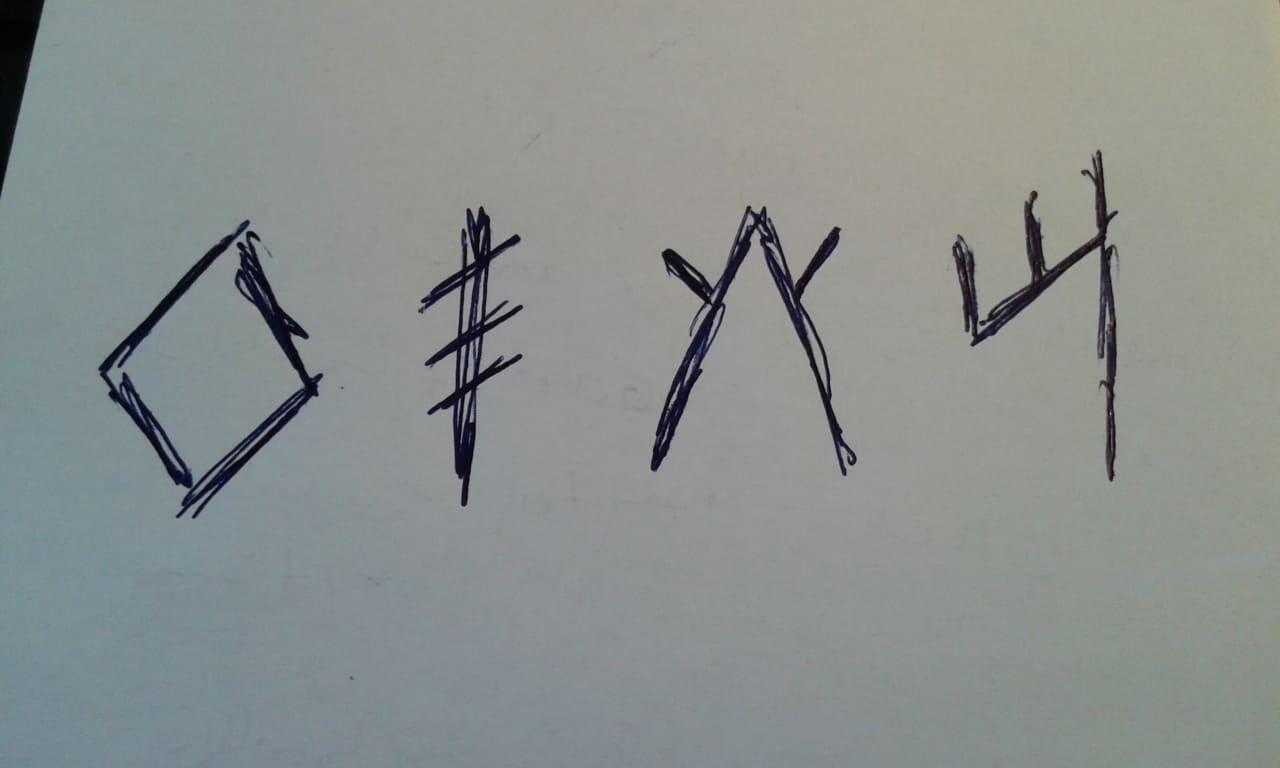
              Damn these municipal restrictions! Frustrated, Nora looked again at the photo of the inscriptions on the mysterious pear shaped box that Clara had found.  She picked up a pen and copied the symbols onto a piece of paper. Glancing back over the message her friend had sent, her face softened at Clara’s pet name for her, Alienor.  Clara had started called her that years ago, when she found out about the ouija board incident and the aliens Nora had been talking to.  Was it really an alien, or….? Clara had asked, and Nora had laughed and said Of course it was an alien or! and the name had stuck.

              Nora’s mood had changed with the reminiscence, and she had an idea. She was working from home, but all that really meant was that she had to have internet access. Nobody would have to know which home she was working from, if she could just make it past the town barriers.  But she didn’t have to go by road: the barriers were only on the roads.  There was nothing stopping her walking cross country.

              Putting aside the paper with the symbols on, she perused a map.  She had to cross three town boundaries, and by road it was quite a distance. But as the crow flies, not that far.  And if she took the old smugglers track, it was surprisingly direct.  Nora calculated the distance: forty nine kilometers.  Frowning, she wondered if she could walk that distance in a single day and thought it unlikely.   Three days more like, but maybe she could do it in two, at a push.  That would mean one overnight stay somewhere. What a pity it was so cold!  It would mean carrying a warm sleeping bag, and she hated carrying things.

              Nora looked at the map again, and found the halfway point: it was a tiny hamlet. A perfect place to spend the night. If only she knew someone who lived there, somebody who wouldn’t object to her breaking the restrictions.

              Nora yawned. It was late. She would finalize the plan tomorrow, but first she sent a message to Clara, asking her if she knew anyone in the little village.

              #6144

              “You know, April … I’ve never felt myself suited to work. Never found my …” June screwed up her face in concentration. “… special calling.”

              “Can’t we sit down over there for a minute? My feet are bloody killing me.” April nodded towards a park bench; she didn’t have much patience today for June and her philosophising, after all, wasn’t it June’s fault they were in this mess? “It’s too bad we can’t even afford the bus fare,” she grumbled as she settled herself on the wooden seat.

              “Not too much further,” said June plonking down next to her.

              April bent down to take off her socks and sneakers and massaged her grateful feet in the damp grass. “Think I’ve got a blister. And I’d kill for a cuppa tea. I do hope Finnley has kept on top of things.”

              June snorted. “Not bloody likely. Anyway, while we’ve been walking I’ve been thinking … what if we sue?”

              April yawned noisily without bothering to put a hand over her mouth—she knew June hated that. “Who is Sue? Does she have money?”

              “No, you idiot, not, who Sue. I mean what if we sue for money? Sue the president for wrongdoings which have been done to us.”

              “Oh!” April perked up. “There’s certainly been plenty of wrongdoings!”

              June smiled smugly. “Exactly.”

              #6142

              Everyone seems happy about the rain, and I don’t blame them. I’m not daft, I know we need rain but it’s not so easy when you don’t have a home.  But I am nothing if not stalwart and stoic, resourceful and adaptable, and I found a good way to keep warm and dry during the downpours.  It’s amazing how much heat an animal gives off, so I camp down in stables or kennels when it’s cold and wet.  It can get a bit smelly, but it’s warm and dry and when my clothes are damp and stinking I just throw them all away and get some new ones out of the recycling bins. Just to clarify, I find the new clothes first before throwing the ones I’m wearing away. I’m not daft, I know walking around naked would catch attention and I try to stay under the radar. Nobody really notices smelly old ladies wandering around these days anyway, but naked would be another matter.

              There’s a stable I really like just outside of town, lots of nice deep clean straw. There’s a white horse in there that knows me now and the gentle whicker of recognition when she sees me warms my heart. I don’t stay there any two nights running though.  One thing I’ve learned is don’t do anything too regular, keep it random and varied.  I don’t want anyone plotting my movements and interfering with me in any way.

              There’s not much to do in a stable when it rains for days and nights on end but remember things, so I may as well write them down. I’m never quite sure if the things I remember are my memories or someone elses, a past life of my own perhaps, or another person entirely.  I used to worry a bit about that, but not anymore. Nobody cares and there’s nobody to flag my memories as false, and if there was, I wouldn’t care if they did.

              Anyway, the other day while I was nestled in a pile of sweet hay listening to the thunder, I recalled that day when someone offered me a fortune for that old mirror I’d bought at the flea market. I know I hadn’t paid much for it, because I never did pay much for anything. Never have done.  I bought it because it was unusual (hideous is what everyone said about it, but people have got very strangely ordinary taste, I’ve found) and because it was cheap enough that I could buy it without over thinking the whole thing.  At the end of the day you can’t beat the magic of spontaneity, it out performs long winded assessment every time.

              So this man was a friend of a friend who happened to visit and made me an offer I couldn’t refuse so of course I sold the mirror to him. He was so delighted about it that I’d have given him the mirror for nothing if I knew he wanted it that much, but I’m not daft, I took the money.  I found out later that he’d won the lottery, so I never felt guilty about it.

              Well, after he’d gone I sat there looking at this pile of money in my hands and knew exactly what I was going to do. But first I had to find them.  They’d moved again and we’d lost contact but I knew I’d find a way. And I did.  They’d given up all hope of ever getting that money back that I’d borrowed, but they said the timing was perfect, couldn’t have been better, they said. It wouldn’t have meant all that much to them if I’d paid it back right away, they said, because they didn’t need it then as much as they did when they finally got it back.

              They were strange times back then, and one thing after another was happening all over the world, what with the strange weather, and all the pandemics and refugees.  Hard to keep food on the table, let alone make plans or pay debts back.  But debt is a funny thing. I felt stung when I realized they didn’t think I intended to pay them back but the fact was, I couldn’t do it at the time. And I wanted it to be a magical perfect timing surprise when I did.  I suppose in a way I wanted it to be like it was when they loaned me the money. I remember I wept at the kindness of it.  Well I didn’t want them to weep necessarily, but I wanted it to mean something wonderful, somehow.  And timing is everything and you can’t plan that kind of thing, not really.

              It was a happy ending in the end though, I gave them the whole amount I got for that old mirror, which was considerably more than the loan.

              The rain has stopped now and the sun is shining. My damp clothes are steaming and probably much smellier than I think. Time to find a recycling bin and a fresh new look.

              #6128

              In reply to: Tart Wreck Repackage

              “Never again,” said Tara, pouring her second black coffee.  “I’m done with these hangovers. You’ll have to find someone else to drink with from now on.”

              “You say that every week, Tara.  What are we going to do next? We’re floundering. We don’t even have a plan. Everything we do takes us further away from the case. I don’t even remember what the case is!”

              “Here, have some more coffee.  Don’t roll your eyes at me like that, cases are always like this, they always go through this phase.”  Tara wasn’t in the mood for this kind of depressing talk, it was much too complicated. Surely it was simply a matter of drinking another coffee, until everything fell back into place.

              “Cases do, do they?” Star asked, “Do they really? And what phase would that be, and how would you know?”

              “Snarky tart, yes they do. I’ve been researching things you know, not just swanning around.  We’ve reached the part of the case where nothing makes sense and the investigators don’t know what to do next. It’s an essential part of the process, everyone knows that.  The important thing is not to try and work things out too early. The danger is preconceived ideas, you see,” Tara pontificated, warming to the theme.

              “I can assure you that I have no preconceived ideas because I have no clue what’s going to happen next,” replied Star, trying not to roll her eyes too obviously.  She knew from experience not to provoke Tara too much until at least the third cup of coffee.

              “Precisely!” Tara said triumphantly. “Now it will all start to come together and make sense. ”

              Star didn’t look convinced.  “What are we going to do about the middle aged lady we locked in the wardrobe last night, though?”

              “What did we do that for?!” asked Tara in astonishment.

              “I can’t remember.  Maybe we thought it was Aunt April?”

              “Wait, if Aunt April isn’t in the wardrobe, then where is she?”

              “That’s what I”m saying!” cried Star in exasperation. “What do we do next?”

              #6104

              In reply to: Tart Wreck Repackage

              Rosamund pressed her ear to the wardrobe door and listened.  Nothing.  She tapped gently. No response.  “Is there anyone in there?” she whispered.  She rapped on the door, harder this time. “Are you hungry?” she said loudly.  “Got a pizza ordered, you want one?”

              “Yes please,” came the muffled reply. “Ham and pineapple.”

              Rosamund reeled backwards.

              “Pineapple!”  Romamund was aghast. “Not on pizza!”

              “OK cheese and tomato then, just let me out! I’m desperate for a pee!” the voice was wheedling, and oddly familiar.

              “Promise no pineapple?”

              “For god’s sake woman, let me out! I promise!”

              Rosamund turned the key and quickly stepped back a few paces, grabbing the broom as a weapon. People trapped in wardrobes could be aggressive, she knew that much.

              The wardrobe rocked dangerously as a bulky shape emerged, swathed in mink.

              “Aunty April!” Rosamund gasped. “What are you doing in there!”

              April shook the moth eaten fur off her shoulders and smoothed the tangled hair back from her brow.  “I might ask you the same question, young lady!  Wait til your mother hears about this!  But first, point me in the direction of the rest rooms!”

              “Over there, ” Rosamund said weakly.  “I’ll order your pizza.”

              #6087

              In reply to: Tart Wreck Repackage

              “I knew it!” Tara had gone to investigate early, disguised as an elderly jogger in a velvet teal jogging. “Seemed clear enough that that retirement home was a front…”

              Later when she came back to the office, she was quizzed by Star, who was still yawning despite the bright sunlight.

              “So tell me, a front for what?”

              “Can’t you guess?” Tara said, removing her false teeth.

              “Nooo?” her hand flew at Star’s mouth and incredulous face.

              “Yes, hmm-hmm; you guessed right: a time travel agency.”

              “Oh dangit, they stole my idea! After all the virus pandemic thing, they sure know how to surf the crisis to make a buck. The buying carrots alibi traffic, and now that!”

              “Yep, guess that people unable to go anywhere for holidays make up for a good clientele. You can imagine the slogans: Celerity: Why go anywhere? When we can send you anywhen! “

              “And a convenient way of disposing of nosy people too. I hope they didn’t send Uncle Basil to the Dinosaurs, can’t imagine the stench of those Time sewers.”

              “Oh no, don’t think he was affluent enough, you see. Apparently you pay by the time meter. The further in time, the pricier. And I guess the surest way to dispose of someone would be in the past rather than in the future…”

              “So Uncle Basil is in the past!”

              “Exactly.”

              “Well, I could have told you that from the start. No wonder Mr French paid us in advance then, he already knew we’d crack that case. Our first case’s closed, dear! If Mr French ever wakes up and calls, we’ll just redirect him to our Time Dragglers friends in Marseille for their ‘relative lost in time’ retrieval package. Now, anyone for mojitos?”

              #6086

              In reply to: Tart Wreck Repackage

              “A dil-do factory?” She was aghast. “A fucking carrot dildo factory?”

              “Admit it, we’re rubbish at this” Tara said. “Even Rosamund may be better at this than us.”

              “Oh don’t push it.” Star lit a large cigar, a nasty habit that cropped up when she was nervous. She blew a smoke ring and sighed. “At least the rogering was a nice change. Good clean sex, almost a spiritual experience.”

              “Oh come now, with all the don’t-need-to-know details…”

              “Well, don’t be such a prude, you were there after all. With all that luscious moaning. Haven’t seen you so flushed in ages…” Star tittered in that high-pitched laughter that could shatter crystal flutes.

              “Wait… a minute.” Tara was having a brainwave. “We may have overlooked something.”

              “What? In the sex department?”

              “Shush, you lascivious banshee… In the flushed department.”

              “What? Don’t speak riddles tart, I can’t handle riddles when my body’s aching from all that gymnastic.”

              “Can’t you see? They got to get rid of the dissident stuff unfit for cultish dildoing, if you catch my drift.”

              “Oh I catch it alright, but I’ve checked the loo… Oh, what? you mean the compost pile?”

              “I’ve seen trucks parked out the back, they where labelled… Organic Lou’s Disposal Services… OLDS… That’s probably how they remove their archives, if you see what I mean.”

              “Alright, alright, we’ll go investigate them tomorrow. Meanwhile, what about Mr French?” Star was puffing on her cigar making a good effort at trying to remember and link the details together.

              “I have a theory. Although it usually would be more in your area of theories.”

              “What? Alien abduction?”

              “No, don’t be ridiculous. I’m talking time travel… Haven’t you noticed the scent of celery when we were at the mansion and the appartment?”

              “A dead give-away for time-travelling shenanigans!”

              “Exactly. And if I’m correct, might well be that it’s Mr French from the future who phoned us, before he returned to his timeline. Probably because he already knows we’re going to crack the case. Before we know.”

              “Oh, that’s nice. Would have been nicer if he’d told us how to solve it instead, if he knew, from the future and all? Are you not sure he’s not from his past instead, like before he got in that dreadful car accident?”

              “Oh well, doesn’t matter does it? And probably won’t any longer once we locate the Uncle Basil in the Drooling Home of Retired Vegetables.”

              #6064

              I’ve been up since god knows what time. Got up for the loo and couldn’t face going back to the awful nightmares.  That girl that came yesterday said she’d been having nightmares, she said it was common now, people having nightmares, what with the quarantine. I think I might have just snorted at the silly girl, but when I woke up last night I wondered if it was true. Or maybe I’m just a suggestible old fool.

              Anyway, I stayed up because lord knows I don’t want to be in a city in America at night, not waking and not dreaming either. I’ve had a feeling for a long time, and much longer than this virus, that it was like a horror movie and it would behoove me not to watch it anymore or I’d be having nightmares.  I didn’t stop watching though, sort of a horrified fascination, like I’d watched this far so why stop now.

              In the dream I was on a dark city street at a bus stop, it was night time and the lights were bright in a shop window on the other side of the sidewalk.  I had a bunch of tickets in my hand all stapled together, but they were indecipherable. I had no idea where I was going or how to get there.  Then I noticed the man that was by my side,  a stranger that seemed to have latched on to me, had stolen all my tickets and replaced them with the rolled up used ticket stubs.  I made him give me back my tickets but then I knew I couldn’t trust him.

              Then I realized I hadn’t finished packing properly and only had a ragged orange towel with bloodstains on it.  So I go back home (I say home but I don’t know what house it was) to pack my bags properly, and find a stack of nice new black towels, and replace the bloody orange one.

              I’m walking around the house, wondering what else I should pack, and one room leads into another, and then another, and then another, in a sort of spiral direction (highly improbable because you’d have ended up back in the same room, in real life) and then I found a lovely room and thought to myself, What a nice room! You’d never have known it was there because it wasn’t on the way to anywhere and didn’t seem to have a function as a room.

              It was familiar and I remembered I’d been there before, in another dream, years ago.  It had lovely furniture in it, big old polished wooden pieces, but not cluttered, the room was white and bright and spacious. Lovely big old bureau on one wall, I remember that piece quite clearly. Not a speck of dust on it and the lovely dark sheen of ancient polished oak.

              Anyway in the dream I didn’t take anything from the room, and probably should have just stayed there but the next thing I know, I’m in a car with my mother and she races off down the fast lane of an empty motorway. I’m thinking, surely she doesn’t know how to take me where I have to go? She seemed so confident, so out of character the way she was driving.

              I got up for the loo and all I kept thinking about was that awful scene in the  city street, which admittedly doesn’t sound that bad. I won’t bother telling the girl about it when she comes to do my breakfast, it loses a little in the telling, I think.

              But the more I think about that lovely room at the end of the spiral of rooms, the more I’m trying to wrack my brains to remember where I’ve seen that room before.  I’ve half a mind to go back there and open that dark oak bureau and see what’s inside.

            Viewing 20 results - 161 through 180 (of 717 total)

            Daily Random Quote

            • Illi was beginning to really appreciate being dead and the freedom it provided to create whatever she wished at a moments notice. She’d enjoyed being a shape shifter while she was alive, often changing into a rather odd cat-like creature which was one of her favourites. She’d had tremendous fun over the years, confounding people with that ... · ID #294 (continued)
              (next in 11h 06min…)

            Recent Replies

            WordCloud says