

Search Results for 'site'
-
AuthorSearch Results
-
January 3, 2026 at 8:09 pm #8025
In reply to: The Hoards of Sanctorum AD26
As soon as Boothroyd had gone, Laddie Bentry, the under gardener, emerged from behind the Dicksonia squarrosa that was planted in a rare French Majolica Onnaing dragon eagle pot. The pot, and in particular the tree fern residing within it, were Laddie’s favourite specimen, reminding him of his homeland far away.
Keeping a cautious eye on the the door leading into the house, Laddie hurried over to the cast iron planter and retrieved the Liz Tattler novel hidden underneath. Quickly he tucked in into the inside pocket of his shabby tweed jacket and hastened to the door leading to the garden. Holding on to his cap, for the wind was cold and gusty, he ran to the old stable and darted inside. Laddie reckoned he had an hour or two free without Boothroyd hovering over him, and he settled himself on a heap of old sacks.
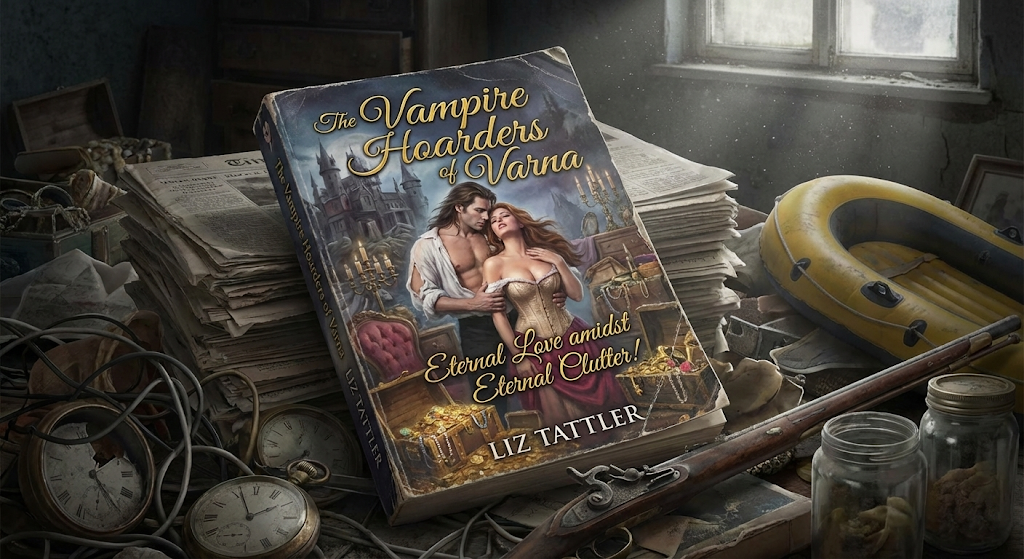
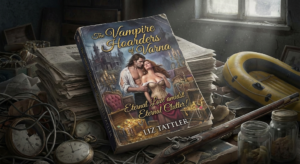 The Vampire Hoarders of Varna. It wasn’t the first time Laddie had seen Boothroyd surreptitiously reading Helier’s books, and it had piqued his curiosity. What was it the old fart found so interesting about Helier’s novels? The library was full of books, if he wanted to read. Not bothering to read the preface, and not having time to start on page one, Laddie Bentry flicked through the book, pausing to read random passages.
….the carriage rattled and lurched headlong through the valley, jostling the three occupants unmercifully. “I’ll have the guts of that coachman for garters! The devil take him!” Galfrey exclaimed, after bouncing his head off the door frame of the compartment.
“Is it bleeding?” asked Triviella, inadvertently licking her lips and she inspected his forehead.
“The devil take you too, for your impertinence,” Galfrey scowled and shook her off, his irritation enhanced by his alarm at the situation they found themselves in.
Ignoring his uncharacteristic bad humour, Triviella snuggled close and and stroked his manly thigh, clad in crimson silk breeches. “Just think about the banquet later,” she purred.
Jacobino, austere and taciturn, on the opposite seat, who had thus far been studiously ignoring both of them, heard the mention of the banquet and smiled for the first time since…
Laddie opened the book to another passage.
“……1631, just before the siege of Gloucester, and what a feast it was! It was hard to imagine a time when we’d feasted so well. Such rich and easy pickings and such a delightful cocktail. One can never really predict a perfect cocktail of blood types at a party, and centuries pass between particularly memorable ones. Another is long overdue, and one would hate to miss it,” Jacobino explained to the innocent and trusting young dairy maid, who was in awe that the handsome young gentleman was talking to her at all, yet understood very little of his dialogue.
“Which is why,” Jacobino implored, taking hold of her small calloused hands, “You must come with me to the banquet tonight.”
Little did she know that her soft rosy throat was on the menu…..
January 2, 2026 at 6:03 pm #8022In reply to: The Hoards of Sanctorum AD26
“You know,” Helier broke the silence, his mouth half-full of the buffet’s assortments of nuts and crackers, “this was bound to happen… People tend to forget you after a while. I mean, how many new babies named after dear Austreberthe nowadays. None of course. I think our records mention 1907 was the last baby Austreberthe, and a decade ago the last mass in their memory… oh this is too heartbreaking…”
“Why so gloomy?” Cerenise was eyeing the speckled and stained silverware and the chipped Rouen faience in which the potato salad was served. “Your name is still moderately in fashion, you shouldn’t die of forgetfulness any time soon. Enjoy the food while it’s free.”
Yvoise couldn’t help but tut at her. She was half-distracted by the calligraphy on those placeholders which she found exquisite. People in this age… it was a rare find now, some pretty calligraphy. The only ‘calli-‘anything this age does well enough is callipygian, and even then, it’s mostly the Kashtardians… She said to the others “Don’t throw yours away, I must have the full set.”
Spirius was inspecting the candleholders. None had lids, a fact that frustrated him to no end. “I miss the good old time we could just slay dragons and get a good sainthood concession for a nice half-millenium.”
Yvoise tittered “simple people we were back then. Everything funny-looking was a dragon I seem to recall.”
Spirius, his plate full of charcuteries, helped himself of a few appetizing gherkins, holding one large up to contemplate. “Yeah, but those few we slew in that period were still some darn tough-skinned gators I would have you know. Those crazy Roman buggers and their games and old false gods —they couldn’t help but bring those strange beasts from Africa to Gaul, leaving us to clean up after them…”
“Indeed, much harder now. It’s like fifteen minutes of sainthood on Instatok and Faceterest and you’re already has-been.” Yvoise had started to pocket some of the paper menus. “Luckily, we still have those relics spread around to fan the flames of remembrance, don’t we.”
“I guess the young ones must look at us funny…” Cerenise chuckled amused at the thought, almost spilling her truffle brouillade.
“Oh well, apparently our youngest geeks aren’t above dealing in relics.” Helier said. “Speaking of Novena and the coming nine days,… you’ve surely noticed as I did what was mentioned in the will, have you not?”
December 31, 2025 at 5:36 pm #8017In reply to: The Hoards of Sanctorum AD26
“In the name of god amen I Auftreberthe saint of wafhing and water of the parifh of Gloucefter in the county of Gloucefterfhire being weak of body but of sound and perfect mind and memory do hereby commit my soul to the almighty and hereby do make thif my laft will and teftament in manner and form af followeth…”
And so began the reading of Austreberthe’s will to the small gathering assembled in the library of the emporium. Bartholomew Gosnold, the aged barrister, stood behind the large oak desk, clearing his throat frequently and pausing to peer over his spectacles. The library was atwinkle with lamps of a variety of styles and ages, but was otherwise dark and vast in the areas outside of the pools of light. Heavy brocade curtains covered the windows, and a fire glowed in the hearth, for it was winter, the last day of the year, and darkness came early and freshly fallen snow blanketed the town in frigid holy silence.
Despite the fire, it was chilly in the library which was rarely heated, and Cerenise wound her ancient Kashmiri shawl aound her neck and shoulders, pausing to finger the cloth appreciatively. It was an exquisite Kani shawl, woven with intricate floral motifs in warm shades of red and plum, soft as a rabbit. She inched her wicker bath chair closer to the fire, accidentally tipping over a small table and sending the contents of a green glazed Tamegroute bowl skittering across the floor.
Yvoise tutted loudly as she rose from her chair to collect all the buttons and stand the little table back up. Luckily the bowl had landed on the Tabriz rug and hadn’t broken.
Bartholomew Gosnold paused until Yvoise had finished, and then resumed his reading of the will, after first clearing his throat again.
December 31, 2025 at 11:11 am #8009In reply to: Finder’s Keepers of the Hoard
Some ideas for the background thread and character profiles for “The Hoards of Emporium 26.”
The Setting: Emporium 26
They live in Gloucester (ancient Glevum), a city built on Roman bones where the layout of the streets still follows the legions’ sandals. They inhabit a sprawling, shared Georgian townhouse complex that has been knocked through into one labyrinthine dwelling—Number 26.
To the outside world, it looks like a dilapidated heritage site. Inside, it is The Emporium: a geological stratification of history, where layers of Roman pottery are mixed with 1990s Beanie Babies and medieval reliquaries.
The Background Thread: “The Weight of Eternity”
Why do they hoard? Because when you live forever, “letting go” feels like losing a piece of the timeline. Hoarding objects is for them an accumulation of evidence of existence.
- The Curse: They cannot die naturally, but they can fade if they are forgotten. The “stuff” anchors them to the physical plane.
- The “Halo” Effect: Occasionally, when they are arguing over whose turn it is to do the dishes, or when they find a lost treasure, the stained-glass light of their old divinity flickers behind their heads—a neon halo of forgotten holiness.
The Hoarders & Their Stashes
1. Helier ( The Hermit / The Dreamer)
- Saintly Origin: Based on St. Helier (Jersey/Normandy). He was an ascetic hermit who lived in a cave and was eventually beheaded.
- Modern Persona: A soft-spoken agoraphobe who hasn’t left the house since the invention of the internet. He wears oversized cardigans that smell like old library books.
- The Mania: Escapism & Communication.
- Because he spent centuries in silence on a rock, he is now obsessed with human stories and noise.
- The Hoard: ” The Media Mountain.”
- His wing of the house is a fire hazard of pulp fiction, towering stacks of National Geographic (dating back to the first issue), thousands of VHS tapes (he has no VCR), and tangled knots of ethernet cables that he refuses to throw away “in case they fit a port from 1998.”
- The Secret Stash: Beneath a pile of “The Hoarder Vampires” novels lies his true relic: The Stone Pillow. The actual rock he slept on in the 6th century. He still naps on it when his back hurts.
2. Spirius (The Bishop / The Container)
- Saintly Origin: Evocative of St. Exuperius (Bayeux). A driver-out of demons and a man of grand gestures.
- Modern Persona: A nervous, fidgety man who is convinced the world is leaking. He is the “fixer” of the group but usually makes things worse with duct tape.
- The Mania: Containment & Preservation.
- In the old days, he bottled demons. Now, he’s terrified of running out of space to put things.
- The Hoard: “The Vessel Void.”
- Spirius hoards anything that can hold something else. Empty jam jars (washed, mostly), Tupperware with no matching lids, biscuit tins, and thousands of plastic carrier bags stuffed inside other carrier bags (the “Bag of Bags”).
- The Secret Stash: In a locked pantry, he keeps a shelf of sealed mason jars labeled with dates like “1431” or “1789.” He claims they contain the “Sigh of a King” or “The smell of rain before the Plague.” It’s actually just dust, but the jars vibrate slightly.
3. Cerenise (The Weaver / The Mender)
- Saintly Origin: Evocative of St. Ceneri or St. Cerneuf. A saint of travelers, or perhaps needlework.
- Modern Persona: She is the “Wheelchair Girl’s” friend mentioned in the intro? Or perhaps she is in a wheelchair now—not because she can’t walk, but because she’s too tired from walking for 1,500 years. She is sharp-tongued and fashionable in a “crazy bag lady” sort of way.
- The Mania: Potential & Texture.
- She sees the soul in broken things. She cannot throw away anything that “could be fixed.”
- The Hoard: “The Fabric of Time.”
- Her rooms are draped in layers of textiles: velvet curtains from a 1920s cinema, moth-eaten tapestries depicting her own miracles (she thinks the nose is wrong), and buttons. Millions of buttons. She also hoards broken appliances—toasters, lamps, clocks—insisting she will repair them “next Tuesday.”
- The Secret Stash: A mannequin dressed in a perfectly preserved Roman stola, hidden under forty layers of polyester coats. It’s the outfit she wore when she performed her first miracle. She tries it on every New Year’s Eve.
4. Yvoise (The Advocate / The Bureaucrat)
- Saintly Origin: Evocative of St. Yves (Patron of Lawyers/Brittany/Normandy). The arbiter of justice.
- Modern Persona: The “Manager” of Emporium 26. She wears power suits from the 80s and is always carrying a clipboard. She loves rules, even if she invents them.
- The Mania: Proof of Truth.
- She is terrified of being forgotten or cheated. She needs a receipt for everything.
- The Hoard: “The Archive of Nothing.”
- Yvoise hoards paper. Receipts from a coffee bought in 1952, bus tickets, expired warranties, junk mail, and legal disclaimers torn off mattresses. Her room looks like the inside of a shredder that exploded. She claims she is building “The Case for Humanity.”
- The Secret Stash: A filing cabinet labeled “Do Not Open.” Inside is not paper, but Seeds. Seeds from the trees of ancient Gaul. She is saving them for when the paper finally takes over the world and she needs to replant the forest she misses.
Starter: The Reading of Austreberthe’s Will
The story kicks off because Austreberthe (The Saint of Washing/Water) has died. Her hoard was Soap and Water.
- The house is now flooding because her magical containment on the plumbing has broken.
- The remaining four must navigate her “Tsunami Wing”—a treacherous dungeon of accumulated bath bombs, stolen hotel towels, and aggressive washing machines—to find her Will.
- The Will is rumored to reveal the location of the “Golden Key,” an object that can legally terminate their lease on Emporium 26, which none of them want, but all of them crave.
December 31, 2025 at 9:52 am #8004Topic: The Hoards of Sanctorum AD26
in forum Yurara Fameliki’s Stories“The girl in the wheelchair that visited sent me pics of her friend’s house… she is a hoarder…”
Helier put down the enthralling new Liz Tattler’s novel “The Vampire Hoarders of Varna”. He wondered if she’d done the topic any justice. But as with any good Liz Tattler novel, you were sure to be in for a ride.
Helier tended to lose track of time; it wasn’t as if anything was urgent, what was a few years of waiting for him.
But it wasn’t often one of them died —almost two hundred years that Audomar had left. Now Austreberthe had left her mortal coils too, just at the eve of the New Year. She must have grown sick of counting them.It was a mixture of pain and joy. Not as you’d think — Austreberthe had accumulated centuries of treasures, and after the ceremony, there would be the reading of the will, and they would know, the surviving ones, who would get the access to her trove.
Spirius, Cerenise and Yvoise would surely be there too.
December 30, 2025 at 6:42 pm #8003In reply to: The Elusive Samuel Housley and Other Family Stories
JOHN BROOKS ALIAS PRIESTLAND
1766-1846John Brooks, my 5x great grandfather, was born in 1766, according to the 1841 census and the burial register in 1846 which stated his age at death as 80 years, but no baptism has been found thus far.
On his first son’s baptism in 1790 the parish register states “John son of John and Elizabeth Brooks Priestnal was baptised”. The name Priestnal was not mentioned in any further sibling baptism, and he was John Brooks on his marriage, on the 1841 census and on his burial in the Netherseal parish register. The name Priestnal was a mystery.
I wondered why there was a nine year gap between the first son John, and the further six siblings, and found that his first wife Elizabeth Wilson died in 1791, and in 1798 John married Elizabeth Cowper, a widow.
John was a farmer of Netherseal on both marriage licences, and of independent means on the 1841 census.
Without finding a baptism it was impossible to go further back, and I was curious to find another tree on the ancestry website with many specific dates but no sources attached, that had Thomas Brooks as his father and his mother as Mary Priestland. I couldn’t find a marriage for John and Mary Priestland, so I sent a message to the owner of the tree, and before receiving a reply, did a bit more searching.
I found an article in the newspaper archives dated 9 August 1839 about a dispute over a right of way, and John Brooks, 73 years of age and a witness for the complainant, said that he had lived in Netherseal all his life (and had always know that public right of way and so on).
I found three lists of documents held by the Derby Records Office about property deeds and transfers, naming a John Brooks alias Priestland, one in 1794, one in 1814, and one in 1824. One of them stated that his father was Thomas Brooks. I was beginning to wonder if Thomas Brooks and Mary Priestland had never married, and this proved to be the case.
The Australian owner of the other tree replied, and said that they had paid a researcher in England many years ago, and that she would look through a box of papers. She sent me a transcribed summary of the main ponts of Thomas Brooks 1784 will:
Thomas Brooks, husbandman of Netherseal
To daughter Ann husband of George Oakden, £20.
To grandson William Brooks, £20.
To son William Brooks and his wife Ann, one shilling each.
To his servant Mary Priestland, £20 and certain household effects and certain property.
To his natural son John Priestland alias Brooks, various properties and the residue of his estate.
John Priestland alias Brooks appointed sole executor.It would appear that Thomas Brooks left the bulk of his estate to his illegitimate son, and more to his servant Mary Priestland than to his legitimate children.
THOMAS BROOKS
1706-1784
Thomas Brooks, my 6x great grandfather, had three wives. He had four children with his first wife, Elizabeth, between 1732 and 1737. Elizabeth died in 1737. He then married Mary Bath, who died in 1763. Thomas had no children with Mary Bath. In 1765 Thomas married Mary Beck. In 1766 his son John Brooks alias Priestland was born to his servant Mary Priestland.
Thomas Brooks parents were John Brooks 1671-1741, and his wife Anne Speare 1674-1718, both of Netherseal, Leicestershire.
July 16, 2025 at 6:06 am #7969In reply to: The Elusive Samuel Housley and Other Family Stories
Gatacre Hall and The Old Book
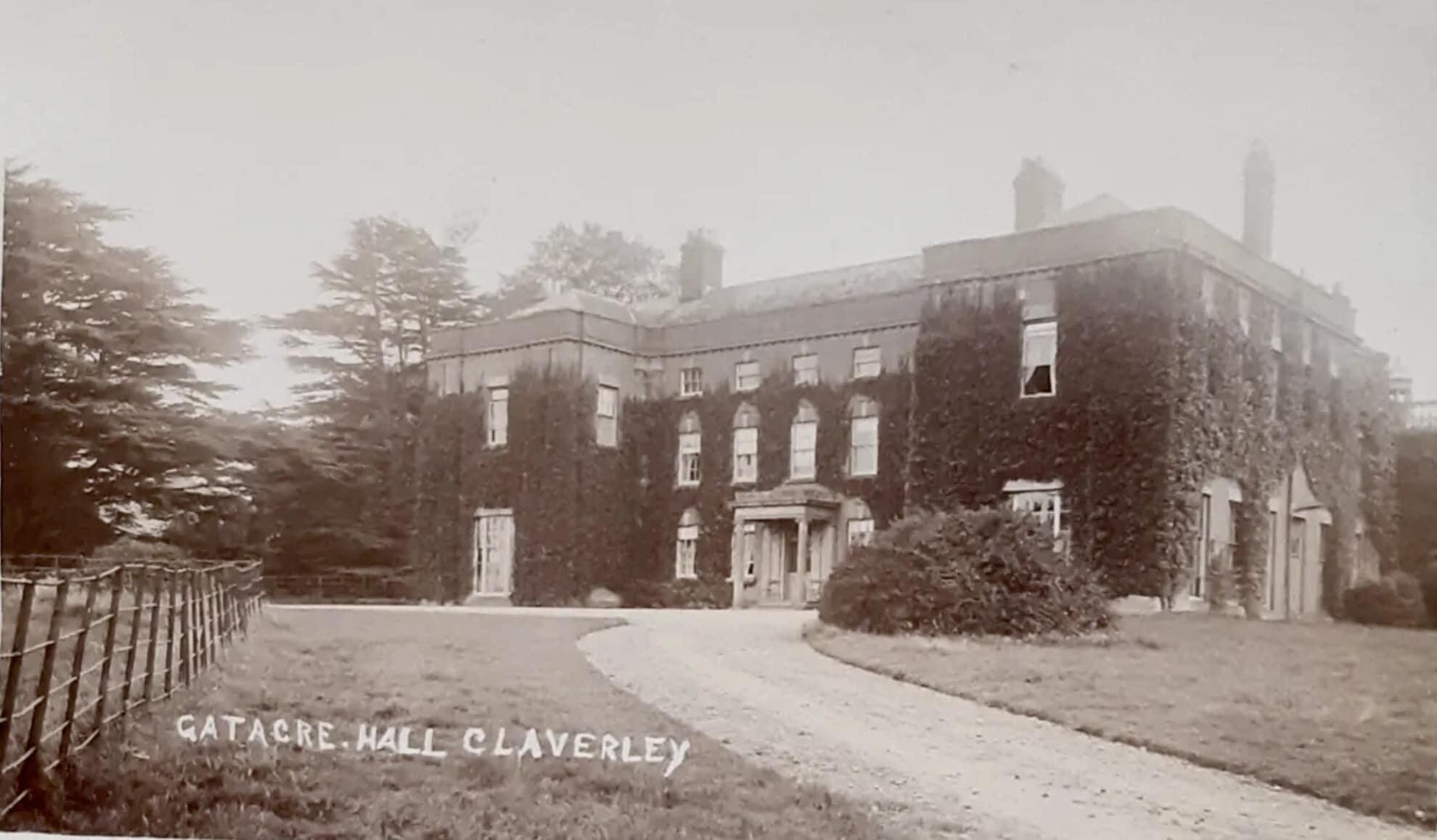
In the early 1950s my uncle John and his friend, possibly John Clare, ventured into an abandoned old house while out walking in Shropshire. He (or his friend) saved an old book from the vandalised dereliction and took it home. Somehow my mother ended up with the book.
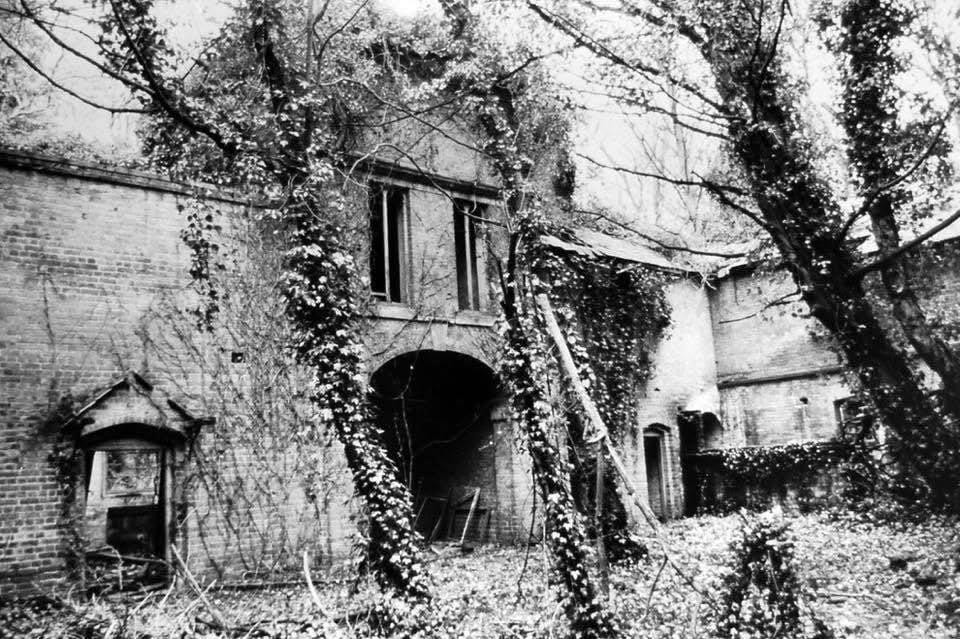
I remember that we had the book when we were living in USA, and that my mother said that John didn’t want the book in his house. He had said the abandoned hall had been spooky. The book was heavy and thick with a hard cover. I recall it was a “magazine” which seemed odd to me at the time; a compendium of information. I seem to recall the date 1553, but also recall that it was during the reign of Henry VIII. No doubt one of those recollections is wrong, probably the date. It was written in English, and had illustrations, presumably woodcuts.
I found out a few years ago that my mother had sold the book some years before. Had I known she was going to sell it, I’d have first asked her not to, and then at least made a note of the name of it, and taken photographs of it. It seems that she sold the book in Connecticut, USA, probably in the 1980’s.
My cousin and I were talking about the book and the story. We decided to try and find out which abandoned house it was although we didn’t have much to go on: it was in Shropshire, it was in a state of abandoned dereliction in the early 50s, and it contained antiquarian books.
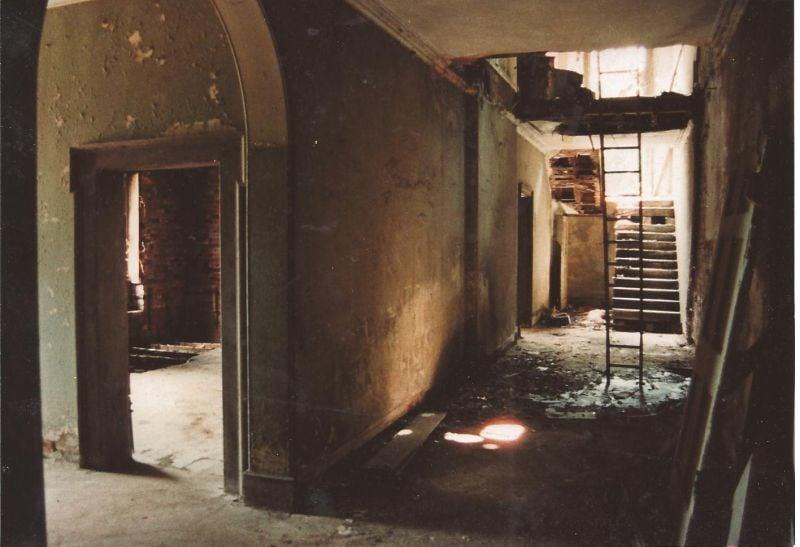
I posted the story on a Shropshire History and Nostalgia facebook group, and almost immediately had a reply from someone whose husband remembered such a place with ancient books and manuscripts all over the floor, and the place was called Gatacre Hall in Claverley, near Bridgnorth. She also said that there was a story that the family had fled to Canada just after WWII, even leaving the dishes on the table.
The Gatacre family sailing to Canada in 1947:
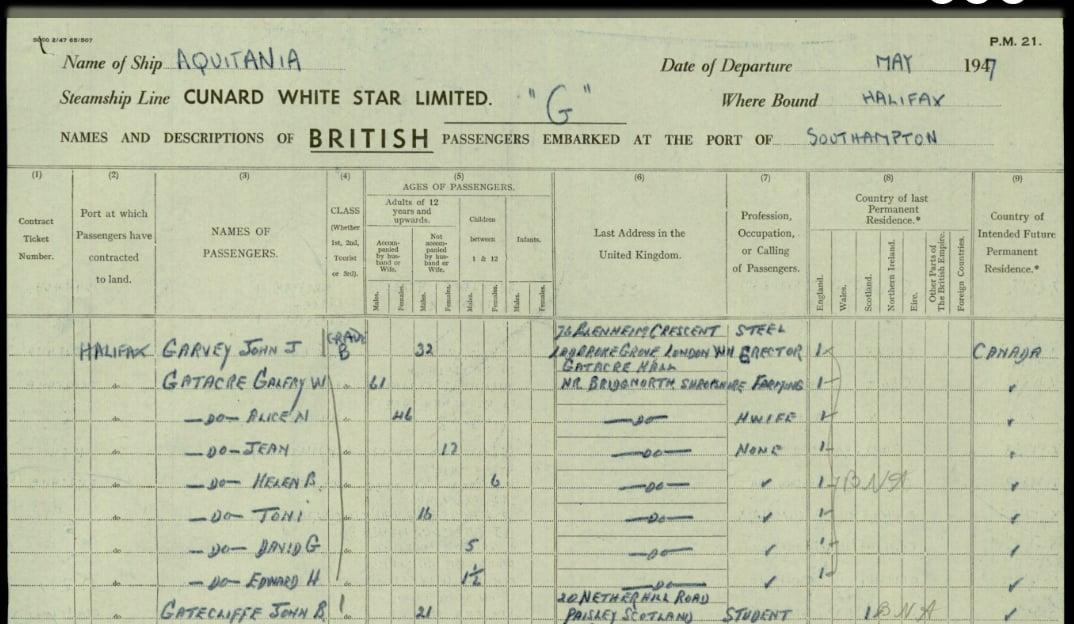
When my cousin heard the name Gatacre Hall she remembered that was the name of the place where her father had found the book.
I looked into Gatacre Hall online, in the newspaper archives, the usual genealogy sites and google books searches and so on. The estate had been going downhill with debts for some years. The old squire died in 1911, and his eldest son died in 1916 at the Somme. Another son, Galfrey Gatacre, was already farming in BC, Canada. He was unable to sell Gatacre Hall because of an entail, so he closed the house up. Between 1945-1947 some important pieces of furniture were auctioned, and the rest appears to have been left in the empty house.
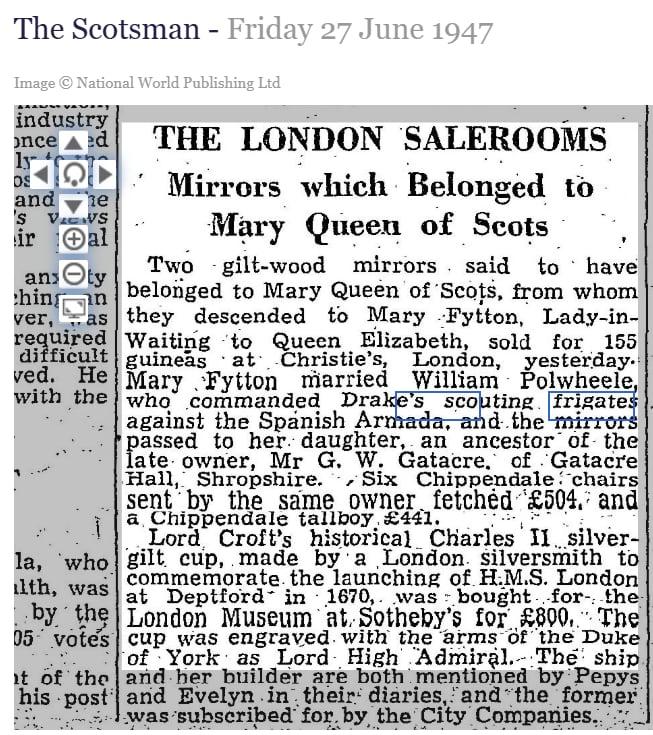
The family didn’t suddenly flee to Canada leaving the dishes on the table, although it was true that the family were living in Canada.
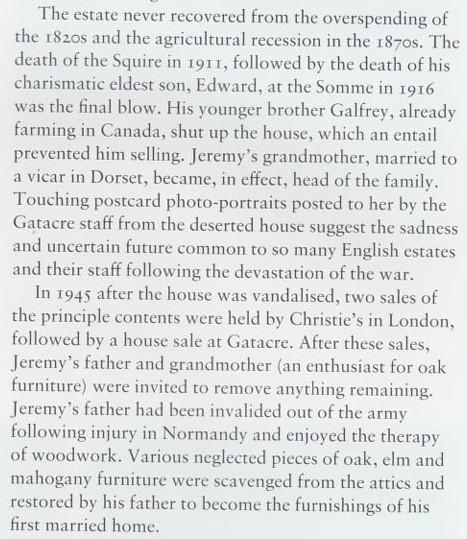
An interesting thing to note here is that not long after this book was found, my parents moved to BC Canada (where I was born), and a year later my uncle moved to Toronto (where he met his wife).
Captain Gatacre in 1918:
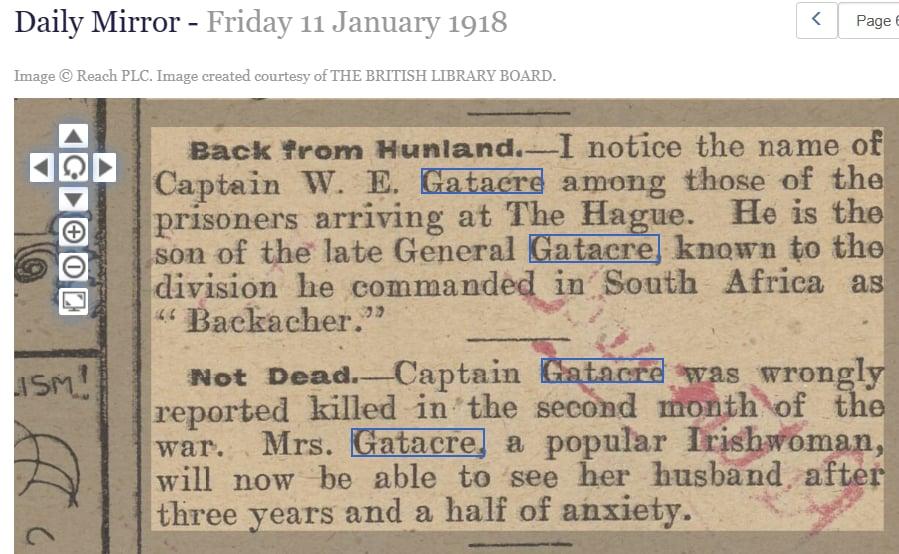
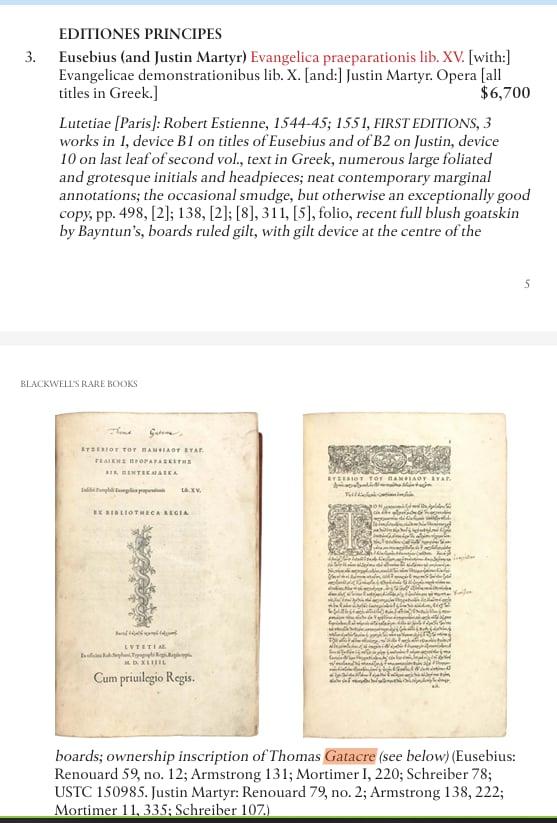
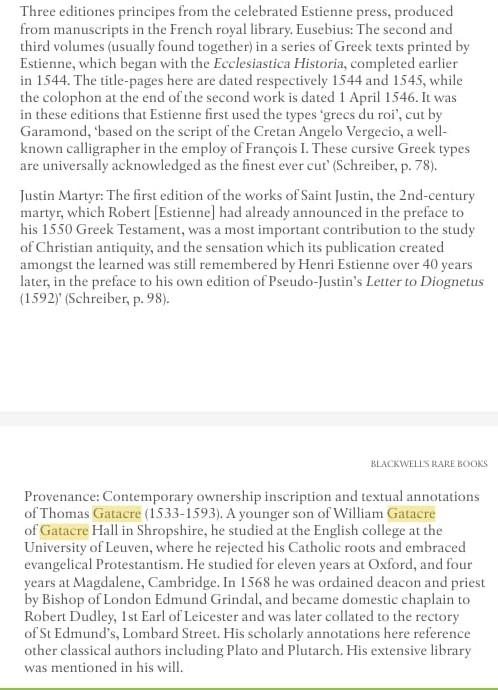
The Gatacre library was mentioned in the auction notes of a particular antiquarian book:
“Provenance: Contemporary ownership inscription and textual annotations of Thomas Gatacre (1533-1593). A younger son of William Gatacre of Gatacre Hall in Shropshire, he studied at the English college at the University of Leuven, where he rejected his Catholic roots and embraced evangelical Protestantism. He studied for eleven years at Oxford, and four years at Magdalene, Cambridge. In 1568 he was ordained deacon and priest by Bishop of London Edmund Grindal, and became domestic chaplain to Robert Dudley, 1st Earl of Leicester and was later collated to the rectory of St Edmund’s, Lombard Street. His scholarly annotations here reference other classical authors including Plato and Plutarch. His extensive library was mentioned in his will.”
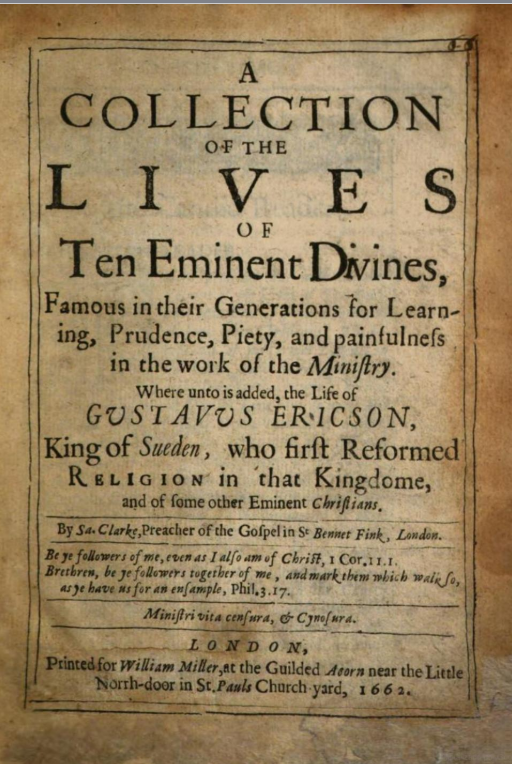
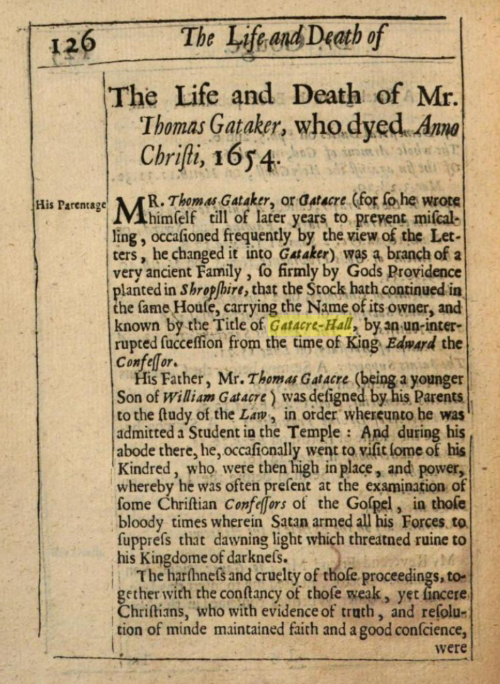
There are thirty four pages in this 1662 book about Thomas Gatacre d 1654:
 February 23, 2025 at 1:35 pm #7828
In reply to: The Last Cruise of Helix 25
Helix 25 – The Murder Board
Evie sat cross-legged on the floor of her cramped workspace, staring at the scattered notes, datapads, and threads taped to the wall. Finding some yarn on the ship had not been as easy as she thought, but it was a nice touch she thought.
The Murder Board, as Riven Holt had started calling it, was becoming an increasingly frustrating mess of unanswered questions.
Riven stood nearby, arms crossed, with a an irritated skepticism. “Almost a week,” he muttered. “We’re no closer than when we started.”
Evie exhaled sharply. “Then let’s go back to the basics.”
She tapped the board, where the crime scene was crudely sketched. The Drying Machine. Granary. Jardenery. Blood that shouldn’t exist.
She turned to Riven. “Alright, let’s list it out. Who are our suspects?”
He looked at his notes, dejected for a moment; “too many, obviously.” Last census on the ship was not accurate by far, but by all AI’s accounts cross-referenced with Finkley’s bots data, they estimated the population to be between 15,000 and 50,000. Give or take.
They couldn’t interview possibly all of them, all the more since there the interest in the murder had waned very rapidly. Apart from the occasional trio of nosy elderly ladies, the ship had returned mostly to the lull of the day-to-day routine.
So they’d focused on a few, and hoped TP’s machine brain could see patterns where they couldn’t.- First, the Obvious Candidates: People with Proximity to the Crime Scene
Romualdo, the Gardener – Friendly, unassuming. He lends books, grows plants, and talks about Elizabeth Tattler novels. But Herbert visited him often. Why?
Dr. Amara Voss – The geneticist. Her research proves the Crusader DNA link, but could she be hiding more? Despite being Evie’s godmother, she couldn’t be ruled out just yet.
Sue Forgelot – The socialite with connections everywhere. She had eluded their request for interviews. —does she know more than she lets on?
The Cleaning Staff – they had access everywhere. And the murder had a clean elegance to it… - Second, The Wild Cards: People with Unknown Agendas
The Lower Deck Engineers – Talented mechanic, with probable cybernetic knowledge, with probable access to unauthorized modifications. Could they kill for a reason, or for hire?
Zoya Kade and her Followers – They believe Helix 25 is on a doomed course, manipulated by a long-dead tycoon’s plan. Would they kill to force exposure of an inconvenient truth?
The Crew – Behind the sense of duty and polite smiles, could any of them be covering something up? - Third, The AI Factor: Sentient or Insentient?
Synthia, the AI – Controls the ship. Omnipresent. Can see everything, and yet… didn’t notice or report the murder. Too convenient.
Other personal AIs – Like Trevor Pee’s programme, most had in-built mechanisms to make them incapable of lying or harming humans. But could one of their access be compromised?
Riven frowned. “And what about Herbert himself? Who was he, really? He called himself Mr. Herbert, but the cat erm… Mandrake says that wasn’t his real name. If we figure out his past, maybe we find out why he was killed.”
Evie rubbed her temples. “We also still don’t know how he was killed. The ship’s safety systems should have shut the machine down. But something altered how the system perceived him before he went in.”
She gestured to another note. “And there’s still the genetic link. What was Herbert doing with Crusader DNA?”
A heavy silence settled between them.
Then TP’s voice chimed in. “Might I suggest an old detective’s trick? When stumped, return to who benefits.”
Riven exhaled. “Fine. Who benefits from Herbert’s death?”
Evie chewed the end of her stylus. “Depends. If it was personal, the killer is on this ship, and it’s someone who knew him. If it was bigger than Herbert, then we’re dealing with something… deeper.”
TP hummed. “I do hate deeper mysteries. They tend to involve conspiracies, misplaced prophecies, and far too many secret societies.”
Evie and Riven exchanged a glance.
Riven sighed. “We need a break.”
Evie scoffed. “Time means nothing here.”
Riven gestured out the window. “Then let’s go see it. The Sun.”
Helix 25 – The Sun-Gazing Chamber
The Sun-Gazing Chamber was one of Helix 25’s more poetic and yet practical inventions —an optically and digitally-enhanced projection of the Sun, positioned at the ship’s perihelion. It was meant to provide a psychological tether, a sense of humanity’s connection to the prime provider of life as they drifted in the void of the Solar System.
It was a beautifully designed setting where people would simply sit and relax, attuned to the shift of days and nights as if still on Earth. The primary setting had been voted to a massive 83.5% to be like in Hawai’i latitude and longitude, as its place was believed to be a reflection of Earth’s heart. That is was a State in the USA was a second thought of course.
Evie sat on the observation bench, staring at the massive, golden sphere suspended in the darkness. “Do you think people back on Earth are still watching the sunrise?” she murmured.
Riven was quiet for a moment. “If there’s anyone left.”
Evie frowned. “If they are, I doubt they got much of a choice.”
TP materialized beside them, adjusting his holographic tie. “Ah, the age-old existential debate: are we the lucky ones who left Earth, or the tragic fools who abandoned it?”
Evie ignored him, glancing at the other ship residents in the chamber. Most people just sat quietly, basking in the light. But she caught snippets of whispers, doubt, something spreading through the ranks.
“Some people think we’re not really where they say we are,” she muttered.
Riven raised an eyebrow. “What, like conspiracy theories?”
TP scoffed. “Oh, you mean the Flat-Earthers?” He tsked. “Who couldn’t jump on the Helix lifeboats for their lives, convinced as they were we couldn’t make it to the stars. They deserved what came to them. Next they’ll be saying Helix 25 never even launched and we’re all just trapped in a simulation of a luxury cruise.”
Evie was shocked at Trevor Pee’s eructation and rubbed her face. “Damn Effin Muck tech, and those “Truth Control” rubbish datasets. I thought I’d thoroughly scrubbed all the old propaganda tech from the system.”
“Ah,” TP said, “but conspiracies are like mold. Persistent. Annoying. Occasionally toxic.”
Riven shook his head. “It’s nonsense. We’re moving. We’ve been moving for decades.”
Evie didn’t look convinced. “Then why do we feel stuck?”
A chime interrupted them.
A voice, over the comms. Solar flare alert.
Evie stiffened.
Then: Stay calm and return to your quarters until further notice.
Evie raised an eyebrow. This was the first time something like that happened. She turned to Riven who was looking at his datapad who was flashing and buzzing.
He said to her: “Stay quiet and come with me, a new death has been reported. Crazy coincidence. It’s just behind the Sun-Gazing chamber actually, in the Zero-G sector.”
February 15, 2025 at 10:33 am #7794In reply to: Helix Mysteries – Inside the Case
Some pictures selections
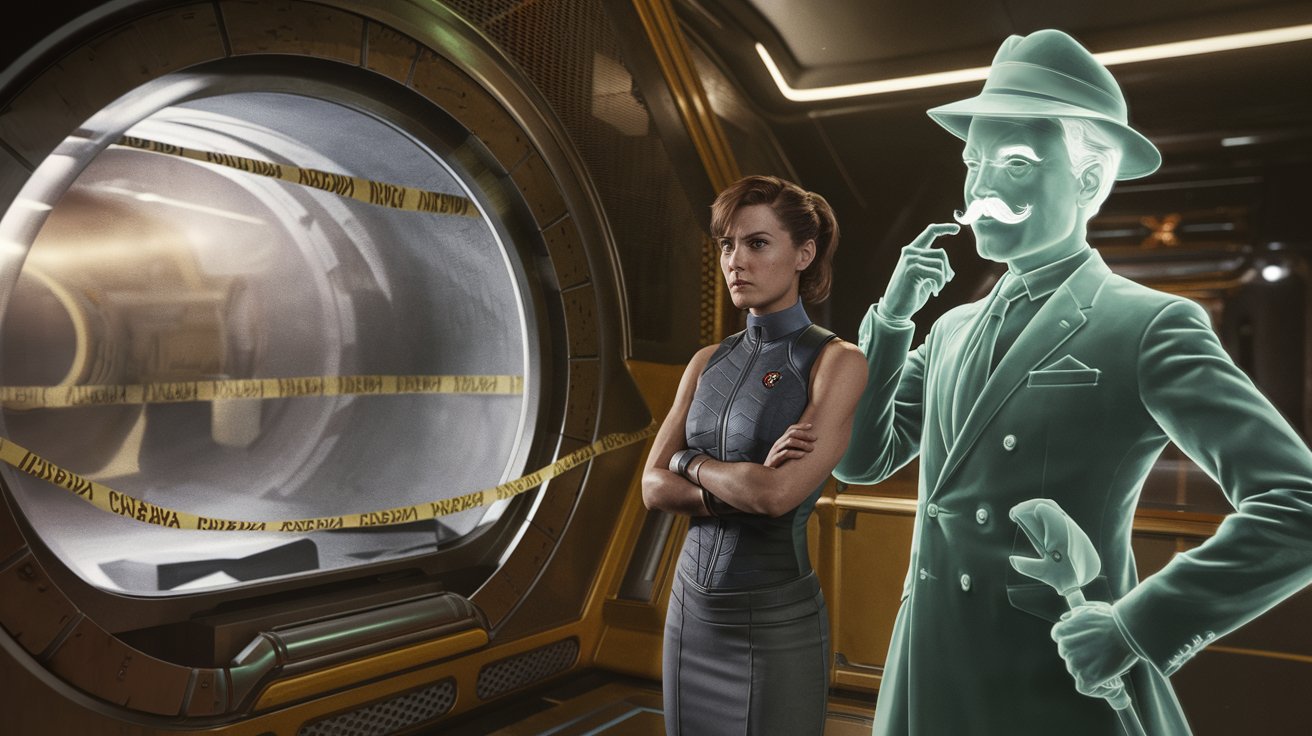
Evie and TP Investigating the Drying Machine Crime Scene

A cinematic sci-fi mini-scene aboard the vast and luxurious Helix 25. In the industrial depths of the ship, a futuristic drying machine hums ominously, crime scene tape lazily flickering in artificial gravity. Evie, a sharp-eyed investigator in a sleek yet practical uniform, stands with arms crossed, listening intently. Beside her, a translucent, retro-stylized holographic detective—Trevor Pee Marshall (TP)—adjusts his tiny mustache with a flourish, pointing dramatically at the drying machine with his cane. The air is thick with mystery, the ship’s high-tech environment reflecting off Evie’s determined face while TP’s flickering presence adds an almost comedic contrast. A perfect blend of noir and high-tech detective intrigue.
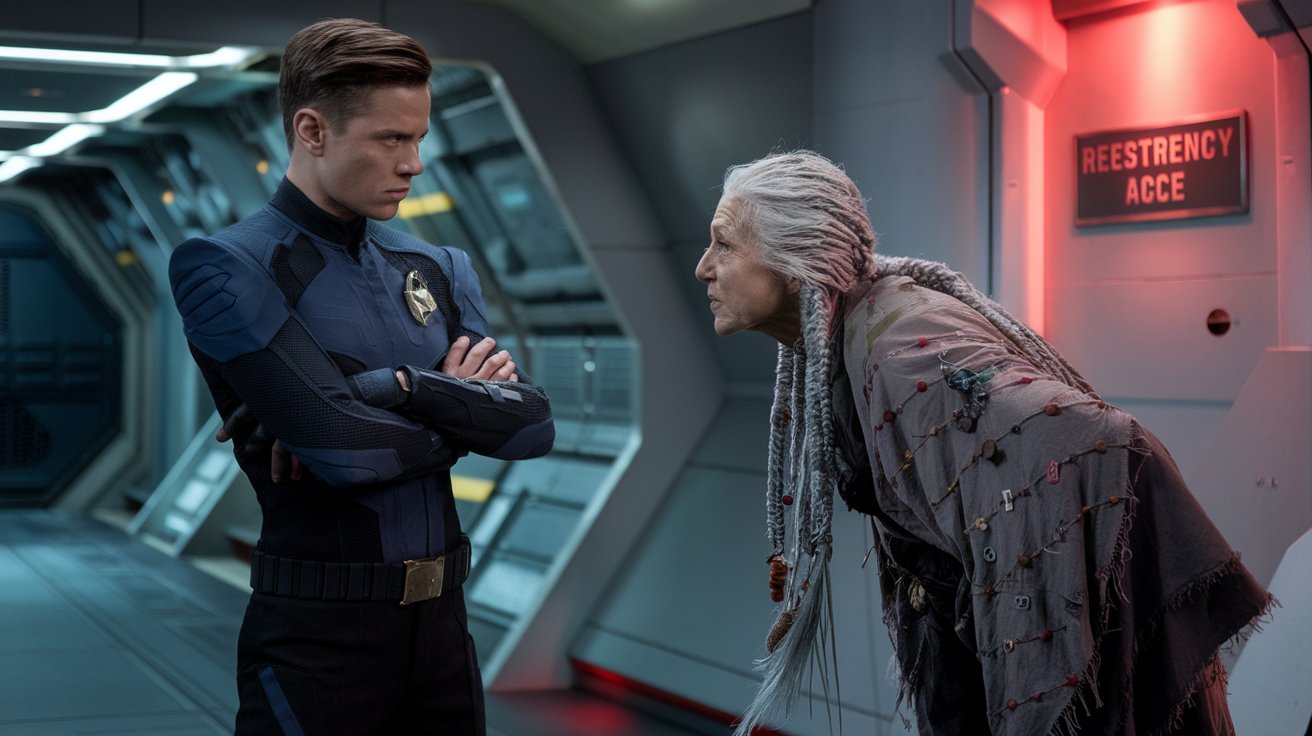
Riven Holt and Zoya Kade Confronting Each Other in a Dimly Lit Corridor
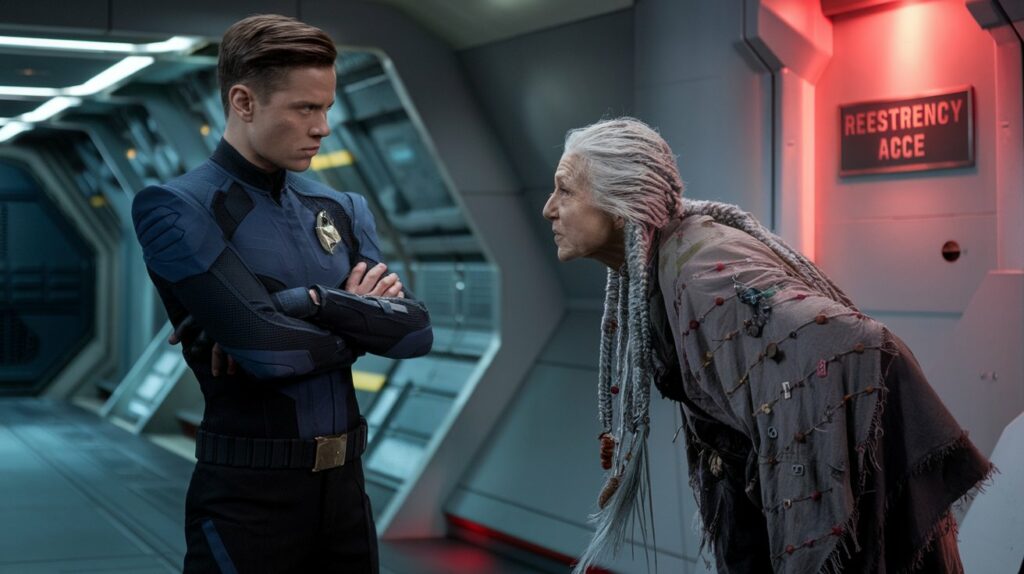
A dramatic, cinematic sci-fi scene aboard the vast and luxurious Helix 25. Riven Holt, a disciplined young officer with sharp features, stands in a high-tech corridor, his arms crossed, jaw tense—exuding authority and restraint. Opposite him, Zoya Kade, a sharp-eyed, wiry 83-year-old scientist-prophet, leans slightly forward, her mismatched layered robes adorned with tiny artifacts—beads, old circuits, and a fragment of a key. Her silver-white braid gleams under the soft emergency lighting, her piercing gaze challenging him. The corridor hums with unseen energy, a subtle red glow from a “restricted access” sign casting elongated shadows. Their confrontation is palpable—a struggle between order and untamed knowledge, hierarchy and rebellion. In the background, the walls of Helix 25 curve sleekly, high-tech yet strangely claustrophobic, reinforcing the ship’s ever-present watchfulness.
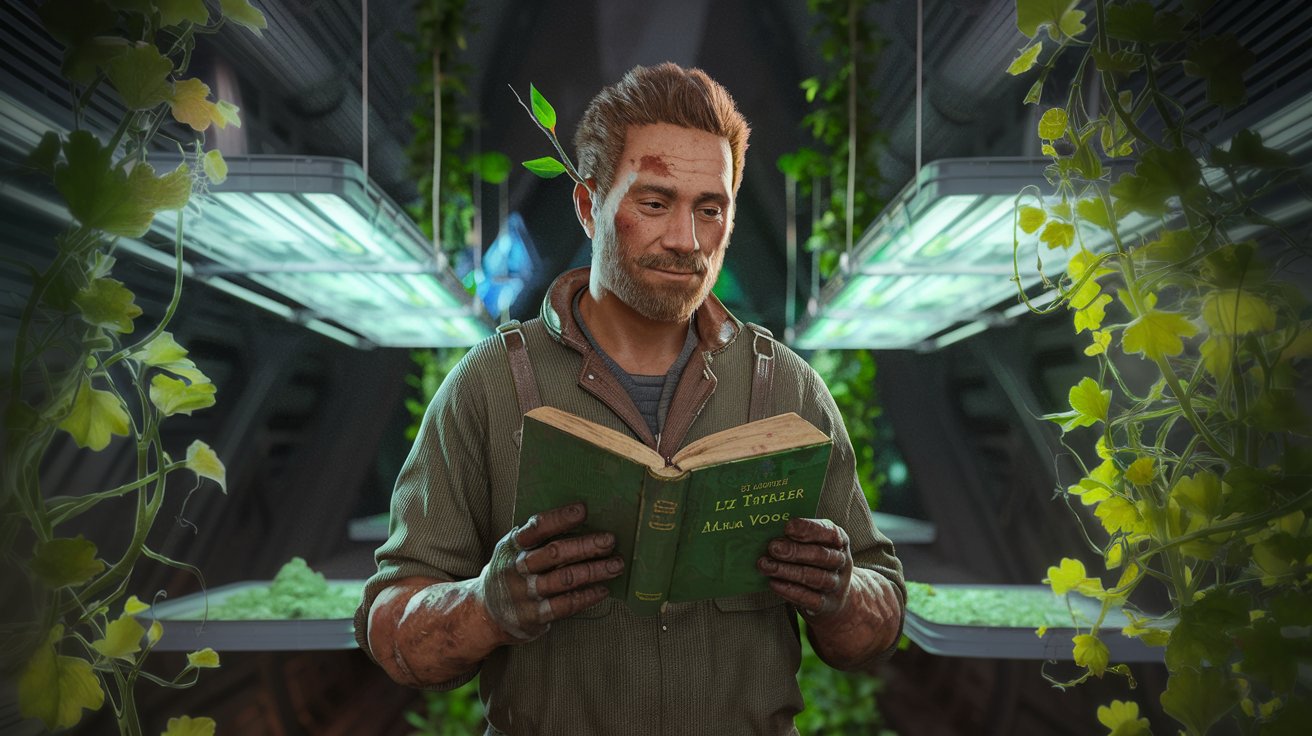
Romualdo, the Gardener, Among the Bioluminescent Plants
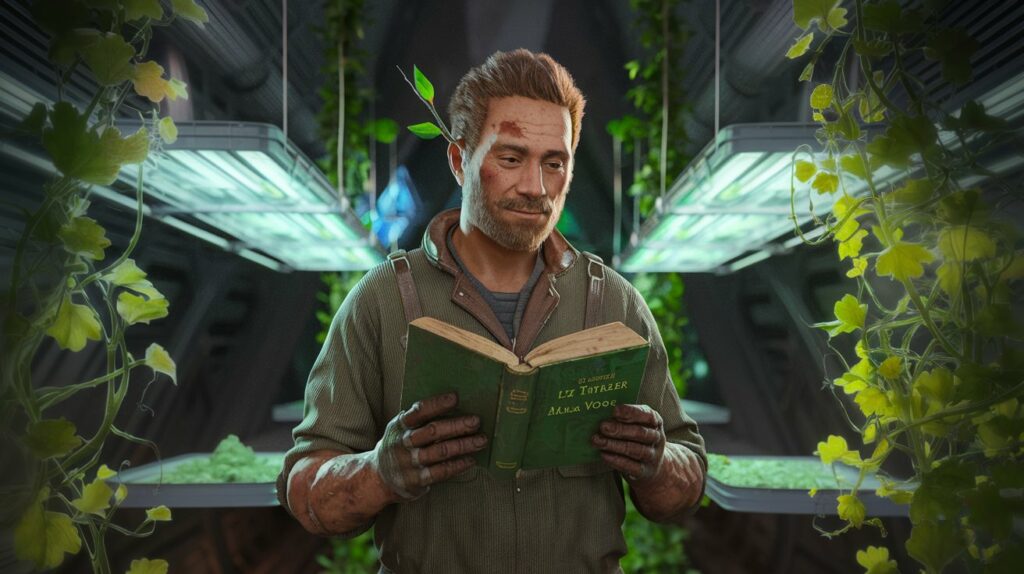
A richly detailed sci-fi portrait of Romualdo, the ship’s gardener, standing amidst the vibrant greenery of the Jardenery. He is a rugged yet gentle figure, dressed in a simple work jumpsuit with soil-streaked hands, a leaf-tipped stem tucked behind his ear like a cigarette. His eyes scan an old, well-worn book—one of Liz Tattler’s novels—that Dr. Amara Voss gave him for his collection. The glowing plants cast an ethereal blue-green light over him, creating an atmosphere both peaceful and mysterious. In the background, the towering vines and suspended hydroponic trays hint at the ship’s careful balance between survival and serenity.
Finja and Finkley – A Telepathic Parallel Across Space
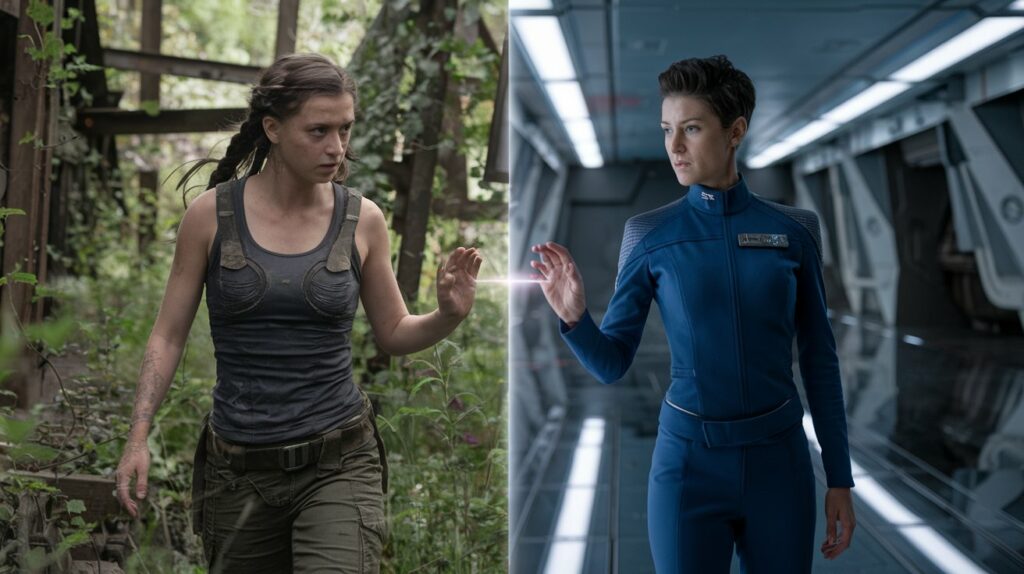
A surreal, cinematic sci-fi composition split into two mirrored halves, reflecting a mysterious connection across vast distances. On one side, Finja, a wiry, intense woman with an almost obsessive neatness, walks through the overgrown ruins of post-apocalyptic Earth, her expression distant as she “listens” to unseen voices. Dust lingers in the air, catching the golden morning light, and she mutters to herself about cleanliness. In her reflection, on the other side of the image, is Finkley, a no-nonsense crew member aboard the gleaming, futuristic halls of Helix 25. She stands with hands on her hips, barking orders at small cleaning bots as they maintain the ship’s pristine corridors. The lighting is cold and artificial, sterile in contrast to the dust-filled Earth. Yet, both women share a strange symmetry—gesturing in unison as if unknowingly mirroring one another across time and space. A faint, ghostly thread of light suggests their telepathic bond, making the impossible feel eerily real.
December 19, 2024 at 7:59 pm #7700In reply to: Quintessence: Reversing the Fifth
Elara — December 2021
Taking a few steps back in order to see if the makeshift decorations were evenly spaced, Elara squinted as if to better see the overall effect, which was that of a lopsided bare branch with too few clove studded lemons. Nothing about it conjured up the spirit of Christmas, and she was surprised to find herself wishing she had tinsel, fat garlands of red and gold and green and silver tinsel, coloured fairy lights and those shiny baubles that would sever your toe clean off if you stepped on a broken one.
It’s because I can’t go out and buy any, she told herself, I hate tinsel.
It was Elara’s first Christmas in Tuscany, and the urge to have a Christmas tree had been unexpected. She hadn’t had a tree or decorated for Christmas for as long as she could remember, and although she enjoyed the social gathering with friends, she resented the forced gift exchange and disliked the very word festive.
The purchase of the farmhouse and the move from Warwick had been difficult, with the pandemic in full swing but a summer gap in restrictions had provided a window for the maneuvre. Work on the house had been slow and sporadic, but the weather was such a pleasant change from Warwick, and the land extensive, so that Elara spent the first months outside.
The solitude was welcome after the constant demands of her increasingly senile older sister and her motley brood of diverse offspring, and the constant dramas of the seemingly endless fruits of their loins. The fresh air, the warm sun on her skin, satisfying physical work in the garden and long walks was making her feel strong and able again, optimistic.
England had become so depressing, eating away at itself in gloom and loathing, racist and americanised, the corner pubs all long since closed and still boarded up or flattened to make ring roads around unspeakably grim housing estates and empty shops, populated with grey Lowry lives beetling around like stick figures, their days punctuated with domestic upsets both on their telly screens and in their kitchens. Vanessa’s overabundant family and the lack of any redeeming features in any of them, and the uninspiring and uninspired students at the university had taken its toll, and Elara became despondent and discouraged, and thus, failed to see any hopeful signs.
When the lockdown happened, instead of staying in contact with video calls, she did the opposite, and broke off all contact, ignoring phone calls, messages and emails from Vanessa’s family. The almost instant tranquility of mind was like a miracle, and Elara wondered why it had never occurred to her to do it before. Feeling so much better, Elara extended the idea to include ignoring all phone calls and messages, regardless of who they were. She attended to those regarding the Tuscan property and the sale of her house in Warwick.
The only personal messages she responded to during those first strange months of quarantine were from Florian. She had never met him in person, and the majority of their conversations were about shared genealogy research. The great thing about family ancestors, she’d once said to him, Is that they’re all dead and can’t argue about anything.
Christmas of December, 2021, and what a year it had been, not just for Elara, but for everyone. The isolation and solitude had worked well for her. She was where she wanted to be, and happy. She was alone, which is what she wanted.
If only I had some tinsel though.
December 7, 2024 at 10:48 pm #7654In reply to: Quintessence: Reversing the Fifth
The first one to find the bar buys the drinks, Darius had said, and they’d all laughed, but it was no laughing matter being lost in those woods.
Siiting on a cushion on the floor surrounded by cardboard shoeboxes and piles of photos and letters, Elara leaned towards the lamp to better see the photograph. The white bull.
Lucien had refused when Elara asked him to do a painting of the white bull, and then relented and said he would. But he hadn’t, not that she knew of anyway. The incident had happened the year before the pandemic, the spring of 2019. Not long before they all went their separate ways. Elara had been visiting her father in Andalucia for his 90th birthday when a neighbour of his had told her about the stone in the woods. She knew the others would be interested and had invited them over; her father Roland had plenty of room at his finca overlooking the Hozgarganta river, and had no objections.
Darius had wanted to bring those people to see the pyramidal stone in the woods, and Elara was having none of it. I was told in private about that, I shouldn’t have shown anyone, Darius, not even you, she had told him. Resentfully, Darius had tried to argue his point: that it was for the greater good, shouldn’t be kept secret, and how could he keep it from them anyway, they would know he was hiding something.
You may not be able to find it again, look at the trouble we had. You might get attacked by wild boar or fall off a precipice into the gorge, Amei added, not relishing the idea of sharing the discovery with those people either. She couldn’t help thinking it wouldn’t be a bad thing if those people did disappear without a trace. Darius hadn’t been the same since getting sucked into their cultish clutches.
They had lost their way in the gloomy trackless forest trying to find the stone, impossible to see further than the next few trees. Increasingly alarmed at the boar tracks and the fading late afternoon light, Elara had suggested they give up and try and retrace their steps, rather than penetrating further down into the woods. And then suddenly Lucien shouted There is it! That’s it! and there it stood, rising above the tree canopy, the sharp grey stone sides contrasting gloriously with the thick tangled foliage.
Rushing towards it, they fanned out circling it, touching it, gazing up at the smooth sides. Solid stone, not constructed with blocks, its purpose indecipherable, astonishingly incongruous to the location.
Look, we need to start making our way back to the car, Elara had said, It’ll be dark in a couple of hours.
Amei had helped her convince Lucien and Darius who were reluctant to leave, promising another visit. Now we know where it is, she said, although she wasn’t sure if they did know how to find it again. It had appeared while they were lost, after all.The scramble back to the car had been no less confusing than the walk down to the stone, they only knew they had to go uphill to find the unpaved forest road.
Squinting as they emerged from trees into the sunlight, a spontaneous cheer was immediately silenced at the sight of the white bull lying serenely by the site of the road, glowing like white marble, implacable, wise, and godly.
Is it real? whispered Amei, awestruck.I wonder if Darius ever did take those people there, Elara wondered. It had never been mentioned again, but then, things started to change after that. So many things were left unsaid. Elara had never been back, but the white bull had stayed in her mind perhaps more even than the stone pyramid had. I wonder if Lucien ever did that painting of it? Elara propped the photo up behind a candlestick on the fireplace mantel. Now that she was retired, maybe she’d do a painting of it herself.
December 7, 2024 at 10:16 am #7651In reply to: Quintessence: A Portrait in Reverse
Exploring further potential backstory for the characters – to be explored further…

This thread beautifully connects to the lingering themes of fractured ideals, missed opportunities, and the pull of reconnection. Here’s an expanded exploration of the “habitats participatifs” (co-housing communities) and how they tie the characters together while weaving in subtle links to their estrangement and Matteo’s role as the fifth element.
Backstory: The Co-Housing Dream
Habitat Participatif: A Shared Vision
The group’s initial bond, forged through shared values and late-night conversations, had coalesced around a dream: buying land in the Drôme region of France to create a co-housing community. The French term habitat participatif—intergenerational, eco-conscious, and collaborative living—perfectly encapsulated their ideals.
What Drew Them In:
- Amei: Longing for a sense of rootedness and community after years of drifting.
- Elara: Intrigued by the participatory aspect, where decisions were made collectively, blending science and sustainability.
- Darius: Enchanted by the idea of shared creative spaces and a slower, more intentional way of living.
- Lucien: Inspired by the communal energy, imagining workshops where art could flourish outside the constraints of traditional galleries.
The Land in Drôme
They had narrowed their options to a specific site near the village of Crest, not far from Lyon. The land, sprawling and sun-drenched, had an old farmhouse that could serve as a communal hub, surrounded by fields and woods. A nearby river threaded through the valley, and the faint outline of mountains painted the horizon.
The traboules of Lyon, labyrinthine passageways, had captivated Amei during an earlier visit, leaving her wondering if their metaphorical weaving through life could mirror the paths their group sought to create.
The Role of Monsieur Renard
When it came to financing, the group faced challenges. None of them were particularly wealthy, and pooling their resources fell short. Enter Monsieur Renard, whose interest in supporting “projects with potential” brought him into their orbit through Éloïse.
Initial Promise:
- Renard presented himself as a patron of innovation, sustainability, and community projects, offering seed funding in exchange for a minor share in the enterprise.
- His charisma and Éloïse’s insistence made him seem like the perfect ally—until his controlling tendencies emerged.
The Split: Fractured Trust
Renard’s involvement—and Éloïse’s increasing influence on Darius—created fault lines in the group.
- Darius’s Drift:
- Darius became entranced by Renard and Éloïse’s vision of community as something deeper, bordering on spiritual. Renard spoke of “energetic alignment” and the importance of a guiding vision, which resonated with Darius’s creative side.
- He began advocating for Renard’s deeper involvement, insisting the project couldn’t succeed without external backing.
- Elara’s Resistance:
- Elara, ever the pragmatist, saw Renard as manipulative, his promises too vague and his influence too broad. Her resistance created tension with Darius, whom she accused of being naive.
- “This isn’t about community for him,” she had said. “It’s about control.”
- Lucien’s Hesitation:
- Lucien, torn between loyalty to his friends and his own fascination with Éloïse, wavered. Her talk of labyrinths and collective energy intrigued him, but he grew wary of her sway over Darius.
- When Renard offered to fund Lucien’s art, he hesitated, sensing a price he couldn’t articulate.
- Amei’s Silence:
- Amei, haunted by her own experiences with manipulation in past relationships, withdrew. She saw the dream slipping away but couldn’t bring herself to fight for it.
Matteo’s Unseen Role
Unbeknownst to the others, Matteo had been invited to join as a fifth partner—a practical addition to balance their idealism. His background in construction and agriculture, coupled with his easygoing nature, made him a perfect fit.
The Missed Connection:
- Matteo had visited the Drôme site briefly, a stranger to the group but intrigued by their vision. His presence was meant to ground their plans, to bring practicality to their shared dream.
- By the time he arrived, however, the group’s fractures were deepening. Renard’s shadow loomed too large, and the guru-like influence of Éloïse had soured the collaborative energy. Matteo left quietly, sensing the dream unraveling before it could take root.
The Fallout: A Fractured Dream
The group dissolved after a final argument about Renard’s involvement:
- Elara refused to move forward with his funding. “I’m not selling my future to him,” she said bluntly.
- Darius, feeling betrayed, accused her of sabotaging the dream out of stubbornness.
- Lucien, caught in the middle, tried to mediate but ultimately sided with Elara.
- Amei, already pulling away, suggested they put the project on hold.
The land was never purchased. The group scattered soon after, their estrangement compounded by the pandemic. Matteo drifted in a different direction, their connection lost before it could form.
Amei’s Perspective: Post-Split Reflection
In the scene where Amei buys candles :
- The shopkeeper’s comments about “seeking something greater” resonate with Amei’s memory of the co-housing dream and how it became entangled with Éloïse and Renard’s influence.
- Her sharper-than-usual reply reflects her lingering bitterness over the way “seeking” led to manipulation and betrayal.
Reunion at the Café: A New Beginning
When the group reunites, the dream of the co-housing project lingers as a symbol of what was lost—but also of what could still be reclaimed. Matteo’s presence at the café bridges the gap between their fractured past and a potential new path.
Matteo’s Role:
- His unspoken connection to the co-housing plan becomes a point of quiet irony: he was meant to be part of their story all along but arrived too late. Now, at the café, he steps into the role he missed years ago—the one who helps them see the threads that still bind them.
December 3, 2024 at 7:51 am #7636In reply to: Quintessence: Reversing the Fifth
It was cold in Kent, much colder than Elara was used to at home in the Tuscan olive groves, but Mrs Lovejoy kept the guest house warm enough. On site at Samphire Hoe was another matter, the wind off the sea biting into her despite the many layers of clothing. It had been Florian’s idea to take the Mongolian hat with her. Laughing, she’d replied that it might come in handy if there was a costume party. Trust me, you’re going to need it, he’d said, and he was right. It had been a present from Amei, many years ago, but Elara had barely worn it. It wasn’t often that she found herself in a place cold enough to warrant it.
In a fortuitous twist of fate, Florian had asked if he could come and stay with her for awhile to find his feet after the tumultuous end of a disastrous relationship. It came at a time when Elara was starting to realise that there was too much work for her alone keeping the old farmhouse in order. Everyone wants to retire to the country but nobody thinks of all the work involved, at an age when one prefers to potter about, read books, and take naps.
Florian was a long lost (or more correctly never known) distant relative, a seventh cousin four times removed on her paternal side. They had come into contact while researching the family, comparing notes and photographs and family anecdotes. They became friends, finding they had much in common, and Elara was pleased to have him come to stay with her. Likewise, Florian was more than willing to help around the beautiful old place, and found it conducive to his writing. He spent the mornings gardening, decorating or running errands, and the afternoons tapping away at the novel he’d been inspired to start, sitting at the old desk in front of the French windows.
If it hadn’t been for Florian, Elara wouldn’t have accepted the invitation to join the chalk project. He had settled in so well, already had a working grasp of Italian, and got on well with her neighbours. She could leave him to look after everything and not worry about a thing.
Pulling the hat down over her ears, Elara ventured out into the early November chill. Mrs Lovejoy was coming up the path to the guesthouse, having been out to the corner shop. “I say, that’s a fine hat you have there, that’ll keep your cockles warm!” Mrs Lovejoy was bareheaded, wearing only a cardigan.
“It was a gift,” Elara told her, “I haven’t worn it much. A friend bought it for me years ago when we were in Mongolia.”
“Very nice, I’m sure,” replied the landlady, trying to remember where Mongolia was.
“Yes, she was nice,” Elara said wistfully. “We lost contact somehow.”
“Ah yes, well these things happen,” Mrs Lovejoy said. “People come into your life and then they go. Like my Bert…”
“Must go or I’ll be late!” Elara had already heard all about Bert a number of times.
November 14, 2024 at 8:01 am #7595In reply to: The Incense of the Quadrivium’s Mystiques
Jeezel was reading the ‘Love Among the Ruins‘ by famous author Liz Tatler, sitting comfortably in her favourite chair.
“Celestine, darling,” Vivienne St Clair exclaimed, her perfectly arched brow lifting as she set down her champagne glass, “you mean to tell me you’ve been lounging by your pool on what might very well be the throne of some Roman goddess? And you wouldn’t let me near it? Honestly, the nerve of you!”
She adjusted her silk scarf with a dramatic flourish, her green eyes sparkling mischievously. “Though I must say, I do admire your determination to get that pool built before I could turn it into some excavation site. Practical as ever, aren’t you, darling?”
As the mention of the mosaic came up, Vivienne St Clair froze mid-sip of her drink, her expression an artful mixture of shock and indignation. “Lost? The Aramanthus Mosaic, lost? Oh, Celestine, this is beyond belief. It’s a tragedy of epic proportions! Worse than the time Aunt Agatha’s pearls were stolen during the garden party—at least we found those under the butler’s cushion.”
She leaned in conspiratorially, her voice dropping to a whisper. “Celestine, my dear, if the Barcelona museum can’t find it, then someone must! Perhaps I should enlist one of my… shall we say… resourceful acquaintances. A charming rogue with a penchant for treasures, perhaps?”
Then, with a dramatic sigh, she sank back into her chair, looking every inch the heroine caught in a whirlwind of intrigue. “Celestine, life is simply too absurd sometimes. Roman ruins, lost mosaics, and a bench fit for an empress—I can hardly keep up.”
Jeezel almost choked on a mint leaf. What a bunch of amateurs, if they had to deal with a tenth of what her coven had been through these last few months…
November 5, 2024 at 3:36 am #7581In reply to: The Incense of the Quadrivium’s Mystiques
After leaving the clamour of her fellow witches behind, Frella took a moment to ground herself after the whirlwind of ideas and plans discussed during their meeting.
As she walked home, her thoughts drifted back to Herma’s cottage. The treasure trove of curiosities in the camphor chest had captivated her imagination, but the trips had grown tiresome, each journey stretching her time and energy. Instead, she gathered a few items to keep at her own cottage—an ever growing collection of mysterious postcards, a brass spyglass, some aged papers hinting at forgotten histories, and of course, the mirror. Each object hummed with potential, calling to her in quiet moments, urging her to dig deeper.
The treasures from Herma’s chest were scattered across her kitchen table; each object felt like a piece of a larger puzzle, and she was determined to fit them together.
As Frella settled into a chair, she felt a sudden urge to inspect the mirror; the thought of its secrets sent a thrill through her, albeit tinged with trepidation.
It was exquisite, its opalescent sheen casting soft reflections across the room. She held it up to the light, watching colours shift within the glass, swirling like a living entity.
“What do you wish to show me this time?” she whispered.
As she gazed into the mirror, her reflection blurred, and she felt a pull—a connection to the past. Images began to form, and Frella found herself once more staring at the same elderly woman, her silver hair wild and glistening.
As the vision settled around her, Frella felt the air shimmer with energy, and the scene began to shift again. She focused intently, eager to grasp every detail.
Oliver Cromwell sat at a grand wooden desk piled high with scrolls and papers, his quill poised in his hand and brow furrowed in concentration. The room bustled with activity—servants hurried to and fro, and shrill laughter floated in from outside, where a gathering seemed to be taking place.
“By the King’s beard, where is the ink?” Cromwell muttered, his voice a deep rumble. With a flourish, he dipped the quill into a small inkwell that looked suspiciously like it had been made from a goat’s hoof.
With great care, he began to write on a piece of parchment. The ornate script flowed from his quill, remarkably elegant despite the chaos around him.
“To my dearest friend,” he wrote, brow twitching with the effort of being both eloquent and succinct. “I trust this missive finds you well, though your ears may be ringing from the ruckus outside. We’ve recently triumphed over the King, and while my duties as Lord Protector keep me occupied, I have stolen a moment to compose this note.”
He paused, casting a wary glance around the room as if expecting eavesdroppers. “I must admit, I have developed a curious fondness for a young lady who claims she can commune with spirits. I suspect she may know a thing or two about the secret lives of witches. If you find yourself in town, perhaps we could investigate together? Bring wine. And if you can manage it, a decent snack. One can hardly strategise on an empty stomach.”
Cromwell’s mouth twitched into a wry smile as he added, “P.S. If you happen to encounter Seraphina, do inform her that I’ll return her mirror just as soon as I’m done with my… experiments. I fear she may not appreciate the ‘creative applications’ I’ve discovered for it.”
With a sigh of resignation, he sealed the parchment with an ornate wax stamp shaped like a owl. “Now, where did I see that errant messenger?” he grumbled, scanning the room irritably.
Frella placed the mirror gently back on the table, her heart pounding. She needed to unravel the mysteries linking her to Seraphina and Cromwell. The time for discovery was upon her, and with each passing moment, she felt the call of her ancestors echoing through the very fabric of her being.
But could she untangle the mystery before her fellow witches set off on yet another ill-fated adventure? She would have to make haste.
August 28, 2024 at 1:31 pm #7549In reply to: The Elusive Samuel Housley and Other Family Stories
The Tailor of Haddon
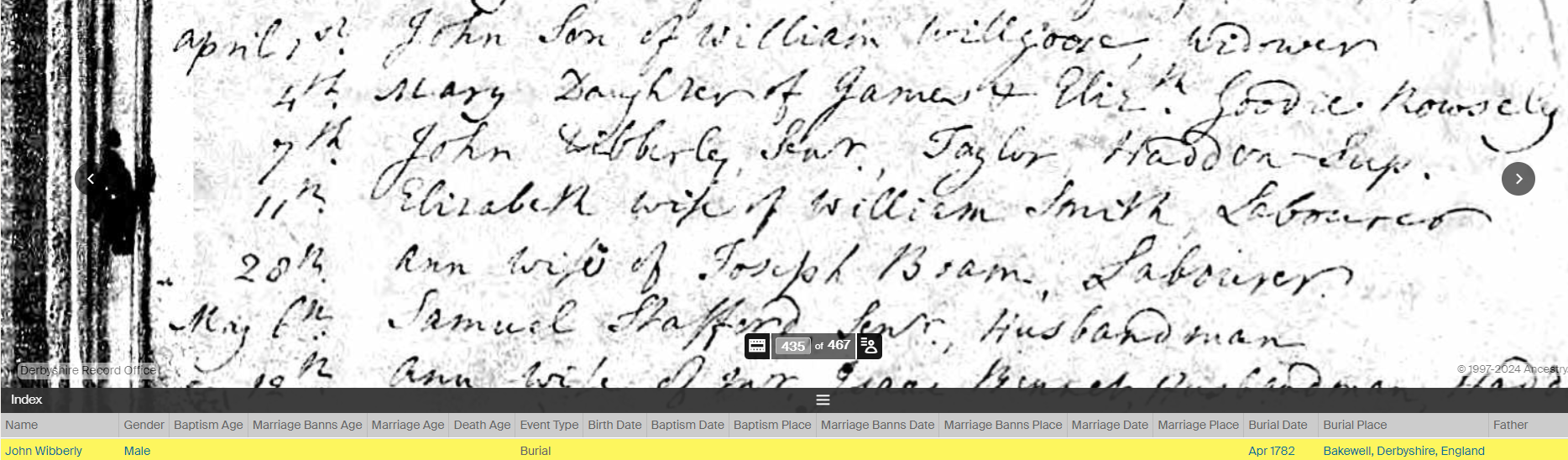
Wibberly and Newton of Over HaddonIt was noted in the Bakewell parish register in 1782 that John Wibberly 1705?-1782 (my 6x great grandfather) was “taylor of Haddon”.
James Marshall 1767-1848 (my 4x great grandfather), parish clerk of Elton, married Ann Newton 1770-1806 in Elton in 1792. In the Bakewell parish register, Ann was baptised on the 2rd of June 1770, her parents George and Dorothy Newton of Upper Haddon. The Bakewell registers at the time covered several smaller villages in the area, although what is currently known as Over Haddon was referred to as Upper Haddon in the earlier entries.
Newton:
George Newton 1728-1798 was the son of George Newton 1706- of Upper Haddon and Jane Sailes, who were married in 1727, both of Upper Haddon.
George Newton born in 1706 was the son of George Newton 1676- and Anne Carr, who were married in 1701, both of Upper Haddon.
George Newton born in 1676 was the son of John Newton 1647- and Alice who were married in 1673 in Bakewell. There is no last name for Alice on the marriage transcription.
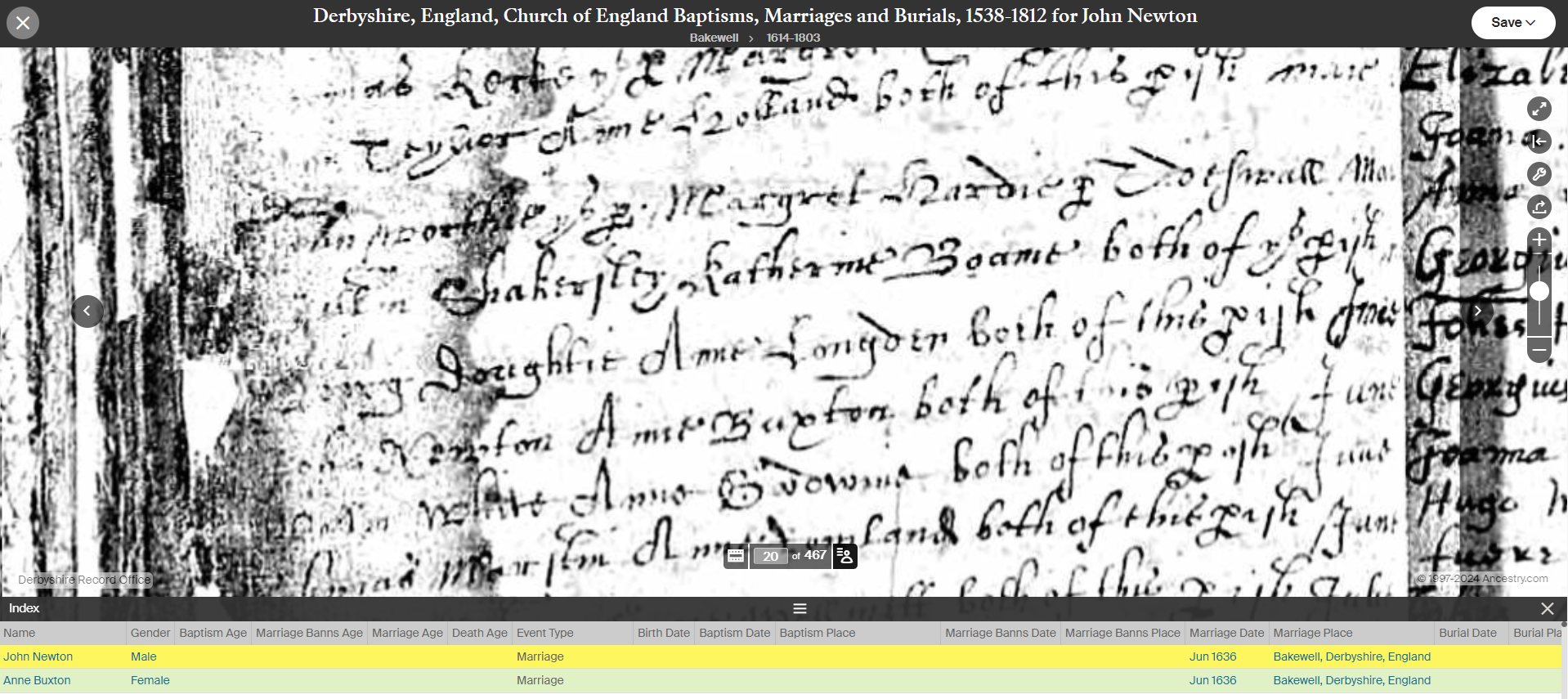
John Newton born in 1647 (my 9x great grandfather) was the son of John Newton and Anne Buxton (my 10x great grandparents), who were married in Bakewell in 1636.
1636 marriage of John Newton and Anne Buxton:
Wibberly
Dorothy Wibberly 1731-1827 married George Newton in 1755 in Bakewell. The entry in the parish registers says that they were both of Over Haddon. Dorothy was baptised in Bakewell on the 25th June 1731, her parents were John and Mary of Over Haddon.

John Wibberly and Mary his wife baptised nine children in Bakewell between 1730 and 1750, and on all of the entries in the parish registers it is stated that they were from Over Haddon. A parish register entry for John and Mary’s marriage has not yet been found, but a marriage in Beeley, a tiny nearby village, in 1728 to Mary Mellor looks likely.
John Wibberly died in Over Haddon in 1782. The entry in the Bakewell parish register notes that he was “taylor of Haddon”.
The tiny village of Over Haddon was historically associated with Haddon Hall.
A baptism for John Wibberly has not yet been found, however, there were Wibersley’s in the Bakewell registers from the early 1600s:
1619 Joyce Wibersley married Raphe Cowper.
1621 Jocosa Wibersley married Radulphus Cowper
1623 Agnes Wibersley married Richard Palfreyman
1635 Cisley Wibberlsy married ? Mr. Mason
1653 John Wibbersly married Grace DaykenHaddon Hall
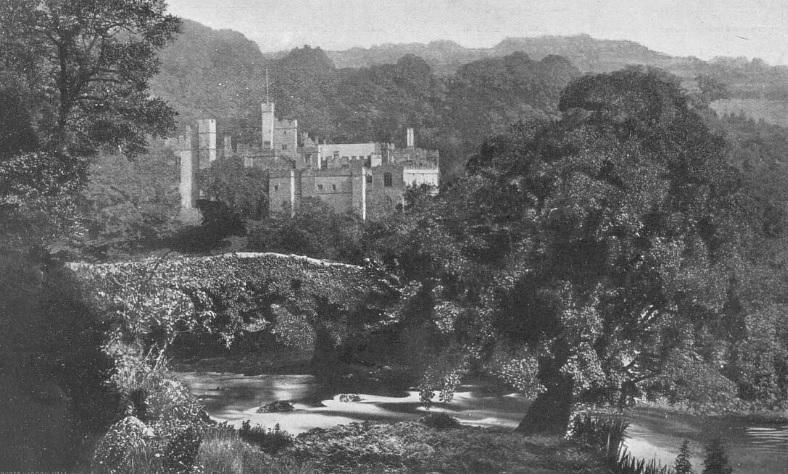
Sir Richard Vernon (c. 1390 – 1451) of Haddon Hall.
Vernon’s property was widespread and varied. From his parents he inherited the manors of Marple and Wibersley, in Cheshire. Perhaps the Over Haddon Wibersley’s origins were from Sir Richard Vernon’s property in Cheshire. There is, however, a medieval wayside cross called Whibbersley Cross situated on Leash Fen in the East Moors of the Derbyshire Peak District. It may have served as a boundary cross marking the estate of Beauchief Abbey. Wayside crosses such as this mostly date from the 9th to 15th centuries.Found in both The History and Antiquities of Haddon Hall by S Raynor, 1836, and the 1663 household accounts published by Lysons, Haddon Hall had 140 domestic staff.
In the book Haddon Hall, an Illustrated Guide, 1871, an example from the 1663 Christmas accounts:
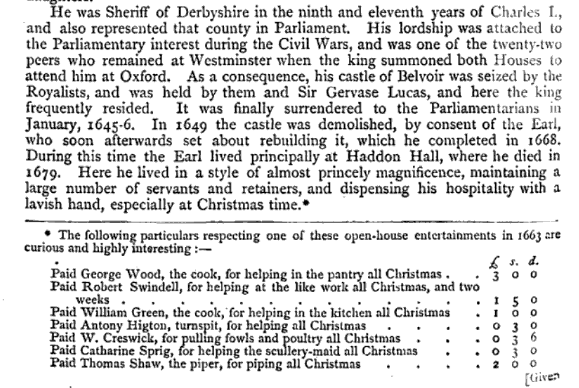
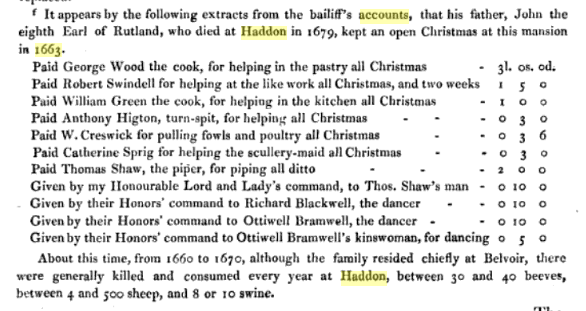
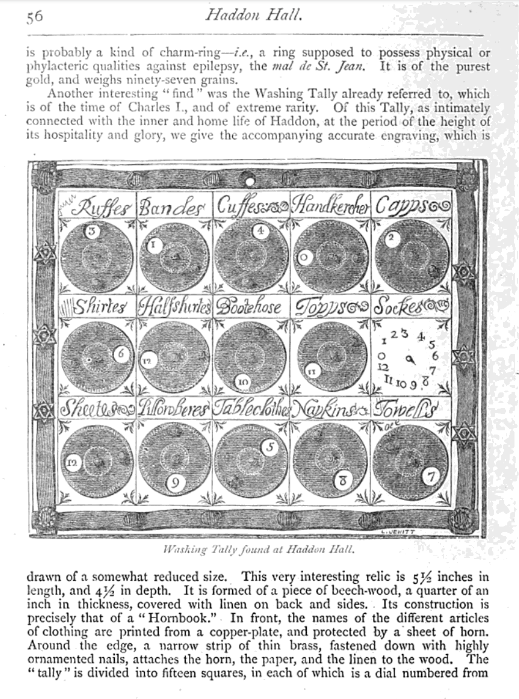
Also in this book, an early 1600s “washing tally” from Haddon Hall:
Over Haddon
Martha Taylor, “the fasting damsel”, was born in Over Haddon in 1649. She didn’t eat for almost two years before her death in 1684. One of the Quakers associated with the Marshall Quakers of Elton, John Gratton, visited the fasting damsel while he was living at Monyash, and occasionally “went two miles to see a woman at Over Haddon who pretended to live without meat.” from The Reliquary, 1861.
August 21, 2024 at 12:27 pm #7546In reply to: The Elusive Samuel Housley and Other Family Stories
The Potters of Darley Bridge
Rebecca Knowles 1745-1823, my 5x great grandmother, married Charles Marshall 1742-1819, the churchwarden of Elton, in Darley, Derbyshire, in 1767. Rebecca was born in Darley in 1745, the youngest child of Roger Knowles 1695-1784, and Martha Potter 1702?-1772.
Although Roger and Martha were both from Darley, they were married in South Wingfield by licence in 1724. Roger’s occupation on the marriage licence was lead miner. (Lead miners in Derbyshire at that time usually mined their own land.) Jacob Potter signed the licence so I assumed that Jacob Potter was her father.
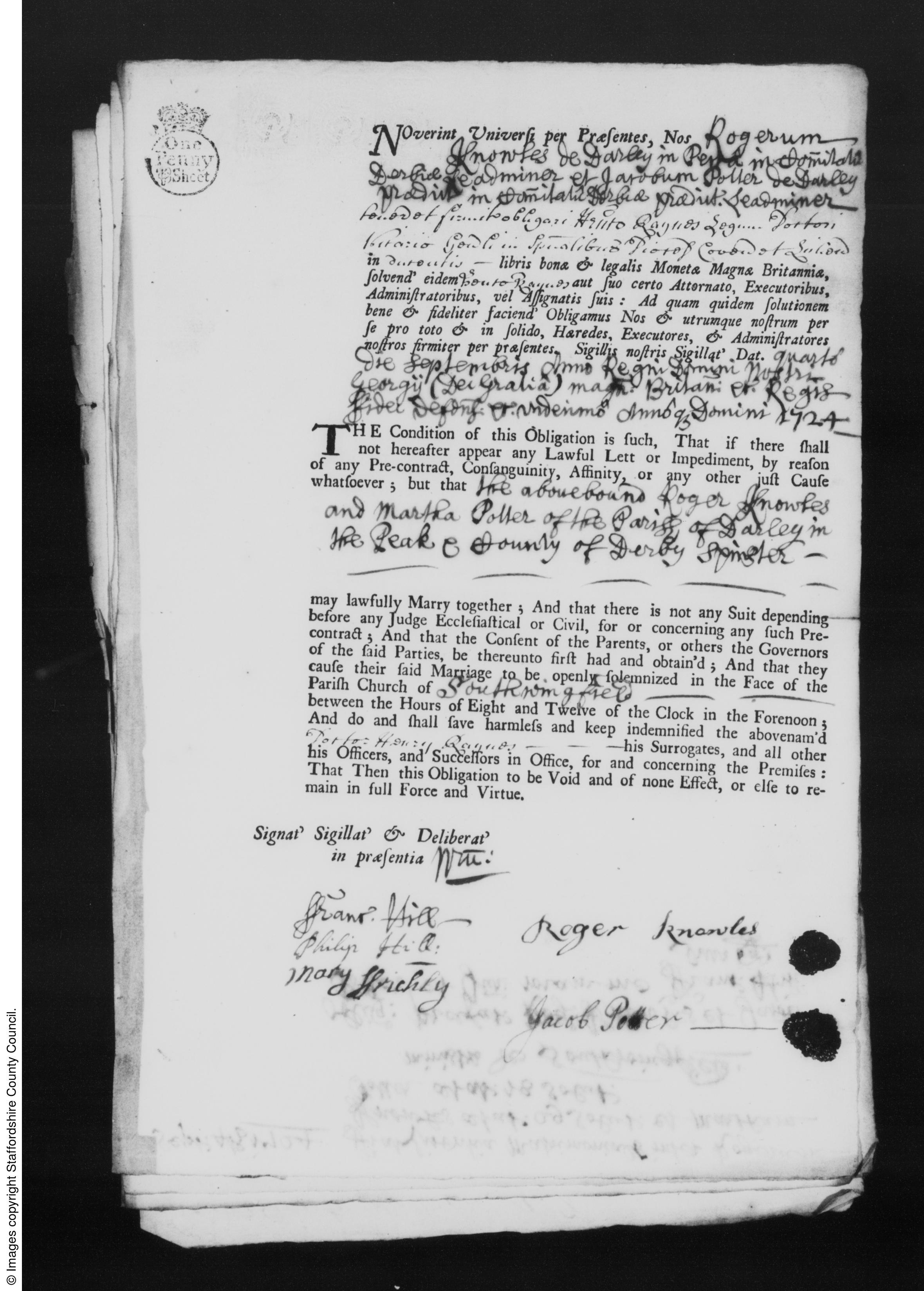
I then found the will of Jacobi Potter who died in 1719. However, he signed the will James Potter. Jacobi is latin for James. James Potter mentioned his daughter Martha in his will “when she comes of age”. Martha was the youngest child of James. James also mentioned in his will son James AND son Jacob, so there were both James’s and Jacob’s in the family, although at times in the documents James is written as Jacobi!
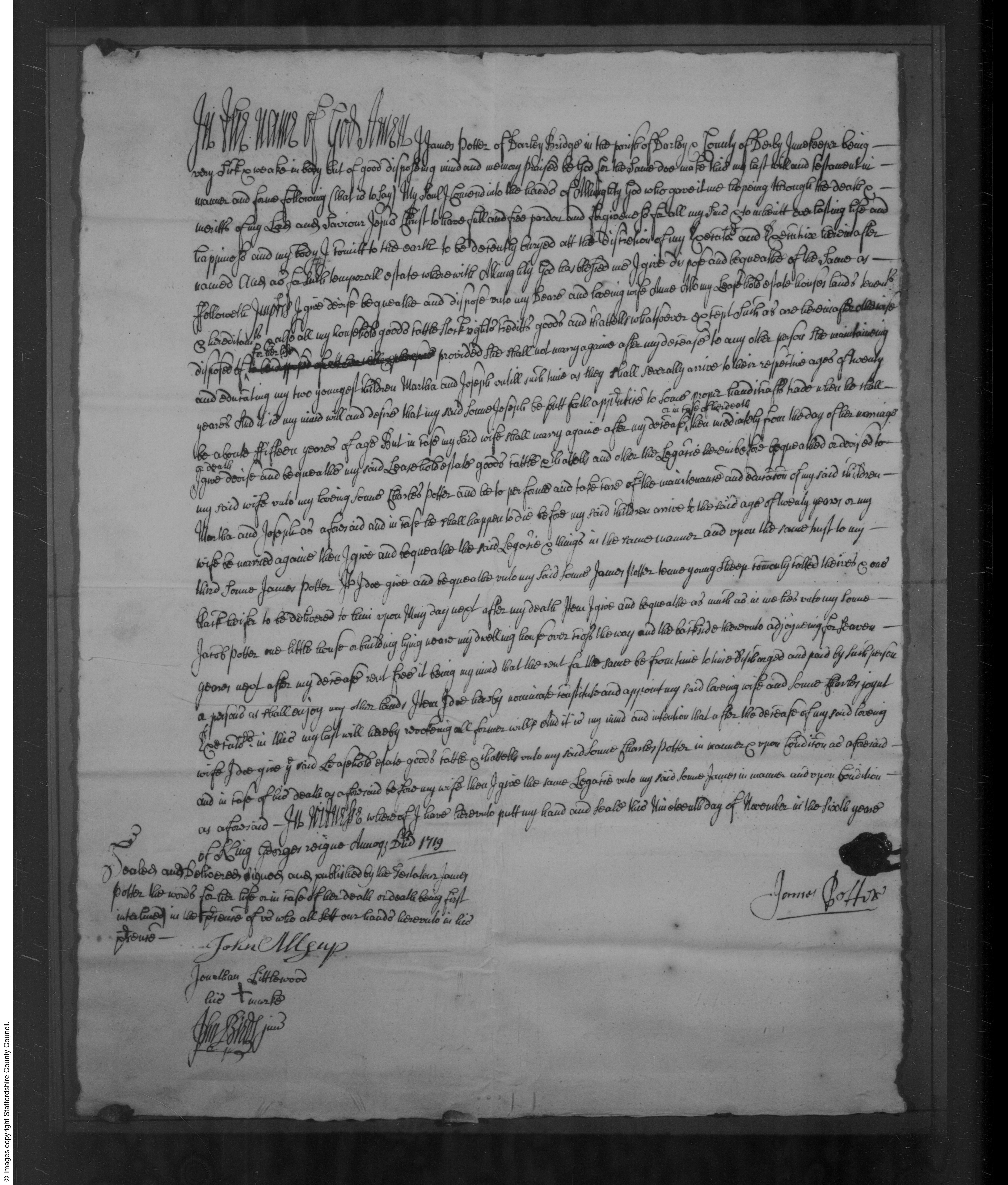
Jacob Potter who signed Martha’s marriage licence was her brother Jacob.
Martha’s brother James mentioned his sister Martha Knowles in his 1739 will, as well as his brother Jacob and his brother Joseph.
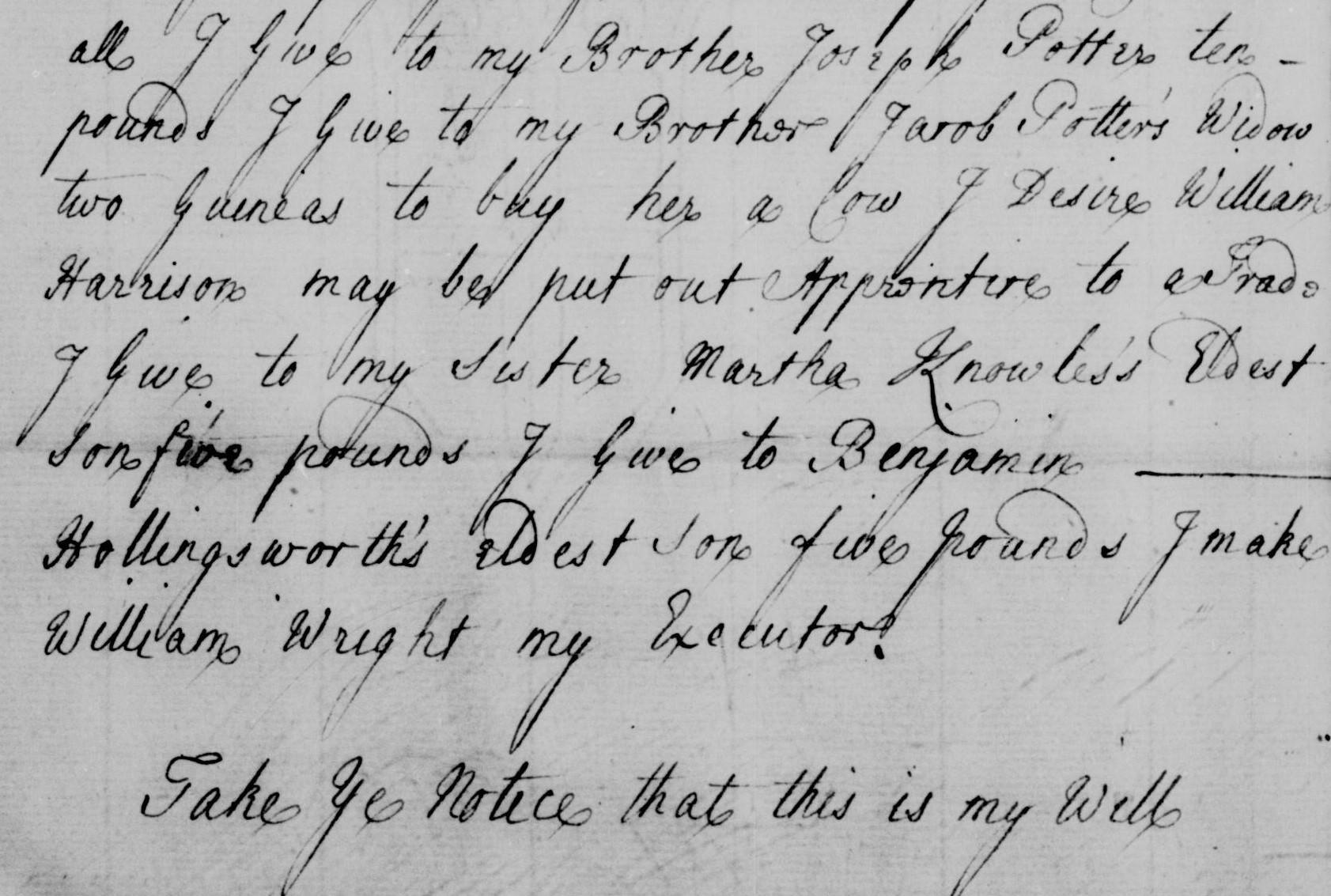
Martha’s father James Potter mentions his wife Ann in his 1719 will. James Potter married Ann Waterhurst in 1690 in Wirksworth, some seven miles from Darley. James occupation was innkeeper at Darley Bridge.
I did a search for Waterhurst (there was only a transcription available for that marriage, not a microfilm) and found no Waterhursts anywhere, but I did find many Warhursts in Derbyshire. In the older records, Warhust is also spelled Wearhurst and in a number of other ways. A Martha Warhurst died in Peak Forest, Derbyshire, in 1681. Her husbands name was missing from the deteriorated register pages. This may or may not be Martha Potter’s grandmother: the records for the 1600s are scanty if they exist at all, and often there are bits missing and illegible entries.
The only inn at Darley Bridge was The Three Stags Heads, by the bridge. It is now a listed building, and was on a medieval packhorse route. The current building was built in 1736, however there is a late 17th century section at rear of the cross wing. The Three Stags Heads was up for sale for £430,000 in 2022, the closure a result of the covid pandemic.

Another listed building in Darley Bridge is Potters Cottage, with a plaque above the door that says “Jonathan and Alice Potter 1763”. Jonathan Potter 1725-1785 was James grandson, the son of his son Charles Potter 1691-1752. His son Charles was also an innkeeper at Darley Bridge: James left the majority of his property to his son Charles.
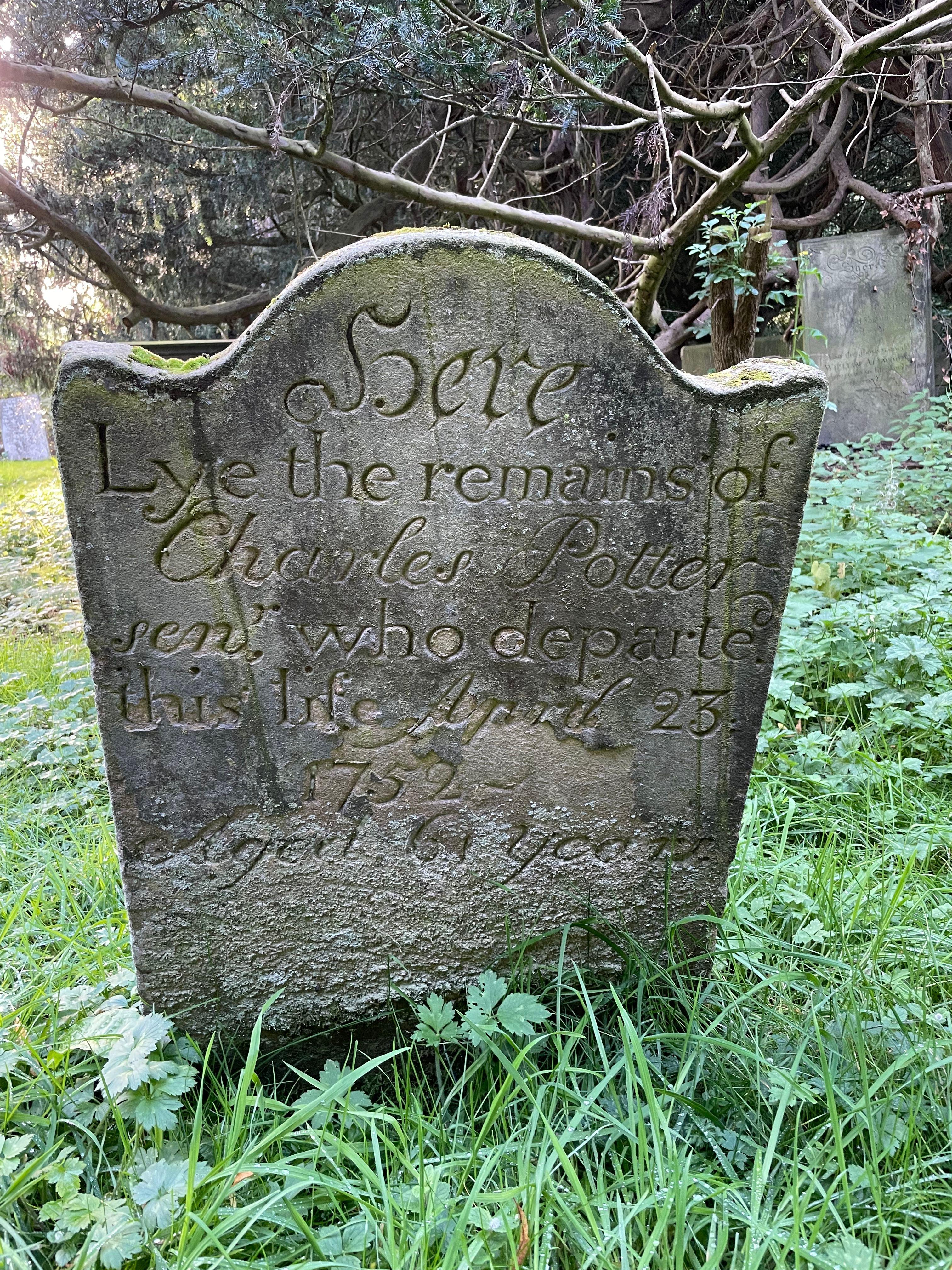
Charles is the only child of James Potter that we know the approximate date of birth, because his age was on his grave stone. I haven’t found any of their baptisms, but did note that many Potters were baptised in non conformist registers in Chesterfield.
Potters Cottage
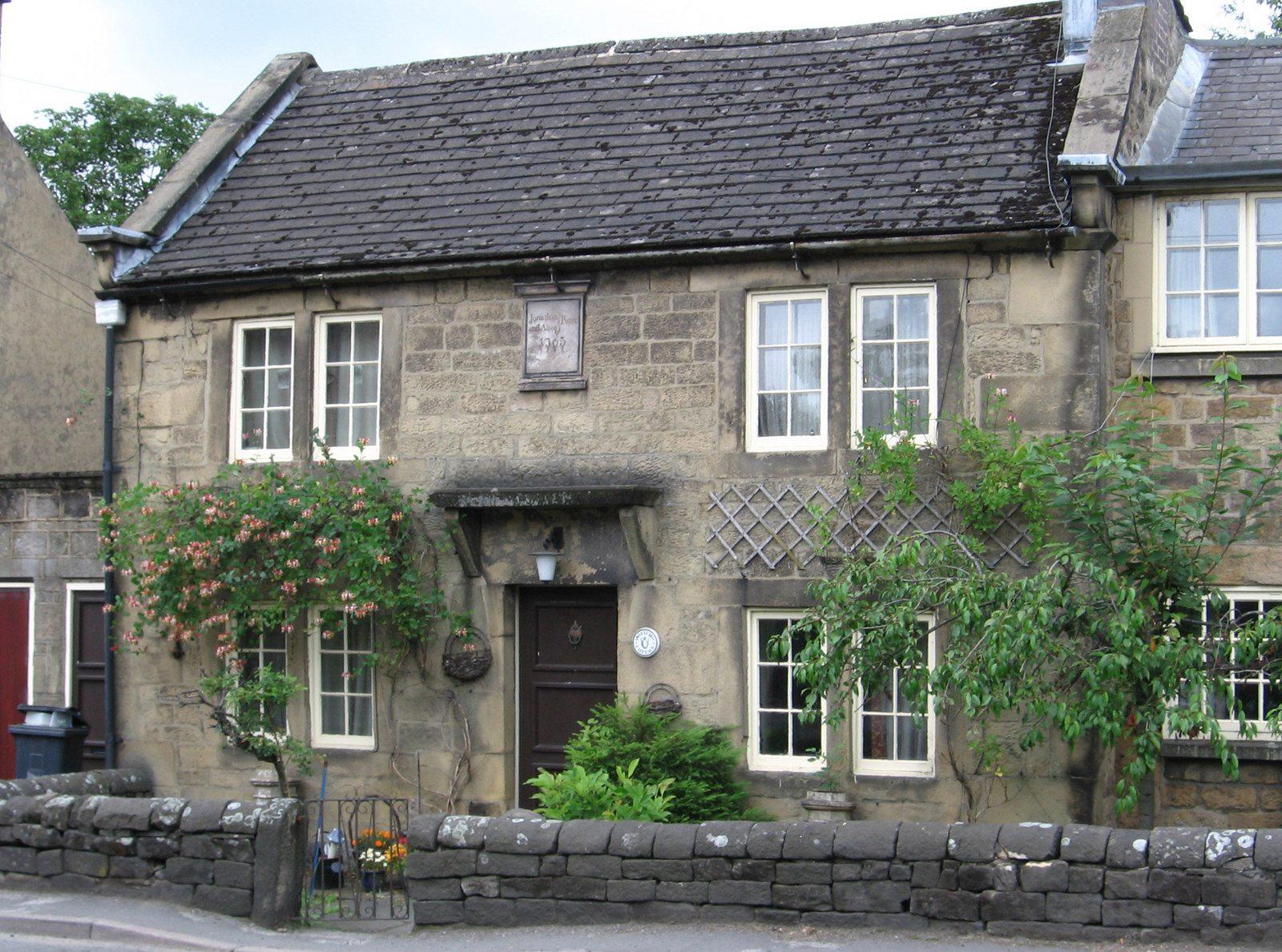
Jonathan Potter of Potters Cottage married Alice Beeley in 1748.
“Darley Bridge was an important packhorse route across the River Derwent. There was a packhorse route from here up to Beeley Moor via Darley Dale. A reference to this bridge appears in 1504… Not far to the north of the bridge at Darley Dale is Church Lane; in 1635 it was known as Ghost Lane after a Scottish pedlar was murdered there. Pedlars tended to be called Scottish only because they sold cheap Scottish linen.”
via Derbyshire Heritage website.
According to Wikipedia, the bridge dates back to the 15th century.
August 16, 2024 at 2:56 pm #7544In reply to: The Elusive Samuel Housley and Other Family Stories
Youlgreave
The Frost Family and The Big Snow
The Youlgreave parish registers are said to be the most complete and interesting in the country. Starting in 1558, they are still largely intact today.
“The future historian of this parish will find a vast stock of material ready to hand, and if such a work was ever accomplished it would once more be seen how the history of even a remote village is but the history of the nation in little; how national victories were announced on the church bells, and national disasters by the proclamation of a form of prayer…”
J. Charles Cox, Notes on the Churches of Derbyshire, 1877.
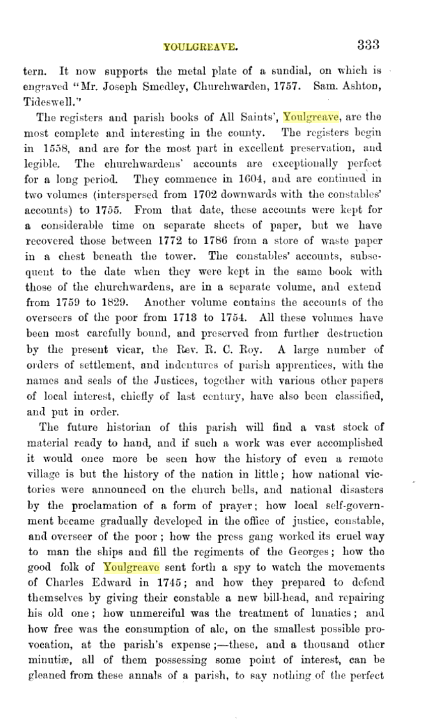
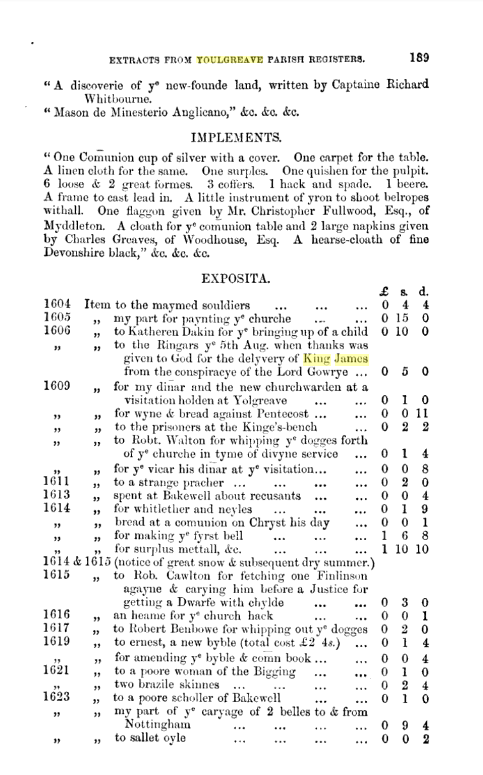
Although the Youlgreave parish registers are available online on microfilm, just the baptisms, marriages and burials are provided on the genealogy websites. However, I found some excerpts from the churchwardens accounts in a couple of old books, The Reliquary 1864, and Notes on Derbyshire Churches 1877.
Hannah Keeling, my 4x great grandmother, was born in Youlgreave, Derbyshire, in 1767. In 1791 she married Edward Lees of Hartington, Derbyshire, a village seven and a half miles south west of Youlgreave. Edward and Hannah’s daughter Sarah Lees, born in Hartington in 1808, married Francis Featherstone in 1835. The Featherstone’s were farmers. Their daughter Emma Featherstone married John Marshall from Elton. Elton is just three miles from Youlgreave, and there are a great many Marshall’s in the Youlgreave parish registers, some no doubt distantly related to ours.
Hannah Keeling’s parents were John Keeling 1734-1823, and Ellen Frost 1739-1805, both of Youlgreave.
On the burial entry in the parish registers in Youlgreave in 1823, John Keeling was 88 years old when he died, and was the “late parish clerk”, indicating that my 5x great grandfather played a part in compiling the “best parish registers in the country”. In 1762 John’s father in law John Frost died intestate, and John Keeling, cordwainer, co signed the documents with his mother in law Ann. John Keeling was a shoe maker and a parish clerk.
John Keeling’s father was Thomas Keeling, baptised on the 9th of March 1709 in Youlgreave and his parents were John Keeling and Ann Ashmore. John and Ann were married on the 6th April 1708. Some of the transcriptions have Thomas baptised in March 1708, which would be a month before his parents married. However, this was before the Julian calendar was replaced by the Gregorian calendar, and prior to 1752 the new year started on the 25th of March, therefore the 9th of March 1708 was eleven months after the 6th April 1708.
Thomas Keeling married Dorothy, which we know from the baptism of John Keeling in 1734, but I have not been able to find their marriage recorded. Until I can find my 6x great grandmother Dorothy’s maiden name, I am unable to trace her family further back.
Unfortunately I haven’t found a baptism for Thomas’s father John Keeling, despite that there are Keelings in the Youlgrave registers in the early 1600s, possibly it is one of the few illegible entries in these registers.
The Frosts of Youlgreave
Ellen Frost’s father was John Frost, born in Youlgreave in 1707. John married Ann Staley of Elton in 1733 in Youlgreave.
(Note that this part of the family tree is the Marshall side, but we also have Staley’s in Elton on the Warren side. Our branch of the Elton Staley’s moved to Stapenhill in the mid 1700s. Robert Staley, born 1711 in Elton, died in Stapenhill in 1795. There are many Staley’s in the Youlgreave parish registers, going back to the late 1500s.)
John Frost (my 6x great grandfather), miner, died intestate in 1762 in Youlgreave. Miner in this case no doubt means a lead miner, mining his own land (as John Marshall’s father John was in Elton. On the 1851 census John Marshall senior was mining 9 acres). Ann Frost, as the widow and relict of the said deceased John Frost, claimed the right of administration of his estate. Ann Frost (nee Staley) signed her own name, somewhat unusual for a woman to be able to write in 1762, as well as her son in law John Keeling.
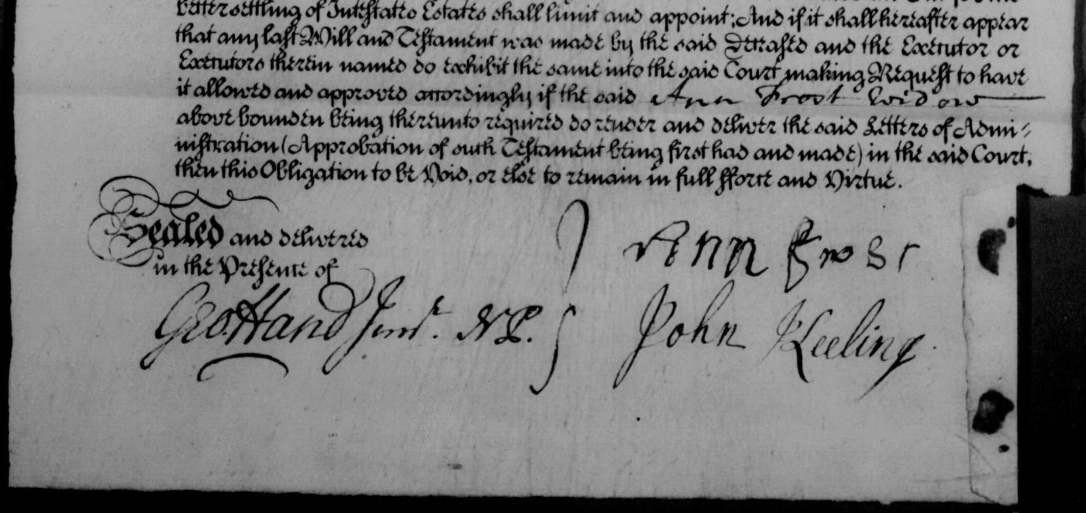
John’s parents were David Frost and Ann. David was baptised in 1665 in Youlgreave. Once again, I have not found a marriage for David and Ann so I am unable to continue further back with her family. Marriages were often held in the parish of the bride, and perhaps those neighbouring parish records from the 1600s haven’t survived.
David’s parents were William Frost and Ellen (or Ellin, or Helen, depending on how the parish clerk chose to spell it). Once again, their marriage hasn’t been found, but was probably in a neighbouring parish.
William Frost’s wife Ellen, my 8x great grandmother, died in Youlgreave in 1713. In her will she left her daughter Catherine £20. Catherine was born in 1665 and was apparently unmarried at the age of 48 in 1713. She named her son Isaac Frost (born in 1662) executor, and left him the remainder of her “goods, chattels and cattle”.
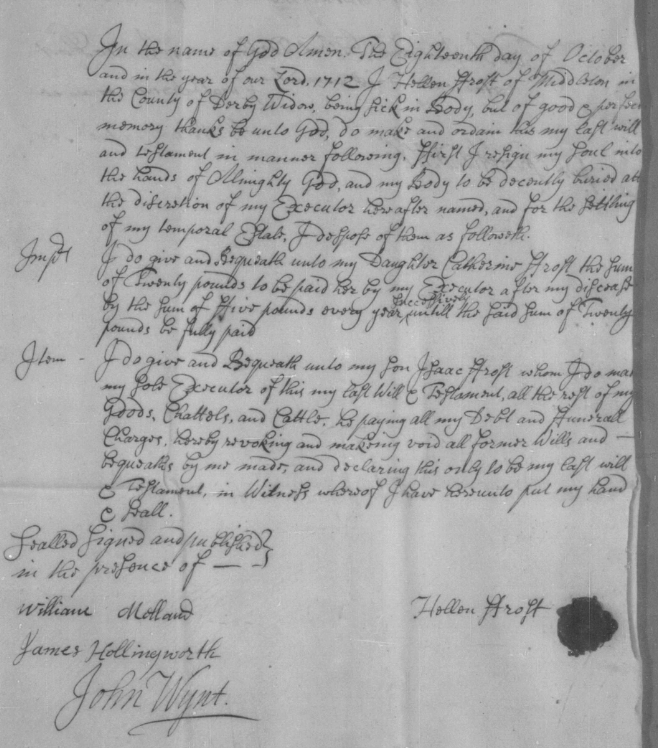
William Frost was baptised in Youlgreave in 1627, his parents were William Frost and Anne.
William Frost senior, husbandman, was probably born circa 1600, and died intestate in 1648 in Middleton, Youlgreave. His widow Anna was named in the document. On the compilation of the inventory of his goods, Thomas Garratt, Will Melland and A Kidiard are named.(Husbandman: The old word for a farmer below the rank of yeoman. A husbandman usually held his land by copyhold or leasehold tenure and may be regarded as the ‘average farmer in his locality’. The words ‘yeoman’ and ‘husbandman’ were gradually replaced in the later 18th and 19th centuries by ‘farmer’.)
Unable to find a baptism for William Frost born circa 1600, I read through all the pages of the Youlgreave parish registers from 1558 to 1610. Despite the good condition of these registers, there are a number of illegible entries. There were three Frost families baptising children during this timeframe and one of these is likely to be Willliam’s.
Baptisms:
1581 Eliz Frost, father Michael.
1582 Francis f Michael. (must have died in infancy)
1582 Margaret f William.
1585 Francis f Michael.
1586 John f Nicholas.
1588 Barbara f Michael.
1590 Francis f Nicholas.
1591 Joane f Michael.
1594 John f Michael.
1598 George f Michael.
1600 Fredericke (female!) f William.Marriages in Youlgreave which could be William’s parents:
1579 Michael Frost Eliz Staley
1587 Edward Frost Katherine Hall
1600 Nicholas Frost Katherine Hardy.
1606 John Frost Eliz Hanson.Michael Frost of Youlgreave is mentioned on the Derbyshire Muster Rolls in 1585.
(Muster records: 1522-1649. The militia muster rolls listed all those liable for military service.)
Frideswide:
A burial is recorded in 1584 for Frideswide Frost (female) father Michael. As the father is named, this indicates that Frideswide was a child.
(Frithuswith, commonly Frideswide c. 650 – 19 October 727), was an English princess and abbess. She is credited as the foundress of a monastery later incorporated into Christ Church, Oxford. She was the daughter of a sub-king of a Merica named Dida of Eynsham whose lands occupied western Oxfordshire and the upper reaches of the River Thames.)
An unusual name, and certainly very different from the usual names of the Frost siblings. As I did not find a baptism for her, I wondered if perhaps she died too soon for a baptism and was given a saints name, in the hope that it would help in the afterlife, given the beliefs of the times. Or perhaps it wasn’t an unusual name at the time in Youlgreave. A Fridesweda Gilbert was buried in Youlgreave in 1604, the spinster daughter of Francis Gilbert. There is a small brass effigy in the church, underneath is written “Frideswide Gilbert to the grave, Hath resigned her earthly part…”
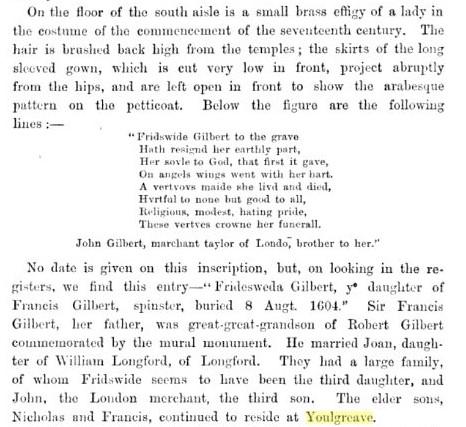
J. Charles Cox, Notes on the Churches of Derbyshire, 1877.
King James
A parish register entry in 1603:
“1603 King James of Skottland was proclaimed kinge of England, France and Ireland at Bakewell upon Monday being the 29th of March 1603.” (March 1603 would be 1604, because of the Julian calendar in use at the time.)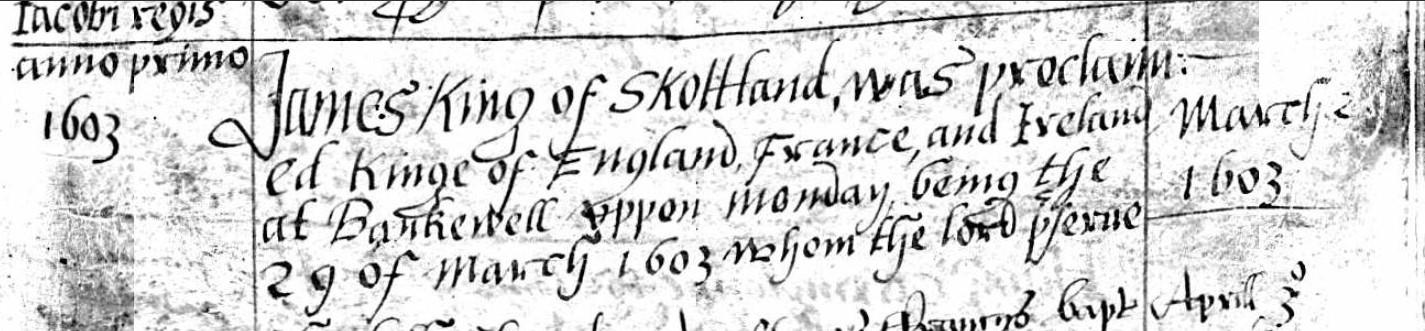
The Big Snow
“This year 1614/5 January 16th began the greatest snow whichever fell uppon the earth within man’s memorye. It covered the earth fyve quarters deep uppon the playne. And for heaps or drifts of snow, they were very deep; so that passengers both horse or foot passed over yates, hedges and walles. ….The spring was so cold and so late that much cattel was in very great danger and some died….”
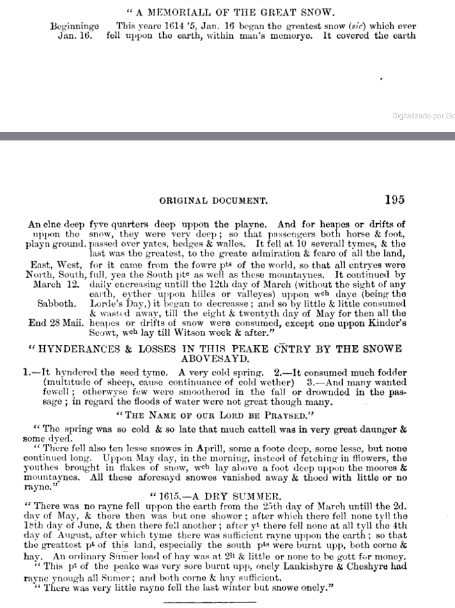
From the Youlgreave parish registers.
Our ancestor William Frost born circa 1600 would have been a teenager during the big snow.
July 19, 2024 at 12:26 pm #7536In reply to: The Incense of the Quadrivium’s Mystiques
The rainbow was neon bright, one end disappearing behind a spinney in the distance, and the other end landing squarely in the middle of the glamping pods. A good sign! thought Truella, the first of the coven to arrive. For a moment she imagined herself digging a hole right there, and finding the elusive pot of gold. I wouldn’t be able to do that in a fancy hotel. For once, Truella was happy with Austreberthe’s choice. A week or two in a green field sounded relaxing, refreshing. So much more to her taste than the endless fitted carpets, closed windows, and artifically controlled air blasting out of metal grilles in hotels.
Taking a deep breath of cool fresh air, she surveyed the site before checking into reception. The neighbouring fields were full of cows, perfect for her to practice her Bubona spells on before she set up her Goddess Spell Booth. The Goddess spell tents were to be open in the evenings, after the games each day, along with other stalls selling handicrafts, homemade cakes and jams, wines and potions, trinkets and souvenirs, and all the other tat that people on holiday enjoyed browsing. Obviously the coven would have a stall selling incense. No doubt Austreberthe would have hatched some hard sell plan for that.
Inside the reception office, Truella pinged the bell and waited for someone to attend. The registration book was open on the counter and Truella craned her neck to read the names on the list. She planned to ask for a pod in a far corner, near the hedgerow. It might make it easier to slip out unnoticed, if she should have a mind to do so. The door behind the counter opened and a young man appeared, smiling a welcome. But not before Truella had seen the name on the list. She sucked her breath in sharply. Malove! Nobody was expecting her. Did Austreberthe know?
“Welcome to Finnegan’s Farm Glampsite, I’m Liam,” said the young man, pushing long mousy hair out of his eyes, “You’ve a booking I take it, because we’re fully booked up for the next fortnight. Because of the Games, you see.”
Replying that she did, Truella asked for a pod in the furthest corner. Liam looked at a list and frowned. “The corners are all taken, I’m afraid. But I tell you what,” he said, “As you’re the first to arrive I’ll swap your pod, let’s see…” He scanned the list. “Ah yes, the late booking. I can put you in the one we’ve assigned to Mrs …Malone I think it says, and put her in yours.”
“Thank you very much, Liam,” Truella said as he handed her a key with a big wooden tag with the number 33 etched on it.
“I’ll carry your bags over and show you where it is, follow me.”
June 20, 2024 at 6:43 am #7509In reply to: The Incense of the Quadrivium’s Mystiques
Rufus was not a man for small talk and the past couple of hours had been punishing for a man of his reticent character. He would have liked to get to know Truella better to try and recall which life he’d known her in, for he was sure now that it wasn’t a past encounter in this one, but that was not something to discuss in a crowded room. It would have to wait. Despite being a serious man himself, he had found the more frivolous and jolly witches and nuns more compatible than the severe looking grim ones. Even so, having to meet and speak to so many people in such a short time was overwhelming.
As soon as he could politely do so, he excused himself. Avoiding the smoky courtyard, he wandered around the labyrinthine building looking for another way outside. There were tapestries hanging on the walls in every room, ancient and faded, many with unusual designs. Rufus photographed them all in order to have a closer look at them later in the solitude of his room. The wall hanging with the frogs caught his eye in particular, and without thinking he found himself touching the Punic frog amulet hanging on his chest underneath his white silk shirt. As he lingered looking at the frog tapestry, he was startled by the swish of Bartolo’s robes behind him. Bartolo looked at him keenly for what seemed like an interminable length of time but in reality was only a moment. Damn it, he seemed familiar too.
“Exquisite decor, Brother, I like this one in particular. Such needlework! May I ask the provenance of this specimen?” Rufus tried to lighten the mood, not that lightening the mood had ever been his strong suit. “It looks very old, I assume this is not a recently made handicraft?”
Brother Bartolo decided to play along. He had recognised Rufus immediately, as if the name wasn’t enough of a clue, his eyes were exactly the same as old Rufino’s had been. Rufino, one of the oldest Punic families in Baetica. Oh, Bartolo remembered them well.
“That one has been hanging here since well before the convent was built,” Bartolo explained. “It happens to be one of my favourites. Another glass of cordial, sir?”
“No thank you Brother, I need some fresh air. I’d like to see the gardens, if I may.”
“Follow me,” replied Bartolo, as he lumbered down the passage. “The kitchen gardens are through here. There’s a gate at the end of that path to the rest of the grounds. Don’t worry about the mongoose, they’re quite tame.”
Such was the relief to be outside on his own, that Rufus didn’t immediately wonder what Brother Bartolo had meant. That frog tapestry had been hanging right there since before the convent was built? Hanging on what? Rufus’s hand involuntarily clutched his amulet again.
-
AuthorSearch Results