


Search Results for 'taken'
-
AuthorSearch Results
-
January 19, 2026 at 6:51 pm #8051
In reply to: The Hoards of Sanctorum AD26
“Lace, did you say?” asked Cerenise with interest. “I must have a look at it. Stench, you say? How very odd. But I want to see it. Fetch me the container while I look for my mask and rubber gloves.”
“I’m not going near it again, I’ll get Boothroyd to bring it,” Spirius replied making a hasty exit.
“I’d have thought you’d have wanted to bottle the smell, Spirius.”
In due course the gardener appeared holding a container at arms length with a pained expression on his face. “Stinks worse than keeg, this does, and I’ve smelled some manure and compost in my time, but never anything as disgusting as this. Where am I to put it?”
Cerenise cleared a space on a table piled with old books and catalogues. “Gosh, that is a pong, isn’t it! Reminds me of something,” she said twitching her nose. “There is a delicate note of ~ what is it?”
“Dead rats?” suggested Boothroyd helpfully, adding “Will that be all?” as he backed towards the door.
As Cerenise lifted the lid, the gardener turned and fled.
“Why, it’s a Nottingham lace Lambrequin window drape if I’m not mistaken!” exclaimed Cerenise, gently lifting the delicate fabric and holding it up to the light. “Probably 1912 or thereabouts, and in perfect condition.”
“Perfectly rancid,” said Yvoise, her voice muffled by the thick towel she had wrapped around her mouth and nose.
“Come and look, it’s a delightful specimen. Not terribly rare, but it wonderful condition. Oh look! There’s another piece underneath. Aha! seventeenth century bone lace!”
Yvoise crept closer. “What’s that other thing? Is that where the smell’s coming from?”
“By Georges, I think you’re right. It’s a bone bobbin. Bone lace, they used to call it, until they started making bobbins out of wood.” Cerenise was pleased. She could get Mrs Fennel to wash the lace and then she could add it to her collection. “Spirius can bottle the bone bobbin and bury it in Bobbington Woods.”
Duly summoned from the kitchen, the faithful daily woman appeared, drying her hands on her apron.
“Pooo eee!” exclaimed Mrs Fennel, “That’ll need a good boil in bleach, will that!”
“Good lord woman, no! A gentle soak in some soap should do it. It won’t smell half so bad as soon as this bone bobbin is removed.”
“Did you say BONE bobbin?” asked Helier from a relatively safe distance just outside the door. “WHOSE bone?”
“By Georges!” Cerenise said again. “Whose bone indeed! Therein lies the clue to the mystery, you know.”
“Can’t you just put it in a parcel and mail it to someone horrible?” suggested Mrs Fennel.
“A capital idea, Mrs Fennel, a politician. So many horrible ones to choose from though,” Yvoise was already making a mental list.
“We can mail the smelly empty box to the prime minister, but we must keep the bone bobbin safe,” said Helier. “And we must find out whose bones it was made from. Cerenise is right. It’s the clue.”
“An empty smelly box, even better. More fitting, if I do say so myself, for the prime minister,” said Mrs Fennel with some relief. At least she wasn’t going to be required to wash the bone and the box as well as the smelly lace.
January 16, 2026 at 10:55 pm #8047In reply to: The Hoards of Sanctorum AD26
That last flu had been a sorry affliction. It must have come through the vents from the depths of the sewers, no doubt—like those permafrost organisms scientists find caught in time.
It had taken down the whole lot of them in sequence after Spirius had come back victorious from his chthonian feats. Or so he said; Boothroyd was suspiciously mum about what they did with the beast’s hide. In any case, the others gave them both the benefit of the doubt. Whatever had happened during that beast chase on the inflatable dinghy had managed to clear the clogged pipes, almost miraculously. It had also gifted them this pesky flu.
Austreberthe’s requests had become an afterthought, even for the most pig-headed of them. It wasn’t a contest, or they would all have won a prize anyway. After two days of cold, fever, and fog-headed manic ideations, Helier’s head had finally cleared.
He was left with a fond familiarity for all the stuff accumulated in his search for knowledge, yet, surprisingly, a sense of disconnection from what had made them so precious all that time. He wasn’t so far gone as to want to clear everything away—Lord forbid—but he was mildly tempted to make space somewhere. He almost shuddered at the thought.
What would he move to make space? A few precious stamps? Surely not.
They had all sorts of value: sentimental, historical, artistic—you name it.
What else? Vinyl records? They would fetch a small fortune now in some circles, but to part with them?…
A book? Most sacred!… A Liz Tattler book?… He paused… nah.There was a half-chewed pencil stub on the table. It could still have a good hundred pages worth of scribbles left in it. His heart started to race at the thought of getting rid of it. A voice in his head whispered, “Give it away! Give it away! You’ll be lighter for it.”
He didn’t want to feel lighter. But he was interested in the racing heart. It was a sign of getting back some action.
He heard the squeaking roll of Cerenise’s chair before he heard her copious sneezing.
January 6, 2026 at 6:20 pm #8044In reply to: The Hoards of Sanctorum AD26
With a warm smile of approval, Cerenise tapped out the names and dates on her keyboard. So refreshing when people were original when naming the fruit of their loins, she thought. Some of the family trees she’d done for friends and clients had been a veritable cesspit of endlessly repeated Johns and Marys, Williams and Elizabeths. Despite suppressing a shudder when introduced to a modern human named River or Sky, or worse, the ridiculously creative spelling of a common name, some of the older examples of unusual names she found quite delightful. Especially, it had to be said, French ones.
Pierre Wenceslas Varlet born on the 28th of September, 1824 in Clenleu, Pas-de-Calais, brother of Austreberthe Varlet, born two years previously on the 8th of June. Wenceslas! What would you call Wenceslas for short? she mused. Wence?
“An ’twere not as good a deed as drink to turn true man and to leave these rogues, I am the veriest varlet that ever chewed with a tooth”.
A cautious knock at the door interrupted Cerenise’s mental meanderings.
“Enter,” she called, and Laddie Bentry sidled in looking sheepish.
“Ah, it’s you, the veriest varlet of number 26. Well, what is it? You look as though you accidentally dropped Helier’s trashy novel in the water butt.”
Taken aback by Cernice’s perspicacity, Laddie recoiled slightly and then squared his shoulders. “How did you know?” he asked.
“Oh just a lucky guess,” Cerenise replied breezily, tapping the side of her nose. “I suppose you want me to order you another copy from Amaflob before he notices? I’ll arrange for an express delivery. Keep an eye out for the delivery man”
Waving away his thanks, she picked up the old document on her desk that Yvoise had kindly provided, albeit reluctantly, and squinted at it. She could make out the name Austreberthe, but what did the rest say?
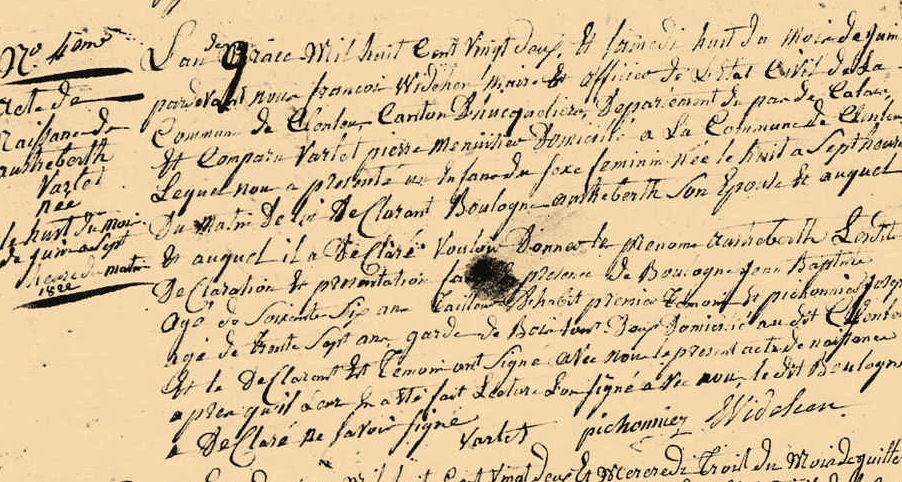
Cerenise dozed off, dreaming of the Folies Bergere. The atmosphere was exciting and convivial at first, escalating into an eruption of approval when the new act came on the stage. Cerenise felt the energy of the crowd but her attention was drawn to the flamboyant figure of a man dressed as one of the three kings of the Magi, and he was making his way over to her. Why, it was Lazuli Galore! What on earth was he doing here? And who was that dumpy overly made up woman in the blue dress, Godfreda, who had tagged along with them?
Another knock on the door wakened her and she called out “Come in!” in an irritable tone. She’d been having such fun in the dream. “Oh it’s you, oh good, the book has arrived.”
Laddie shifted his feet and replied, “Well yes, a Liz Tattler novel has arrived.”
“Oh, good, well be off with you then so I can get on with my work.”
“But it’s not The Vampires of Varna. It’s The Valedictorian Vampires of Valley View High.”
“Jolly good, I expect you’ll enjoy it,” Cerenise said, picking up the old document again and peering at it. Perceiving that Laddie had not yet exited the room, she looked up. “Helier won’t notice, those books are all the same. Now get off with you.”
July 16, 2025 at 6:06 am #7969In reply to: The Elusive Samuel Housley and Other Family Stories
Gatacre Hall and The Old Book
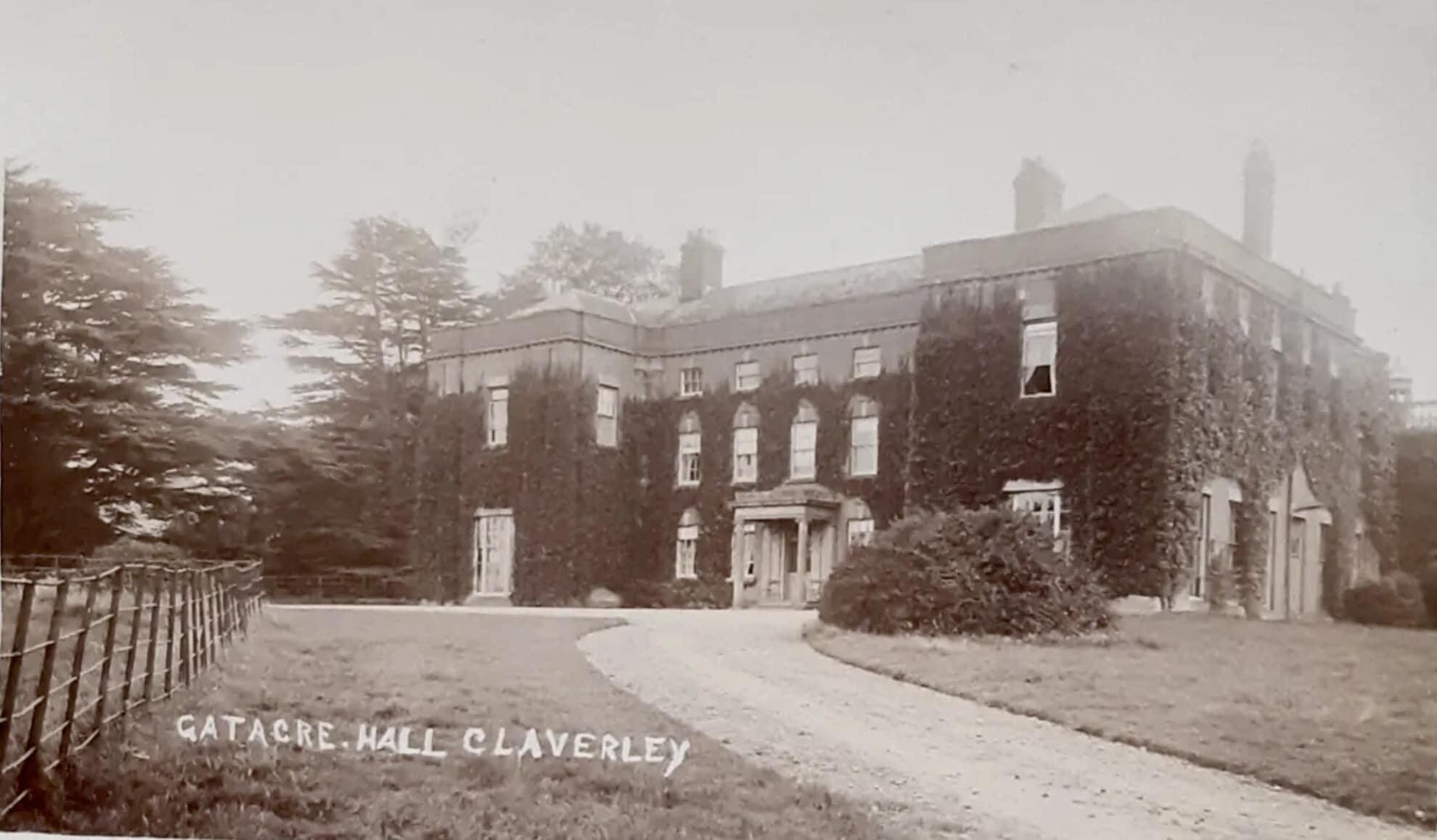
In the early 1950s my uncle John and his friend, possibly John Clare, ventured into an abandoned old house while out walking in Shropshire. He (or his friend) saved an old book from the vandalised dereliction and took it home. Somehow my mother ended up with the book.
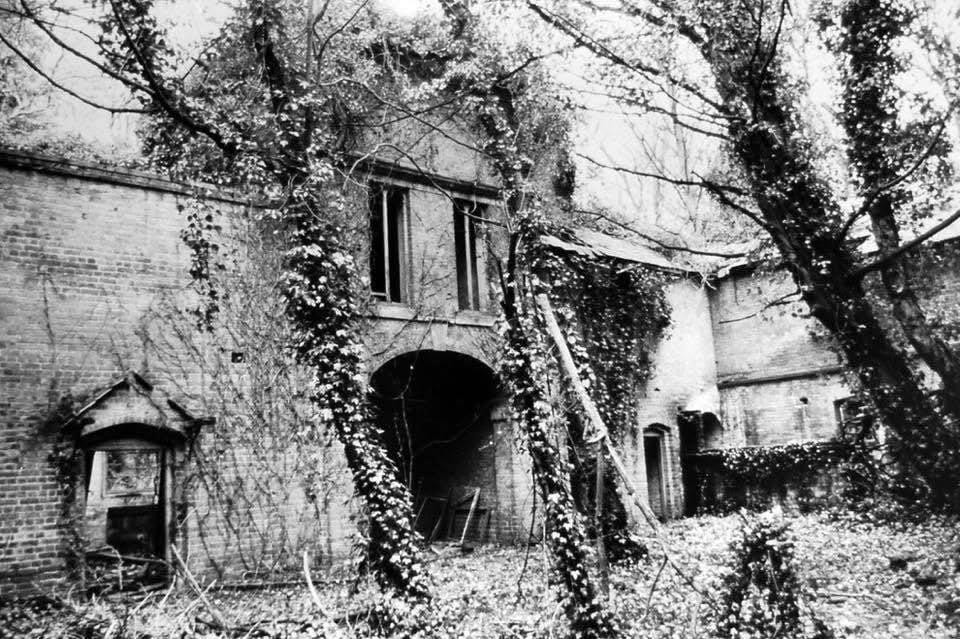
I remember that we had the book when we were living in USA, and that my mother said that John didn’t want the book in his house. He had said the abandoned hall had been spooky. The book was heavy and thick with a hard cover. I recall it was a “magazine” which seemed odd to me at the time; a compendium of information. I seem to recall the date 1553, but also recall that it was during the reign of Henry VIII. No doubt one of those recollections is wrong, probably the date. It was written in English, and had illustrations, presumably woodcuts.
I found out a few years ago that my mother had sold the book some years before. Had I known she was going to sell it, I’d have first asked her not to, and then at least made a note of the name of it, and taken photographs of it. It seems that she sold the book in Connecticut, USA, probably in the 1980’s.
My cousin and I were talking about the book and the story. We decided to try and find out which abandoned house it was although we didn’t have much to go on: it was in Shropshire, it was in a state of abandoned dereliction in the early 50s, and it contained antiquarian books.
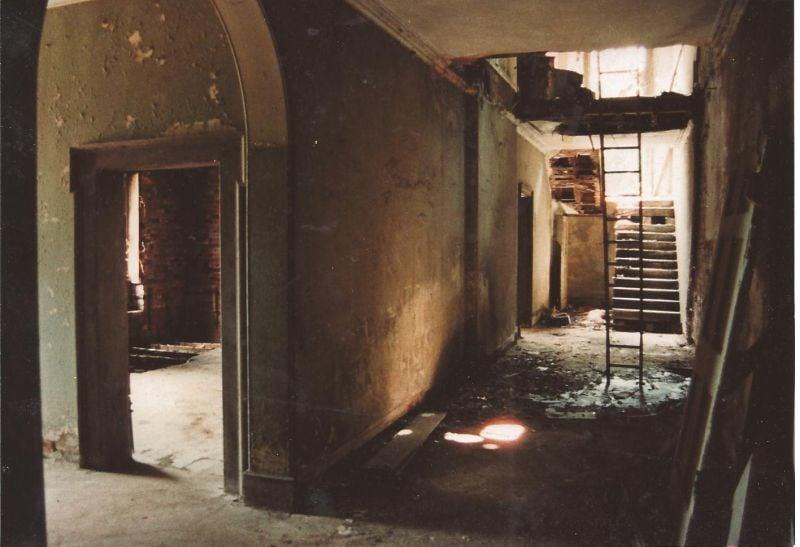
I posted the story on a Shropshire History and Nostalgia facebook group, and almost immediately had a reply from someone whose husband remembered such a place with ancient books and manuscripts all over the floor, and the place was called Gatacre Hall in Claverley, near Bridgnorth. She also said that there was a story that the family had fled to Canada just after WWII, even leaving the dishes on the table.
The Gatacre family sailing to Canada in 1947:
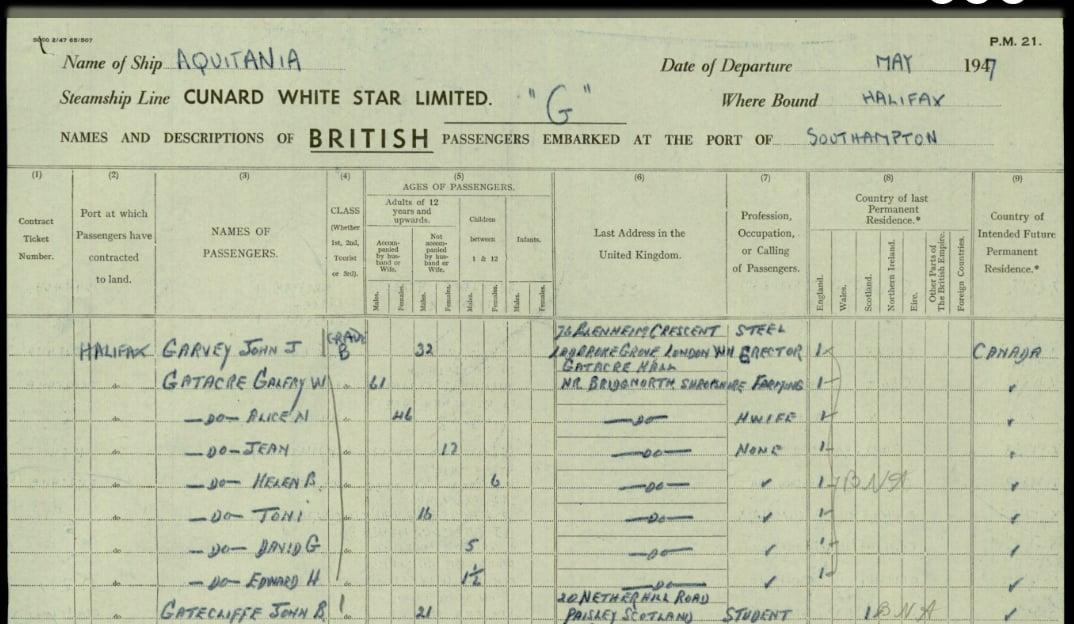
When my cousin heard the name Gatacre Hall she remembered that was the name of the place where her father had found the book.
I looked into Gatacre Hall online, in the newspaper archives, the usual genealogy sites and google books searches and so on. The estate had been going downhill with debts for some years. The old squire died in 1911, and his eldest son died in 1916 at the Somme. Another son, Galfrey Gatacre, was already farming in BC, Canada. He was unable to sell Gatacre Hall because of an entail, so he closed the house up. Between 1945-1947 some important pieces of furniture were auctioned, and the rest appears to have been left in the empty house.
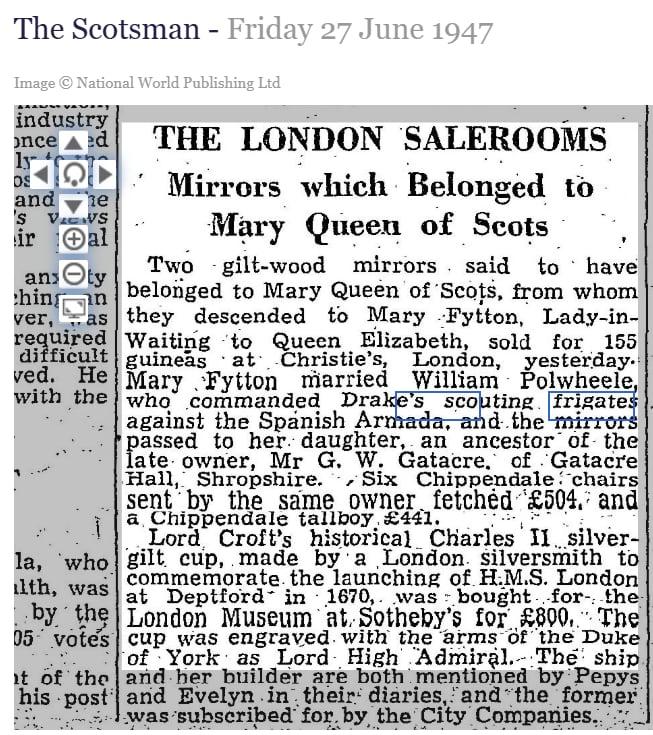
The family didn’t suddenly flee to Canada leaving the dishes on the table, although it was true that the family were living in Canada.
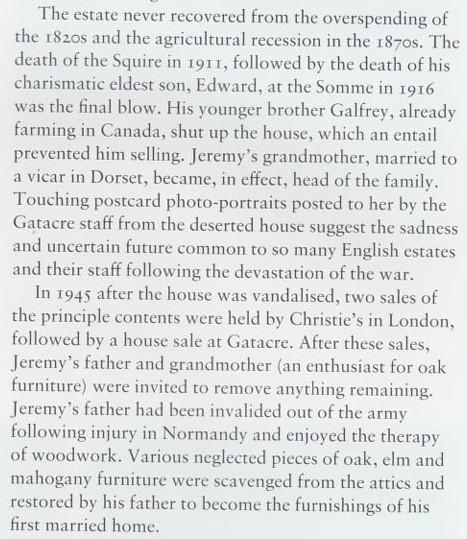
An interesting thing to note here is that not long after this book was found, my parents moved to BC Canada (where I was born), and a year later my uncle moved to Toronto (where he met his wife).
Captain Gatacre in 1918:
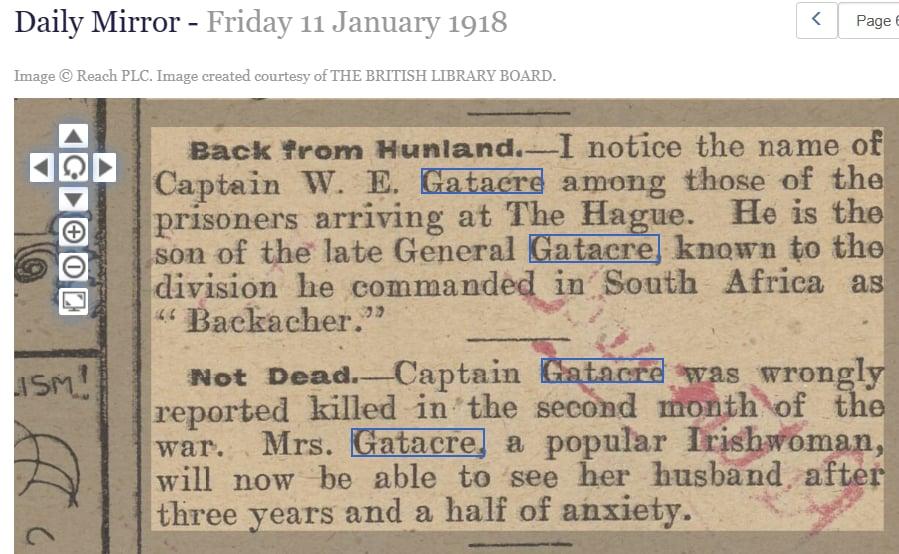
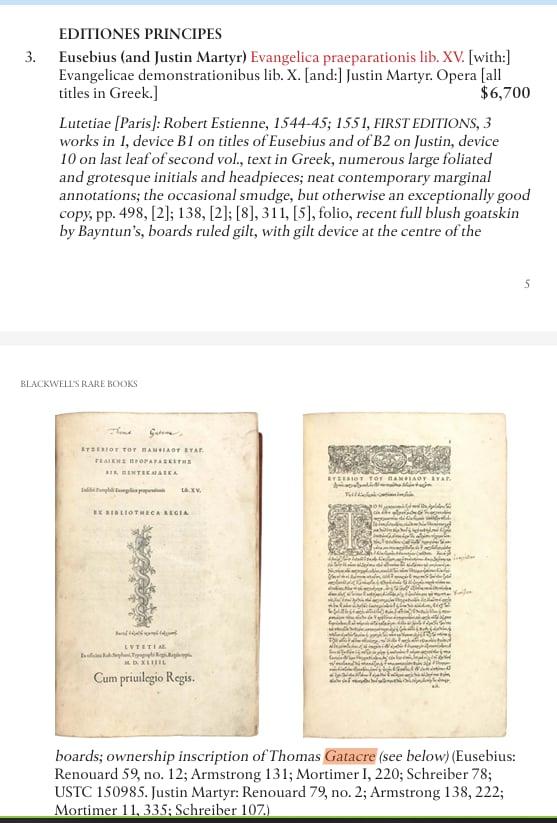
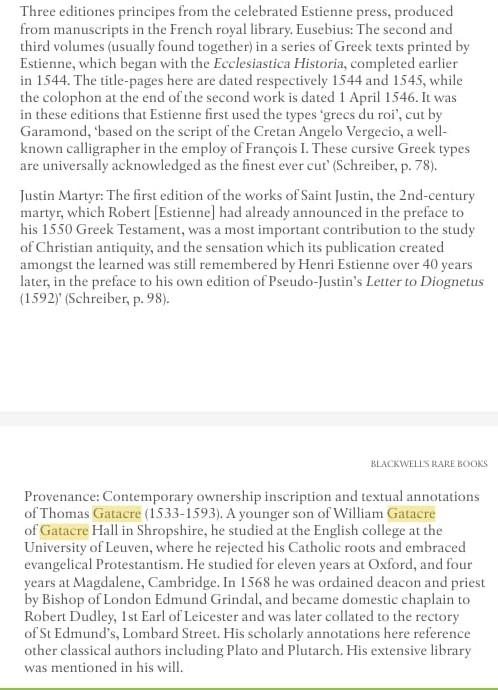
The Gatacre library was mentioned in the auction notes of a particular antiquarian book:
“Provenance: Contemporary ownership inscription and textual annotations of Thomas Gatacre (1533-1593). A younger son of William Gatacre of Gatacre Hall in Shropshire, he studied at the English college at the University of Leuven, where he rejected his Catholic roots and embraced evangelical Protestantism. He studied for eleven years at Oxford, and four years at Magdalene, Cambridge. In 1568 he was ordained deacon and priest by Bishop of London Edmund Grindal, and became domestic chaplain to Robert Dudley, 1st Earl of Leicester and was later collated to the rectory of St Edmund’s, Lombard Street. His scholarly annotations here reference other classical authors including Plato and Plutarch. His extensive library was mentioned in his will.”
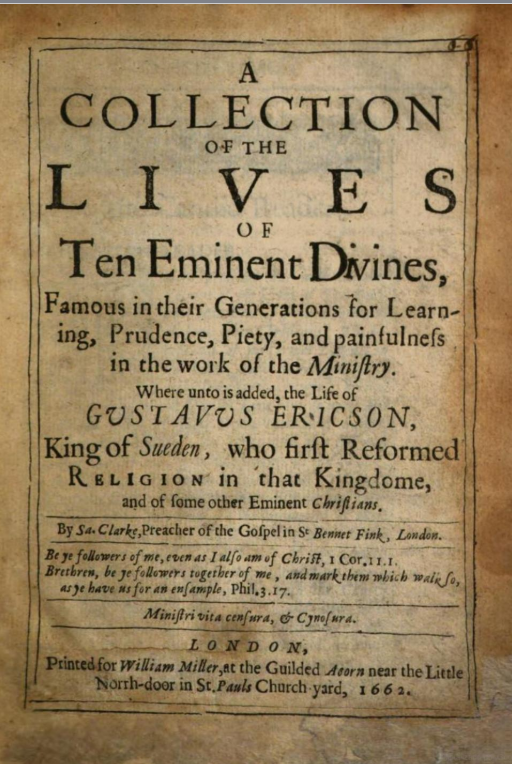
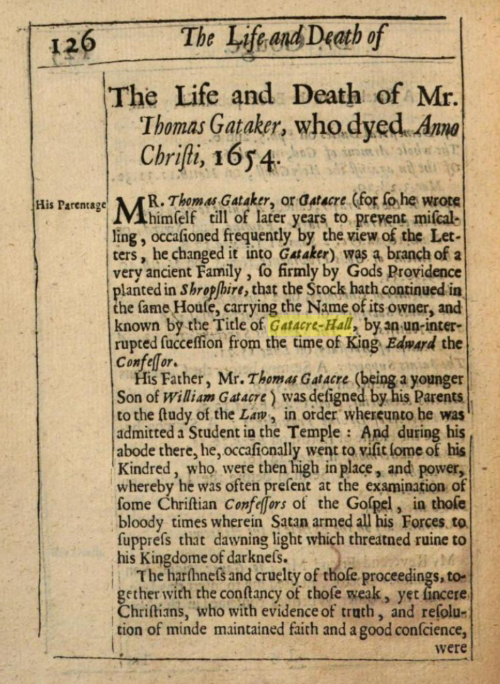
There are thirty four pages in this 1662 book about Thomas Gatacre d 1654:
 March 9, 2025 at 11:25 pm #7863
In reply to: The Last Cruise of Helix 25
“This mystery is eating away at me” Evie said, wondering how the others could remain so calm and detached. Even with the motion-sickness pills dispensed during the moon swing, her stress levels were abnormally high.
“Let me try to run the clues and make wild assumptions. After all, sometimes a wobbly theory is better than no theory at all. If anything contradicts it, we’ll move on, and if nothing contradicts it, then maybe we’re onto something.”
“Okham’s razor.” TP was following despite the fact he had been pacing in a perfect geometric loop, which was probably a sign he was buffering.
“What do you mean?”
“A simple logic goes a long way. So what have you got? Don’t ask me, because I’m rubbish at this…” TP was proud to admit.
“Let’s see: First scene, Ethan Marlowe aka Mr Hebert. Suspicious double identity, hidden secrets, but won’t explain why he got trapped in a drying machine. We know the AI is somewhat complicit, but impossible to prove, it could just have been a glitch. But DNA was found, possibly from a descendent of someone from the Middle Ages.”
“So far, nothing to object” TP nodded, as if perusing though his notes.
“Assuming Amara’s theories to be true, someone on the ship activated ancient ancestral knowledge, and got possessed, and maybe still is. What possible reason can a Middle-Age person have to dry someone like a raisin?”
“Mmm… Curiosity? Wrong place, wrong time?”
“And how could he get the knowledge of modern systems?”
TP chucked. “Have you seen the latest updates on the datapads? They’re basically child’s play… One step away from ‘Press here to commit murder.’ Even a reawakened Neanderthal could figure out the interface.”
“Well, you’re not wrong. There’s hardly anything we still know how to do without computer assist… We have to see our assumptions reversed. The ancient murderer is cleverer than we’d expected. He isn’t a relic in a struggle to adapt, but someone who adapted a little too well. And I would add he’s probably a mad scientist from that age.”
Evie paused at the thought… The more she looked, the more the central AI seemed more than complicit. Reawakening the Middle-Age mad doctor? it would have taken months of computations to connect Amara’s theories with a possible candidate, and orient them towards setting up the murder. And to what end? The more she looked, the more she seemed to stray from a simple theory. Maybe she should just leave it to more competent people.
At least Mandrake was safe now, it was a small consolation, even if she couldn’t tell if at all the two events were even connected. At the proper scale, everything on the ship was surely connected anyway. They were breathing their recycled farts all day every day anyway.And now, with the ship years away or maybe just months away from a return to Earth, there were a lot more pressing matters to address.
March 9, 2025 at 10:34 pm #7862In reply to: The Last Cruise of Helix 25
Sue Forgelot couldn’t believe her eyes when she came to her ringing door.
Of course, after the Carnival party was over and she’d taken an air shower, and put on her bathrobe with her meerkat slipper, slathered relaxing face cream topped with two slices of cucumber, she was quite groggy, and the cucumber slices on her eyelids made it harder to see. But once she’d removed them, she could see as bright as day.
The Captain was standing right here, and she hadn’t aged a day.
“Quickly, come in.” Sue wasted no time to usher her in. She looked at the corridor suspiciously; at that time of night, only a dusting robot was patrolling the corridors, chasing for dust motes and finger smears on the datapads.
Nobody.
“I haven’t been followed, Sue, will you just relax for a moment.”
“V’ass, it’s been so long. How did you get out?… What broke the code?”
“I don’t know, Sue. I think —something called back, from Earth.”
“From Earth? I didn’t know there was much technology left, or at least one that could reach us there. And one that could bypass that darned central AI —I knew it couldn’t keep you under lock and key forever.”
“Seems there is such tech, and it’s also managed to force the ship to turn around.”
Silence fell on the two friends for a moment, as they were grasping for the implications of the changes in motion.
Veranassessee couldn’t help by smile uncontrollably. “Those rejuvenation tricks do wonders, don’t they. You don’t look a day over a 100 years old.”Sue couldn’t help but chuckle. “And you don’t look so bad yourself, for an old forgotten popsicle.” She tilted her head. “You do know you’ve been in the freezer longer than some of our newest passengers have been alive, right?”
V’ass shrugged. “And yet, here I am—fit, rested, and none the worse for wear.”
Sue sighed. “Meanwhile, I’ve had three hip replacements, a cybernetic knee, and somebody keeps hijacking my artificial leg with spam messages.”
V’ass blinked. “…You should probably get that checked.”
Sue waved her off. “Bah. If it’s not trying to sell me ‘hot singles in my quadrant,’ I let it be.”After the laughter had dissipated, Sue said “You need my help to get back your ship, don’t you?”. She tapped on her cybernetic leg with a knowing smile. “You can count on me.”
Veranassessee noded. “Then start by filling me in, what should I know?”
Sue leaned in conspiratorially. “Ethan is dead, for one.”
“Death?” Veranassessee was weighing the implications, and completed “… Murder?”
Sue shrugged “As much as it pains me to say, it’s all a bit irrelevant. The AI let it happen, but I doubt she pushed the button. Ethan wasn’t much of a threat to its rule. Makes one wonder why, maybe it computed some cascade of events we don’t yet see. They found ancient DNA on the crime scene, but it’s all a mess of clues, and I must say we’re pretty inept at the whole murder mystery thing. Glad we don’t have a serial killer in our midst, or we would have plenty of composting to do…”
Veranassessee started to pace the room. “Well, if there isn’t anything more relevant, we need to hatch a plan. I suspect all my access got revoked; I’ll need a skeleton key to get in the right places. To regain control over the central AI, and the main deck.”
“Of course, the Marlowes…” Sue had a moment of revelation on her face. “They were the crypto locksmiths… With Ethan now dead, maybe we should pay dear old Ellis a visit.”
February 28, 2025 at 8:18 am #7837In reply to: The Last Cruise of Helix 25
The village lay huddled before them, appearing like a mirage as they reached the top of the rise. Habitation always looks so picturesque when it’s been taken over by nature, Molly thought, by no means for the first time. Even before the collapse, she had penchant for overgrown abandoned ruins. Vines and ivy rampaged gleefully over the houses, softening the hard outlines, and saplings reached for the sky through crumbling roofs.
The survivors had stopped on the low hill to survey the scene, but soon they were rushing down towards the village to explore. As they came closer they could see all the cucumbers and courgettes dangling from the festoons of vines. Molly had visions of cucumber sandwiches on delicate thin sliced white bread with a piping hot pot of tea. But a waterey tasteless courgette soup will have to do, I suppose.
It was mid afternoon but there was no debate about continuing the journey that day. There were all the houses to search, and several shops, and more importantly, shelter for the night. The rain clouds were approaching from the east.
The church was chosen as a base camp as it was spacious enough to accomodate them all and the roof was intact, all but for the collapsed wooden tower which would provide wood for a fire. Lev and Luka set to work organising the space inside the church, supervised by Molly, Gregor and Petro, who wanted to rest. The others had dumped their bags and gone off to explore the buildings for supplies and forage in the overgrown gardens.
Tundra, happy that for once the responsibility of finding food was shared with so many other people, indulged her curiosity to just snoop around aimlessly. Clambering over a crumbling wooden porch, she pushed open what remained of a peeling door and stepped carefully inside. Venturing around the edges of the room, she peered at all the faded and warped framed photographs on the walls, portraits and family groups, wondering about the family who had lived here. There was a tray on a side table inscribed with Greetings from Niagara Falls! in a jolly cursive script, and an odd shaped rusting metal object with the words Souvenir de la tour Eiffel.
Slowly Tundra toured the house, inspecting all the objects in the rooms. Gingerly she made her way up the stairs, testing each riser before committing her weight to it. In a small bedroom packed with decomposing plastic bags and cardboard boxes spilling their assorted contents, she came upon a pile of letters and postcards, yellowy and curling, with mouse nibbled edges. Molly had told her about grandads postcard collection, but he’d taken it with him and she’d never seen them herself. I wonder what happened to that ship? Is my grandad still alive? Tundra sighed. Maybe he’ll come back one day. And my dad.

Sitting on the floor, Tundra sorted out the intact postcards from the badly damaged ones. She would take them with her to look at later, maybe ask the others what they knew of all the pictured places.
February 17, 2025 at 8:53 pm #7822In reply to: The Last Cruise of Helix 25
Helix 25 – Gentle Utopia at Upper Decks
The Upper Decks of Helix 25 were a marvel of well-designed choreography and engineered tranquility. Life here was made effortless, thanks to an artful curation of everyday problems. Climate control ensured the air was always crisp, with just enough variation to keep the body alert, while maintaining a perfect balance of warm and cool, hygrometry, with no crazy seasons or climate change upheaval to disrupt the monotony. Food dispensers served gourmet meals for every individual preferences —decadent feasts perfectly prepared at the push of a button. The Helix cruise starships were designed for leisure, an eternity of comfort — and it had succeeded.
For the average resident, the days blended into one another in an animated swirl of hobbyist pursuits. There were the Arboretum Philosophers, who debated meaningfully over the purpose of existence while sipping floral-infused teas. There were the Artisans, who crafted digital masterpieces that vanished into the ship’s archives as soon as they were complete. There were the Virtual Adventurers, who lived entire lifetimes in fully immersive life-like simulations, all while reclining on plush lounges, connected to their brain chips courtesy of Muck Industries.
And then, there were Sharon, Gloria, and Mavis.
Three old ladies who, by all accounts, should have spent their days knitting and reminiscing about their youth, but instead had taken it upon themselves to make Helix 25 a little more interesting.

“Another marvelous day, ladies,” Sharon declared as she strolled along the gilded walkway of the Grand Atrium, a cavernous space filled with floating lounges and soft ambient music. The ceiling was a perfect replica of a sky—complete with drifting, lazy clouds and the occasional simulated flock of birds. Enough to make you almost forget you were in a closed fully-controlled environment.
Mavis sighed, adjusting her gaudy, glittering shawl. “It’s too marvelous, if you ask me. Bit samey, innit? Not even a good scandal to shake things up.”
Gloria scoffed. “Pah! That’s ‘cause we ain’t lookin’ hard enough. Did you hear about that dreadful business down in the Granary? Dried ‘im up like an apricot, they did. Disgustin’.”
“Dreadful,” Sharon agreed solemnly. “And not a single murder for decades, you know. We were overdue.”
Mavis clutched her pearls. “You make it sound like a good thing.”
Gloria waved a dismissive hand. “I’m just sayin’, bit of drama keeps people from losing their minds. No offense, but how many decades of spa treatments can a person endure before they go barmy?”
They passed a Wellness Lounge, where a row of residents were floating in Zero-G Hydrotherapy Pods, their faces aglow with Rejuvenex™ Anti-Aging Serum. Others lounged under mild UV therapy lamps, soaking up synthetic vitamin D while attendants rubbed nutrient-rich oils into their wrinkle-free skin.
Mavis peered at them. “Y’know, I swear some of ‘em are the same age as when we boarded.”
Gloria sniffed. “Not the same, Mavis. Just better preserved.”
Sharon tapped her lips, thoughtful. “I always wondered why we don’t have crime ‘ere. I mean, back on Earth, it were all fights, robbery, someone goin’ absolutely mental over a parking space—”
Gloria nodded. “It’s ‘cause we ain’t got money, Sha. No money, no stress, see? Everyone gets what they need.”
“Needs? Glo, love, people here have twelve-course meals and private VR vacations to Ancient Rome! I don’t reckon that counts as ‘needs’.”
“Well, it ain’t money, exactly,” Mavis pondered, “but we still ‘ave credits, don’t we?”
They fell into deep philosophical debates —or to say, their version of it.
Currency still existed aboard Helix 25, in a way. Each resident had a personal wealth balance, a digital measure of their social contributions—creative works, mentorship, scientific discovery, or participation in ship maintenance (for those who actually enjoyed labor, an absurd notion to most Upper Deckers). It wasn’t about survival, not like on the Lower Decks or the Hold, but about status. The wealthiest weren’t necessarily the smartest or the strongest, but rather those who best entertained or enriched the community.
Gloria finally waved her hand dismissively. “Point is, they keep us comfortable so we don’t start thinkin’ about things too much. Keep us occupied. Like a ship-sized cruise, but forever.”
Mavis wrinkled her nose. “A bit sinister, when you put it like that.”
“Well, I didn’t say it were sinister, I just said it were clever.” Gloria sniffed. “Anyway, we ain’t the ones who need entertainin’, are we? We’ve got a mystery on our hands.”
Sharon clapped excitedly. “Ooooh yes! A real mystery! Ain’t it thrillin’?”
“A proper one,” Gloria agreed. “With dead bodies an’ secrets an’—”
“—murder,” Mavis finished, breathless.
The three of them sighed in unison, delighted at the prospect.
They continued their stroll past the Grand Casino & Theatre, where a live orchestral simulation played for a well-dressed audience. Past the Astronomer’s Lounge, where youngster were taught to chart the stars that Helix 25 would never reach. Past the Crystal Arcade, where another group of youth of the ship enjoyed their free time on holographic duels and tactical board games.
So much entertainment. So much luxury.
So much designed distraction.
Gloria stopped suddenly, narrowing her eyes. “You ever wonder why we ain’t heard from the Captain in years?”
Sharon and Mavis stopped.
A hush fell over them.
Mavis frowned. “I thought you said the Captain were an idea, not a person.”
“Well, maybe. But if that’s true, who’s actually runnin’ the show?” Gloria folded her arms.
They glanced around, as if expecting an answer from the glowing Synthia panels embedded in every wall.
For the first time in a long while, they felt watched.
“…Maybe we oughta be careful,” Sharon muttered.
Mavis shivered. “Oh, Glo. What ‘ave you gotten us into this time?”
Gloria straightened her collar. “Dunno yet, love. But ain’t it excitin’?”
“With all the excitment, I almost forgot to tell you about that absolutely ghastly business,” Gloria declared, moments later, at the Moonchies’ Café, swirling her lavender-infused tea. “Watched a documentary this morning. About man-eating lions of Njombe.”
Sharon gasped, clutching her pearls. “Man eating lions?!”
Mavis blinked. “Wait. Man-eating lions, or man eating lions?”
There was a pause.
Gloria narrowed her eyes. “Mavis, why in the name of clotted cream would I be watchin’ a man eating lions?”
Mavis shrugged. “Well, I dunno, do I? Maybe he ran out of elephants.”
Sharon nodded sagely. “Yes, happens all the time in those travel shows.”
Gloria exhaled through her nose. “It’s not a travel show, Sha. And it’s not fiction.”
Mavis scoffed. “You sure? Sounds ridiculous.”
“Not as ridiculous as a man sittin’ down to a plate of roast lion chops,” Gloria shot back.
Mavis tilted her head. “Maybe it’s in a recipe book?”
Gloria slammed her teacup down. “I give up. I absolutely give up.”
Sharon patted her hand. “There, there, Glo. You can always watch somethin’ lighter tomorrow. Maybe a nice documentary about man-eating otters.”
Mavis grinned. “Or man eating otters.”
Gloria inhaled deeply, resisting the urge to upend her tea.
This, this was why Helix 25 had never known war.
No one had the time.
February 3, 2025 at 10:10 pm #7733In reply to: The Last Cruise of Helix 25
Leaving the Asylum
They argued about whether to close the heavy gates behind them. In the end, they left them open. The metal groaned as it sat ajar, rust flaking from its hinges.
“Are we all here?” Anya asked. Now that they were leaving, she felt in charge again—or at least, she needed to be. If morale slipped, things would unravel fast. She scanned the group, counting them off.
“Mikhail,” she started, pointing. “Tala. Vera, our esteemed historian.”
Vera sniffed. “I prefer genealogist, thank you very much.”
“Petro,” Anya continued, “probably about to grumble.”
Petro scowled. “I was thinking.”
“Jian, our mystery man.”
Jian raised an eyebrow in acknowledgment.
Anya turned to the next two. “Ah, the twins. Even though you two have never spoken, I’ve always assumed you understood me. Don’t prove me wrong now.”
The twins—Luka and Lev—nodded and grinned at exactly the same time.
“Then we have Yulia… no, we don’t have Yulia. Where in God’s name is Yulia?”
“Here I am!” Yulia’s voice rang out as she jogged back toward them, breathless. “I just went to say goodbye to the cat.” She sighed dramatically. “I wish we could take him. Please, can we take him?”
Yulia was short and quick-moving, her restless hands always in motion, her thoughts spilling out just as fast.
“We can’t,” Mikhail said firmly. “And he can look after himself.”
She huffed. “Well, I expect we could if we tried.”
“And finally, old Gregor, who I gather would rather be taking a nap.”
Gregor, who was well past eighty, rubbed his face and yawned. “You say that like it’s a bad thing.”
Anya frowned, scanning the group again. “Wait. We’re missing Finja.”
A small scraping sound came from behind them.
Finja stood near the gate, furiously scrubbing the rusted metal with a rag she had pulled from her sleeve. “This place is disgusting,” she muttered. “Filth everywhere. The world may have ended, but that’s no excuse for grime.”
Anya sighed. “Finja, leave the gate alone.”
Finja gave it one last wipe before tucking the rag away with a huff. “Fine.”
Anya shook her head. “That’s eleven. No one’s run off or died yet. A promising start.”
They formed a motley crew, each carrying as much as they could manage. Mikhail pushed a battered cart, loaded with scavenged supplies—blankets, tools, whatever food they had left.
The road beneath their feet was cracked and uneven, roots breaking through in places. They followed it in silence for the most part. Even Yulia remained quiet. Some glanced back, but no one turned around.
The nearest village was more than fifty kilometers away. In all directions, there was only wilderness—fields long overtaken by weeds, trees pushing through cracks in forgotten roads. A skeletal signpost leaned at an odd angle, its lettering long since faded.
“It’s going to be dark soon,” Mikhail said. “And the old ones are tired. Aren’t you, Vera?”
“That’s enough of the old business,” puffed Vera, pulling her shoulders back.
Tala laughed. “Well, I must be an old one. I didn’t sleep a wink last night. And there’s a clearing over there.” She pointed.
The evening was cool, but they managed to build a small fire and scrape together a meal of vegetables they’d brought from their garden.
After their meal, they sat around the fire while Finja busied herself tidying up. “Dirty savages,” she muttered under her breath. Then, more loudly, “We should keep watch tonight.”
Vera, perched on a log, pulled her shawl tightly around her. The glow from the fire cast long shadows across her face.
“Vera, you look like a witch,” Yulia declared. “We should have brought the cat for you to ride on a broomstick together.”
“I’ll have you know I’m descended from witches,” Vera replied. “I know none of you think you’re related to me, but just imagine what your great-grandparents would say if they saw us now. Running into the wilderness like a band of exiled aristocrats.”
Jian, seated nearby, smirked slightly. “My great-grandparents were rice farmers.”
Vera brightened—Jian never talked about his past. She leaned in conspiratorially. “Do you know your full lineage? Because I do. I know mine back fourteen generations. You’d be amazed how many bloodlines cross without people realizing.”
Tala shook her head but smiled. Like Petro and Gregor, Vera had been at the asylum for many decades, a relic of another time. She claimed to have been a private investigator and genealogist in her former life.
Petro, hunched over and rubbing his hands by the fire, muttered, “We’re all ghosts now. Doesn’t matter where we came from.”
“Oh, stop that, Petro,” Anya admonished. “Remember our plan?”
“We go to the city,” Jian said. He rarely spoke unless he had something worth saying. “There will be things left behind. Maybe tech, maybe supplies. If I can get into an old server, I might even find something useful.”
“And if there’s nothing?” Petro moaned. “We should never have left.” He clasped his hands over his head.
Jian shrugged. “The world doesn’t erase itself overnight.”
Mikhail nodded. “We rest tonight. Tomorrow, we head for the city. And Finja’s right—tonight we take turns keeping watch.”
They sat in silence, watching the fire burn low. The evening stretched long and uneasy.
December 22, 2024 at 10:49 pm #7704In reply to: Quintessence: Reversing the Fifth
Darius: Christmas 2022
Darius was expecting some cold snap, landing in Paris, but the weather was rather pleasant this time of the year.
It was the kind of day that begged for aimless wandering, but Darius had an appointment he couldn’t avoid—or so he told himself. His plane had been late, and looking at the time he would arrive at the apartment, he was already feeling quite drained. The streets were lively, tourists and locals intermingling dreamingly under strings of festive lights spread out over the boulevards. He listlessly took some snapshot videos —fleeting ideas, backgrounds for his channel.
The wellness channel had not done very well to be honest, and he was struggling with keeping up with the community he had drawn to himself. Most of the latest posts had drawn the usual encouragements and likes, but there were also the growing background chatter, gossiping he couldn’t be bothered to rein in — he was no guru, but it still took its toll, and he could feel it required more energy to be in this mode that he’d liked to.
His patrons had been kind, for a few years now, indulging his flights of fancy, funding his trips, introducing him to influencers. Seeing how little progress he’d made, he was starting to wonder if he should have paid more attention to the background chatter. Monsieur Renard had always taken a keen interest in his travels, looking for places to expand his promoter schemes of co-housing under the guide of low investment into conscious living spaces, or something well-marketed by Eloïse. The crude reality was starting to stare at his face. He wasn’t sure how long he could keep up pretending they were his friends.
By the time he reached the apartment, in a quiet street adjacent to rue Saint Dominique, nestled in 7th arrondissement with its well-kept façades, he was no longer simply fashionably late.
Without even the time to say his name, the door buzz clicked open, leading him to the old staircase. The apartment door opened before he could knock. There was a crackling tension hanging in the air even before Renard’s face appeared—his rotund face reddened by an annoyance he was poorly hiding beneath a polished exterior. He seemed far away from the guarded and meticulous man that Darius once knew.
“You’re late,” Renard said brusquely, stepping aside to let Darius in. The man was dressed impeccably, as always, but there was a sharpness to his movements.
Inside, the apartment was its usual display of cultivated sophistication—mid-century furniture, muted tones, and artful clutter that screamed effortless wealth. Eloïse sat on the couch, her legs crossed, a glass of wine poised delicately in her hand. She didn’t look up as Darius entered.
“Sorry,” Darius muttered, setting down his bag. “Flight delay.”
Renard waved it off impatiently, already pacing the room. “Do you know where Lucien is?” he asked abruptly, his gaze slicing toward Darius.
The question caught him off guard. “Lucien?” Darius echoed. “No. Why?”
Renard let out a sharp, humorless laugh. “Why? Because he owes me. He owes us. And he’s gone off the grid like some bloody enfant terrible who thinks the rules don’t apply to him.”
Darius hesitated. “I haven’t seen him in months,” he said carefully.
Renard stopped pacing, fixing him with a hard look. “Are you sure about that? You two were close, weren’t you? Don’t tell me you’re covering for him.”
“I’m not,” Darius said firmly, though the accusation sent a ripple of anger through him.
Renard snorted, turning away. “Typical. All you dreamers are the same—full of ideas but no follow-through. And when things fall apart, you scatter like rats, leaving the rest of us to clean up the mess.”
Darius stiffened. “I didn’t come here to be insulted,” he said, his voice a steady growl.
“Then why did you come, Darius?” Renard shot back, his tone cutting. “To float on someone else’s dime a little longer? To pretend you’re above all this while you leech off people who actually make things happen?”
The words hit like a slap. Darius glanced at Eloïse, expecting her to interject, to soften the blow. But she remained silent, her gaze fixed on her glass as if it held all the answers.
For the first time, he saw her clearly—not as a confidante or a muse, but as someone who had always been one step removed, always watching, always using.
“I think I’ve had enough,” Darius said finally, his voice calm despite the storm brewing inside him. “I think I’ve had enough for a long time.”
Renard turned, his expression a mix of incredulity and disdain. “Enough? You think you can walk away from this? From us?”
“Yes, I can.” Darius said simply, grabbing his bag.
“You’ll never make it on your own,” Renard called after him, his voice dripping with scorn.
Darius paused at the door, glancing back at Eloïse one last time. “I’ll take my chances,” he said, and then slammed the door.

The evening air was like a balm, open and soft unlike the claustrophobic tension of the apartment. Darius walked aimlessly at first, his thoughts caught between flares of wounded pride and muted anxiety, but as he walked and walked, it soon turned into a return of confidence, slow and steady.
His phone buzzed in his pocket, and he pulled it out to see a familiar name. It was a couple he knew from the south of France, friends he hadn’t spoken to in months. He answered, their warm voices immediately lifting his spirits.
“Darius!” one of them said. “What are you doing for Christmas? You should come down to stay with us. We’ve finally moved to a bigger space—and you owe us a visit.”
Darius smiled, the weight of Renard’s words falling away. “You know what? That sounds perfect.”
As he hung up, he looked up at the Parisian skyline, Darius wished he’d had the courage to take that step into the unknown a long time ago. Wherever Lucien was, he felt suddenly closer to him —as if inspired by his friend’s bold move away from this malicious web of influence.
December 19, 2024 at 7:59 pm #7700In reply to: Quintessence: Reversing the Fifth
Elara — December 2021
Taking a few steps back in order to see if the makeshift decorations were evenly spaced, Elara squinted as if to better see the overall effect, which was that of a lopsided bare branch with too few clove studded lemons. Nothing about it conjured up the spirit of Christmas, and she was surprised to find herself wishing she had tinsel, fat garlands of red and gold and green and silver tinsel, coloured fairy lights and those shiny baubles that would sever your toe clean off if you stepped on a broken one.
It’s because I can’t go out and buy any, she told herself, I hate tinsel.
It was Elara’s first Christmas in Tuscany, and the urge to have a Christmas tree had been unexpected. She hadn’t had a tree or decorated for Christmas for as long as she could remember, and although she enjoyed the social gathering with friends, she resented the forced gift exchange and disliked the very word festive.
The purchase of the farmhouse and the move from Warwick had been difficult, with the pandemic in full swing but a summer gap in restrictions had provided a window for the maneuvre. Work on the house had been slow and sporadic, but the weather was such a pleasant change from Warwick, and the land extensive, so that Elara spent the first months outside.
The solitude was welcome after the constant demands of her increasingly senile older sister and her motley brood of diverse offspring, and the constant dramas of the seemingly endless fruits of their loins. The fresh air, the warm sun on her skin, satisfying physical work in the garden and long walks was making her feel strong and able again, optimistic.
England had become so depressing, eating away at itself in gloom and loathing, racist and americanised, the corner pubs all long since closed and still boarded up or flattened to make ring roads around unspeakably grim housing estates and empty shops, populated with grey Lowry lives beetling around like stick figures, their days punctuated with domestic upsets both on their telly screens and in their kitchens. Vanessa’s overabundant family and the lack of any redeeming features in any of them, and the uninspiring and uninspired students at the university had taken its toll, and Elara became despondent and discouraged, and thus, failed to see any hopeful signs.
When the lockdown happened, instead of staying in contact with video calls, she did the opposite, and broke off all contact, ignoring phone calls, messages and emails from Vanessa’s family. The almost instant tranquility of mind was like a miracle, and Elara wondered why it had never occurred to her to do it before. Feeling so much better, Elara extended the idea to include ignoring all phone calls and messages, regardless of who they were. She attended to those regarding the Tuscan property and the sale of her house in Warwick.
The only personal messages she responded to during those first strange months of quarantine were from Florian. She had never met him in person, and the majority of their conversations were about shared genealogy research. The great thing about family ancestors, she’d once said to him, Is that they’re all dead and can’t argue about anything.
Christmas of December, 2021, and what a year it had been, not just for Elara, but for everyone. The isolation and solitude had worked well for her. She was where she wanted to be, and happy. She was alone, which is what she wanted.
If only I had some tinsel though.
December 10, 2024 at 9:42 pm #7661In reply to: Quintessence: Reversing the Fifth
Early May 2022
“You don’t look like a physicist,” Florian said on their first evening together. Most of the day since his arrival that morning had been taken up with Elara showing him around the farmhouse and a stroll outside after he’d unpacked and showered.
It was early May, Elara’s favourite time of the year, and the pandemic restrictions were largely over. An enthusiastic hiker and ardent lover of the countryside, Florian found his hosts running commentary as they walked the blossomy lanes a tonic after the grim scenesand mental anguish he’d left behind. Elara beamed at his evident interest and perspicacious questions, warming to him and realising how much she’d missed company and conversation during the lockdowns and subsequent limiting of social interactions. It’s so nice to have a conversation in English, she couldn’t help thinking.
Laughing, Elara replied that she’d never felt like a physicist either. “As soon as I started my first post after qualifying, I realised it wasn’t for me. I hadn’t really thought about the jobs, you know?”
Happy to have such an attentive listener, the convivial glow of red wine warming her veins, Elara explained that she’d resorted to short term teaching contracts mostly, enabling her to travel. She learned Spanish when she moved with her father to Spain 30 years ago, working in an English school for expats, improved her French while working in Paris, moved to Warwick to be near her sister Vanessa thinking she would settle there, “Big mistake that was, best forgotten.”
“I always wanted to travel a bit, but the wife always wanted to go to a resort to sunbathe,” Florian said, adding pensively, “I think the kids would have liked to travel though.”
“I think you’ll enjoy your stay here,” Elara smiled, not wanting the pleasant evening to take a despondant turn. Florian was here to get over it, not dwell on it.
December 8, 2024 at 9:51 pm #7657In reply to: Quintessence: A Portrait in Reverse
A list of events for reference (WIP)
Date Matteo Lucien Darius Amei Elara Nov 2024 M: Working as a server in Paris; recognizes and cryptically addresses the group at the Sarah Bernhardt Café. L: Sketching in Paris; begins orchestrating the reunion by sending letters to the group. D: is back in Paris for the reunion A: visits Paris for the reunion E: visits Paris for the reunion from Churchill Guest House (Samphire Hoe), visits a guest house in Kent, back in England for a week weeks/months, all expense paid. Mrs Lovejoy the landlady. Spring 2024 M: In Avignon, works at a vineyard. Finds a map. Crosses path with Lucien. Moves to next job in Paris. L: Visits Avignon. Caught in debt to Monsieur Renard; creates labyrinthine sketches blending personal and mythical themes. Crosses path with Matteo. D: by June 2024 sends a postcard to Amei, Is seen in Goa A: Her daughter Tabitha is in Goa teaching E: is retired in Tuscany, living with Florian, a distant relative met through family research.
Summer 2024 (Olympics) has a strange dream at CERN learning about the death of her mother who’d actually died in her youth.
She reminisces about chalkapocalypse.Feb 2024 M:In London, works for a moving company. Crosses path with Amei and Tabitha. L: Is implied he is caught back into the schemes of M. Renard to pay his debts. D: A: Moves from her London home to a smaller apartment in London; reflects on her estranged friends and past. Crosses path with Matteo. E: Dec 2023 M:In Avignon, considers moving to a job in London to support his mother’s care. L: Going with the alias “Julien”, he is recognized in the streets, after 3 years of self-imposed exile, to escape M. Renard & Eloïse. D: Resumes his travels on his own terms A: Buys candles, reflects on leaving. E: Nov 2023 M: His mother requires more care, he goes to Avignon regularly where she is in care. Breaks up with Juliette end of summer. L: D: moves on from Guadeloupe, where he spent time rebuilding homes and reflecting. A: E: early 2023 M: Visits Valencia and Xàtiva, hometown of the Borgias with Juliette; she makes him discover Darius’ videos. L: D: Lives in South of France, returns to Guadeloupe after hurricane Fiona. A: E: Dec 2022 M: New year’s eve, Matteo discovers about Elara’s work on memory applicable to early stage Alzheimer with sensory soundwaves stimuli and ancestral genetic research. L: D: Runs a wellness channel. Goes back to Paris, breaks ties with M. Renard & Eloïse. Receives an invitation to see friends in South of France A: Lives with Paul E: early 2022 M: Lives in Paris with Juliette, travels to many places together, week-ends getaways in London, Amsterdam, Rome… L: D: A: E: Early May, pandemic restrictions were largely over. Florian, her distant relative, moves in to Elara’s Tuscan farmhouse, where she is enjoying retirement. end of 2021 M: L: After the pandemic lockdown thinks of a way to escape. Goes by the alias “Julien” D: Locked down in Budapest; sketches empty streets, sends postcards to Amei to maintain emotional connections. A: E: Dec. 2021, first Christmas in Tuscany
Nov – end of Genealogix royalties from her successful patent, taken over by more efficient AI algorithms. She gives the idea to Darius of looking for 1-euro housing.beginning 2021 M: L: Third & last wave of lockdown measures in France D: A: E: 2020 M: L: D: A: E: beg. 2020 M: L: Pandemic starts – first waves of lockdown D: A: E: Nov 2019 M: Last group meeting before the Nov 2024 reunion L: Last group meeting before the Nov 2024 reunion D: Last group meeting before the Nov 2024 reunion A: Last group meeting before the Nov 2024 reunion E: Last group meeting before the Nov 2024 reunion 2019 M: Plans for his mother / co-housing project L: Spring break in Andalucia with Elara D: Spring break in Andalucia with Elara A: Spring break in Andalucia with Elara E: Spring, before pandemic; visit in Andalucia to her father – joined by Lucien & Amei ; Darius tried to bring those people (M. Renard & Eloïse presumably) to see the hidden pyramid ca. 2014 M: L: D: A: E: chalkapocalypse, before Elara’s retirement. She is employed in Warwick.
Before that, lived from short term teaching contracts mostly, enabling her to travel. She learned Spanish when she moved with her father to Spain 30 years ago, working in an English school for expats, improved her French while working in Paris, moved to Warwick to be near her sister Vanessa thinking she would settle there.2010 M: L: D: A: E: Genealogix became unexpectedly lucrative when it was picked up by a now-dominant genealogy platform around 2010. Every ancestry test sold earned her a modest but steady royalty, which for a time, gave her the freedom to pursue less practical research. 2007 M: L: Meets Elara & Amei, Darius a concert of Eliane Radigue at Aarau, Switzerland D: Meets Lucien, Elara & Amei a concert of Eliane Radigue at Aarau, Switzerland A:Accepts Elara’s invitation to go to a concert of Eliane Radigue at Aarau, Switzerland, meets Lucien & Darius there. The group is formed E:Goes to a concert of Eliane Radigue at Aarau, Switzerland with Amei, meets Lucien & Darius there. The group is formed before 2007 M: L: D: A:Meets Elara at a gallery in London, Southbank E: Meets Amei at a gallery, London Southbank December 7, 2024 at 11:52 am #7653In reply to: Quintessence: Reversing the Fifth
Matteo — Winter 2023: The Move
The rumble of the moving truck echoed faintly in the quiet residential street as Matteo leaned against the open door, arms crossed, waiting for the signal to load the boxes. He glanced at the crisp winter sky, a pale gray threatening snow, and then at the house behind him. Its windows were darkened by empty rooms, their once-lived-in warmth replaced by the starkness of transition. The ornate names artistically painted on the mailbox struck him somehow. Amei & Tabitha M.: his clients for the day.
The cold damp of London’s suburbia was making him long even more for the warmth of sunny days. With the past few moves he’s been managing for his company, the tipping had been generous; he could probably plan a spring break in South of France, or maybe make a more permanent move there.
The sound of the doorbell brought him back from his rêverie.
Inside the house, the faint sounds of boxes being taped and last-minute goodbyes carried through the hallways. Matteo had been part of these moves too many times to count now. People always left a little bit of themselves behind—forgotten trinkets, echoes of old conversations, or the faint imprint of a life lived. It was a rhythm he’d come to expect, and he knew his part in it: lift, carry, and disappear into the background.
Matteo straightened as the door opened and a girl that could have been in her early twenties, but looked like a teenager stepped out, bundled against the cold. She held a steaming mug in one hand and balanced a box awkwardly on her hip with the other.
“That’s the last of it,” she called over her shoulder. “Mum, are you sure you don’t want me to take the notebooks?”
“They’re fine in the car, Tabitha!” A voice—calm and steady, maybe tinged with weariness—floated from inside.
The girl named Tabitha turned to Matteo, offering the box. “This is fragile,” she said, a smile tugging at her lips. “Be nice to it.”
Matteo took the box carefully, glancing at the mug in her hand. “You’re not leaving that behind, are you?” he asked with a faint smile.
Tabitha laughed. “This? No way. That’s my lifeline. The mug stays.”
As Matteo carried the box to the truck, his eyes caught on something inside—a weathered postcard tucked haphazardly between the pages of a journal. The image on the front was striking: a swirling green fairy, dancing above a glass of absinthe. La Fée Verte was scrawled in looping letters across the top.
“Tabitha!” Her mother’s voice carried out to the driveway, and Matteo turned instinctively. She stepped out onto the porch, her scarf wrapped loosely around her neck, her breath visible in the chilly air. Matteo could see the resemblance—the same poise and humor in her gaze, though softened by something older, quieter.
“Put this somewhere, will you” she said, holding up another postcard, this one with a faded image of a winding mountain road.
Tabitha grinned, stepping forward to take it. “Thanks, Mum. That one’s special.” She tucked it into her coat pocket.
“Special how?” her mother asked lightly.
“It’s from Darius,” Tabitha said, her tone almost teasing. “… The one you never want to talk about.” she leaned teasingly. “One of his cryptic postcards —too bad I was too young to really remember him, he must have been fun to be around.”
Matteo’s ears perked at the name, though he kept his head down, settling the box in place. It wasn’t unusual to overhear snippets like this during a move, but something about the unusual name roused his curiosity.
“Why you want to keep those?” Amei asked, tilting her head.
Tabitha shrugged. “They’re kind of… a map, I guess. Of people, not places.”
Amei paused, her expression softening. “He was always good at that,” she murmured, almost to herself.
The conversation lingered in Matteo’s mind as the day went on. By the time the truck was loaded, and he’d helped arrange the last of the boxes in Amei’s new, smaller apartment, the name and the postcard had taken root.
As Matteo stacked the final piece of furniture—a worn bookshelf—against the living room wall, he noticed Amei lingering near a window, her gaze distant.
“It’s different, isn’t it?” she said suddenly, not looking at him.
“Moving?” Matteo asked, unsure if the question was for him.
“Starting over,” she clarified, her voice quieter now. “Feels smaller, even when it’s supposed to be lighter.”
Matteo didn’t reply, sensing she wasn’t looking for an answer. He stepped back, nodding politely as she thanked him and disappeared into the kitchen.
The postcard stuck in his mind for days after. Matteo had heard of absinthe before, of course—its mystique, its history—but something about the way Tabitha had called the postcard a “map of people” resonated.
By the time spring arrived, Matteo was wandering through Avignon, chasing vague curiosities and half-formed questions. When he saw Lucien crouched over his chalk labyrinth, the memory of the postcard rose unbidden.
“Do you know where I can find absinthe?” he asked, the question more instinct than intent.
Lucien’s raised eyebrow and faint smile felt like another piece clicking into place. The connections were there—threads woven in patterns he couldn’t yet see. But for the first time in months, Matteo felt he was back on the right path.
December 7, 2024 at 11:18 am #7652In reply to: Quintessence: Reversing the Fifth
Darius: The Call Home
South of France: Early 2023
Darius stared at the cracked ceiling of the tiny room, the faint hum of a heater barely cutting through the January chill. His breath rose in soft clouds, dissipating like the ambitions that had once kept him moving. The baby’s cries from the next room pierced the quiet again, sharp and insistent. He hadn’t been sleeping well—not that he blamed the baby.
The young couple, friends of friends, had taken him in when he’d landed back in France late the previous year, his travel funds evaporated and his wellness “influencer” groups struggling to gain traction. What had started as a confident online project—bridging human connection through storytelling and mindfulness—had withered under the relentless churn of algorithm changes and the oversaturated market: even in its infancy, AI and its well-rounded litanies seemed the ubiquitous answers to humanities’ challenges.
“Maybe this isn’t what people need right now,” he had muttered during one of his few recent live sessions, the comment section painfully empty.
The atmosphere in the apartment was strained. He felt it every time he stepped into the cramped kitchen, the way the couple’s conversation quieted, the careful politeness in their questions about his plans.
“I’ve got some things in the works,” he’d say, avoiding their eyes.
But the truth was, he didn’t.
It wasn’t just the lack of money or direction that weighed on him—it was a gnawing sense of purposelessness, a creeping awareness that the threads he’d woven into his identity were fraying. He could still hear Éloïse’s voice in his mind sometimes, low and hypnotic: “You’re meant to do more than drift. Trust the pattern. Follow the pull.”
The pull. He had followed it across continents, into conversations and connections that felt profound at the time but now seemed hollow, like echoes in an empty room.
When his phone buzzed late one night, the sound startling in the quiet, he almost didn’t answer.
“Darius,” his aunt’s voice crackled through the line, faint but firm. “It’s time you came home.”
Arrival in Guadeloupe
The air in Pointe-à-Pitre was thick and warm, clinging to his skin like a second layer. His aunt met him at the airport, her sharp gaze softening only slightly when she saw him.
“You look thin,” she said, her tone clipped. “Let’s get you fed.”
The ride to Capesterre-Belle-Eau was a blur of green —banana fields and palms swaying in the breeze, the mountains rising in the distance like sleeping giants. The scent of the sea mingled with the earthy sweetness of the land, a sharp contrast to the sterile chill of the south of France.
“You’ll help with the house,” his aunt said, her hands steady on the wheel. “And the fields. Don’t think you’re here to lounge.”
He nodded, too tired to argue.
The first few weeks felt like penance. His aunt was tireless, moving with an energy that gainsaid her years, barking orders as he struggled to keep up.
“Your hands are too soft,” she said once, glancing at his blistered palms. “Too much time spent talking, not enough doing.”
Her words stung, but there was no malice in them—only a brutal honesty that cut through his haze.
Evenings were quieter, spent on the veranda with plates of steaming rice and codfish, with the backdrop of cicadas’ relentless and rhythmic agitation. She didn’t ask about his travels, his work, or the strange detours his life had taken. Instead, she told stories—of storms weathered, crops saved, neighbors who came together when the land demanded it.
A Turning Point
One morning, as the sun rose over the fields, his aunt handed him a machete.
“Today, you clear,” she said.
He stood among the ruined banana trees, their fallen trunks like skeletal remains of what had once been vibrant and alive. The air was heavy with the scent of damp earth and decay.
With each swing of the machete, he felt something shift inside him. The physical labor, relentless and grounding, pulled him out of his head and into his body. The repetitive motion—strike, clear, drag—was almost meditative, a rhythm that matched the heartbeat of the land.
By midday, his shirt clung to his back, soaked with sweat. His muscles ached, his hands stung, but for the first time in months, his mind felt quiet.
As he paused to drink from a canteen, his aunt approached, a rare smile softening her stern features.
“You’re starting to see it, aren’t you?” she said.
“See what?”
“That life isn’t just what you chase. It’s what you build.”
Over time, the work became less about obligation and more about integration. He began to recognize the faces of the neighbors who stopped by to lend a hand, their laughter and stories sending vibrant pulsating waves resonant of a community he hadn’t realized he missed.
One evening, as the sun dipped low, a group gathered to share a meal. Someone brought out drums, the rhythmic beat carrying through the warm night air. Darius found himself smiling, his feet moving instinctively to the music.
The trance of Éloïse’s words—the pull she had promised—dissipated like smoke in the wind. What remained was what mattered: it wasn’t the pull but the roots —the people, the land, the stories they shared.
The Bell
It was his aunt who rang the bell for dinner one evening, the sound sharp and clear, cutting through the humid air like a call to attention.
Darius paused, the sound resonating in his chest. It reminded him of something—a faint echo from his time with Éloïse and Renard, but different. This was simpler, purer, untainted by manipulation.
He looked at his aunt, who was watching him with a knowing smile. “You’ve been lost a long time, haven’t you?” she said quietly.
Darius nodded, unable to speak.
“Good,” she said. “It means you know the way back.”
By the time he wrote to Amei, his hand no longer trembled. “Guadeloupe feels like a map of its own,” he wrote, the words flowing easily. “its paths crossing mine in ways I can’t explain. It made me think of you. I hope you’re well.”
For the first time in years, he felt like he was on solid ground—not chasing a pull, but rooted in the rhythm of the land, the people, and himself.
The haze lifted, and with it came clarity and maybe hope. It was time to reconnect—not just with long-lost friends and shared ideals, but with the version of himself he thought he’d lost.
December 5, 2024 at 2:37 am #7645In reply to: Quintessence: Reversing the Fifth
Amei sat cross-legged on the floor in what had once been the study, its emptiness amplified by the packed boxes stacked along the walls. The bookshelves were mostly bare now, save for a few piles of books she was donating to goodwill.
The window was open, and a soft breeze stirred the curtains, carrying with it the faint chime of church bells in the distance. Ten o’clock. Tomorrow was moving day.
Her notebooks were heaped beside her on the floor—a chaotic mix of battered leather covers, spiral-bound pads, and sleek journals bought in fleeting fits of optimism. She ran a hand over the stack, wondering if it was time to let them go. A fresh start meant travelling lighter, didn’t it?
She hesitated, then picked up the top notebook. Flipping it open, she skimmed the pages—lists, sketches, fragments of thoughts and poems. As she turned another page, a postcard slipped out and fluttered to the floor.
She picked it up. The faded image showed a winding mountain road, curling into mist. On the back, Darius had written:
“Found this place by accident. You’d love it. Or maybe hate it. Either way, it made me think of you. D.”
Amei stared at the card. She’d forgotten about these postcards, scattered through her notebooks like breadcrumbs to another time. Sliding it back into place, she set the notebook aside and reached for another, older one. Its edges were frayed, its cover softened by time.
She flicked through the pages until an entry caught her eye, scrawled as though written in haste:
Lucien found the map at a flea market. He thought it was just a novelty, but the seller was asking too much. L was ready to leave it when Elara saw the embossed bell in the corner. LIKE THE OTHER BELL. Darius was sure it wasn’t a coincidence, but of course wouldn’t say why. Typical. He insisted we buy it, and somehow the map ended up with me. “You’ll keep it safe,” he said. Safe from what? He wouldn’t say.
The map! Where was the map now? How had she forgotten it entirely? It had just been another one of their games back then, following whatever random clues they stumbled across. Fun at the time, but nothing she’d taken seriously. Maybe Darius had, though—especially in light of what happened later. She flipped the page, but the next entry was mundane—a note about Elara’s birthday. She read through to the end of the notebook, but there was no follow-up.
She glanced at the boxes. Could the map still be here, buried among her things? Stuffed into one of her notebooks? Or, most likely, had it been lost long ago?
She closed the notebook and sighed. Throwing them out would have been easier if they hadn’t started whispering to her again, pulling at fragments of a past she thought she had left behind.
December 3, 2024 at 8:45 pm #7637In reply to: Quintessence: Reversing the Fifth
Amei:
The flat was smaller than she’d remembered when she first viewed it, but it was hers—as long as she could manage the rent. She glanced at her phone to check the time. That guy, Felix, from the hospital would be here soon to see the place. He’d seemed really nice when they’d chatted—just looking for a base while working nearby.
The move had been a necessity; the old house had always felt big, but when Tabitha moved out and Amei’s relationship ended shortly after, the echoes became unbearable. Downsizing had been practical—a good move financially and a fresh start. Or so she kept telling herself.
Unpacking was slow. Some of her larger furniture had gone into storage, and she’d thrown out or donated a lot too. It was truly amazing how much one accumulated. The boxes she’d brought were filled with relics of her life—mostly functional, but also a few cartons of books, carefully wrapped ceramics she couldn’t part with, lengths of fabric she would probably never use but were just so beautiful, unframed art she hadn’t found space for yet, and a stack of notebooks dating back years. She pushed herself up from the floor and stretched, her knees stiff from crouching too long.
As she reached into another box, her hand paused on a photo album. She pulled it out and flipped it open, the pages falling naturally to a picture of her and her friends—Lucien, Elara, Darius, and herself, standing in a loose semicircle outside a weathered door. They were younger, glowing with the easy confidence of people who still believed they had endless time. A bell hung from the lintel above them, ornate and dark, its surface catching the light in the photo. Amei couldn’t remember the context or who had taken the photo, but the sight of it tugged at something deep.
The bell. Why did that stand out?
She traced the edge of the photo with her thumb. Lucien had his arm draped around her shoulder, his eyes squinting into the sun. Elara was mid-laugh, her head tilted back, carefree and radiant. Darius stood slightly apart, his gaze intense, as though the photo had captured him mid-thought. They’d all been so close back then. Closer than she’d ever been with anyone since.
The doorbell buzzed, snapping her back to the present. She slipped the photo back in the album and straightened up. Felix was punctual, at least.
November 25, 2024 at 9:40 pm #7615In reply to: The Incense of the Quadrivium’s Mystiques
The vine smothered statue proved to be the perfect place to hide behind to watch the events of the picnic unfolding. Cedric had been in a quiet turmoil of conflicting emotions, biting his bony knuckle to stop himself from uttering a sound as the extroadinary sequence of dramas and comedies played out before him.
He hadn’t expected to see Frella again. His mental confusion about his job as well as his troubling fixation on the witch had brought him to the brink of jacking it all in. Just leave everything, he told himself, Move away, get another job doing something else, something mundane and manual. And forget her. He’d almost made up his mind to do just that, and, feeling pleased and sure of himself for making the decision, tapped his device to locate and observe Frella one last time just to mentally say adieu, and to see her face again. And then quietly disappear.
When Cedric realized that the witches were going on holiday, and heard Truella saying that no spells were allowed, his heart leapt. If he was giving it all up and moving away anyway, why not have a holiday first? Why not go to Rome? I may not even bump into her, Rome’s as good as anywhere else. I deserve a holiday. And if I do bump into her, it will just be a holiday coincidence, and nothing at all to do with spells. Or work.
All pretence of not minding whether he saw Frella or not left his mind almost immediately, and he began to make arrangements. He didn’t want Frella to use spells, but it didn’t occur to him to wonder why he was still using the tricks of his job. It was easy to track them to Italy.
His disguise as a North African on the coach full of Italians had worked well, even sitting so close to Truella and Giovanni he hadn’t been recognized in his hooded djelaba, and had been able to hear most of their conversation. A quiet word and a large tip secured his trip with their tour guide.
The picnic started out normally enough. They each had a short wander around, and then sprawled on rugs and cushions by the whicker hampers of food and champage. Cedric lurked in the shadows of an arch, sometimes slinking to peer from behind a statue. The temptation to pick a posy of wildflowers to give to Frella was all but overwhelming, as he watched her sitting pensively. Silently sinking to his knees behind the marble bulk of Tiberius, Cedric plucked a daisy from the grass. And another.
When Cromwell appeared on the scene, Cedric, alarmed and almost angry at the intrusion, unwittingly crushed the flowers in his hand. He had no choice but to remain hidden and immobile as the scene rolled out.
As the day progressed, the mood changed and Cedric felt hopeful again. He even had to stifle a laugh as he watched them play cards. Watching Eris pour champage into everyone’s glasses reminded him that he hadn’t had a drink all day. He was parched. He had to make a decision. He wanted to sneak off quietly and call it a day, find a nice restaurant. A part of him wanted to be bold and openly seductive, to stride into the scene and charmingly state his intentions. But he had no opportunity to further consider the options.
“You!” In the moments Cedric taken his eyes off the picnic to ponder his dilemma, Frella has risen and was heading for a necessary bush to go behind. “You! Spying on me!”
“Who?” shouted Truella, “Cedric! What on earth is he doing here, we’re on holiday! Now stop spitting nails, Frella, and invite the man over for a drink!”
Cedric seized the moment.
November 4, 2024 at 3:36 pm #7579In reply to: The Incense of the Quadrivium’s Mystiques
When Eris called for an urgent meeting, Malové nearly canceled. She had her own pressing concerns and little patience for the usual parade of complaints or flimsy excuses about unmet goals from her staff. Yet, feeling the weight of her own stress, she was drawn to the idea of venting a bit—and Truella or Jeezel often made for her preferred targets. Frella, though reserved, always performed consistently, leaving little room for critique. And Eris… well, Eris was always methodical, never using the word “urgent” lightly. Every meeting she arranged was meticulously planned and efficiently run, making the unexpected urgency of this gathering all the more intriguing to Malové.
Curiosity, more than duty, ultimately compelled her to step into the meeting room five minutes early. She tensed as she saw the draped dark fabrics, flickering lights, forlorn pumpkins, and the predictable stuffed creatures scattered haphazardly around. There was no mistaking the culprit behind this gaudy display and the careless use of sacred symbols.
“Speak of the devil…” she muttered as Jeezel emerged from behind a curtain, squeezed into a gown a bit too tight for her own good and wearing a witch’s hat adorned with mystical symbols and pheasant feathers. “Well, you’ve certainly outdone yourself with the meeting room,” Malové said with a subtle tone that could easily be mistaken for admiration.
Jeezel’s face lit up with joy. “Trick or treat!” she exclaimed, barely able to contain her excitement.
“What?” Malové’s eyebrows arched.
“Well, you’re supposed to say it!” Jeezel beamed. “Then I can show you the table with my carefully handcrafted Halloween treats.” She led Malové to a table heaving with treats and cauldrons bubbling with mystical mist.
Malové felt a wave of nausea at the sight of the dramatically overdone spread, brimming with sweets in unnaturally vibrant colors. “Where are the others?” she asked, pressing her lips together. “I thought this was supposed to be a meeting, not… whatever this is.”
“They should arrive shortly,” said Jeezel, gesturing grandly. “Just take your seat.”
Malové’s eyes fell on the chairs, and she stifled a sigh. Each swivel chair had been transformed into a mock throne, draped in rich, faux velvet covers of midnight blue and deep burgundy. Golden tassels dangled from the edges, and oversized, ornate backrests loomed high, adorned with intricate patterns that appeared to be hastily hand-painted in metallic hues. The armrests were festooned with faux jewels and sequins that caught the flickering light, giving the impression of a royal seat… if the royal in question had questionable taste. The final touch was a small, crowned cushion placed in the center of each seat, as if daring the occupants to take their place in this theatrical rendition of a court meeting.
When she noticed the small cards in front of each chair, neatly displaying her name and the names of her coven’s witches, Malové’s brow furrowed. So, seats had been assigned. Instinctively, her eyes darted around the room, scanning for hidden tricks or sutble charms embedded in the decor. One could never be too cautious, even among her own coven—time had taught her that lesson all too often, and not always to her liking.
Symbols, runes, sigils—even some impressively powerful ones—where scattered thoughtfully around the room. Yet none of them aligned into any coherent pattern or served any purpose beyond mild relaxation or mental clarity. Malové couldn’t help but recognize the subtlety of Jeezel’s craft. This was the work of someone who, beyond decorum, understood restraint and intention, not an amateur cobbling together spells pulled from the internet. Even her own protective amulets, attuned to detect any trace of harm, remained quiet, confirming that nothing in the room, except for those treats, posed a threat.
As the gentle aroma of burning sage and peppermint reached her nose, and Jeezel placed a hat remarkably similar to her own onto Malové’s head, the Head Witch felt herself unexpectedly beginning to relax, her initial tension and worries melting away. To her own surprise, she found herself softening to the atmosphere and, dare she admit, actually beginning to enjoy the gathering.
September 13, 2024 at 6:48 am #7550In reply to: The Incense of the Quadrivium’s Mystiques
The fair was in full swing, with vibrant tents and colourful stalls bursting with activity. The smell of freshly popped corn mingled with the fragrance of exotic spices and the occasional whiff of magical incense. Frella turned her attention back to setting up her own booth. Her thoughts were a swirl of anxiety and curiosity. Malové’s sudden appearance at the fair could not be a mere coincidence, especially given the recent disruptions in the coven.
Unbeknownst to Frella, Cedric Spellbind was nearby. His eyes, though hidden behind a pair of dark glasses, were fixated on Frella. He was torn between his duty to MAMA and his growing affection for her. He juggled his phone, checking missed calls and messages, while trying to keep a discreet distance. But he was drawn to her like moth to flame.
As Frella was adjusting her booth, she felt a sudden chill and turned to find herself face-to-face with Cedric. He quickly removed his glasses and their eyes met; Cedric’s heart skipped a beat.
Frella’s gaze was guarded. “Can I help you with something?” she asked, her tone icily polite.
Cedric, flustered, stammered, “I—uh—I’m just here to, um, look around. Your booth looks, uh, fascinating.”
Frella raised an eyebrow. “I see. Well, enjoy the fair.” She turned back to her preparations, but not before noticing a fleeting look of hurt in Cedric’s eyes.
Cedric moved away, wrestling with his conflicting emotions. He checked to make sure his tracker was working, which tracked not just Frella’s movements but those of her companions. He was determined to protect her from any potential threat, even if it meant risking his own standing with MAMA.
As the day progressed, the fair continued to buzz with magical energy and intrigue. Frella worked her booth, engaging with curious tourists, all suitably fascinated with the protective qualities of hinges. Suddenly, Frella’s attention was drawn away from her display by a burst of laughter and squeals coming from nearby. Curiosity piqued, she made her way toward the source of the commotion.
As she approached, she saw a crowd had gathered around a small, ornate tent. The tent’s entrance was framed by shimmering curtains, and an enchanting aroma of lavender and spices wafted through the air. Through the gaps in the curtains, Frella could see an array of magical trinkets and curiosities.Just as she was about to step closer, a peculiar sight caught her eye. Emerging from the tent was a girl wearing a rather large cloak and closely followed by a black cat. The girl looked bewildered, her wide eyes taking in the bustling fairground.
Frella, intrigued and somewhat amused, approached the girl. “Hello there! I couldn’t help but notice you seem a bit lost. Are you okay?”
The girl’s expression was a mix of confusion and wonder. “Oh, hello! I’m Arona, and this is Mandrake,” she said, bending down and patting the black cat, who gave a nonchalant twitch of his tail. “We were just trying to find the library in my time, and now we’re here. This isn’t a library by any chance?”
Frella raised her eyebrows. “A library? No, this is a fair—a magical fair, to be precise.”
Arona’s eyes widened further as she looked around again. “A fair? Well, it does explain the odd contraptions and the peculiar people. Anyway, that will teach me to use one of Sanso’s old time-travelling devices.”
Truella wandered over to join the conversation, her curiosity evident. “Time-travelling device? That sounds fascinating. How did you end up here?”
Arona looked sheepish. “I was trying to retrieve a rare book from a past century, and it seems I got my coordinates mixed up. Instead of the library, I ended up at this… um … delightful fair.”
Frella chuckled. “Well, don’t worry, we can help you get back on track. Maybe we can find someone who can help with your time-travelling predicament.”
Arona smiled, relieved. “Thank you! I really didn’t mean to intrude. And Mandrake here is quite good at keeping me company, but he’s not much help with directions.”
Mandrake rolled his eyes and turned away, his disinterest in the conversation evident.
As Frella and Truella led Arona to a quieter corner of the fair, Cedric Spellbind observed the scene with growing interest. His eyes were glued to Frella, but the appearance of the time-travelling girl and her cat added a new layer of intrigue. Cedric’s mission to spy on Frella had just taken an unexpected turn.
-
AuthorSearch Results
