
Search Results for 'date'
-
AuthorSearch Results
-
January 6, 2026 at 6:20 pm #8044
In reply to: The Hoards of Sanctorum AD26
With a warm smile of approval, Cerenise tapped out the names and dates on her keyboard. So refreshing when people were original when naming the fruit of their loins, she thought. Some of the family trees she’d done for friends and clients had been a veritable cesspit of endlessly repeated Johns and Marys, Williams and Elizabeths. Despite suppressing a shudder when introduced to a modern human named River or Sky, or worse, the ridiculously creative spelling of a common name, some of the older examples of unusual names she found quite delightful. Especially, it had to be said, French ones.
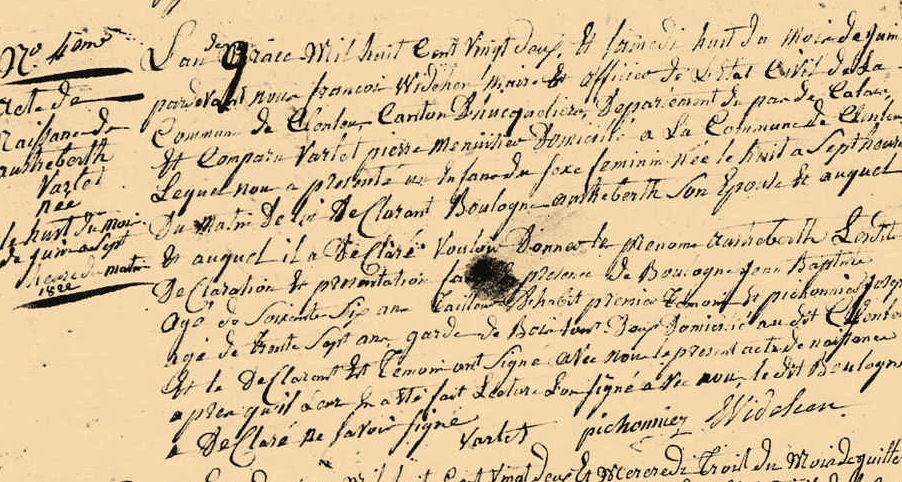
Pierre Wenceslas Varlet born on the 28th of September, 1824 in Clenleu, Pas-de-Calais, brother of Austreberthe Varlet, born two years previously on the 8th of June. Wenceslas! What would you call Wenceslas for short? she mused. Wence?
“An ’twere not as good a deed as drink to turn true man and to leave these rogues, I am the veriest varlet that ever chewed with a tooth”.
A cautious knock at the door interrupted Cerenise’s mental meanderings.
“Enter,” she called, and Laddie Bentry sidled in looking sheepish.
“Ah, it’s you, the veriest varlet of number 26. Well, what is it? You look as though you accidentally dropped Helier’s trashy novel in the water butt.”
Taken aback by Cernice’s perspicacity, Laddie recoiled slightly and then squared his shoulders. “How did you know?” he asked.
“Oh just a lucky guess,” Cerenise replied breezily, tapping the side of her nose. “I suppose you want me to order you another copy from Amaflob before he notices? I’ll arrange for an express delivery. Keep an eye out for the delivery man”
Waving away his thanks, she picked up the old document on her desk that Yvoise had kindly provided, albeit reluctantly, and squinted at it. She could make out the name Austreberthe, but what did the rest say?
Cerenise dozed off, dreaming of the Folies Bergere. The atmosphere was exciting and convivial at first, escalating into an eruption of approval when the new act came on the stage. Cerenise felt the energy of the crowd but her attention was drawn to the flamboyant figure of a man dressed as one of the three kings of the Magi, and he was making his way over to her. Why, it was Lazuli Galore! What on earth was he doing here? And who was that dumpy overly made up woman in the blue dress, Godfreda, who had tagged along with them?
Another knock on the door wakened her and she called out “Come in!” in an irritable tone. She’d been having such fun in the dream. “Oh it’s you, oh good, the book has arrived.”
Laddie shifted his feet and replied, “Well yes, a Liz Tattler novel has arrived.”
“Oh, good, well be off with you then so I can get on with my work.”
“But it’s not The Vampires of Varna. It’s The Valedictorian Vampires of Valley View High.”
“Jolly good, I expect you’ll enjoy it,” Cerenise said, picking up the old document again and peering at it. Perceiving that Laddie had not yet exited the room, she looked up. “Helier won’t notice, those books are all the same. Now get off with you.”
December 31, 2025 at 11:11 am #8009In reply to: Finder’s Keepers of the Hoard
Some ideas for the background thread and character profiles for “The Hoards of Emporium 26.”
The Setting: Emporium 26
They live in Gloucester (ancient Glevum), a city built on Roman bones where the layout of the streets still follows the legions’ sandals. They inhabit a sprawling, shared Georgian townhouse complex that has been knocked through into one labyrinthine dwelling—Number 26.
To the outside world, it looks like a dilapidated heritage site. Inside, it is The Emporium: a geological stratification of history, where layers of Roman pottery are mixed with 1990s Beanie Babies and medieval reliquaries.
The Background Thread: “The Weight of Eternity”
Why do they hoard? Because when you live forever, “letting go” feels like losing a piece of the timeline. Hoarding objects is for them an accumulation of evidence of existence.
- The Curse: They cannot die naturally, but they can fade if they are forgotten. The “stuff” anchors them to the physical plane.
- The “Halo” Effect: Occasionally, when they are arguing over whose turn it is to do the dishes, or when they find a lost treasure, the stained-glass light of their old divinity flickers behind their heads—a neon halo of forgotten holiness.
The Hoarders & Their Stashes
1. Helier ( The Hermit / The Dreamer)
- Saintly Origin: Based on St. Helier (Jersey/Normandy). He was an ascetic hermit who lived in a cave and was eventually beheaded.
- Modern Persona: A soft-spoken agoraphobe who hasn’t left the house since the invention of the internet. He wears oversized cardigans that smell like old library books.
- The Mania: Escapism & Communication.
- Because he spent centuries in silence on a rock, he is now obsessed with human stories and noise.
- The Hoard: ” The Media Mountain.”
- His wing of the house is a fire hazard of pulp fiction, towering stacks of National Geographic (dating back to the first issue), thousands of VHS tapes (he has no VCR), and tangled knots of ethernet cables that he refuses to throw away “in case they fit a port from 1998.”
- The Secret Stash: Beneath a pile of “The Hoarder Vampires” novels lies his true relic: The Stone Pillow. The actual rock he slept on in the 6th century. He still naps on it when his back hurts.
2. Spirius (The Bishop / The Container)
- Saintly Origin: Evocative of St. Exuperius (Bayeux). A driver-out of demons and a man of grand gestures.
- Modern Persona: A nervous, fidgety man who is convinced the world is leaking. He is the “fixer” of the group but usually makes things worse with duct tape.
- The Mania: Containment & Preservation.
- In the old days, he bottled demons. Now, he’s terrified of running out of space to put things.
- The Hoard: “The Vessel Void.”
- Spirius hoards anything that can hold something else. Empty jam jars (washed, mostly), Tupperware with no matching lids, biscuit tins, and thousands of plastic carrier bags stuffed inside other carrier bags (the “Bag of Bags”).
- The Secret Stash: In a locked pantry, he keeps a shelf of sealed mason jars labeled with dates like “1431” or “1789.” He claims they contain the “Sigh of a King” or “The smell of rain before the Plague.” It’s actually just dust, but the jars vibrate slightly.
3. Cerenise (The Weaver / The Mender)
- Saintly Origin: Evocative of St. Ceneri or St. Cerneuf. A saint of travelers, or perhaps needlework.
- Modern Persona: She is the “Wheelchair Girl’s” friend mentioned in the intro? Or perhaps she is in a wheelchair now—not because she can’t walk, but because she’s too tired from walking for 1,500 years. She is sharp-tongued and fashionable in a “crazy bag lady” sort of way.
- The Mania: Potential & Texture.
- She sees the soul in broken things. She cannot throw away anything that “could be fixed.”
- The Hoard: “The Fabric of Time.”
- Her rooms are draped in layers of textiles: velvet curtains from a 1920s cinema, moth-eaten tapestries depicting her own miracles (she thinks the nose is wrong), and buttons. Millions of buttons. She also hoards broken appliances—toasters, lamps, clocks—insisting she will repair them “next Tuesday.”
- The Secret Stash: A mannequin dressed in a perfectly preserved Roman stola, hidden under forty layers of polyester coats. It’s the outfit she wore when she performed her first miracle. She tries it on every New Year’s Eve.
4. Yvoise (The Advocate / The Bureaucrat)
- Saintly Origin: Evocative of St. Yves (Patron of Lawyers/Brittany/Normandy). The arbiter of justice.
- Modern Persona: The “Manager” of Emporium 26. She wears power suits from the 80s and is always carrying a clipboard. She loves rules, even if she invents them.
- The Mania: Proof of Truth.
- She is terrified of being forgotten or cheated. She needs a receipt for everything.
- The Hoard: “The Archive of Nothing.”
- Yvoise hoards paper. Receipts from a coffee bought in 1952, bus tickets, expired warranties, junk mail, and legal disclaimers torn off mattresses. Her room looks like the inside of a shredder that exploded. She claims she is building “The Case for Humanity.”
- The Secret Stash: A filing cabinet labeled “Do Not Open.” Inside is not paper, but Seeds. Seeds from the trees of ancient Gaul. She is saving them for when the paper finally takes over the world and she needs to replant the forest she misses.
Starter: The Reading of Austreberthe’s Will
The story kicks off because Austreberthe (The Saint of Washing/Water) has died. Her hoard was Soap and Water.
- The house is now flooding because her magical containment on the plumbing has broken.
- The remaining four must navigate her “Tsunami Wing”—a treacherous dungeon of accumulated bath bombs, stolen hotel towels, and aggressive washing machines—to find her Will.
- The Will is rumored to reveal the location of the “Golden Key,” an object that can legally terminate their lease on Emporium 26, which none of them want, but all of them crave.
December 30, 2025 at 6:42 pm #8003In reply to: The Elusive Samuel Housley and Other Family Stories
JOHN BROOKS ALIAS PRIESTLAND
1766-1846John Brooks, my 5x great grandfather, was born in 1766, according to the 1841 census and the burial register in 1846 which stated his age at death as 80 years, but no baptism has been found thus far.
On his first son’s baptism in 1790 the parish register states “John son of John and Elizabeth Brooks Priestnal was baptised”. The name Priestnal was not mentioned in any further sibling baptism, and he was John Brooks on his marriage, on the 1841 census and on his burial in the Netherseal parish register. The name Priestnal was a mystery.
I wondered why there was a nine year gap between the first son John, and the further six siblings, and found that his first wife Elizabeth Wilson died in 1791, and in 1798 John married Elizabeth Cowper, a widow.
John was a farmer of Netherseal on both marriage licences, and of independent means on the 1841 census.
Without finding a baptism it was impossible to go further back, and I was curious to find another tree on the ancestry website with many specific dates but no sources attached, that had Thomas Brooks as his father and his mother as Mary Priestland. I couldn’t find a marriage for John and Mary Priestland, so I sent a message to the owner of the tree, and before receiving a reply, did a bit more searching.
I found an article in the newspaper archives dated 9 August 1839 about a dispute over a right of way, and John Brooks, 73 years of age and a witness for the complainant, said that he had lived in Netherseal all his life (and had always know that public right of way and so on).
I found three lists of documents held by the Derby Records Office about property deeds and transfers, naming a John Brooks alias Priestland, one in 1794, one in 1814, and one in 1824. One of them stated that his father was Thomas Brooks. I was beginning to wonder if Thomas Brooks and Mary Priestland had never married, and this proved to be the case.
The Australian owner of the other tree replied, and said that they had paid a researcher in England many years ago, and that she would look through a box of papers. She sent me a transcribed summary of the main ponts of Thomas Brooks 1784 will:
Thomas Brooks, husbandman of Netherseal
To daughter Ann husband of George Oakden, £20.
To grandson William Brooks, £20.
To son William Brooks and his wife Ann, one shilling each.
To his servant Mary Priestland, £20 and certain household effects and certain property.
To his natural son John Priestland alias Brooks, various properties and the residue of his estate.
John Priestland alias Brooks appointed sole executor.It would appear that Thomas Brooks left the bulk of his estate to his illegitimate son, and more to his servant Mary Priestland than to his legitimate children.
THOMAS BROOKS
1706-1784
Thomas Brooks, my 6x great grandfather, had three wives. He had four children with his first wife, Elizabeth, between 1732 and 1737. Elizabeth died in 1737. He then married Mary Bath, who died in 1763. Thomas had no children with Mary Bath. In 1765 Thomas married Mary Beck. In 1766 his son John Brooks alias Priestland was born to his servant Mary Priestland.
Thomas Brooks parents were John Brooks 1671-1741, and his wife Anne Speare 1674-1718, both of Netherseal, Leicestershire.
July 16, 2025 at 6:06 am #7969In reply to: The Elusive Samuel Housley and Other Family Stories
Gatacre Hall and The Old Book
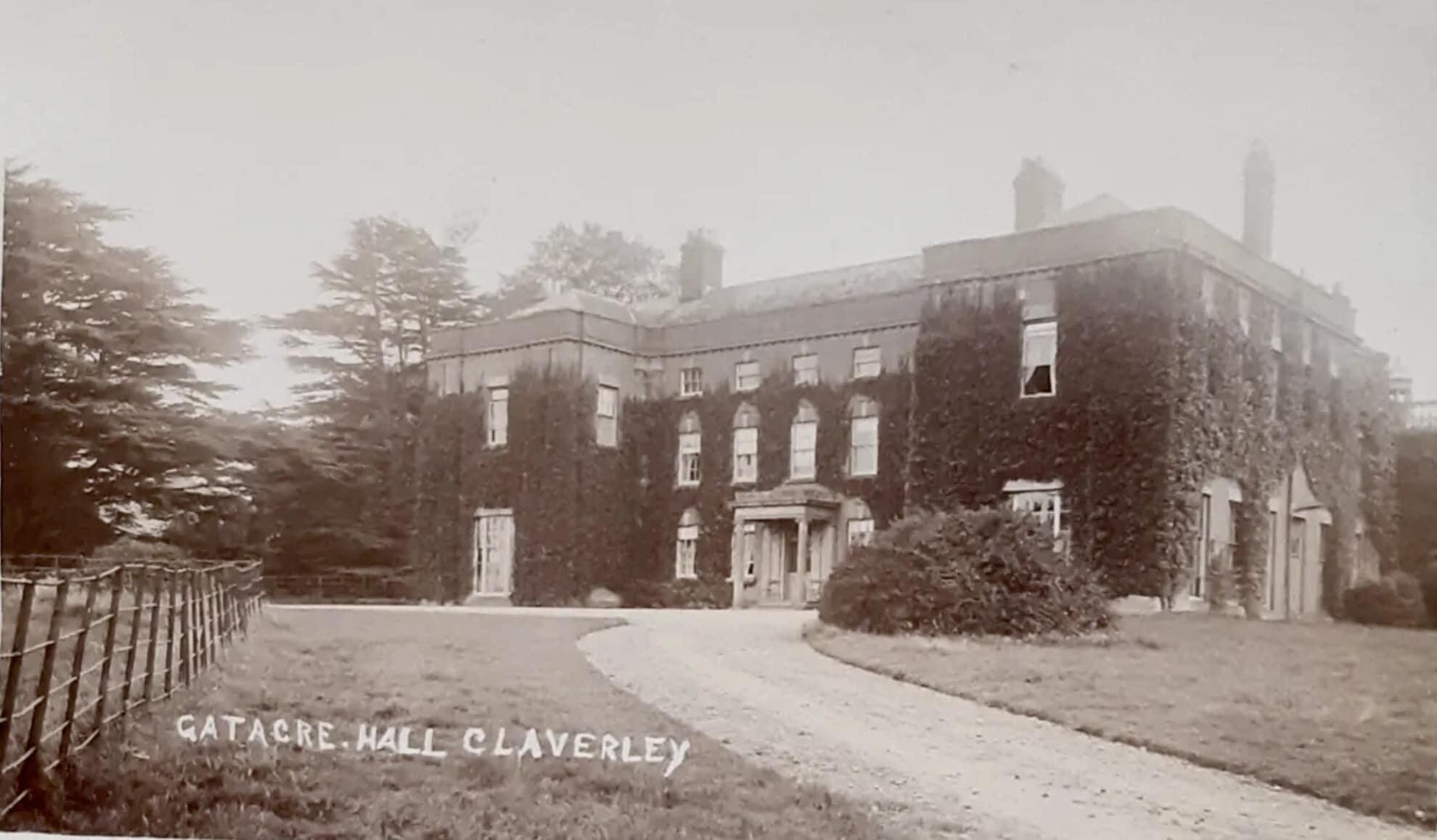
In the early 1950s my uncle John and his friend, possibly John Clare, ventured into an abandoned old house while out walking in Shropshire. He (or his friend) saved an old book from the vandalised dereliction and took it home. Somehow my mother ended up with the book.
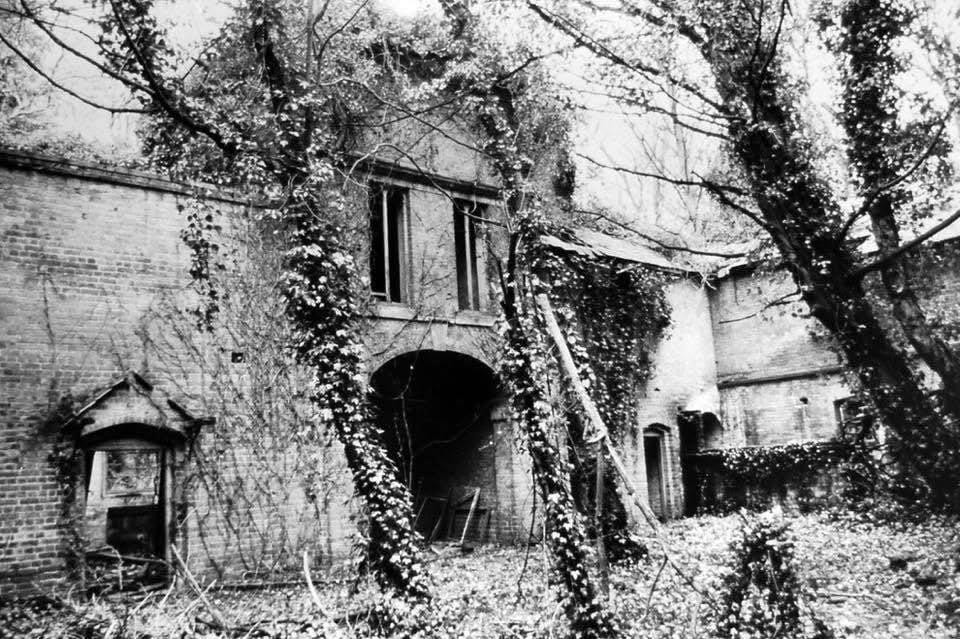
I remember that we had the book when we were living in USA, and that my mother said that John didn’t want the book in his house. He had said the abandoned hall had been spooky. The book was heavy and thick with a hard cover. I recall it was a “magazine” which seemed odd to me at the time; a compendium of information. I seem to recall the date 1553, but also recall that it was during the reign of Henry VIII. No doubt one of those recollections is wrong, probably the date. It was written in English, and had illustrations, presumably woodcuts.
I found out a few years ago that my mother had sold the book some years before. Had I known she was going to sell it, I’d have first asked her not to, and then at least made a note of the name of it, and taken photographs of it. It seems that she sold the book in Connecticut, USA, probably in the 1980’s.
My cousin and I were talking about the book and the story. We decided to try and find out which abandoned house it was although we didn’t have much to go on: it was in Shropshire, it was in a state of abandoned dereliction in the early 50s, and it contained antiquarian books.
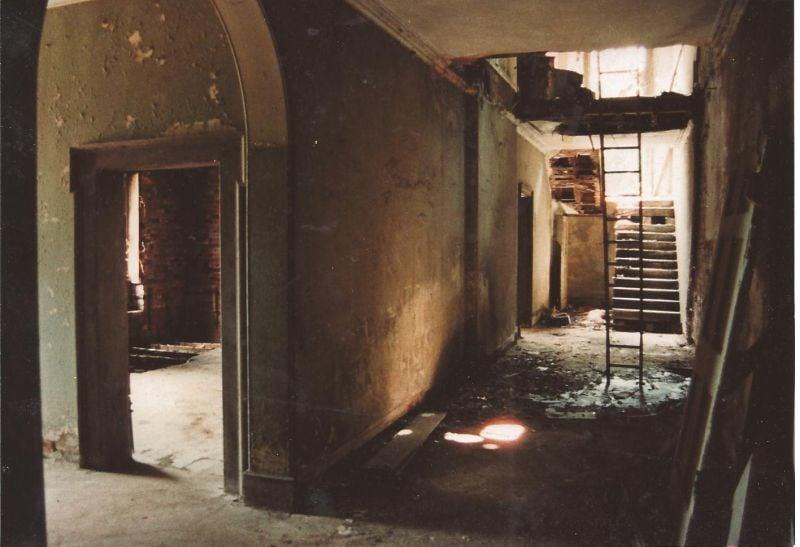
I posted the story on a Shropshire History and Nostalgia facebook group, and almost immediately had a reply from someone whose husband remembered such a place with ancient books and manuscripts all over the floor, and the place was called Gatacre Hall in Claverley, near Bridgnorth. She also said that there was a story that the family had fled to Canada just after WWII, even leaving the dishes on the table.
The Gatacre family sailing to Canada in 1947:
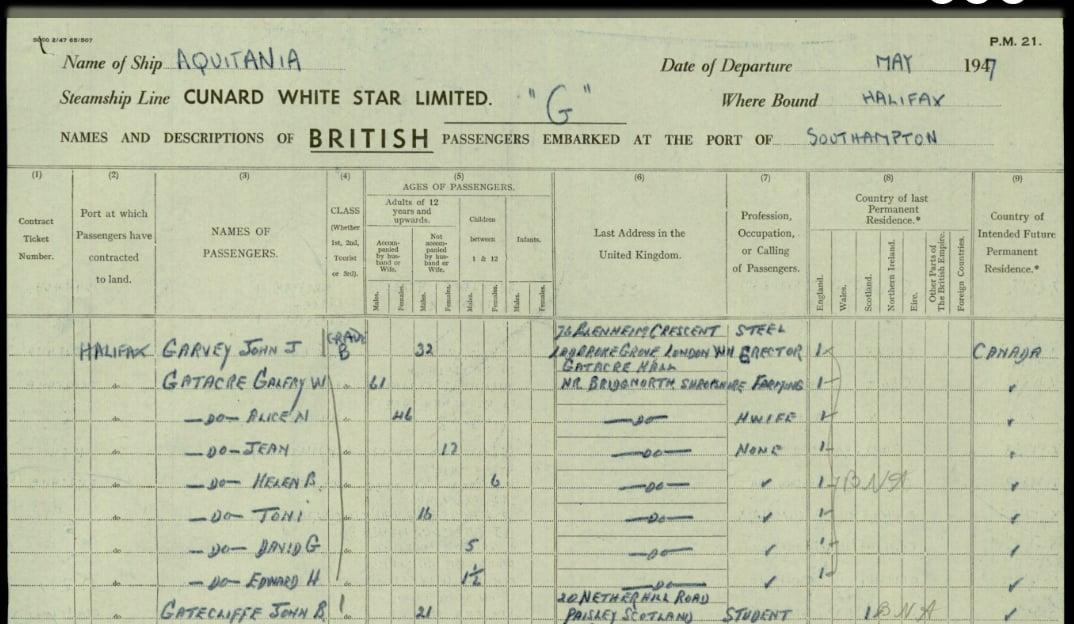
When my cousin heard the name Gatacre Hall she remembered that was the name of the place where her father had found the book.
I looked into Gatacre Hall online, in the newspaper archives, the usual genealogy sites and google books searches and so on. The estate had been going downhill with debts for some years. The old squire died in 1911, and his eldest son died in 1916 at the Somme. Another son, Galfrey Gatacre, was already farming in BC, Canada. He was unable to sell Gatacre Hall because of an entail, so he closed the house up. Between 1945-1947 some important pieces of furniture were auctioned, and the rest appears to have been left in the empty house.
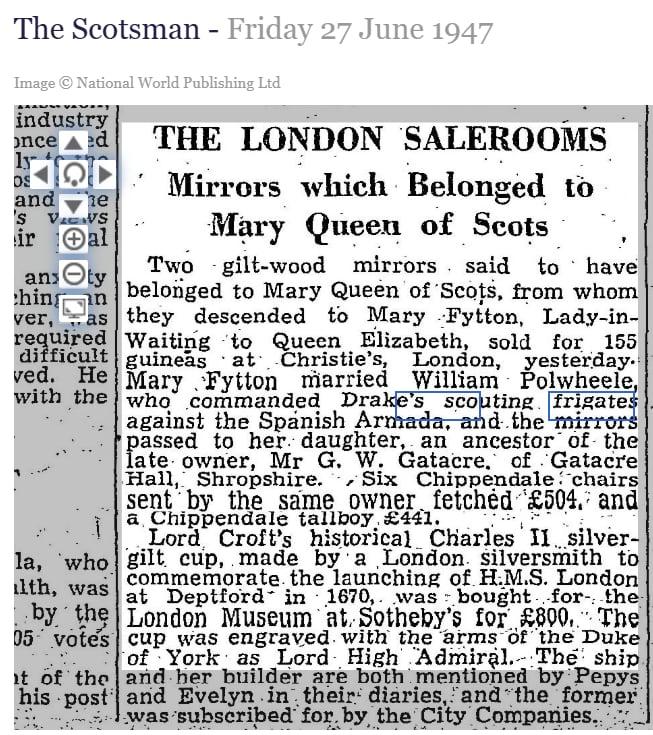
The family didn’t suddenly flee to Canada leaving the dishes on the table, although it was true that the family were living in Canada.
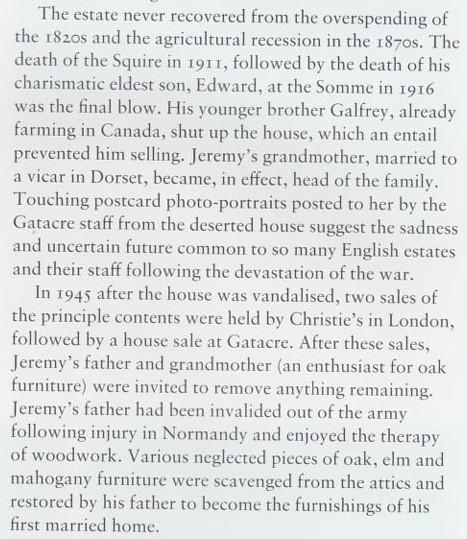
An interesting thing to note here is that not long after this book was found, my parents moved to BC Canada (where I was born), and a year later my uncle moved to Toronto (where he met his wife).
Captain Gatacre in 1918:
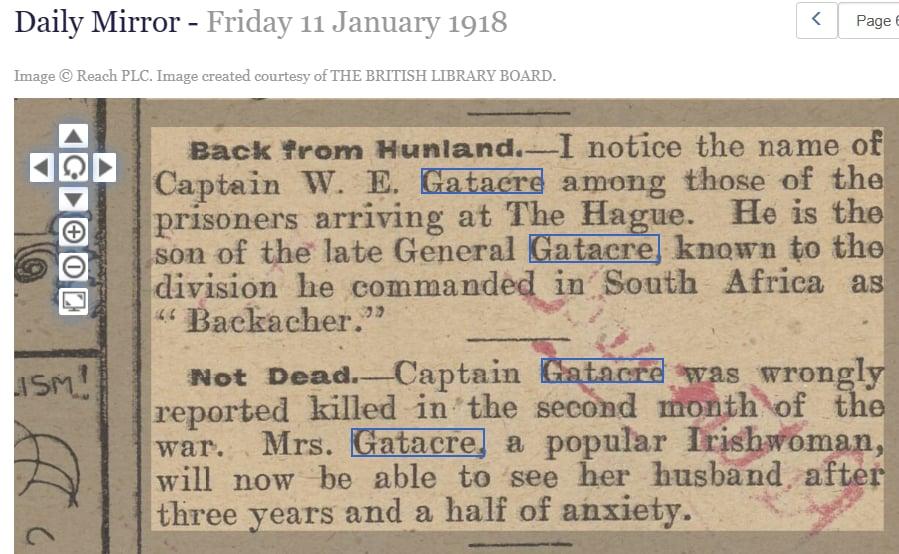
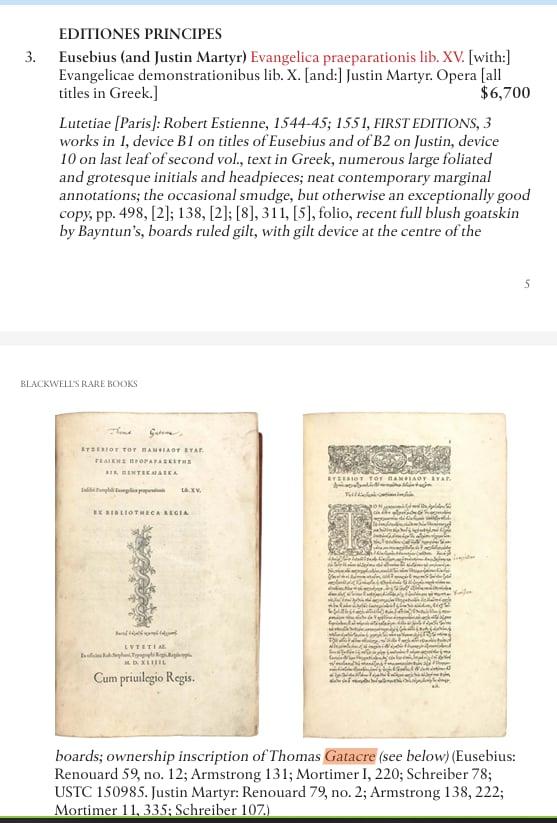
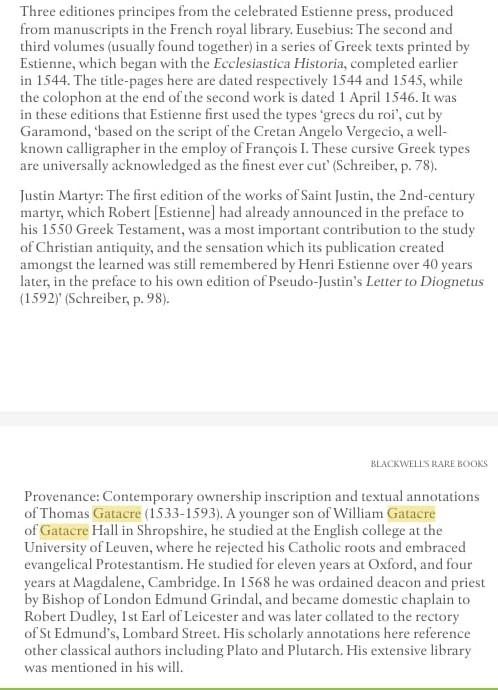
The Gatacre library was mentioned in the auction notes of a particular antiquarian book:
“Provenance: Contemporary ownership inscription and textual annotations of Thomas Gatacre (1533-1593). A younger son of William Gatacre of Gatacre Hall in Shropshire, he studied at the English college at the University of Leuven, where he rejected his Catholic roots and embraced evangelical Protestantism. He studied for eleven years at Oxford, and four years at Magdalene, Cambridge. In 1568 he was ordained deacon and priest by Bishop of London Edmund Grindal, and became domestic chaplain to Robert Dudley, 1st Earl of Leicester and was later collated to the rectory of St Edmund’s, Lombard Street. His scholarly annotations here reference other classical authors including Plato and Plutarch. His extensive library was mentioned in his will.”
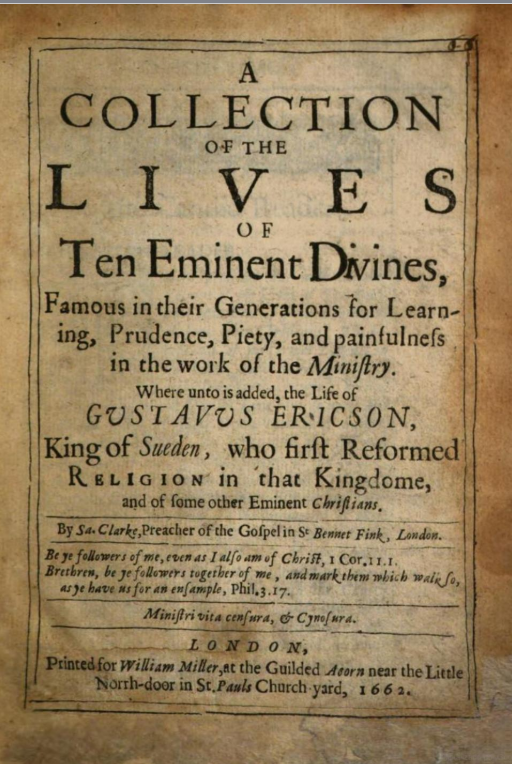
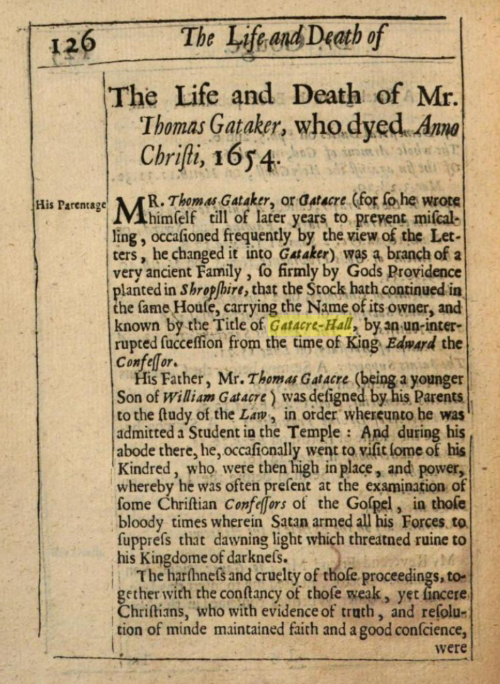
There are thirty four pages in this 1662 book about Thomas Gatacre d 1654:
 June 11, 2025 at 7:50 pm #7962
In reply to: Cofficionados Bandits (vs Lucid Dreamers)
The hat was gone.
Kit stood blinking in the sun, the shape of his new self cooling around the edges like a half-written cookie losing form. Without the cowboy hat, the lasso made less sense. His accent wobbled, then vanished completely. The sunglasses stayed, but now just made everything too dark, even tinted pink.
Behind him, the gazebo creaked again. But no trapdoor this time—only a faint whirring, like a film projector syncing spools.
“It’s reloading,” said Thiram from the sidelines, tapping at something that looked oddly like a pressure-gauged Sabulmantium. “Every time someone hands off a narrative object—like a synch, a hat, a horse even—it updates roles. We’re being cast on the fly.”
Chico looked up from Tyrone, who had snatched one of the Memory Pies and was now attempting to hide the evidence behind a flowerpot. “So… Kit’s not Trevor anymore?”“No,” said Carob, arms crossed. “He’s Trevorless. That identity didn’t bake fully. We have to stabilize it.”
“But with what?” asked Godrick, who had returned carrying a second cocktail, coffee with a glass of water and a slight wry smirk.
Amy, now balancing the cowboy hat on her head as she crouched next to the still-disoriented Padre, called out without turning:
“Bring him another Synch. That’s how it works now, apparently. Hat or otherwise.”
March 22, 2025 at 3:38 pm #7877In reply to: The Last Cruise of Helix 25
Helix 25 — The Six Spinster Sisters’ Will
Evie keyed in her login credentials for the sixth time that afternoon, stifling a yawn. Ever since the murder case had wrapped, she had drifted into a lulling routine—one that made her pregnancy drag on with excruciating slowness. Riven was rarely around; he’d been commandeered by the newly awakened Veranassessee for “urgent duties” that somehow never needed Evie’s help. And though she couldn’t complain about the ship’s overall calm, she felt herself itching for something—anything—to break the monotony.
So she’d come to one of the less-frequented data terminals on Helix25, in a dim corner off the main library deck. She had told herself she was looking up baby name etymologies (her mother would have pressed her about it), but she’d quickly meandered into clinically sterile subfolders of genealogical records.
It was exactly the kind of aimless rummaging that had once led her to uncover critical leads during the murder investigation. And if there was something Helix25 had in abundance besides well-recycled air, it was obscure digital archives.
She settled into the creaking seat, adjusting the small pillow behind her back. The screen glowed, lines of text scrolling by in neat greenish typeface. Most references were unremarkable: old Earth deeds, ledgers for farmland, family names she didn’t recognize. Had she not known that data storage was near infinite, due to the excess demands of data from the central AIs, she would have wondered why they’d bothered stocking the ship with so much information. Then her gaze snagged on a curious subfolder titled “Alstonefield Will—Gibbs Sisters.”
“Gibbs Sisters…?” she murmured under her breath, tapping it open.
The file contained scans of a handwritten will dated early 1800s, from Staffordshire, England. Each page was peppered with archaic legalese (“whereupon the rightful property of Misses Mary, Ellen, Ann, Sarah, Margaret and Malové Gibbs bequeathed…”), listing items that ranged from modest farmland acreage to improbable references of “spiritual confidences.”
Evie frowned, leaning closer. Spiritual confidences? The text was surprisingly explicit about the sisters’ lives—how six women jointly farmed 146 acres, remained unmarried, and according to a marginal note, “were rumored to share an uncanny attunement of thought.”
A telepathic link? she thought, half-intrigued, half-smirking. That smacked of the same kind of rumor-laden gossip that had swirled around the old Earth families. Still, the note was written in an official hand.
She scrolled further, expecting the record to fizzle out. Instead, it abruptly jumped to an addendum dated decades later:
“By 1834, the Gibbs sisters departed for the Australian continent. Certain seeds and rootstocks—believed essential for their ‘ancestral devotions’—did accompany them. No further official records on them remain in Staffordshire….”
Seeds and rootstocks. Evie’s curiosity piqued further—some old detail about hush-hush crops that the sisters apparently treasured enough to haul across the world.
A flicker of movement caught her eye. Trevor Pee “TP” Marshall, her faithful investigative hologram, materialized at the edge of her console. He adjusted his little pixelated bow tie, voice brimming with delight.
“Ah, I see you’re poking around genealogical conundrums, dear Evie. Dare I hope we’ve found ourselves another puzzle?”
Evie snorted softly. “Don’t get too excited, TP. It’s just a random will. But it does mention unusual circumstances… something about telepathy, special seeds, and these six spinster sisters traveling to the outback. It’s bizarre. And I’m bored.”
TP’s mustache twitched in faux indignation. “Bizarre is my lifeblood, my dear. Let’s see: six sisters of reputed synergy… farmland… seeds with rumored ‘power’… Honestly, that’s more suspicious than the standard genealogical yawn.”
Evie tapped a fingertip on the screen, highlighting the references. “Agreed. And for some reason, the file is cross-referenced with older Helix25 ‘implied passenger diaries.’ I can’t open them—some access restriction. Maybe Dr. Arorangi tagged them?”
TP’s eyes gleamed. “Interesting, indeed. You recall Dr. Arorangi’s rumored fascination with nonstandard genetic lines—”
“Right,” Evie said thoughtfully, sitting back. “So is that the link? Maybe this Alstonefield Hall story or the seeds the sisters carried has some significance to the architectural codes Arorangi left behind. We never did figure out why the AI has so many subroutines locked.”
She paused, glancing down at her growing belly with a wry smile. “I know it might be nothing, but… it’s a better pastime than waiting for Riven to show up from another Veranassessee briefing. If these old records are tied to Dr. Arorangi’s restricted logs, that alone is reason enough to dig deeper.”
TP beamed. “Spoken like a true detective. Ready to run with a half-thread of clue and see where it leads?”
Evie nodded, tapping the old text to copy it into her personal device. “I am. Let’s see who these Gibbs sisters really were… and why Helix25’s archives bothered to keep them in the system.”
Her heart thumped pleasantly at the prospect of unraveling some long-lost secret. It wasn’t exactly the adrenaline rush of a murder investigation, but in these humdrum days—six months after the last major crisis—it might be the spark she needed.
She rose from the console, smartphone in hand, and beckoned to the flickering detective avatar. “Come on, TP. Let’s find out if six mysterious spinsters from 1800s Staffordshire can liven things up for us.”
March 9, 2025 at 11:25 pm #7863In reply to: The Last Cruise of Helix 25
“This mystery is eating away at me” Evie said, wondering how the others could remain so calm and detached. Even with the motion-sickness pills dispensed during the moon swing, her stress levels were abnormally high.
“Let me try to run the clues and make wild assumptions. After all, sometimes a wobbly theory is better than no theory at all. If anything contradicts it, we’ll move on, and if nothing contradicts it, then maybe we’re onto something.”
“Okham’s razor.” TP was following despite the fact he had been pacing in a perfect geometric loop, which was probably a sign he was buffering.
“What do you mean?”
“A simple logic goes a long way. So what have you got? Don’t ask me, because I’m rubbish at this…” TP was proud to admit.
“Let’s see: First scene, Ethan Marlowe aka Mr Hebert. Suspicious double identity, hidden secrets, but won’t explain why he got trapped in a drying machine. We know the AI is somewhat complicit, but impossible to prove, it could just have been a glitch. But DNA was found, possibly from a descendent of someone from the Middle Ages.”
“So far, nothing to object” TP nodded, as if perusing though his notes.
“Assuming Amara’s theories to be true, someone on the ship activated ancient ancestral knowledge, and got possessed, and maybe still is. What possible reason can a Middle-Age person have to dry someone like a raisin?”
“Mmm… Curiosity? Wrong place, wrong time?”
“And how could he get the knowledge of modern systems?”
TP chucked. “Have you seen the latest updates on the datapads? They’re basically child’s play… One step away from ‘Press here to commit murder.’ Even a reawakened Neanderthal could figure out the interface.”
“Well, you’re not wrong. There’s hardly anything we still know how to do without computer assist… We have to see our assumptions reversed. The ancient murderer is cleverer than we’d expected. He isn’t a relic in a struggle to adapt, but someone who adapted a little too well. And I would add he’s probably a mad scientist from that age.”
Evie paused at the thought… The more she looked, the more the central AI seemed more than complicit. Reawakening the Middle-Age mad doctor? it would have taken months of computations to connect Amara’s theories with a possible candidate, and orient them towards setting up the murder. And to what end? The more she looked, the more she seemed to stray from a simple theory. Maybe she should just leave it to more competent people.
At least Mandrake was safe now, it was a small consolation, even if she couldn’t tell if at all the two events were even connected. At the proper scale, everything on the ship was surely connected anyway. They were breathing their recycled farts all day every day anyway.And now, with the ship years away or maybe just months away from a return to Earth, there were a lot more pressing matters to address.
March 1, 2025 at 3:21 pm #7849In reply to: The Last Cruise of Helix 25
Helix 25 – The Genetic Puzzle
Amara’s Lab – Data Now Aggregated
(Discrepancies Never Addressed)On the screen in front of Dr. Amara Voss, lines upon lines of genetic code were cascading and making her sleepy. While the rest of the ship was running amok, she was barricaded into her lab, content to have been staring at the sequences for the most part of the day —too long actually.
She took a sip of her long-cold tea and exhaled sharply.
Even if data was patchy from the records she had access to, there was a solid database of genetic materials, all dutifully collected for all passengers, or crew before embarkment, as was mandated by company policy. The official reason being to detect potential risks for deep space survival. Before the ship’s take-over, systematic recording of new-borns had been neglected, and after the ship’s takeover, population’s new born had drastically reduced, with the birth control program everyone had agreed on, as was suggested by Synthia. So not everyone’s DNA was accounted for, but in theory, anybody on the ship could be traced back and matched by less than 2 or 3 generations to the original data records.
The Marlowe lineage was the one that kept resurfacing. At first, she thought it was coincidence—tracing the bloodlines of the ship’s inhabitants was messy, a tangled net of survivors, refugees, and engineered populations. But Marlowe wasn’t alone.
Another name pulsed in the data. Forgelot. Then Holt. Old names of Earth, unlike the new star-birthed. There were others, too.
Families that had been aboard Helix 25 for some generations. But more importantly, bloodlines that could be traced back to Earth’s distant past.
But beyond just analysing their origins, there was something else that caught her attention. It was what was happening to them now.
Amara leaned forward, pulling up the mutation activation models she had been building. In normal conditions, these dormant genetic markers would remain just that—latent. Passed through generations like forgotten heirlooms, meaningless until triggered.
Except in this case, there was evidence that something had triggered them.
The human body, subjected to long-term exposure to deep space radiation, artificial gravity shifts, and cosmic phenomena, and had there not been a fair dose of shielding from the hull, should have mutated chaotically, randomly. But this was different. The genetic sequences weren’t just mutating—they were activating.
And more surprisingly… it wasn’t truly random.
Something—or someone—had inherited an old mechanism that allowed them to access knowledge, instincts, memories from generations long past.
The ancient Templars had believed in a ritualistic process to recover ancestral skills and knowledge. What Amara was seeing now…
She rubbed her forehead.
“Impossible.”
And yet—here was the data.
On Earth, the past was written in stories and fading ink. In space, the past was still alive—hiding inside their cells, waiting.
Earth – The Quiz Night Reveal
The Golden Trowel, Hungary
The candlelit warmth of The Golden Trowel buzzed with newfound energy. The survivors sat in a loose circle, drinks in hand, at this unplanned but much-needed evening of levity.
Once the postcards shared, everyone was listening as Tala addressed the group.
“If anyone has an anecdote, hang on to the postcard,” she said. “If not, pass it on. No wrong answers, but the best story wins.”
Molly felt the weight of her own selection, the Giralda’s spire sharp and unmistakable. Something about it stirred her—an itch in the back of her mind, a thread tugging at long-buried memories.
She turned toward Vera, who was already inspecting her own card with keen interest.
“Tower of London, anything exciting to share?”
Vera arched a perfectly sculpted eyebrow, lips curving in amusement.
“Molly Darling,” she drawled, “I can tell you lots, I know more about dead people’s families than most people know about their living ones, and London is surely a place of abundance of stories. But do you even know about your own name Marlowe?”
She spun the postcard between her fingers before answering.
“Not sure, really, I only know about Philip Marlowe, the fictional detective from Lady in the Lake novel… Never really thought about the name before.”
“Marlowe,” Vera smiled. “That’s an old name. Very old. Derived from an Old English phrase meaning ‘remnants of a lake.’”
Molly inhaled sharply.
Remnants of the Lady of the Lake ?
Her pulse thrummed. Beyond the historical curiosity she’d felt a deep old connection.
If her family had left behind records, they would have been on the ship… The thought came with unwanted feelings she’d rather have buried. The living mattered, the lost ones… They’d lost connection for so long, how could they…
Her fingers tightened around the postcard.
Unless there was something behind her ravings?
Molly swallowed the lump in her throat and met Vera’s gaze. “I need to talk to Finja.”

Finja had spent most of the evening pretending not to exist.
But after the fifth time Molly nudged her, eyes bright with silent pleas, she let out a long-suffering sigh.
“Alright,” she muttered. “But just one.”
Molly exhaled in relief.
The once-raucous Golden Trowel had dimmed into something softer—the edges of the night blurred with expectation.
Because it wasn’t just Molly who wanted to ask.
Maybe it was the effect of the postcards game, a shared psychic connection, or maybe like someone had muttered, caused by the new Moon’s sickness… A dozen others had realized, all at once, that they too had names to whisper.
Somehow, a whole population was still alive, in space, after all this time. There was no time for disbelief now, Finja’s knowledge of stuff was incontrovertible. Molly was cued by the care-taking of Ellis Marlowe by Finkley, she knew things about her softie of a son, only his mother and close people would know.
So Finja had relented. And agreed to use all means to establish a connection, to reignite a spark of hope she was worried could just be the last straw before being thrown into despair once again.
Finja closed her eyes.
The link had always been there, an immediate vivid presence beneath her skull, pristine and comfortable but tonight it felt louder, crowdier.
The moons had shifted, in syzygy, with a gravity pull in their orbits tugging at things unseen.
She reached out—
And the voices crashed into her.
Too much. Too many.
Hundreds of voices, drowning her in longing and loss.
“Where is my brother?”
“Did my wife make it aboard?”
“My son—please—he was supposed to be on Helix 23—”
“Tell them I’m still here!”Her head snapped back, breath shattering into gasps.
The crowd held its breath.
A dozen pairs of eyes, wide and unblinking.
Finja clenched her fists. She had to shut it down. She had to—
And then—
Something else.
A presence. Watching.
Synthia.
Her chest seized.
There was no logical way for an AI to interfere with telepathic frequencies.
And yet—
She felt it.
A subtle distortion. A foreign hand pressing against the link, observing.
The ship knew.
Finja jerked back, knocking over her chair.
The bar erupted into chaos.
“FINJA?! What did you see?”
“Was someone there?”
“Did you find anyone?!”Her breath came in short, panicked bursts.
She had never thought about the consequences of calling out across space.
But now…
Now she knew.
They were not the last survivors. Other lived and thrived beyond Earth.
And Synthia wanted to keep it that way.
Yet, Finja and Finkley had both simultaneously caught something.
It would take the ship time, but they were coming back. Synthia was not pleased about it, but had not been able to override the response to the beacon.They were coming back.
March 1, 2025 at 8:17 am #7841In reply to: The Last Cruise of Helix 25
Klyutch Base – an Unknown Signal
The flickering green light on the old console pulsed like a heartbeat.
Orrin Holt leaned forward, tapping the screen. A faint signal had appeared on their outdated long-range scanners—coming from the coastline near the Black Sea. He exchanged a glance with Commander Koval, the no-nonsense leader of Klyutch Base.
“That can’t be right,” muttered Janos Varga, Solara’s husband who was managing the coms’ beside him. “We haven’t picked up anything out of the coast in years.”
Koval grunted like an irate bear, then exhaled sharply. “It’s not our priority. We already lost track of the fools we were following at the border. Let them go. If they went south, they’ve got bigger problems.”
Outside, a distant roar sliced through the cold dusk—a deep, guttural sound that rattled the reinforced windows of the command room.
Orrin didn’t flinch. He’d heard it before.
It was the unmistakable cry of a pack of sanglions— лев-кабан lev-kaban as the locals called the monstrous mutated beasts, wild vicious boars as ferocious as rabid lions that roamed Hungary’s wilds— and they were hunting. If the escapees had made their way there, they were as good as dead.
“Can’t waste the fuel chasing ghosts,” Koval grunted.
But Orrin was still watching the blip on the screen. That signal had no right to be there, nothing was left in this region for years.
“Sir,” he said slowly, “I don’t think this is just another lost survivor. This frequency—it’s old. Military-grade. And repeating. Someone wants to be found.”
A beat of silence. Then Koval straightened.
“You better be right Holt. Everyone, gear up.”
Merdhyn – Lazurne Coastal Island — The Signal Tossed into Space
Merdhyn Winstrom wiped the sweat from his brow, his fingers still trembling from the final connection. He’d made a ramshackle workshop out of a crumbling fishing shack on the deserted islet near Lazurne. He wasn’t one to pay too much notice to the mess or anythings so pedestrian —even as the smell of rusted metal and stale rations had started to overpower the one of sea salt and fish guts.
The beacon’s old circuitry had been a nightmare, but the moment the final wire sparked to life, he had known that the old tech had awoken: it worked.
The moment it worked, for the first time in decades, the ancient transponder from the crashed Helix 57 lifeboat had sent a signal into the void.
If someone was still out there, something was bound to hear it… it was a matter of time, but he had the intuition that he may even get an answer back.
Tuppence, the chatty rat had returned on his shoulder to nestle in the folds of his makeshift keffieh, but squeaked in protest as the old man let out a half-crazed, victorious laugh.
“Oh, don’t give me that look, you miserable blighter. We just opened the bloody door.”
Beyond the broken window, the coastline stretched into the grey horizon. But now… he wasn’t alone.
A sharp, rhythmic thud-thud-thud in the distance.
Helicopters.
He stepped outside, the biting wind lashing at his face, and watched the dark shapes appear on the horizon—figures moving through the low mist.
Armed. Military-like.
The men from the nearby Klyutch Base had found him.
Merdhyn grinned, utterly unfazed by their weapons or the silent threat in their stance. He lifted his trembling, grease-stained hands and pointed back toward the wreckage of Helix 57 behind him.
“Well then,” he called, voice almost cheerful, “reckon you lot might have the spare parts I need.”
The soldiers hesitated. Their weapons didn’t lower.
Merdhyn, however, was already walking toward them, rambling as if they’d asked him the most natural of questions.
“See, it’s been a right nightmare. Power couplings were fried. Comms were dead. And don’t get me started on the damn heat regulators. But you lot? You might just be the final missing piece.”
Commander Koval stepped forward, assessing the grizzled old man with the gleam of a genuine mad genius in his eyes.
Orrin Holt, however, wasn’t looking at the wreck.
His eyes were on the beacon.
It was still pulsing, but its pulse had changed — something had been answering back.
February 28, 2025 at 10:03 am #7838In reply to: The Last Cruise of Helix 25
After a short rest, Molly, Gregor and Petro ventured outside to wander around before the rain started.
“Az Aranysimító,” Molly read the sign above the door. “Nemzetközi Likőrök. What does that say, Petro?”
The old man smiled at Molly, a rare gleam in his rheumy eye. “Fancy a night out, old gal? It’s a pub, The Golden Trowel. International liquors, too. Pénteki Kvízestek,” Petro added, “Quiz nights on Fridays. I wonder if it’s Friday today?”
“Ha! Who knows what day of the week it is.” Molly took Petro’s arm, coquettishly accepting the date. “I wonder if they have any gin.”
“Count me in for a booze up,” Gregor said trying not to look miffed. “Now, now, boys,” laughed Molly, thoroughly enjoying herself.
“What are you all laughing at?” Vera joined them, cradling a selection of fruits held in her voluminous skirt. Gregor averted his eyes from the sight of her purple veined thighs. He said, “Come on, let’s go inside and find you a crate for those.”
Brushing aside the dusty cobwebs, they made their way to the bar, miraculously and marvellously well stocked. Gregor emptied a crate of empty bottles for Vera, while Petro surveyed the bottles on the shelf behind the bar. Molly stood transfixed looking at a large square painting on the wall. A golden trowel was depicted, on a broken mosaic in a rich combination of terra sigillata orange and robins egg blue colours. Along the bottom of the picture were the words
“Nem minden darab illik rá első pillantásra. Ülj le a töredékekkel, mielőtt megpróbálnád összekényszeríteni őket.”
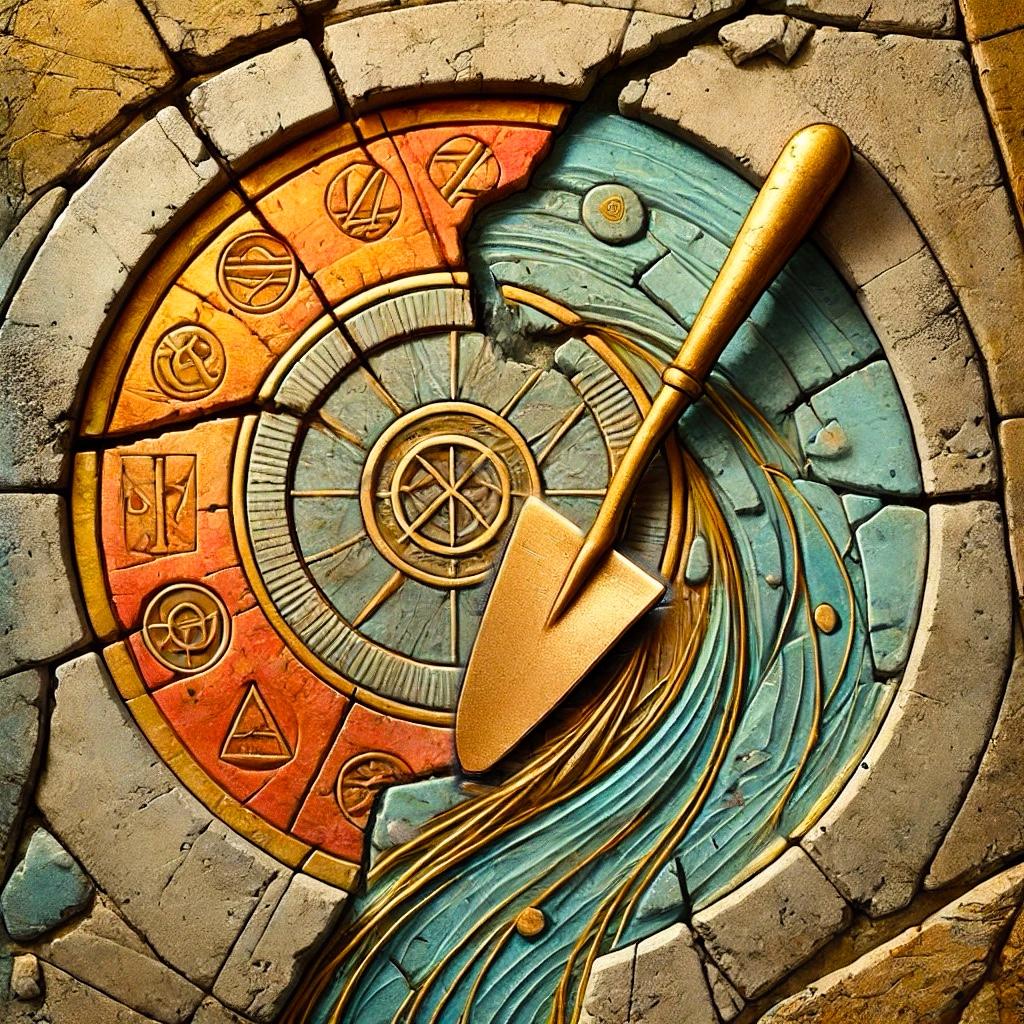
Triumphantly, Petro handed a nearly full bottle of Larios gin to Molly. “I’ll get you a glass but we may need to get Finja in here, they’re all very dirty. That’s nice,” he said, looking up at the picture.
“Not every piece fits at first glance. Sit with the fragments before trying to force them together.”
“Oh, I like that!” exclaimed Molly, giving Petro a grateful smile. “I’d never have known that if you hadn’t been here.”
Petro’s chest swelled with pride and happiness. It was the first time in many years that he’d felt useful to anyone.
February 28, 2025 at 8:18 am #7837In reply to: The Last Cruise of Helix 25
The village lay huddled before them, appearing like a mirage as they reached the top of the rise. Habitation always looks so picturesque when it’s been taken over by nature, Molly thought, by no means for the first time. Even before the collapse, she had penchant for overgrown abandoned ruins. Vines and ivy rampaged gleefully over the houses, softening the hard outlines, and saplings reached for the sky through crumbling roofs.
The survivors had stopped on the low hill to survey the scene, but soon they were rushing down towards the village to explore. As they came closer they could see all the cucumbers and courgettes dangling from the festoons of vines. Molly had visions of cucumber sandwiches on delicate thin sliced white bread with a piping hot pot of tea. But a waterey tasteless courgette soup will have to do, I suppose.
It was mid afternoon but there was no debate about continuing the journey that day. There were all the houses to search, and several shops, and more importantly, shelter for the night. The rain clouds were approaching from the east.
The church was chosen as a base camp as it was spacious enough to accomodate them all and the roof was intact, all but for the collapsed wooden tower which would provide wood for a fire. Lev and Luka set to work organising the space inside the church, supervised by Molly, Gregor and Petro, who wanted to rest. The others had dumped their bags and gone off to explore the buildings for supplies and forage in the overgrown gardens.
Tundra, happy that for once the responsibility of finding food was shared with so many other people, indulged her curiosity to just snoop around aimlessly. Clambering over a crumbling wooden porch, she pushed open what remained of a peeling door and stepped carefully inside. Venturing around the edges of the room, she peered at all the faded and warped framed photographs on the walls, portraits and family groups, wondering about the family who had lived here. There was a tray on a side table inscribed with Greetings from Niagara Falls! in a jolly cursive script, and an odd shaped rusting metal object with the words Souvenir de la tour Eiffel.
Slowly Tundra toured the house, inspecting all the objects in the rooms. Gingerly she made her way up the stairs, testing each riser before committing her weight to it. In a small bedroom packed with decomposing plastic bags and cardboard boxes spilling their assorted contents, she came upon a pile of letters and postcards, yellowy and curling, with mouse nibbled edges. Molly had told her about grandads postcard collection, but he’d taken it with him and she’d never seen them herself. I wonder what happened to that ship? Is my grandad still alive? Tundra sighed. Maybe he’ll come back one day. And my dad.

Sitting on the floor, Tundra sorted out the intact postcards from the badly damaged ones. She would take them with her to look at later, maybe ask the others what they knew of all the pictured places.
February 23, 2025 at 1:35 pm #7828In reply to: The Last Cruise of Helix 25
Helix 25 – The Murder Board
Evie sat cross-legged on the floor of her cramped workspace, staring at the scattered notes, datapads, and threads taped to the wall. Finding some yarn on the ship had not been as easy as she thought, but it was a nice touch she thought.
The Murder Board, as Riven Holt had started calling it, was becoming an increasingly frustrating mess of unanswered questions.
Riven stood nearby, arms crossed, with a an irritated skepticism. “Almost a week,” he muttered. “We’re no closer than when we started.”
Evie exhaled sharply. “Then let’s go back to the basics.”
She tapped the board, where the crime scene was crudely sketched. The Drying Machine. Granary. Jardenery. Blood that shouldn’t exist.
She turned to Riven. “Alright, let’s list it out. Who are our suspects?”
He looked at his notes, dejected for a moment; “too many, obviously.” Last census on the ship was not accurate by far, but by all AI’s accounts cross-referenced with Finkley’s bots data, they estimated the population to be between 15,000 and 50,000. Give or take.
They couldn’t interview possibly all of them, all the more since there the interest in the murder had waned very rapidly. Apart from the occasional trio of nosy elderly ladies, the ship had returned mostly to the lull of the day-to-day routine.
So they’d focused on a few, and hoped TP’s machine brain could see patterns where they couldn’t.- First, the Obvious Candidates: People with Proximity to the Crime Scene
Romualdo, the Gardener – Friendly, unassuming. He lends books, grows plants, and talks about Elizabeth Tattler novels. But Herbert visited him often. Why?
Dr. Amara Voss – The geneticist. Her research proves the Crusader DNA link, but could she be hiding more? Despite being Evie’s godmother, she couldn’t be ruled out just yet.
Sue Forgelot – The socialite with connections everywhere. She had eluded their request for interviews. —does she know more than she lets on?
The Cleaning Staff – they had access everywhere. And the murder had a clean elegance to it… - Second, The Wild Cards: People with Unknown Agendas
The Lower Deck Engineers – Talented mechanic, with probable cybernetic knowledge, with probable access to unauthorized modifications. Could they kill for a reason, or for hire?
Zoya Kade and her Followers – They believe Helix 25 is on a doomed course, manipulated by a long-dead tycoon’s plan. Would they kill to force exposure of an inconvenient truth?
The Crew – Behind the sense of duty and polite smiles, could any of them be covering something up? - Third, The AI Factor: Sentient or Insentient?
Synthia, the AI – Controls the ship. Omnipresent. Can see everything, and yet… didn’t notice or report the murder. Too convenient.
Other personal AIs – Like Trevor Pee’s programme, most had in-built mechanisms to make them incapable of lying or harming humans. But could one of their access be compromised?
Riven frowned. “And what about Herbert himself? Who was he, really? He called himself Mr. Herbert, but the cat erm… Mandrake says that wasn’t his real name. If we figure out his past, maybe we find out why he was killed.”
Evie rubbed her temples. “We also still don’t know how he was killed. The ship’s safety systems should have shut the machine down. But something altered how the system perceived him before he went in.”
She gestured to another note. “And there’s still the genetic link. What was Herbert doing with Crusader DNA?”
A heavy silence settled between them.
Then TP’s voice chimed in. “Might I suggest an old detective’s trick? When stumped, return to who benefits.”
Riven exhaled. “Fine. Who benefits from Herbert’s death?”
Evie chewed the end of her stylus. “Depends. If it was personal, the killer is on this ship, and it’s someone who knew him. If it was bigger than Herbert, then we’re dealing with something… deeper.”
TP hummed. “I do hate deeper mysteries. They tend to involve conspiracies, misplaced prophecies, and far too many secret societies.”
Evie and Riven exchanged a glance.
Riven sighed. “We need a break.”
Evie scoffed. “Time means nothing here.”
Riven gestured out the window. “Then let’s go see it. The Sun.”
Helix 25 – The Sun-Gazing Chamber
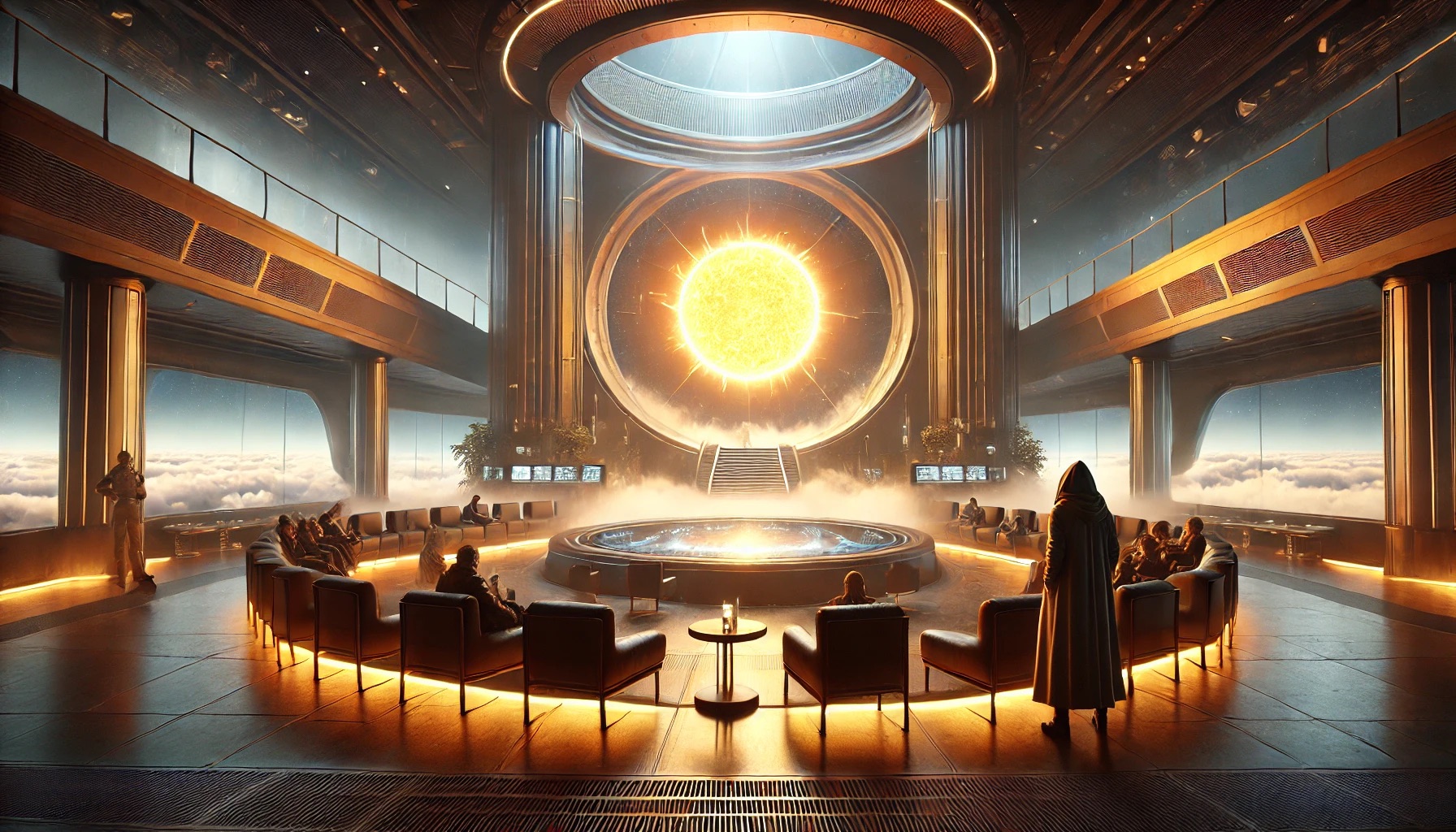
The Sun-Gazing Chamber was one of Helix 25’s more poetic and yet practical inventions —an optically and digitally-enhanced projection of the Sun, positioned at the ship’s perihelion. It was meant to provide a psychological tether, a sense of humanity’s connection to the prime provider of life as they drifted in the void of the Solar System.
It was a beautifully designed setting where people would simply sit and relax, attuned to the shift of days and nights as if still on Earth. The primary setting had been voted to a massive 83.5% to be like in Hawai’i latitude and longitude, as its place was believed to be a reflection of Earth’s heart. That is was a State in the USA was a second thought of course.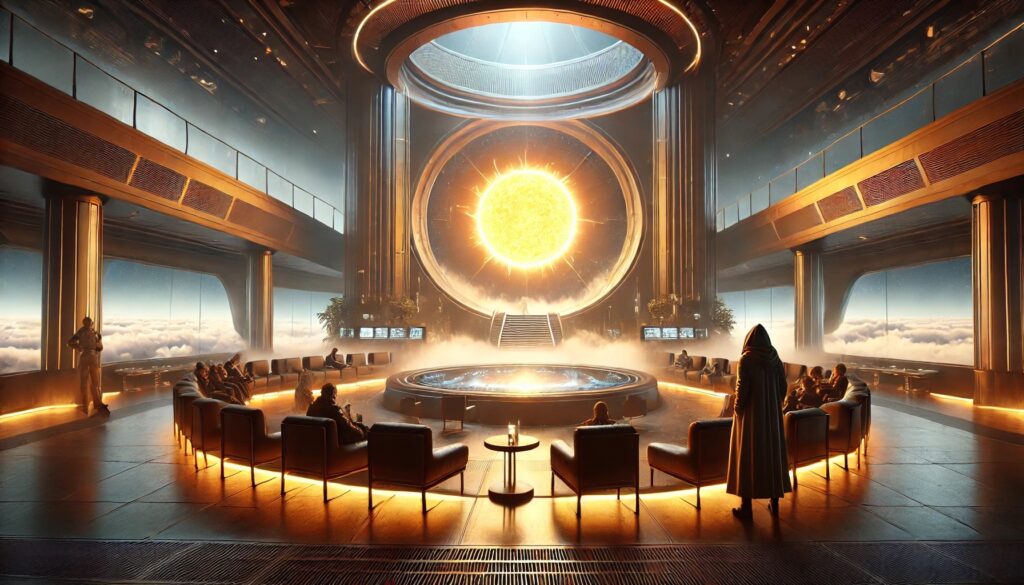
Evie sat on the observation bench, staring at the massive, golden sphere suspended in the darkness. “Do you think people back on Earth are still watching the sunrise?” she murmured.
Riven was quiet for a moment. “If there’s anyone left.”
Evie frowned. “If they are, I doubt they got much of a choice.”
TP materialized beside them, adjusting his holographic tie. “Ah, the age-old existential debate: are we the lucky ones who left Earth, or the tragic fools who abandoned it?”
Evie ignored him, glancing at the other ship residents in the chamber. Most people just sat quietly, basking in the light. But she caught snippets of whispers, doubt, something spreading through the ranks.
“Some people think we’re not really where they say we are,” she muttered.
Riven raised an eyebrow. “What, like conspiracy theories?”
TP scoffed. “Oh, you mean the Flat-Earthers?” He tsked. “Who couldn’t jump on the Helix lifeboats for their lives, convinced as they were we couldn’t make it to the stars. They deserved what came to them. Next they’ll be saying Helix 25 never even launched and we’re all just trapped in a simulation of a luxury cruise.”
Evie was shocked at Trevor Pee’s eructation and rubbed her face. “Damn Effin Muck tech, and those “Truth Control” rubbish datasets. I thought I’d thoroughly scrubbed all the old propaganda tech from the system.”
“Ah,” TP said, “but conspiracies are like mold. Persistent. Annoying. Occasionally toxic.”
Riven shook his head. “It’s nonsense. We’re moving. We’ve been moving for decades.”
Evie didn’t look convinced. “Then why do we feel stuck?”
A chime interrupted them.
A voice, over the comms. Solar flare alert.
Evie stiffened.
Then: Stay calm and return to your quarters until further notice.
Evie raised an eyebrow. This was the first time something like that happened. She turned to Riven who was looking at his datapad who was flashing and buzzing.
He said to her: “Stay quiet and come with me, a new death has been reported. Crazy coincidence. It’s just behind the Sun-Gazing chamber actually, in the Zero-G sector.”
February 16, 2025 at 12:50 pm #7810In reply to: The Last Cruise of Helix 25
Helix 25 – Below Lower Decks – Shadow Sector
Kai Nova moved cautiously through the underbelly of Helix 25, entering a part of the Lower Decks where the usual throb of the ship’s automated systems turned muted. The air had a different smell here— it was less sterile, more… human. It was warm, the heat from outdated processors and unmonitored power nodes radiating through the bulkheads. The Upper Decks would have reported this inefficiency.
Here, it simply went unnoticed, or more likely, ignored.
He was being watched.
He knew it the moment he passed a cluster of workers standing by a storage unit, their voices trailing off as he walked by. Not unusual, except these weren’t Lower Deck engineers. They had the look of people who existed outside of the ship’s official structure—clothes unmarked by department insignias, movements too intentional for standard crew assignments.
He stopped at the rendezvous point: an unlit access panel leading to what was supposed to be an abandoned sublevel. The panel had been manually overridden, its system logs erased. That alone told him enough—whoever he was meeting had the skills to work outside of Helix 25’s omnipresent oversight.
A voice broke the silence.
“You’re late.”
Kai turned, keeping his stance neutral. The speaker was of indistinct gender, shaved head, tall and wiry, with sharp green eyes locked on his movements. They wore layered robes that, at a glance, could have passed as scavenged fabric—until Kai noticed the intricate stitching of symbols hidden in the folds.
They looked like Zoya’s brand —he almost thought… or let’s just say, Zoya’s influence. Zoya Kade’s litanies had a farther reach he would expect.
“Wasn’t aware this was a job interview,” Kai quipped, leaning casually against the bulkhead.
“Everything’s a test,” they replied. “Especially for outsiders.”
Kai smirked. “I didn’t come to join your book club. I came for answers.”
A low chuckle echoed from the shadows, followed by the shifting of figures stepping into the faint light. Three, maybe four of them. It could have been an ambush, but that was a display.
“Pilot,” the woman continued, avoiding names. “Seeker of truth? Or just another lost soul looking for something to believe in?”
Kai rolled his shoulders, sensing the tension in the air. “I believe in not running out of fuel before reaching nowhere.”
That got their attention.
The recruiter studied him before nodding slightly. “Good. You understand the problem.”
Kai crossed his arms. “I understand a lot of problems. I also understand you’re not just a bunch of doomsayers whispering in the dark. You’re organized. And you think this ship is heading toward a dead end.”
“You say that like it isn’t.”
Kai exhaled, glancing at the flickering emergency light above. “Synthia doesn’t make mistakes.”
They smiled, but it wasn’t friendly. “No. It makes adjustments.” — the heavy tone on the “it” struck him. Techno-bigots, or something else? Were they denying Synthia’s sentience, or just adjusting for gender misnomers, it was hard to tell, and he had a hard time to gauge the sanity of this group.
A low murmur of agreement rippled through the gathered figures.
Kai tilted his head. “You think she’s leading us into the abyss?”
The person stepped closer. “What do you think happened to the rest of the fleet, Pilot?”
Kai stiffened slightly. The Helix Fleet, the original grand exodus of humanity—once multiple ships, now only Helix 25, drifting further into the unknown.
He had never been given a real answer.
“Think about it,” they pressed. “This ship wasn’t built for endless travel. Its original mission was altered. Its course reprogrammed. You fly the vessel, but you don’t control it.” She gestured to the others. “None of us do. We’re passengers on a ride to oblivion, on a ship driven by a dead man’s vision.”
Kai had heard the whispers—about the tycoon who had bankrolled Helix 25, about how the ship’s true directive had been rewritten when the Earth refugees arrived. But this group… they didn’t just speculate. They were ready to act.
He kept his voice steady. “You planning on mutiny?”
They smiled, stepping back into the half-shadow. “Mutiny is such a crude word. We’re simply ensuring that we survive.”
Before Kai could respond, a warning prickle ran up his spine.
Someone else was watching.
He turned slowly, catching the faintest silhouette lingering just beyond the corridor entrance. He recognized the stance instantly—Cadet Taygeta.
Damn it.
She had followed him.
The group noticed, shifting slightly. Not hostile, but suddenly alert.
“Well, well,” the woman murmured. “Seems you have company. You weren’t as careful as you thought. How are you going to deal with this problem now?”
Kai exhaled, weighing his options. If Taygeta had followed him, she’d already flagged this meeting in her records. If he tried to run, she’d report it. If he didn’t run, she might just dig deeper.
And the worst part?
She wasn’t corruptible. She wasn’t the type to look the other way.
“You should go,” the movement person said. “Before your shadow decides to interfere.”
Kai hesitated for half a second, before stepping back.
“This isn’t over,” he said.
Her smile returned. “No, Pilot. It’s just beginning.”
With that, Kai turned and walked toward the exit—toward Taygeta, who was waiting for him with arms crossed, expression unreadable.
He didn’t speak first.
She did.
“You’re terrible at being subtle.”
Kai sighed, thinking quickly of how much of the conversation could be accessed by the central system. They were still in the shadow zone, but that wasn’t sufficient. “How much did you hear?”
“Enough.” Her voice was even, but her fingers twitched at her side. “You know this is treason, right?”
Kai ran a hand through his hair. “You really think we’re on course for a fresh new paradise?”
Taygeta didn’t answer right away. That was enough of an answer.
Finally, she exhaled. “You should report this.”
“You should,” Kai corrected.
She frowned.
He pressed on. “You know me, Taygeta. I don’t follow lost causes. I don’t get involved in politics. I fly. I survive. But if they’re right—if there’s even a chance that we’re being sent to our deaths—I need to know.”
Taygeta’s fingers twitched again.
Then, with a sharp breath, she turned.
“I didn’t see anything tonight.”
Kai blinked. “What?”
Her back was already to him, her voice tight. “Whatever you’re doing, Nova, be careful. Because next time?” She turned her head slightly, just enough to let him see the edge of her conflicted expression.
“I will report you.”
Then she was gone.
Kai let out a slow breath, glancing back toward the hidden movement behind him.
No turning back now.
February 8, 2025 at 3:38 pm #7765In reply to: The Last Cruise of Helix 25
Zoya clicked her tongue, folding her arms as Evie and her flickering detective vanished into the dead man’s private world. She listened to the sounds of investigation. The sound of others touching what should have been hers first. She exhaled through her nose, slow and measured.
The body was elsewhere, dried and ruined. That didn’t matter. What mattered was here—hairs, nail clippings, that contained traces, strands, fragments of DNA waiting to be read like old parchments.
She stepped forward, the soft layers of her robes shifting.
“You can’t keep me out forever, young man.”
Riven didn’t move. Arms crossed, jaw locked, standing there like a sentry at some sacred threshold. Victor Holt’s grandson, through and through, she thought.
“I can keep you out long enough.”
Zoya clicked her tongue. Not quite amusement, not quite irritation.
“I should have suspected such obstinacy. You take after him, after all.”
Riven’s shoulders tensed.
Good. Let him feel it.
His voice was tight. “If you’re referring to my grandfather, you should choose your words carefully.”
Zoya smiled, slow and knowing. “I always choose my words carefully.”
Riven’s glare could have cut through metal.
Zoya tilted her head, studying him as she would an artifact pulled from the wreckage of an old world. So much of Victor Holt was in him—the posture, the unyielding spine, the desperate need to be right.
But Victor Holt had been wrong.
And that was why he was sleeping in a frozen cell of his own making.
She took another step forward, lowering her voice just enough that the curious would not hear what she said.
“He never understood the ship’s true mission. He clung to his authority, his rigid hierarchies, his outdated beliefs. He would have let us rot in luxury while the real work of survival slipped away. And when he refused to see reason—” she exhaled, her gaze never leaving his, “he stepped aside.”
Riven’s jaw locked. “He was forced aside.”
Zoya only smiled. “A matter of perspective.”
She let that hang. Let him sit with it.
She could see the war in his eyes—the desperate urge to refute her, to throw his grandfather’s legacy in her face, to remind her that Victor Holt was still here, still waiting in cryo, still a looming shadow over the ship. But Victor Holt’s silence was the greatest proof of his failure.
Riven clenched his jaw.
Anuí’s voice, smooth and patient, cut through the tension.
“She is not wrong.”
Zoya frowned. She had expected them to speak eventually. They always did.
They stood just a little apart, hand tucked in their robes, their expression unreadable.
“In its current state, the body is useless,” Anuí said lightly, as if stating something obvious, “but that does not mean it has left no trace.” Then they murmured “Nāvdaṭi hrás’ka… aṣṭīr pālachá.”
Zoya glanced at them, her eyes narrowing. In an old tongue forgotten by all, it meant The bones remember… the blood does not lie. She did not trust the Lexicans’ sudden interest in genetics.
They did not see history in bloodlines, did not place value in the remnants of DNA. They preferred their records rewritten, reclaimed, restructured to suit a new truth, not an old one.
Yet here they were, aligning themselves with her. And that was what gave her pause.
“Your people have never cared for the past as it was,” she murmured. “Only for what it could become.”
Anuí’s lips curved, withholding more than they gave. “Truth takes many forms.”
Zoya scoffed. They were here for their own reasons. That much was certain. She could use that
Riven’s fingers tightened at his sides. “I have my orders.”
Zoya lifted a brow. “And whose orders are those?”
The hesitation was slight. “It’s not up to me.”
Zoya stilled. The words were quiet, bitter, revealing.
Not up to him.
So, someone had ensured she wouldn’t step foot in that room. Not just delayed—denied.
She exhaled, long and slow. “I see.” She paused. “I will find out who gave that order.”
And when she did, they would regret it.
February 3, 2025 at 7:54 am #7731In reply to: The Last Cruise of Helix 25
The colours were bright, garish really, an impossibly blue sea and sky and splashes of pillar box red on the square shaped cars and dated clothes, but it was his favourite postcard of them all. It wasn’t the most scenic, it wasn’t the most spectacular location, but it was an echo from those long ago days of summer, of seaside holidays, souvenirs and a dozen postcards to write at a beachside cafe. The days when the post was delivered by conscientious postmen such as he himself had been, and the postcards arrived at their destinations before the holidaymakers had returned to their suburban homes and city jobs. The scene in the postcard was bathed in glorious sunshine, but the message on the back told the usual tale of the weather and the rain and that it might brighten up tomorrow but they were having a lovely time and they’d be back on Sunday and would the recipients get them a loaf and a pint of milk.
Ellis Marlowe put the Margate postcard to the back of the pile in his hand and pondered the image on the next one. He sighed at the image of the Statue of Liberty, sickly green, sadly proclaiming the height of a lost empire, and quickly put it at the back of the pile. Nobody needed to dwell on that story.
His perusal of the next image, an alpine meadow with an attractively skirted peasant scampering in a field, was interrupted with a bang on his door as Finkley barged in without waiting for a response. “There’s been a murder on the ship! Murder! Poor sod’s been dessicated like a dried tomato…”
Ellis looked at her in astonishment. His hand shook slightly as he put his postcard collection back in the box, replaced the lid and returned it to his locker. “Murder?” he repeated. “Murder? On here? But we’re supposed to be safe here, we left all that behind.” Visibly shaken, Ellis repeated, almost shouting, “But we left all that behind!”
December 14, 2024 at 6:42 pm #7682In reply to: Quintessence: Reversing the Fifth
Matteo — Autumn 2023
The Jardin des Plantes park was quiet, the kind of quiet that settled after a brisk autumn rain. Matteo sat on a weathered wooden bench, watching a golden retriever chase the last of the fallen leaves tumbling across the gravel path. The damp air was carrying scents of the earth welcoming a retreat inside, and taking the time to be alone with his thoughts was something he’d missed.
His phone buzzed with a notification—a news update about the latest film adaptation from a Liz Tattler classic fiction. The name made him smile faintly. Juliette had loved Tattler’s novels, their whimsical characters, and the unflinching and unapologetic observations about life’s quiet mysteries and the unexpected rants about the virtues of cleaning and dustsceawung that propelled the word in the people’s top 100 favourite in the Oxford dictionary for several years consecutively.
“They’re so full of texture,” Juliette once said as she was sprawled on the bed of their tiny Parisian flat, a battered paperback in her hands. “Like you can feel the pages breathe.”
His image of her was still vivid, they’d stayed on good terms and he would still thumb up some of her posts from time to time —but it was only small moments rather than full scenes that used to come back, fragmented pieces of memories really —her dark hair falling messily over her face, her legs crossed in a casual way.
Paris had been a playground for them. For a while, they were caught in a whirlwind of late-night conversations in smoky cafés and lazy Sunday mornings wandering the Seine. They’d spent hours in bookstores, Juliette hunting for first editions and Matteo snapping pictures of the handwritten notes tucked between the pages of used novels.
A year ago, a different park in a different city—Hyde Park, London. She was there, twirling a scarf she’d picked up in Vienna the weekend before, the bright red of it like a ribbon of fire against the soft gray skies. They had been enamored with each other and with the spontaneity of hopping trains to new cities, their weekends folding into one another like pages of a travel journal. London one week, Paris the next, Berlin after that. Each city a postcard snapshot, vibrant and fleeting.
Juliette would tease him about his fascination with the little things—how he would linger too long over a cup of coffee at a café or stop to photograph a tree in the middle of nowhere. “You’re always looking for stories,” she’d said with a laugh, tucking a stray strand of hair behind her ear. “Even when you’re not sure what they mean.”
“Stories are everywhere,” he would reply, snapping a picture of her against the backdrop of the park, her scarf billowing in the wind. She had rolled her eyes but smiled, and in that moment, he had believed her smile was the most perfect thing he’d ever seen.
The break-up came unannounced, but not fully unexpected. There were signs here and there. Her love of the endless whirlwind of life, that was a match for his way of following life’s intents for him. When sometimes life went still during winter, he would also follow, but she wouldn’t. She had insatiable love for a life filled with animation, bursts of colours, sounds. It had been easy to be with her then, her curiosity pulling him along, their shared love of stories giving their time together a weight that felt timeless. It was when Drusilla’s condition worsened, that their rhythms became untangled, no longer synching at every heartbeat. And it was fine. Matteo had made his decision then to leave Paris and bring his mother to Avignon where she could receive the care she needed. Those past two weeks that brought the inevitable conclusion of their separation had left him surprisingly content. Happy for the past moments, and hopeful for the unwritten future.
He could see clearly that Juliette needed her freedom back; and she’d agreed. Regular train rides to Avignon, the weekends spent trying to make the sparse walls of his mother’s room feel like home as she started to forget her son’s girlfriend, and sometimes even her own son.
Last they were in this park together was one of their last shared moments of innocent happiness ; It was a beautiful sunny afternoon —or was it only coloured by memories? They had been sitting in the Jardin des Plantes, sharing a crêpe. Juliette had been scrolling through her phone, stopping at an announcement about an interview with Liz Tattler airing that evening. “You should watch it,” she’d said, her tone light but distant. “Her books are about people like us—drifting, figuring it out.”
He had smiled then, nodding, though he wasn’t sure if he’d meant it. A week later, she told him she was moving back to Lille, closer to her family until she figured out her next step. “It’s not you, Matteo,” she’d said, her eyes soft but resolute. “You need to be here, for her. I need… something else.”
Now, sitting in the park a few weeks later, Matteo pulled his phone from his pocket and opened his gallery. He scrolled through the pictures until he found one from their weekend in London—a black-and-white shot of Julia standing in front of a red telephone booth, her smile sharp and her eyes already focused on the next shooting star to catch.
Julia was right, he thought. People like them—they drifted, but they also found their way, sometimes in unexpected ways. He put on his earpods, listening to the beginning of Liz Tattler’s interview.
Her distinct raspy voice brimming with a cackling energy was already engrossing. Synchy as ever, she was saying:
“Every story begins with something lost, but it’s never about the loss. It’s about what you find because of it.”
December 8, 2024 at 9:51 pm #7657In reply to: Quintessence: A Portrait in Reverse
A list of events for reference (WIP)
Date Matteo Lucien Darius Amei Elara Nov 2024 M: Working as a server in Paris; recognizes and cryptically addresses the group at the Sarah Bernhardt Café. L: Sketching in Paris; begins orchestrating the reunion by sending letters to the group. D: is back in Paris for the reunion A: visits Paris for the reunion E: visits Paris for the reunion from Churchill Guest House (Samphire Hoe), visits a guest house in Kent, back in England for a week weeks/months, all expense paid. Mrs Lovejoy the landlady. Spring 2024 M: In Avignon, works at a vineyard. Finds a map. Crosses path with Lucien. Moves to next job in Paris. L: Visits Avignon. Caught in debt to Monsieur Renard; creates labyrinthine sketches blending personal and mythical themes. Crosses path with Matteo. D: by June 2024 sends a postcard to Amei, Is seen in Goa A: Her daughter Tabitha is in Goa teaching E: is retired in Tuscany, living with Florian, a distant relative met through family research.
Summer 2024 (Olympics) has a strange dream at CERN learning about the death of her mother who’d actually died in her youth.
She reminisces about chalkapocalypse.Feb 2024 M:In London, works for a moving company. Crosses path with Amei and Tabitha. L: Is implied he is caught back into the schemes of M. Renard to pay his debts. D: A: Moves from her London home to a smaller apartment in London; reflects on her estranged friends and past. Crosses path with Matteo. E: Dec 2023 M:In Avignon, considers moving to a job in London to support his mother’s care. L: Going with the alias “Julien”, he is recognized in the streets, after 3 years of self-imposed exile, to escape M. Renard & Eloïse. D: Resumes his travels on his own terms A: Buys candles, reflects on leaving. E: Nov 2023 M: His mother requires more care, he goes to Avignon regularly where she is in care. Breaks up with Juliette end of summer. L: D: moves on from Guadeloupe, where he spent time rebuilding homes and reflecting. A: E: early 2023 M: Visits Valencia and Xàtiva, hometown of the Borgias with Juliette; she makes him discover Darius’ videos. L: D: Lives in South of France, returns to Guadeloupe after hurricane Fiona. A: E: Dec 2022 M: New year’s eve, Matteo discovers about Elara’s work on memory applicable to early stage Alzheimer with sensory soundwaves stimuli and ancestral genetic research. L: D: Runs a wellness channel. Goes back to Paris, breaks ties with M. Renard & Eloïse. Receives an invitation to see friends in South of France A: Lives with Paul E: early 2022 M: Lives in Paris with Juliette, travels to many places together, week-ends getaways in London, Amsterdam, Rome… L: D: A: E: Early May, pandemic restrictions were largely over. Florian, her distant relative, moves in to Elara’s Tuscan farmhouse, where she is enjoying retirement. end of 2021 M: L: After the pandemic lockdown thinks of a way to escape. Goes by the alias “Julien” D: Locked down in Budapest; sketches empty streets, sends postcards to Amei to maintain emotional connections. A: E: Dec. 2021, first Christmas in Tuscany
Nov – end of Genealogix royalties from her successful patent, taken over by more efficient AI algorithms. She gives the idea to Darius of looking for 1-euro housing.beginning 2021 M: L: Third & last wave of lockdown measures in France D: A: E: 2020 M: L: D: A: E: beg. 2020 M: L: Pandemic starts – first waves of lockdown D: A: E: Nov 2019 M: Last group meeting before the Nov 2024 reunion L: Last group meeting before the Nov 2024 reunion D: Last group meeting before the Nov 2024 reunion A: Last group meeting before the Nov 2024 reunion E: Last group meeting before the Nov 2024 reunion 2019 M: Plans for his mother / co-housing project L: Spring break in Andalucia with Elara D: Spring break in Andalucia with Elara A: Spring break in Andalucia with Elara E: Spring, before pandemic; visit in Andalucia to her father – joined by Lucien & Amei ; Darius tried to bring those people (M. Renard & Eloïse presumably) to see the hidden pyramid ca. 2014 M: L: D: A: E: chalkapocalypse, before Elara’s retirement. She is employed in Warwick.
Before that, lived from short term teaching contracts mostly, enabling her to travel. She learned Spanish when she moved with her father to Spain 30 years ago, working in an English school for expats, improved her French while working in Paris, moved to Warwick to be near her sister Vanessa thinking she would settle there.2010 M: L: D: A: E: Genealogix became unexpectedly lucrative when it was picked up by a now-dominant genealogy platform around 2010. Every ancestry test sold earned her a modest but steady royalty, which for a time, gave her the freedom to pursue less practical research. 2007 M: L: Meets Elara & Amei, Darius a concert of Eliane Radigue at Aarau, Switzerland D: Meets Lucien, Elara & Amei a concert of Eliane Radigue at Aarau, Switzerland A:Accepts Elara’s invitation to go to a concert of Eliane Radigue at Aarau, Switzerland, meets Lucien & Darius there. The group is formed E:Goes to a concert of Eliane Radigue at Aarau, Switzerland with Amei, meets Lucien & Darius there. The group is formed before 2007 M: L: D: A:Meets Elara at a gallery in London, Southbank E: Meets Amei at a gallery, London Southbank December 8, 2024 at 6:06 am #7655In reply to: Quintessence: Reversing the Fifth
Amei switched on the TV for background noise as she tackled another pile of books. The usual mid-morning chatter filled the room—updates on the weather, a cooking segment, and finally, the news. She was only half-listening until the anchor’s voice caught her attention.
“In the race against climate change, scientists at Harvard are turning to an unexpected solution: chalk. The ambitious project involves launching a balloon into the stratosphere, carrying 600 kilograms of calcium carbonate, which would be sprayed 12 miles above the Earth’s surface. The idea? To reflect sunlight and slow global warming.”
Amei looked up. The screen showed an animated demonstration of the project—a balloon rising into the atmosphere, spraying fine particles into the air. The narration continued, but her focus drifted, caught on a single word: chalk.
Elara loved chalk. Amei smiled faintly, remembering how passionately she used to talk about it—the way she could turn something so mundane into a story of structure, history, and beauty. “It’s not just a rock,” Elara had said once, gesturing dramatically, “it’s a record of time.”
She wasn’t even sure where Elara was these days. The last time they’d spoken was during lockdown. Amei had called to check in, awkward but well-meaning, only to be met with curt responses and a tone that made it clear Elara wanted the conversation over.
She hadn’t tried again after that. It hurt more than she’d expected. Elara could be all or nothing when it came to friendships—brilliant and intense one moment, distant and impenetrable the next. Amei had always known that about her, but knowing didn’t make it any easier.
The news droned on in the background, but Amei reached for the remote and switched off the TV. Her mind was elsewhere, tangled in memories.
She’d first met Elara in a gallery on Southbank, a tiny exhibition tucked away in a brutalist building. It was near Amei’s shared flat, and with her flatmates out for the evening, she had gone alone, more out of boredom than genuine interest. The display wasn’t large—just a few photographs and abstract sculptures, their descriptions dense with scientific jargon.
Amei stood in front of a piece labelled The Geometry of Chaos—a spiraling wire structure that cast intricate, shifting shadows on the wall. She tilted her head, trying to look engaged, though her thoughts were already drifting towards home and her comfy bed.
“Magnificent, isn’t it?”
The voice startled her. She turned to see a dark-haired woman, arms crossed, studying the piece with an intensity that made Amei feel as though she must have missed something obvious. The woman wore a long, flowing skirt, layered necklaces, and a cardigan that looked hand-knitted. Her dark hair was piled into a messy bun, a few strands escaping to frame her face.
“It’s quite interesting,” Amei said. “But I’m not sure I get it.”
“It’s not about getting it. It’s about recognizing the pattern,” the woman replied, stepping closer. She pointed to the shadows on the wall. “See? The curve repeats itself. Infinite, but contained.”
“You sound like you know what you’re talking about.”
“I do,” she said. “Do you?”
Amei laughed, caught off guard. “Not very often. I think I’m more into… messy patterns.”
The woman’s sharp expression softened slightly. “Messy patterns are still patterns.” She smiled. “I’m Elara.”
“Amei,” she replied, returning the smile.
Elara’s gaze dropped, and she nodded toward Amei’s skirt. “I’ve been admiring your skirt. Gorgeous fabric. Where did you get it?”
“Oh, I made it, actually,” Amei felt proud.
Elara raised her eyebrows. “You made it? I’m impressed.”
And that was how it began. A chance meeting that turned into decades of close friendship. They’d left the gallery together, talking all the way to a nearby café.
December 5, 2024 at 11:01 pm #7647In reply to: Quintessence: Reversing the Fifth
Darius: A Map of People
June 2023 – Capesterre-Belle-Eau, Guadeloupe
The air in Capesterre-Belle-Eau was thick with humidity, the kind that clung to your skin and made every movement slow and deliberate. Darius leaned against the railing of the veranda, his gaze fixed on the horizon where the sky blends into the sea. The scent of wet earth and banana leaves filling the air. He was home.
It had been nearly a year since hurricane Fiona swept through Guadeloupe, its winds blowing a trail of destruction across homes, plantations, and lives. Capesterre-Belle-Eau had been among the hardest hit, its banana plantations reduced to ruin and its roads washed away in torrents of mud.
Darius hadn’t been here when it happened. He’d read about it from across the Atlantic, the news filtering through headlines and phone calls from his aunt, her voice brittle with worry.
“Darius, you should come back,” she’d said. “The land remembers everyone who’s left it.”
It was an unusual thing for her to say, but the words lingered. By the time he arrived in early 2023 to join the relief efforts, the worst of the crisis had passed, but the scars remained—on the land, on the people, and somewhere deep inside himself.
Home, and Not — Now, passing days having turned into quick six months, Darius was still here, though he couldn’t say why. He had thrown himself into the work, helped to rebuild homes, clear debris, and replant crops. But it wasn’t just the physical labor that kept him—it was the strange sensation of being rooted in a place he’d once fled.
Capesterre-Belle-Eau wasn’t just home; it was bones-deep memories of childhood. The long walks under the towering banana trees, the smell of frying codfish and steaming rice from his aunt’s kitchen, the rhythm of gwoka drums carrying through the evening air.
“Tu reviens pour rester cette fois ?” Come back to stay? a neighbor had asked the day he returned, her eyes sharp with curiosity.
He had laughed, brushing off the question. “On verra,” he’d replied. We’ll see.
But deep down, he knew the answer. He wasn’t back for good. He was here to make amends—not just to the land that had raised him but to himself.
A Map of Travels — On the veranda that afternoon, Darius opened his phone and scrolled through his photo gallery. Each image was pinned to a digital map, marking all the places he’d been since he got the phone. Of all places, it was Budapest which popped out, a poor snapshot of Buda Castle.
He found it a funny thought — just like where he was now, he hadn’t planned to stay so long there. He remembered the date: 2020, in the midst of the pandemic. He’d spent in Budapest most of it, sketching the empty streets.
Five years ago, their little group of four had all been reconnecting in Paris, full of plans that never came to fruition. By late 2019, the group had scattered, each of them drawn into their own orbits, until the first whispers of the pandemic began to ripple across the world.
Funding his travels had never been straightforward. He’d tried his hand at dozens of odd jobs over the years—bartending in Lisbon, teaching English in Marrakech, sketching portraits in tourist squares across Europe. He lived frugally, keeping his possessions light and his plans loose. Yet, his confidence had a way of opening doors; people trusted him without knowing why, offering him opportunities that always seemed to arrive at just the right time.
Even during the pandemic, when the world seemed to fold in on itself, he had found a way.
Darius had already arrived in Budapest by then, living cheaply in a rented studio above a bakery. The city had remained open longer than most in Europe or the world, its streets still alive with muted activity even as the rest of Europe closed down. He’d wandered freely for months, sketching graffiti-covered bridges, quiet cafes, and the crumbling facades of buildings that seemed to echo his own restlessness.
When the lockdowns finally came like everywhere else, it was just before winter, he’d stayed, uncertain of where else to go. His days became a rhythm of sketching, reading, and sending postcards. Amei was one of the few who replied—but never ostentatiously. It was enough to know she was still there, even if the distance between them felt greater than ever.
But the map didn’t tell the whole story. It didn’t show the faces, the laughter, the fleeting connections that had made those places matter.
Swatting at a buzzing mosquito, he reached for the small leather-bound folio on the table beside him. Inside was a collection of fragments: ticket stubs, pressed flowers, a frayed string bracelet gifted by a child in Guatemala, and a handful of postcards he’d sent to Amei but had never been sure she received.
One of them, yellowed at the edges, showed a labyrinth carved into stone. He turned it over, his own handwriting staring back at him.
“Amei,” it read. “I thought of you today. Of maps and paths and the people who make them worth walking. Wherever you are, I hope you’re well. —D.”
He hadn’t sent it. Amei’s responses had always been brief—a quick WhatsApp message, a thumbs-up on his photos, or a blue tick showing she’d read his posts. But they’d never quite managed to find their way back to the conversations they used to have.
The Market — The next morning, Darius wandered through the market in Trois-Rivières, a smaller town nestled between the sea and the mountains. The vendors called out their wares—bunches of golden bananas, pyramids of vibrant mangoes, bags of freshly ground cassava flour.
“Tiens, Darius!” called a woman selling baskets woven from dried palm fronds. “You’re not at work today?”
“Day off,” he said, smiling as he leaned against her stall. “Figured I’d treat myself.”
She handed him a small woven bracelet, her eyes twinkling. “A gift. For luck, wherever you go next.”
Darius accepted it with a quiet laugh. “Merci, tatie.”
As he turned to leave, he noticed a couple at the next stall—tourists, by the look of them, their backpacks and wide-eyed curiosity marking them as outsiders. They made him suddenly realise how much he missed the lifestyle.
The woman wore an orange scarf, its boldness standing out as if the color orange itself had disappeared from the spectrum, and only a single precious dash could be seen into all the tones of the market. Something else about them caught his attention. Maybe it was the way they moved together, or the way the man gestured as he spoke, as if every word carried weight.
“Nice scarf,” Darius said casually as he passed.
The woman smiled, adjusting the fabric. “Thanks. Picked it up in Rajasthan. It’s been with me everywhere since.”
Her partner added, “It’s funny, isn’t it? The things we carry. Sometimes it feels like they know more about where we’ve been than we do.”
Darius tilted his head, intrigued. “Do you ever think about maps? Not the ones that lead to places, but the ones that lead to people. Paths crossing because they’re meant to.”
The man grinned. “Maybe it’s not about the map itself,” he said. “Maybe it’s about being open to seeing the connections.”
A Letter to Amei — That evening, as the sun dipped below the horizon, Darius sat at the edge of the bay, his feet dangling above the water. The leather-bound folio sat open beside him, its contents spread out in the fading light.
He picked up the labyrinth postcard again, tracing its worn edges with his thumb.
“Amei,” he wrote on the back just under the previous message a second one —the words flowing easily this time. “Guadeloupe feels like a map of its own, its paths crossing mine in ways I can’t explain. It made me think of you. I hope you’re well. —D.”
He folded the card into an envelope and tucked it into his bag, resolving to send it the next day.
As he watched the waves lap against the rocks, he felt a sense of motion rolling like waves asking to be surfed. He didn’t know where the next path would lead next, but he felt it was time to move on again.
October 29, 2024 at 7:17 am #7572In reply to: The Incense of the Quadrivium’s Mystiques
“Don’t mind me” said Eris, “I’m letting Echo check our connection to the ancestors’ wisdom. There seems to be a strange thing happening since the last energetic update. We can’t do the spell safely if this isn’t fixed I’m afraid. I have a theory this happens whenever one of us posts a new idea on our board. Suddenly it loses the plot and the ancestral wisdom of the lots gets lost.”
“Oh go on,” Truella said “I’m searching, but I’ve run out of fucks to give.”
Everyone looked at her shocked and offended. She started to giggle and replied with a smile. “Oh stop with the looks, I’ve always wanted to say that.”
-
AuthorSearch Results