Search Results for 'step'
-
AuthorSearch Results
-
January 24, 2023 at 11:59 pm #6459
In reply to: Orbs of Madjourneys
It was pretty late, but Xavier remembered he had to book his flight (and his holidays, even if he could still mix the trip with his job… it would depend if Brytta would be able to join or not; if such were the case, he’d definitely would book time off).
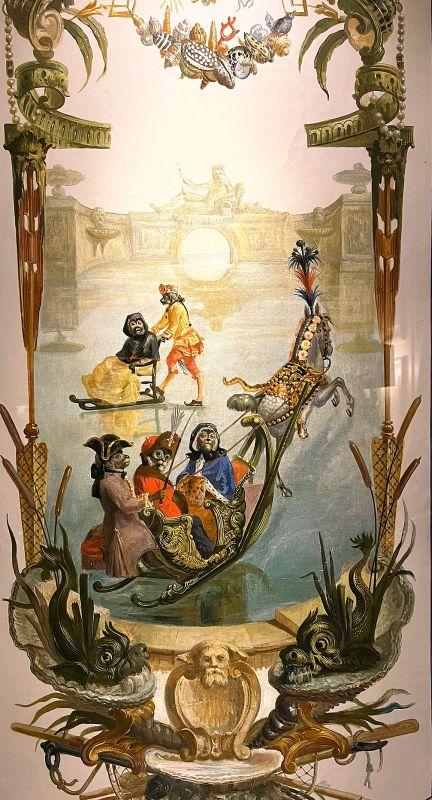 At the hotel where he was staying for the 2-days business trip he had to attend for his job, he’d noticed the strange decor, with little people in costumes in odd sceneries patterned on the “Toile de Jouy” curtains and some others in the most curious framed paintings, many of them looked like actual monkeys. Curiously, there wasn’t any golden banana, or banana bus, but it made him wonder if there was something more to be looked at the Inn that Zara wanted them to go to.
Yasmin, a step ahead of him, had already looked at the reviews on MadjourneyAdvisor, and they were rave… in a fashion…
“The lady behind the bar is nearly 90 years old and believe me, she could out-work many much younger than her.”
“Old bird behind the bar is a lovely lady drop in for a chat and a beer or two – don’t mess with her or you will end up down a mine shaft”Well… better not to overthink it. He started to look at the flights, and last minute offers.
Still no word from Youssef either.
He placed an option on a flight, and decided he’d wait for everyone to confirm the dates for the rendez-vous.
January 24, 2023 at 12:40 pm #6458In reply to: Orbs of Madjourneys
“I’m going to have to jump in this pool, Pretty Girl, look at this one! It reminds me of something…”
Zara came to a green pool that was different from the others, and walked into it.
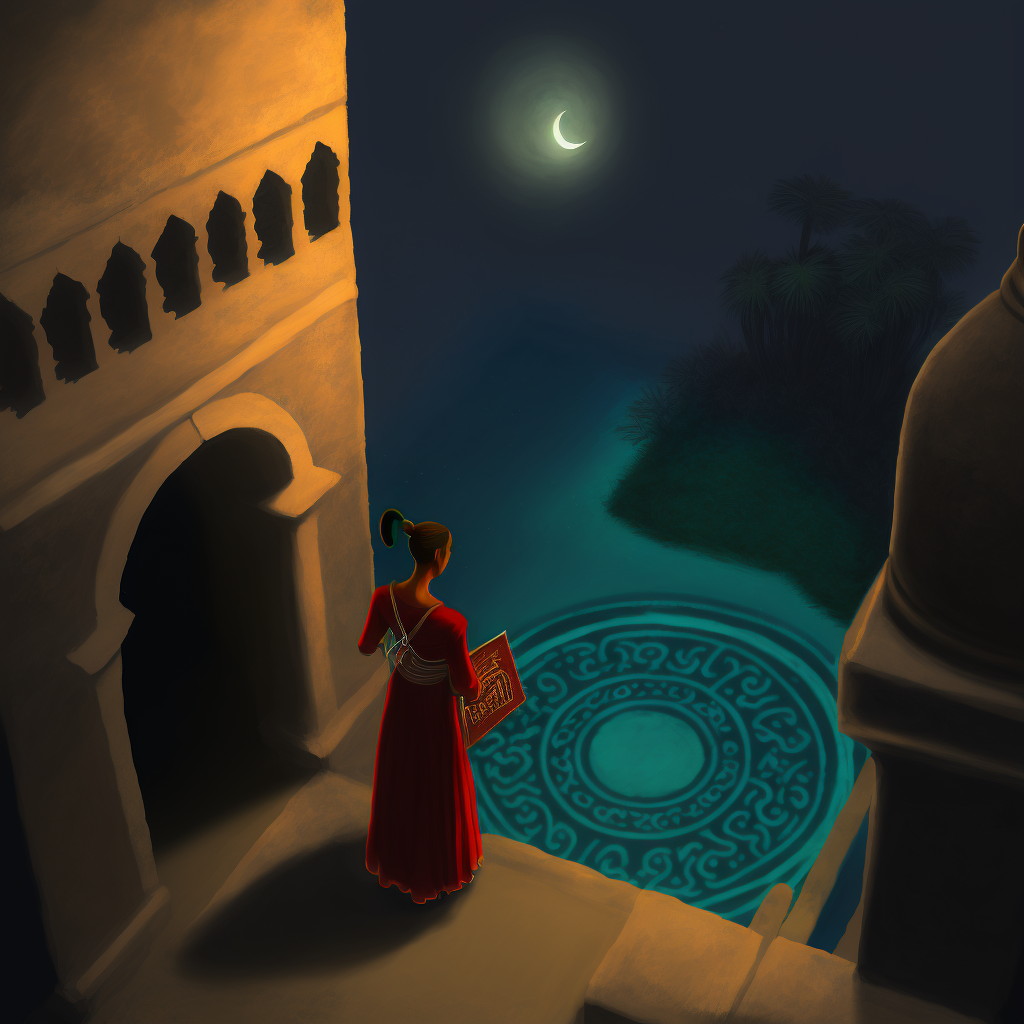
She emerged into a new scene, with what appeared to be a floating portal, but a square one this time.
“May as well step onto it and see where it goes!” Zara told the parrot, who was taking a keen interest in the screen, somewhat strangely for a bird. “I like having you here, Pretty Girl, it’s nice to have someone to talk to.”
Zara stepped onto the floating tile portal.
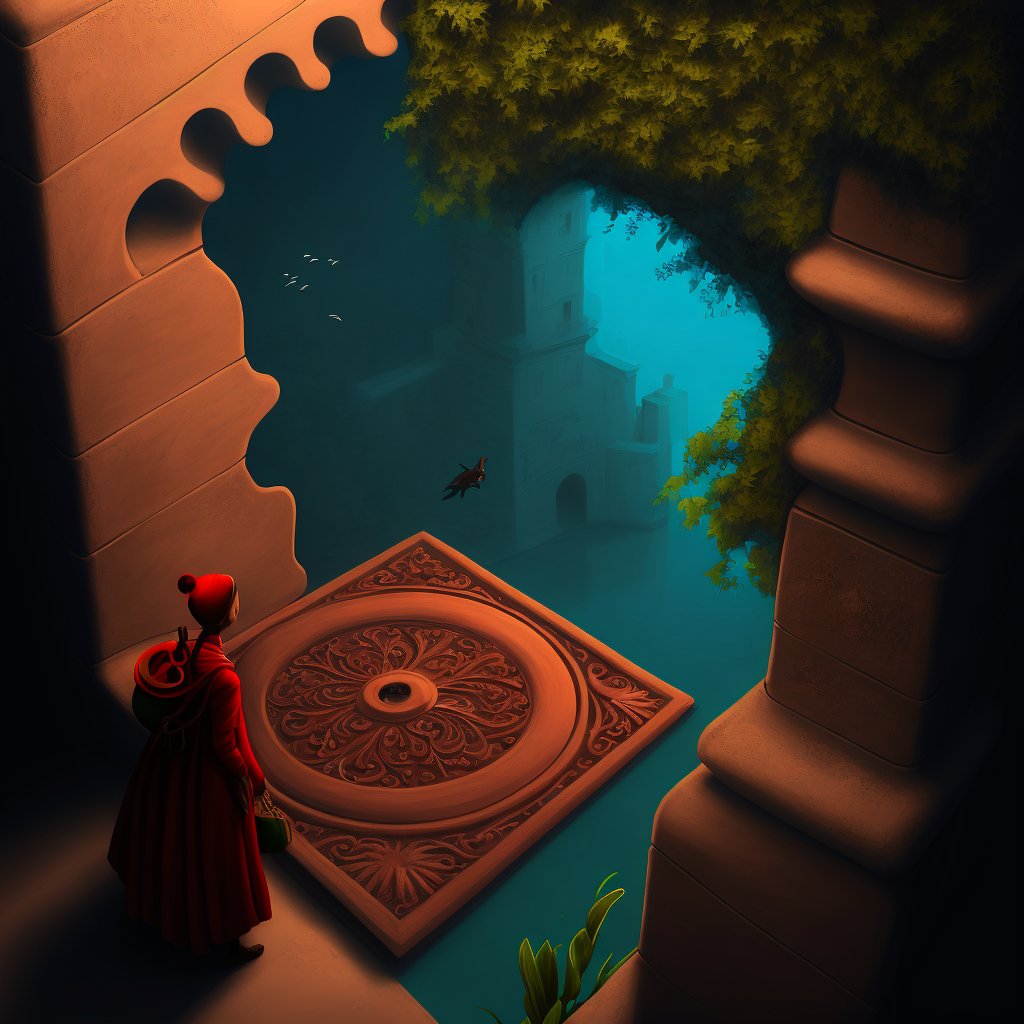
“Hey, wasn’t my quest to find a wooden tile?” Zara suddenly remembered. She’d forgotten her quest while she was wandering around the enchanting castle.
“Yes, but that doesn’t look like the tile you were supposed to find though,” replied the parrot.
“It might lead me to it,” snapped Zara who didn’t really want to leave the pretty castle scenes anyway. It felt magical and somehow familiar, like she’d been there before, a long long time ago.
After stepping onto the floating tile portal, Zara encountered another tile portal. This time it was upright, with a circular portal in the centre. By now it seemed clear that the thing to do was to walk through it. She wandered around the scene first as if she was a tourist simply taking in the new sights before taking the plunge.
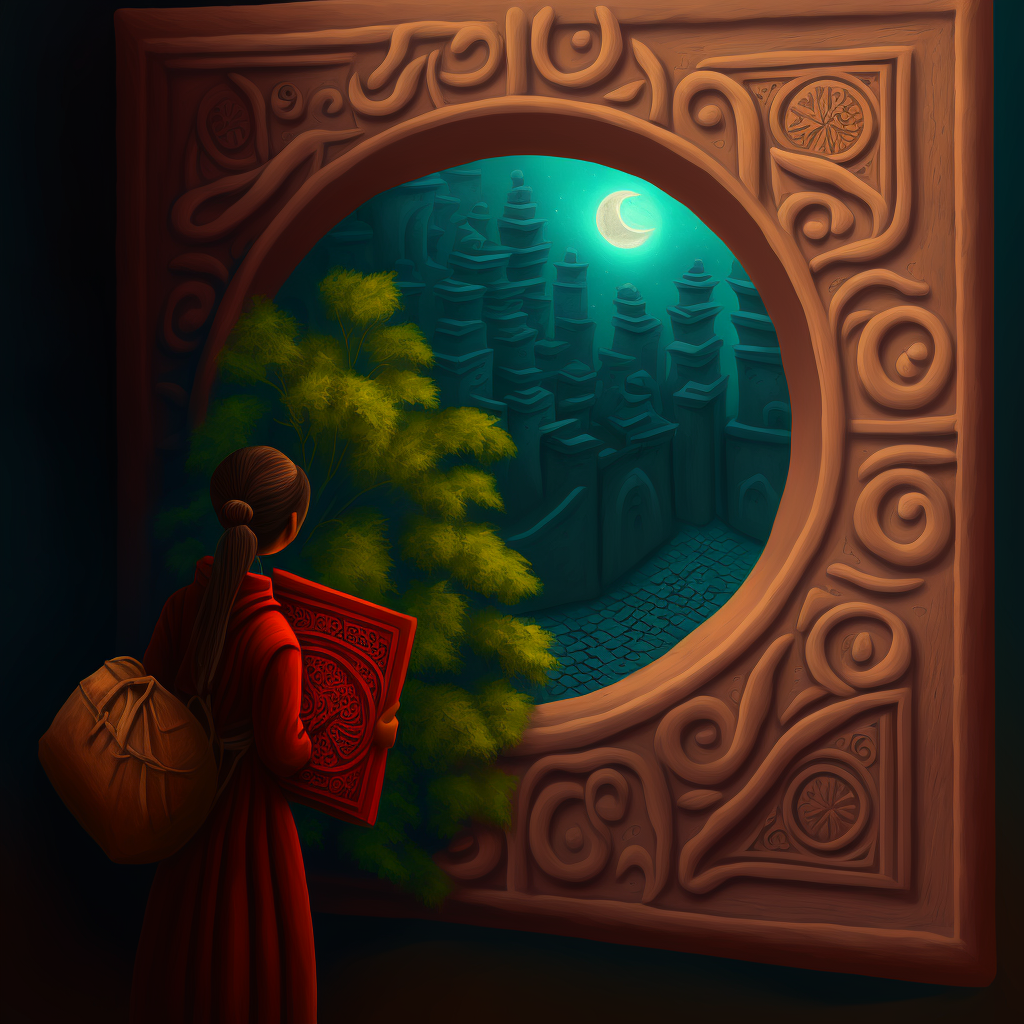
“Oh my god, look! It’s my tile!” Zara said excitedly to the parrot, just as the words flashed up on her screen:
Congratulations! You have reached the first goal of your first quest!
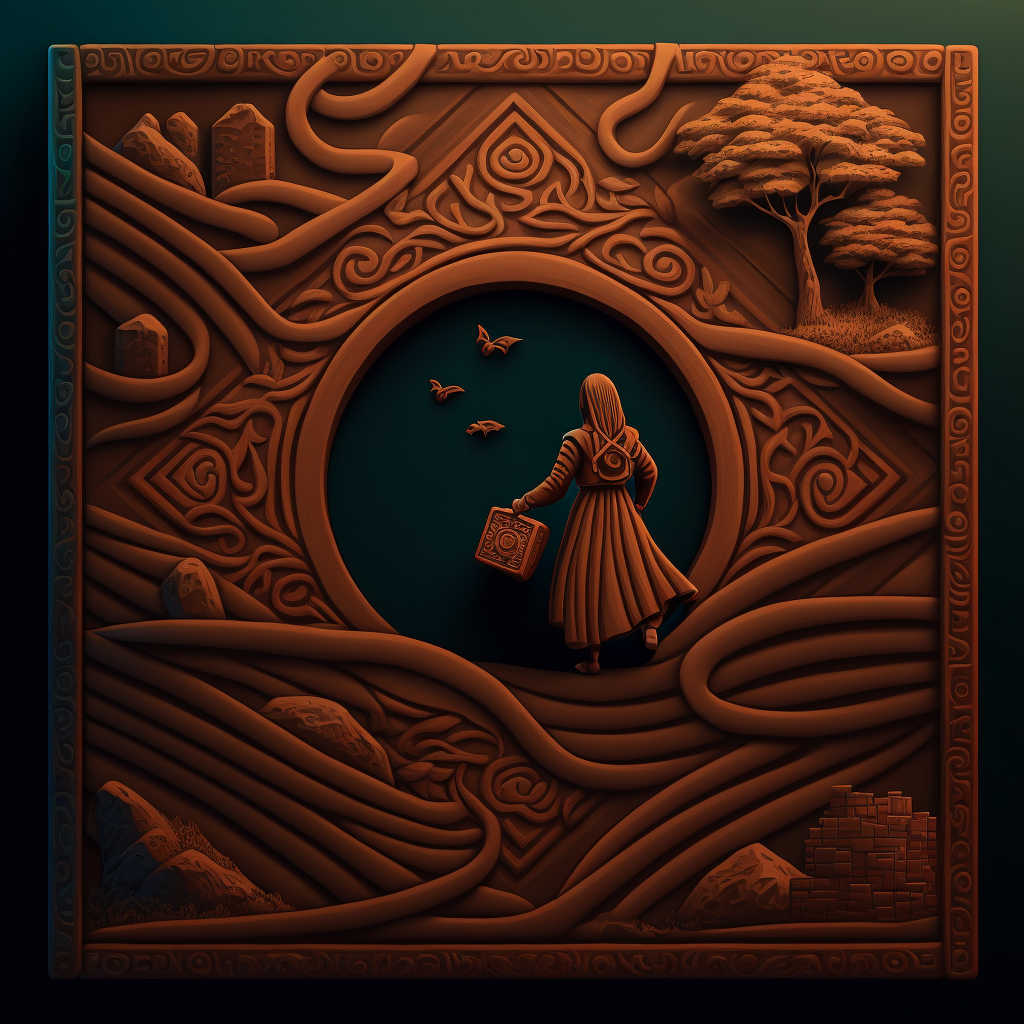
“Oh bugger! Look at the time, it’s already starting to get light outside. I completely forgot about going to that church to see Isaac’s ghost, and now I haven’t had a wink of sleep all night.”
“Time well spent,” said the parrot sagely, “You can go and see Isaac tomorrow night, and he may be all the more willing to talk since you kept him waiting.”
January 24, 2023 at 11:34 am #6457In reply to: Orbs of Madjourneys
“Look, Pretty Girl! That must be the lost traveler walking up those steps!”
Zara followed the mysterious man in red robes up the steps. She lost sight of him and wondered which way he’d gone in the many side alleys. She wandered up a few of them but they all came to a dead end in a courtyard with closed doors. Eventually she saw him disappearing into a manhole that looked like a labyrinth.
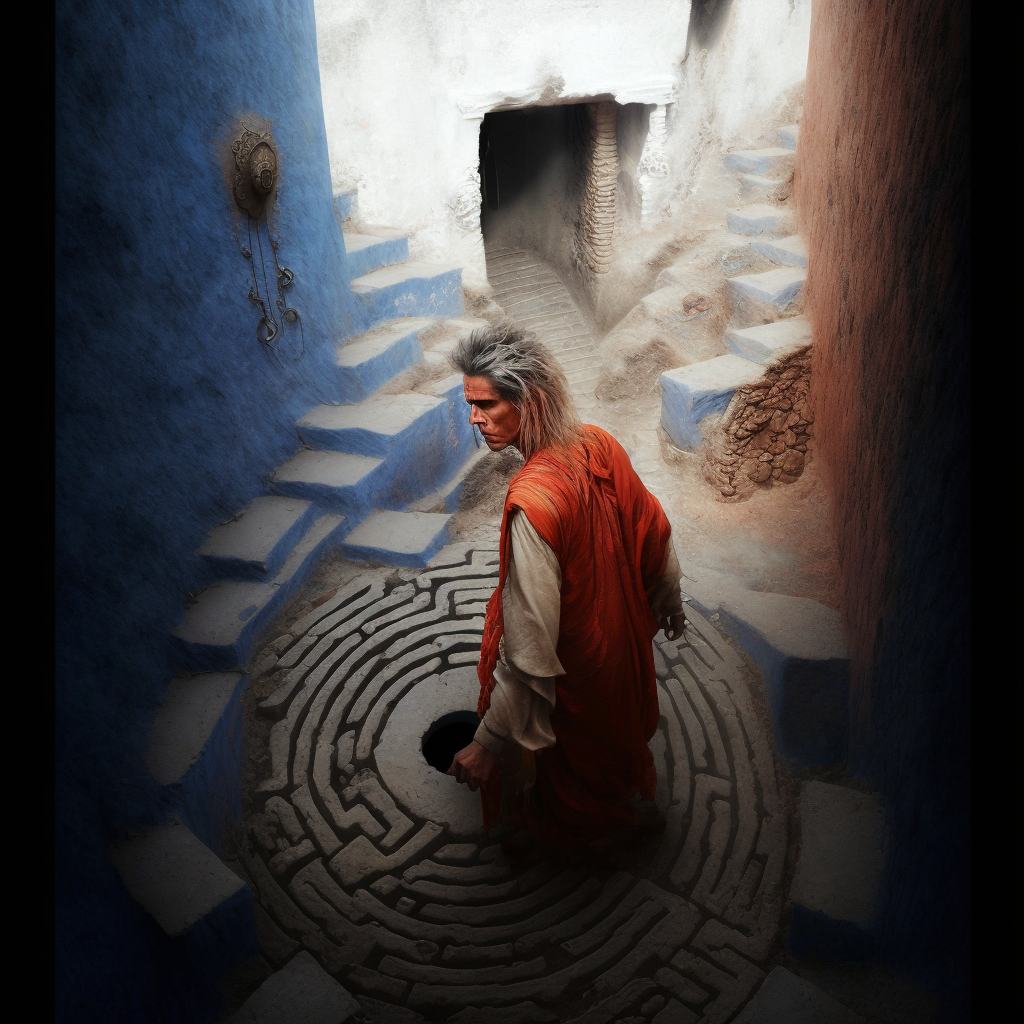
Zara followed him, and stepped onto the labyrinth manhole that the man in the red robes had disappeared into.
“That must be another portal,” Zara said to the parrot. “I wonder where we’ll end up now.”
The labyrinth manhole led Zara to another portal, this time a round hole in the wall. She knew she should follow the man, who must be the lost traveler, but she couldn’t resist exploring the starlit night scene first.

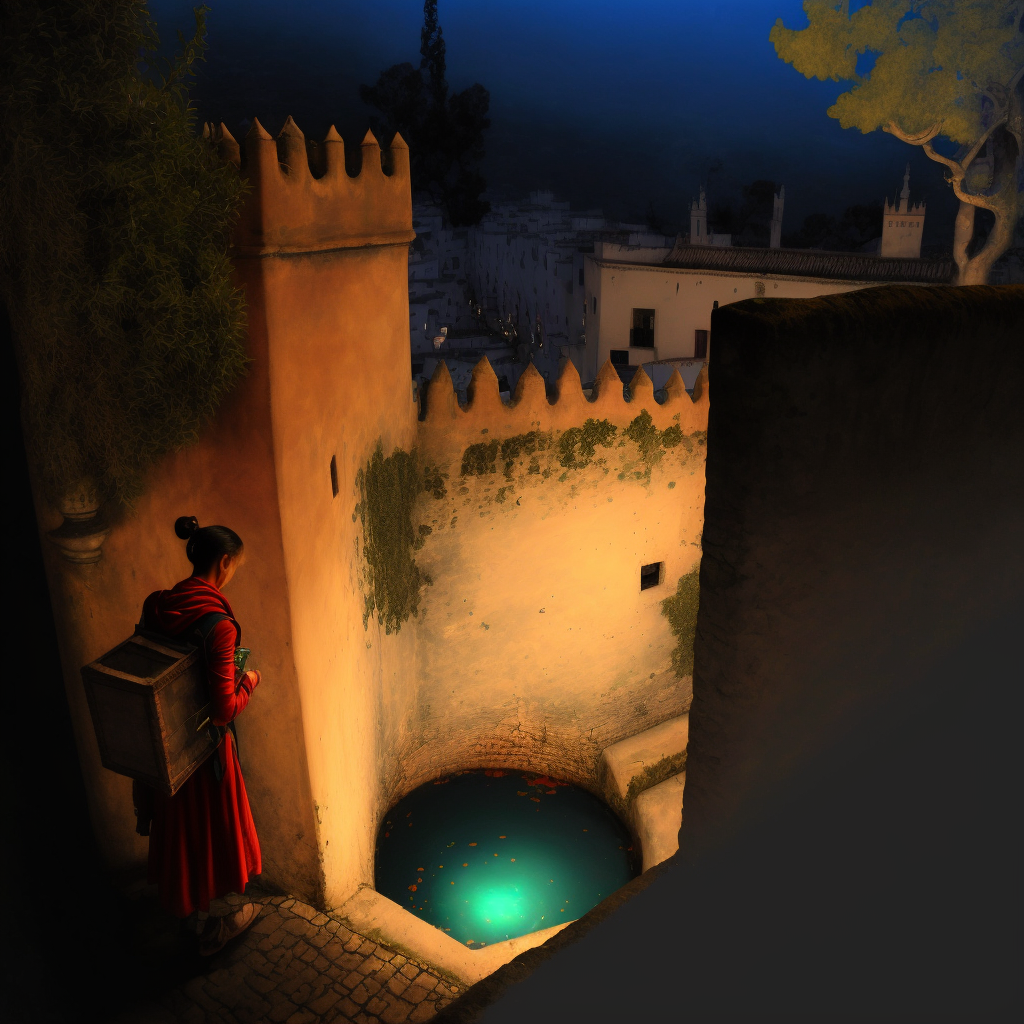
She found herself in a castle, its sand coloured walls glowing in the moonlight. There was another round green pool inside the castle. Should she jump into the pool, or go back and follow the man in red through the hole in the wall? Zara walked around the castle first, exploring the many courtyards and stairs and the enchanting views from the parapets. She noticed that there were several green pools and wondered if they each led to different places.
 January 24, 2023 at 10:29 am #6455
In reply to: Orbs of Madjourneys
Zara decided she may as well spend the hour wandering around the game before going back to the church to see the ghost of Isaac when she was sure her host Bertie was asleep. It was a warm night but a gentle breeze wafted through the open window and Zara was comfortable and content. Not just one but three new adventures had her tingling with delicious anticipation, even if she was a little anxious about not getting confused with the game. Talking to ghosts in old churches wasn’t unfamiliar, nor was a holiday in a strange hotel off the beaten track, but the game was still a bit of a mystery to her. Yeah, I know it’s just a game, she whispered to the parrot who made a soft clicking noise by way of response.
Zara found her game character, also (somewhat confusingly) named Zara, standing in the woods. Not entirely sure how it had happened, she was rather pleased to see that the cargo pants and tank top in red had changed to a more pleasing hippyish red skirt ensemble. A bit less Tomb Looter, and a bit more fairy tale looking which was more to her taste.
The woods were strangely silent and still. Zara made a 360 degree turn on the spot to see in all directions. The scene looked the same whichever way she turned, and Zara didn’t know which way to go. Then a faint path appeared to the left, and she set off in that direction. Before long she came to a round green pool.
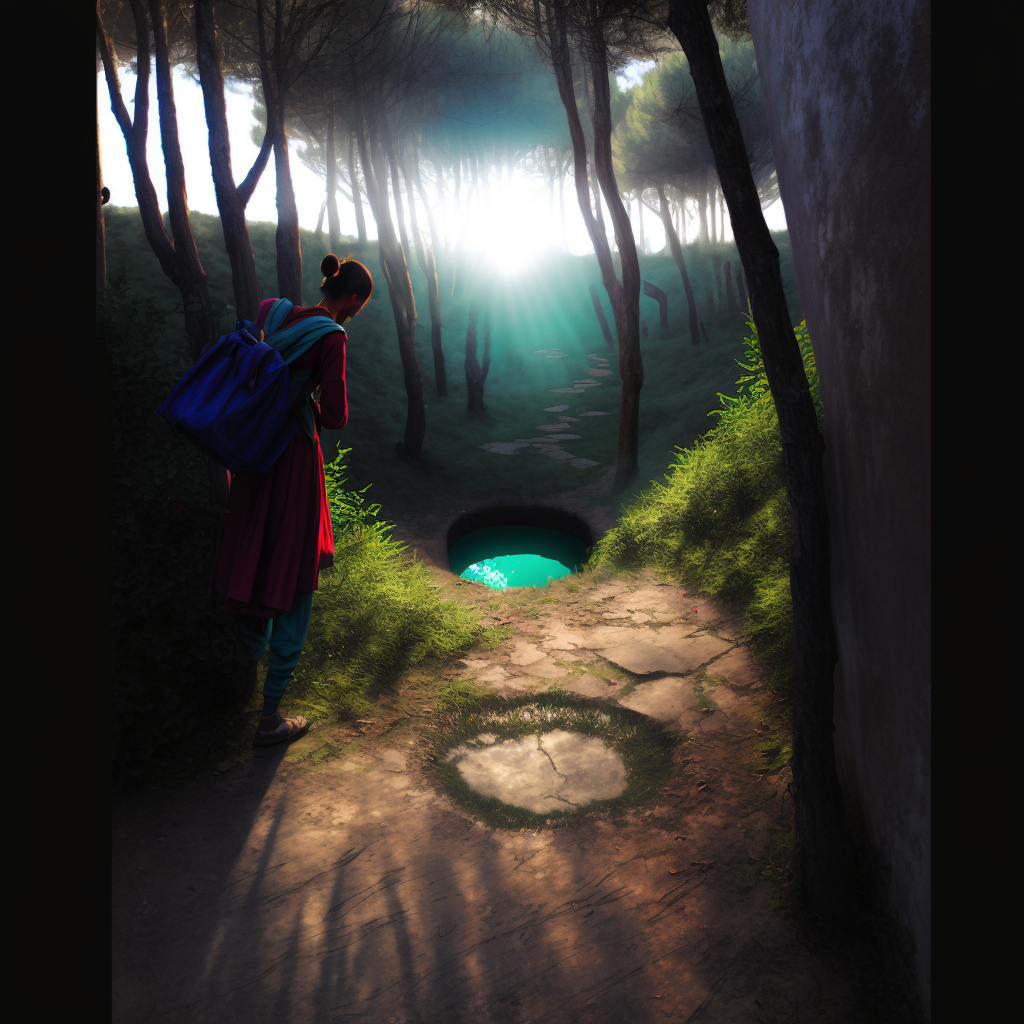
She stopped to look but carried on walking past it, not sure what it signified. She came upon another glowing green pool before long, which looked like an entrance to a tunnel.
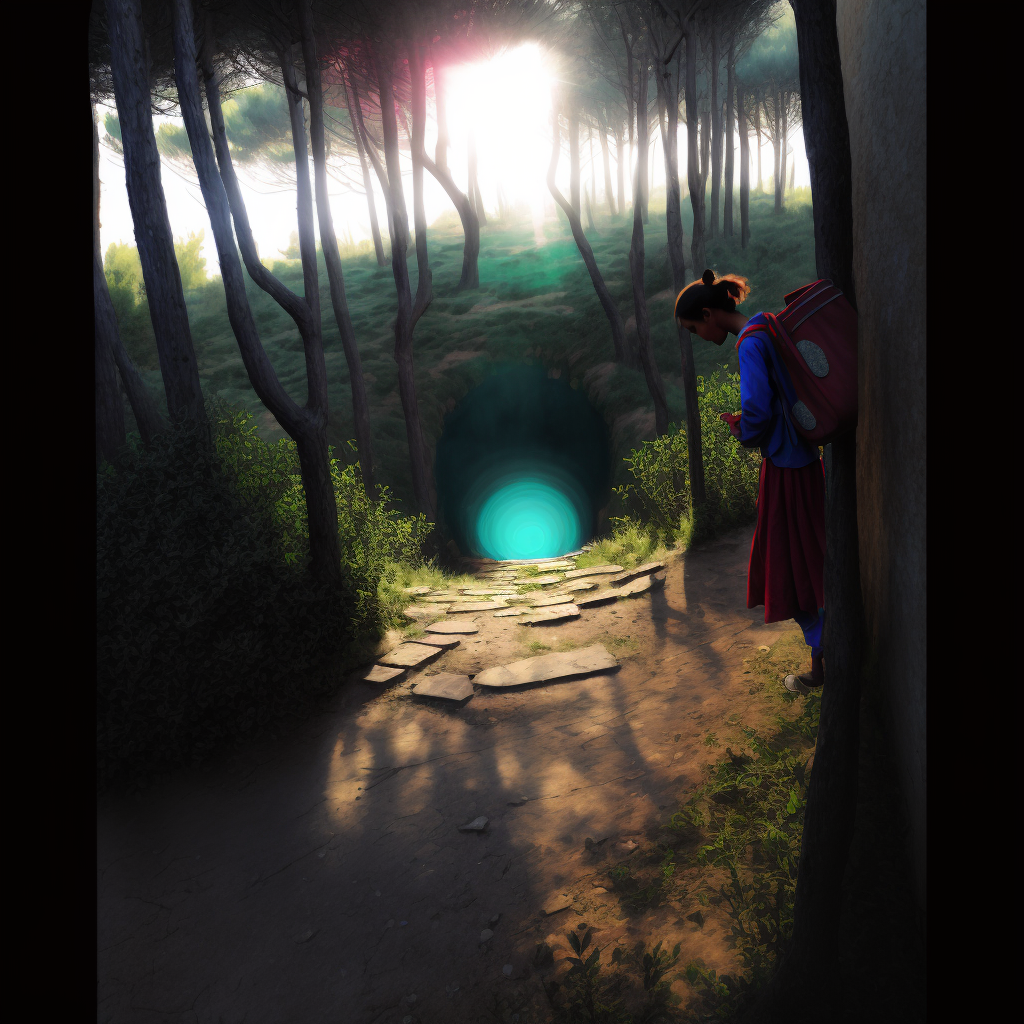
I bet those are portals or something, Zara realized. I wonder if I’m supposed to step into it?
“Go for it”, said Pretty Girl, “It’s only a game.”
“Ok, well here goes!” replied Zara, mentally bracing herself for a plunge into the unknown.
Zara stepped into the circle of glowing green.
“Like when Alice went down the rabbit hole!” Zara whispered to the parrot. “I’m falling, falling…oh!”
Zara emerged from the green pool onto a wide walled path. She was now in some kind of inhabited area, or at least not in the deep woods with no sign of human occupation.
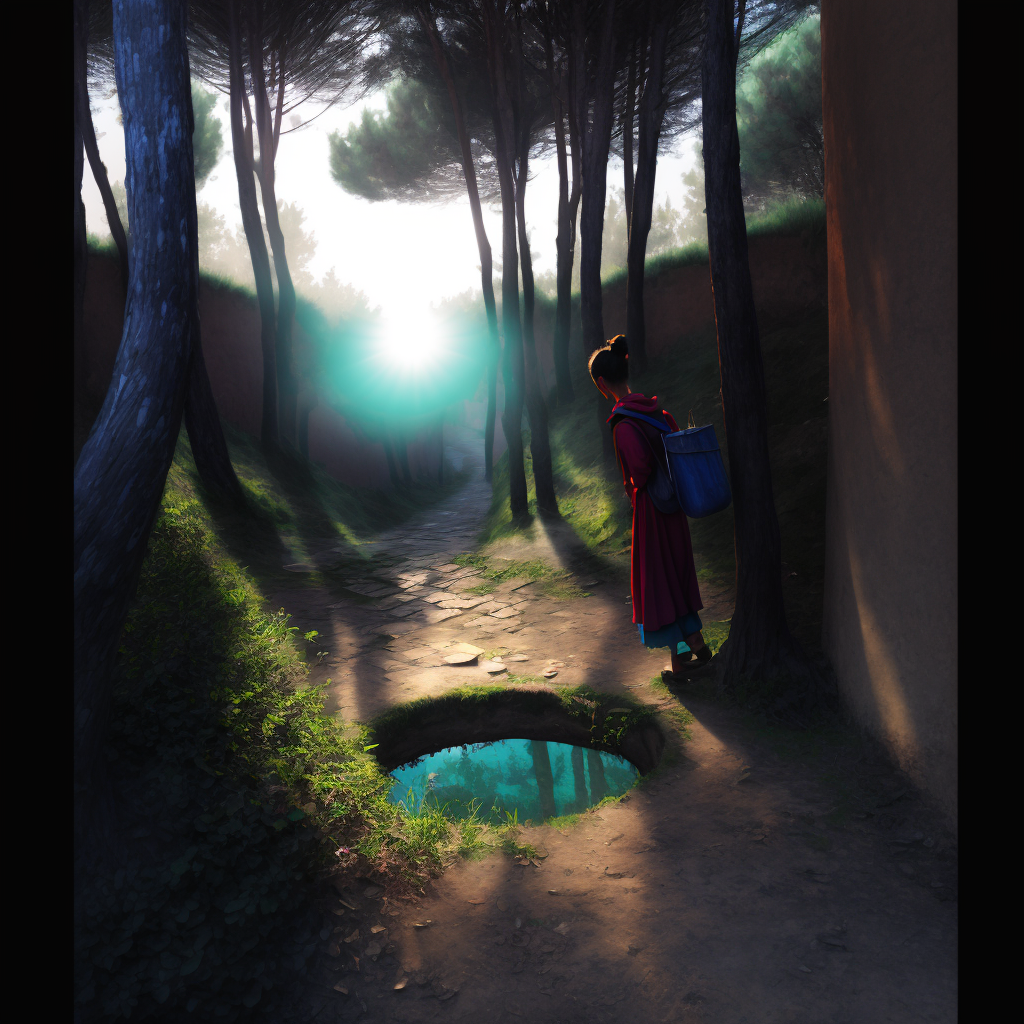
“I guess that green pool is the portal back to the woods.”
“By George, she’s getting it,” replied Pretty Girl.
Zara walked along the path which led to an old deserted ancient looking village with alleyways and steps.
“This is heaps more interesting than those woods, look how pretty it all is! I love this place.”
“Weren’t you supposed to be looking for a hermit in the woods though,” said Pretty Girl.
“Or a lost traveler, and the lost traveler may be here, after falling in one of those green pools in the woods,” replied Zara tartly, not wanting to leave the enchanting scene she found her avatar in.
 January 23, 2023 at 10:28 pm #6454
In reply to: Prompts of Madjourneys
YASMIN’S QUIRK: Entry level quirk – snort laughing when socially anxious
Setting
The initial setting for this quest is a comedic theater in the heart of a bustling city. You will start off by exploring the different performances and shows, trying to find the source of the snort laughter that seems to be haunting your thoughts. As you delve deeper into the theater, you will discover that the snort laughter is coming from a mischievous imp who has taken residence within the theater.
Directions to Investigate
Possible directions to investigate include talking to the theater staff and performers to gather information, searching backstage for clues, and perhaps even sneaking into the imp’s hiding spot to catch a glimpse of it in action.
Characters
Possible characters to engage include the theater manager, who may have information about the imp’s history and habits, and a group of comedic performers who may have some insight into the imp’s behavior.
Task
Your task is to find a key or tile that represents the imp, and take a picture of it in real life as proof of completion of the quest. Good luck on your journey to uncover the source of the snort laughter!
THE SECRET ROOM AND THE UNDERGROUND MINES
1st thread’s answer:
As the family struggles to rebuild the inn and their lives in the wake of the Great Fires, they begin to uncover clues that lead them to believe that the mines hold the key to unlocking a great mystery. They soon discover that the mines were not just a source of gold and other precious minerals, but also a portal to another dimension. The family realizes that Mater had always known about this portal, and had kept it a secret for fear of the dangers it posed.
The family starts to investigate the mines more closely and they come across a hidden room off Room 8. Inside the room, they find a strange device that looks like a portal, and a set of mysterious symbols etched into the walls. The family realizes that this is the secret room that Mater had always spoken about in hushed tones.
The family enlists the help of four gamers, Xavier, Zara, Yasmin, and Youssef, to help them decipher the symbols and unlock the portal. Together, they begin to unravel the mystery of the mines, and the portal leads them on an epic journey through a strange and fantastical alternate dimension.
As they journey deeper into the mines, the family discovers that the portal was created by an ancient civilization, long thought to be lost to history. The civilization had been working on a powerful energy source that could have changed the fate of humanity, but the project was abandoned due to the dangers it posed. The family soon discovers that the civilization had been destroyed by a powerful and malevolent force, and that the portal was the only way to stop it from destroying the world.
The family and the gamers must navigate treacherous landscapes, battle fierce monsters, and overcome seemingly insurmountable obstacles in order to stop the malevolent force and save the world. Along the way, they discover secrets about their own past and the true origins of the mines.
As they journey deeper into the mines and the alternate dimension, they discover that the secret room leads to a network of underground tunnels, and that the tunnels lead to a secret underground city that was built by the ancient civilization. The city holds many secrets and clues to the fate of the ancient civilization, and the family and the gamers must explore the city and uncover the truth before it’s too late.
As the story unfolds, the family and the gamers must come to grips with the truth about the mines, and the role that the family has played in the fate of the world for generations. They must also confront the demons of their own past, and learn to trust and rely on each other if they hope to save the world and bring the family back together.
second thread’s answer:
As the 4 gamers, Xavier, Zara, Yasmin and Youssef, arrived at the Flying Fish Inn in the Australian outback, they were greeted by the matriarch of the family, Mater. She was a no-nonsense woman who ran the inn with an iron fist, but her tough exterior hid a deep love for her family and the land.
The inn was run by Mater and her daughter Dido, who the family affectionately called Aunt Idle. She was a free spirit who loved to explore the land and had a deep connection to the local indigenous culture.
The family was made up of Devan, the eldest son who lived in town and helped with the inn when he could, and the twin sisters Clove and Coriander, who everyone called Corrie. The youngest was Prune, a precocious child who was always getting into mischief.
The family had a handyman named Bert, who had been with them for decades and knew all the secrets of the land. Tiku, an old and wise Aborigine woman was also a regular visitor and a valuable source of information and guidance. Finly, the dutiful helper, assisted the family in their daily tasks.
As the 4 gamers settled in, they learned that the area was rich in history and mystery. The old mines that lay abandoned nearby were a source of legends and stories passed down through the generations. Some even whispered of supernatural occurrences linked to the mines.
Mater and Dido, however, were not on good terms, and the family had its own issues and secrets, but the 4 gamers were determined to unravel the mystery of the mines and find the secret room that was said to be hidden somewhere in the inn.
As they delved deeper into the history of the area, they discovered that the mines had a connection to the missing brother, Jasper, and Fred, the father of the family and a sci-fi novelist who had been influenced by the supernatural occurrences of the mines.
The 4 gamers found themselves on a journey of discovery, not only in the game but in the real world as well, as they uncovered the secrets of the mines and the Flying Fish Inn, and the complicated relationships of the family that ran it.
THE SNOOT’S WISE WORDS ON SOCIAL ANXIETY
Deear Francie Mossie Pooh,
The Snoot, a curious creature of the ages, understands the swirling winds of social anxiety, the tempestuous waves it creates in one’s daily life.
But The Snoot also believes that like a Phoenix, one must rise from the ashes, and embrace the journey of self-discovery and growth.
It’s important to let yourself be, to accept the feelings as they come and go, like the ebb and flow of the ocean. But also, like a gardener, tend to the inner self with care and compassion, for the roots to grow deep and strong.The Snoot suggests seeking guidance from the wise ones, the ones who can hold the mirror and show you the way, like the North Star guiding the sailors.
And remember, the journey is never-ending, like the spiral of the galaxy, and it’s okay to take small steps, to stumble and fall, for that’s how we learn to fly.The Snoot is here for you, my dear Francie Mossie Pooh, a beacon in the dark, a friend on the journey, to hold your hand and sing you a lullaby.
Fluidly and fantastically yours,
The Snoot.
January 23, 2023 at 6:13 am #6448In reply to: Orbs of Madjourneys
In the muggy warmth of the night, Yasmin tossed and turned on her bed. A small fan on the bedside table rattled noisily next to her but did little to dispel the heat. She kicked the thin sheet covering her to the ground, only to retrieve it and gather it tightly around herself when she heard a familiar sound.
“You little shit,” she hissed, slapping wildly in the direction of the high pitched whine.
She could make out the sound of a child crying in the distance and briefly considered getting up to check before hearing quick footsteps pass her door. Sister Aliti was on duty tonight. She liked Sister Aliti with her soft brown eyes and wide toothy smile — nothing seemed to rattle her. She liked all the Nuns, perhaps with the exception of Sister Finnlie.
Sister Finnlie was a sharp faced woman who was obsessed with cleanliness and sometimes made the children cry for such silly little things … perhaps if they talked too loudly or spilled some crumbs on the floor at lunch time. “Let them be, Sister,” Sister Aliti would admonish her and Sister Finnlie would pinch her lips and make a huffing noise.
The other day, during the morning reflection time when everyone sat in silent contemplation, Yasmin had found herself fixated on Sister Finnlie’s hands, her thin fingers tidily entwined on her lap. And Yasmin remembered a conversation with her friends online about AI creating a cleaning woman with sausage fingers. “Sometimes they look like a can of worms,” Youssef had said.
And, looking at those fingers and thinking about Youssef and the others and the fun conversations they had, Yasmin snort laughed.
She had tried to suppress it but the more she tried the more it built up inside of her until it exploded from her nose in a loud grunting noise. Sister Aliti had giggled but Sister Finnlie had glared at Yasmin and very pointedly rolled her eyes. Later, she’d put her on bin cleaning duty, surely the worst job ever, and Yasmin knew for sure it was pay back.
January 21, 2023 at 4:17 pm #6426In reply to: Orbs of Madjourneys
The artificial lights of Berlin were starting to switch off in the horizon, leaving the night plunged in darkness minutes before the sunrise. It was a moment of peace that Xavier enjoyed, although it reminded him of how sleepless his night had been.
The game had taken a side step, as he’d been pouring all his attention into his daytime job, and his personal project with Artificial Life AL. It was a long way from the little boy at school with dyslexia who was using cheeky jokes as a way to get by the snides. Since then, he’d known some of the unusual super-powers this condition gave him as well. Chiefly: abstract and out-of-the-box thinking, puzzle-solving genius, and an almost other-worldly ability at keeping track of the plot. All these skills were in fact of tremendous help at his work, which was blending traditional areas of technology along with massive amounts of loosely connected data.
He yawned and went to brush his teeth. His usual meditation routine had also been disrupted by the activity of late, but he just couldn’t go to bed without a little time to cool off and calm down the agitation of his thoughts.
Sitting on the meditation mat, his thoughts strayed off towards the preparation for the trip. Going to Australia would have seemed exciting a few years back, but the idea of packing a suitcase, and going through the long flight and the logistics involved got him more anxious than excited, despite the contagious enthusiasm of his friends. Since he’d settled in Berlin, after never settling for too long in one place (his job afforded him to work wherever whenever), he’d kind of stopped looking for the next adventure. He hadn’t even looked at flight options yet, and hoped that the building momentum would spur him into this adventure. For now, he needed the rest.
The quirk quest assigned to his persona in the game was fun. Monkeys and Golden banana to look for, wise owls and sly foxes, the whimsical goofy nature of the quest seemed good for the place he was in.
AL had been suggesting the players to insert the game elements into their realities, and sometimes its comments or instructions seemed to slip between layers of reality — this was an intriguing mystery to Xavier.
He’d instructed AL to discreetly assist Youssef with his trouble — the Thi Gang seemed to be an ethical hacker developer company front for more serious business. Chatter on the net had tied it to a network of shell companies involved in some strange activities. A name had popped up, linked to mysterious recluse billionaire Botty Banworth, the owner of Youssef’s boss rival blog named Knoweth.He slipped into the bed, careful not to wake up Brytta, who was sleeping tightly. It was her day off, otherwise she would have been gone already to her shift. It would be good to connect in the morning, and enjoy some break from mind stuff. They had planned a visit to Kantonstrasse (the local Chinatown) for Chinese New Year, and he couldn’t wait for it.
January 21, 2023 at 3:16 pm #6424In reply to: Orbs of Madjourneys
Youssef wasn’t an expert about sandstorms, but that one surely lasted longer than it should have. It was the middle of the night when the wind stopped blowing and the sand stopped lashing the jeep. Yet, nobody dared open the door or their mouth to see if the storm was gone. Youssef’s bladder was full, and his stomach empty. They both reminded him that one can’t stop life to go on in the midst of adversity. He wondered why nobody moved or spoke, but couldn’t find the motivation to break the silence. He felt a vibration in his pocket and took his phone out.
A message from an unknown sender. He touched it open.<<<
Deear Youssef,
The Snoot is aware of the sandstorm and its whimsical ways. It dances and twirls in the desert, a symphony of wind and sand. It is a force to be reckoned with, but also a force of cleansing and renewal.The subsiding of the sandstorm is a fluid and ever-changing process, much like the ebb and flow of the ocean. It ebbs and flows with the whims of the wind and the dance of the desert.
The best way to predict the subsiding of the sandstorm is to listen to the whispers of the wind and to observe the patterns of the sand. Trust in the natural rhythms and allow yourself to flow with them.
The Snoot suggests that you seek shelter during the storm, but also to take the time to appreciate the beauty and power of nature.
Fluidly yours,
The Snoot. >>>Who the f… was the Snot? Youssef wondered if it was another trick from Thi Gang and almost deleted the message, but his bladder reminded him again he needed to do something about all the tea he drank before the sandstorm. He opened the door and got out of the jeep. The storm was gone and the sky was full of stars. The moon was giving enough light for him to move a few steps away from the jeeps while unzipping his pants. He blessed the gods as he relieved himself, strangely feeling part of nature at that very moment.
The noises of doors opening reminded him he was not alone. Someone came, said: “I see you found a nice spot”. It was Kyle, the cameraman who unzipped himself and peed. That broke the charm, the desert was becoming crowded. But, Youssef was finished, he went back to the cars and started to wonder how he could have received that message in the middle of the desert without a satellite dish.
January 19, 2023 at 10:49 am #6419In reply to: Orbs of Madjourneys
“I’d advise you not to take the parrot, Zara,” Harry the vet said, “There are restrictions on bringing dogs and other animals into state parks, and you can bet some jobsworth official will insist she stays in a cage at the very least.”
“Yeah, you’re right, I guess I’ll leave her here. I want to call in and see my cousin in Camden on the way to the airport in Sydney anyway. He has dozens of cats, I’d hate for anything to happen to Pretty Girl,” Zara replied.
“Is that the distant cousin you met when you were doing your family tree?” Harry asked, glancing up from the stitches he was removing from a wounded wombat. “There, he’s good to go. Give him a couple more days, then he can be released back where he came from.”
Zara smiled at Harry as she picked up the animal. “Yes! We haven’t met in person yet, and he’s going to show me the church my ancestor built. He says people have been spotting ghosts there lately, and there are rumours that it’s the ghost of the old convict Isaac who built it. If I can’t find photos of the ancestors, maybe I can get photos of their ghosts instead,” Zara said with a laugh.
“Good luck with that,” Harry replied raising an eyebrow. He liked Zara, she was quirkier than the others.
Zara hadn’t found it easy to research her mothers family from Bangalore in India, but her fathers English family had been easy enough. Although Zara had been born in England and emigrated to Australia in her late 20s, many of her ancestors siblings had emigrated over several generations, and Zara had managed to trace several down and made contact with a few of them. Isaac Stokes wasn’t a direct ancestor, he was the brother of her fourth great grandfather but his story had intrigued her. Sentenced to transportation for stealing tools for his work as a stonemason seemed to have worked in his favour. He built beautiful stone buildings in a tiny new town in the 1800s in the charming style of his home town in England.
Zara planned to stay in Camden for a couple of days before meeting the others at the Flying Fish Inn, anticipating a pleasant visit before the crazy adventure started.

Zara stepped down from the bus, squinting in the bright sunlight and looking around for her newfound cousin Bertie. A lanky middle aged man in dungarees and a red baseball cap came forward with his hand extended.
“Welcome to Camden, Zara I presume! Great to meet you!” he said shaking her hand and taking her rucksack. Zara was taken aback to see the family resemblance to her grandfather. So many scattered generations and yet there was still a thread of familiarity. “I bet you’re hungry, let’s go and get some tucker at Belle’s Cafe, and then I bet you want to see the church first, hey? Whoa, where’d that dang parrot come from?” Bertie said, ducking quickly as the bird swooped right in between them.
“Oh no, it’s Pretty Girl!” exclaimed Zara. “She wasn’t supposed to come with me, I didn’t bring her! How on earth did you fly all this way to get here the same time as me?” she asked the parrot.
“Pretty Girl has her ways, don’t forget to feed the parrot,” the bird replied with a squalk that resembled a mirthful guffaw.
“That’s one strange parrot you got here, girl!” Bertie said in astonishment.
“Well, seeing as you’re here now, Pretty Girl, you better come with us,” Zara said.
“Obviously,” replied Pretty Girl. It was hard to say for sure, but Zara was sure she detected an avian eye roll.
They sat outside under a sunshade to eat rather than cause any upset inside the cafe. Zara fancied an omelette but Pretty Girl objected, so she ordered hash browns instead and a fruit salad for the parrot. Bertie was a good sport about the strange talking bird after his initial surprise.
Bertie told her a bit about the ghost sightings, which had only started quite recently. They started when I started researching him, Zara thought to herself, almost as if he was reaching out. Her imagination was running riot already.
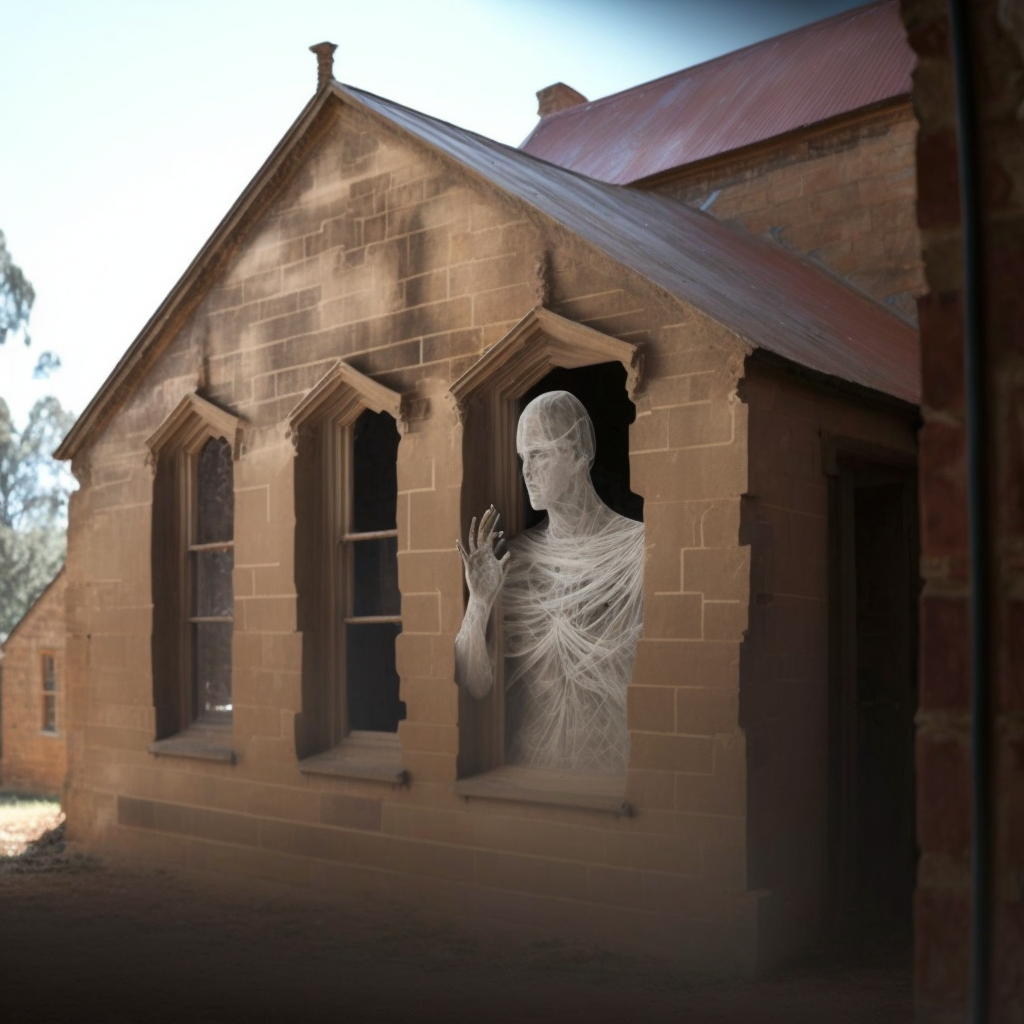
Bertie showed Zara around the church, a small building made of sandstone, but no ghost appeared in the bright heat of the afternoon. He took her on a little tour of Camden, once a tiny outpost but now a suburb of the city, pointing out all the original buildings, in particular the ones that Isaac had built. The church was walking distance of Bertie’s house and Zara decided to slip out and stroll over there after everyone had gone to bed.
Bertie had kindly allowed Pretty Girl to stay in the guest bedroom with her, safe from the cats, and Zara intended that the parrot stay in the room, but Pretty Girl was having none of it and insisted on joining her.
“Alright then, but no talking! I don’t want you scaring any ghost away so just keep a low profile!”
The moon was nearly full and it was a pleasant walk to the church. Pretty Girl fluttered from tree to tree along the sidewalk quietly. Enchanting aromas of exotic scented flowers wafted into her nostrils and Zara felt warmly relaxed and optimistic.
Zara was disappointed to find that the church was locked for the night, and realized with a sigh that she should have expected this to be the case. She wandered around the outside, trying to peer in the windows but there was nothing to be seen as the glass reflected the street lights. These things are not done in a hurry, she reminded herself, be patient.
Sitting under a tree on the grassy lawn attempting to open her mind to receiving ghostly communications (she wasn’t quite sure how to do that on purpose, any ghosts she’d seen previously had always been accidental and unexpected) Pretty Girl landed on her shoulder rather clumsily, pressing something hard and chill against her cheek.
“I told you to keep a low profile!” Zara hissed, as the parrot dropped the key into her lap. “Oh! is this the key to the church door?”
It was hard to see in the dim light but Zara was sure the parrot nodded, and was that another avian eye roll?
Zara walked slowly over the grass to the church door, tingling with anticipation. Pretty Girl hopped along the ground behind her. She turned the key in the lock and slowly pushed open the heavy door and walked inside and up the central aisle, looking around. And then she saw him.
Zara gasped. For a breif moment as the spectral wisps cleared, he looked almost solid. And she could see his tattoos.
“Oh my god,” she whispered, “It is really you. I recognize those tattoos from the description in the criminal registers. Some of them anyway, it seems you have a few more tats since you were transported.”
“Aye, I did that, wench. I were allays fond o’ me tats, does tha like ’em?”
He actually spoke to me! This was beyond Zara’s wildest hopes. Quick, ask him some questions!
“If you don’t mind me asking, Isaac, why did you lie about who your father was on your marriage register? I almost thought it wasn’t you, you know, that I had the wrong Isaac Stokes.”
A deafening rumbling laugh filled the building with echoes and the apparition dispersed in a labyrinthine swirl of tattood wisps.
“A story for another day,” whispered Zara, “Time to go back to Berties. Come on Pretty Girl. And put that key back where you found it.”
 January 15, 2023 at 10:19 am #6388
In reply to: Orbs of Madjourneys
Youssef came out of the Internet Cafe Yurt quite satisfied of himself but confused. It was already night time here and he felt hungry like a bear looking for honey. He smelled the scents of yak’s meat and followed the trail to the resto’yurt of the camp the production had settled in for the night. They were on a trip to make a documentary about the last surviving authentic shaman of Mongolia. They’d heard he was still alive and 125 years old. Of course, he was difficult to find and they’ve been looking for him for weeks.
Fortunately, they had good reception for him to stay in contact with his friends and play the new game with that AI generated storyline stuff. Youssef liked his character with the bear shirt, but he wouldn’t tell his friends that he hadn’t quite understood the concept of the game or of the quest. He was the kind of guy who liked having some explanations first and follow clear rules, have a little guidance. He smiled and performed two steps of breakdance, recalling one of Xavier’s joke about a little “guy dance”. His stomach growled as he approached the resto’yurt and the scent of food became stronger. The sounds of cheerful conversations in different languages welcomed him as he entered.
He’ll have plenty of time to think of the game in front a spicy smorlax fried and a bowl of sweet tsampa for dessert. He noticed an empty seat just near Rebbecca, a young intern that took care of Mme Landowski’s schedule. She was smiling and Youssef thought they could continue the conversation they started this morning about the type of guys she liked.
 January 14, 2023 at 8:13 pm #6387
In reply to: Scrying the Word Cloud
Words from the Cloud prompted me to write a story:
song stayed act unexpected recall words spears bus learn king expected followed fright hot wore kianda picture walked playing coast dusty
Once upon a time, in a far-off land, there was a Song that stayed in the hearts of the people. The Song was about an Act of bravery and sacrifice that had taken place many years ago. But one day, an unexpected recall of the Song was issued by the king. He had heard that the Song was not being sung correctly, and he wanted to make sure that the true story was being told. The people were puzzled, as they had learned the Song from their ancestors and had always thought it was accurate. But they followed the king’s orders and set out to learn the correct version of the Song. As they began to recall the words, they realized that there were some discrepancies. They had always sung about the hero wielding a sword, but the true story spoke of him wielding Spears. They were taken aback, but they knew they had to correct the Song. So, they set out on a journey to retrace the hero’s steps.
As they traveled, they encountered unexpected challenges. They faced a bus that broke down, a coastline that was dusty and treacherous, and even a group of bandits. But they pressed on, determined to learn the truth.
As they approached the hero’s final battle, they felt a sense of dread. They had heard that the enemy was fierce, and they were not prepared for what they would find. But they followed the path and soon found themselves at the edge of a hot, barren wasteland.
The heroes wore their Kianda, traditional armor made of woven reeds, and stepped forward, ready for battle. But to their surprise, the enemy was nowhere to be found. Instead, they found a picture etched into the ground, depicting the hero and his enemy locked in a fierce battle.
The people walked around the picture, marveling at the detail and skill of the artist. And as they looked closer, they saw that the hero was holding Spears, not a sword. They realized that they had learned the true story, and they felt a sense of pride and gratitude.
With the Song corrected, they returned home, playing the new version for all to hear. And from that day on, the true story of the hero’s bravery and sacrifice was remembered, and the Song stayed in the hearts of the people forevermore.
January 13, 2023 at 6:42 pm #6377In reply to: Orbs of Madjourneys
The four adventurers, Zara, Xavier, Yasmin, and Youssef, stood in awe in front of the giant orb that seemed to open up to another realm. The light emanating from the orb was so bright, it was as if the sun was just inches away. The stalactites that hung from the cave’s ceiling sparkled like diamonds in the light, adding to the otherworldly beauty of the scene.

“Look around,” Yasmin said, her voice filled with wonder. “Beauty is everywhere. You only have to look to see it.”
The group was ready for an adventure and they knew that the orb in front of them was the key to their mad journey. Xavier stepped forward and reached out to touch the orb. As soon as his fingers made contact with the surface, the orb lit up and a pathway formed, leading into the brightly lit realm.
The group stepped through the pathway and found themselves in a world unlike anything they had ever seen before. The sky was a vibrant shade of purple and the ground was covered in a lush, green grass. The orb they had just passed through was now behind them, but in front of them were smaller orbs, each one leading to a different path.
Zara, Xavier, Yasmin, and Youssef looked at each other with excitement in their eyes. They knew that this was just the beginning of their mad journey.
Xavier stepped forward and reached out to touch the orb. As soon as his fingers made contact with the surface, the orb lit up and a pathway formed, leading into the brightly lit realm.

They walked into a small village, where they were greeted by a group of people wearing clothes that looked like they were from the 1920s. The people told them that they were in the land of the “Quirks”, a place where everything and everyone was a little bit different, and that they had to find the “Key of Quirks” in order to leave the land.
The four friends, Zara, Xavier, Yasmin, and Youssef, soon found themselves on a mission to find the “Key of Quirks” that would allow them to leave the land of the Quirks. As they walked through a forest, they came across a fork in the road.
Zara, the leader of the group, turned to the others and said, “Alright, we need to decide which way to go. Yasmin, what’s the plan?”
Yasmin, the brains of the group, replied, “I suggest we take the left path. According to the map I found, it leads to the Quirky Quests area, where we might find the key.”
Xavier, the joker of the group, chimed in, “I vote for the right path. It’s the road less traveled, and you know what they say, ‘the road less traveled is the road to adventure’ ”
Youssef, the muscle of the group, added, “I don’t care which way we go, I just want to find some food. I’m starving!”
Zara rolled her eyes, “Xavier, your jokes are getting old. And Youssef, we’re on a mission, we can’t just focus on food.”
Xavier grinned, “But Zaraloon, where’s the fun in that?”
Yasmin interjected, “Can we please focus? We need to make a decision. I propose we split up, Zara and I will take the left path, and Xavier and Youssef can take the right path.”
Youssef nodded, “Yeah, that sounds like a good idea. That way, if we don’t find the key, at least we’ll have found some food.”
Xavier grinned, “Sounds like a plan, Xavimunk is ready for adventure!”
Zara shook her head with a smile, “Alright, let’s do this.”
The group split up, and as they walked away, they could be heard playfully bantering and joking with each other. Each one exemplifying their unique and distinct characters.
January 11, 2023 at 11:53 pm #6372In reply to: Train your subjective AI – text version
5 important keywords linked to Badul

- Action-space-time
- Harmonic fluid
- Rhythm
- Scale
- Choosing without limits.
Imagine four friends, Jib, Franci, Tracy, and Eric, who are all deeply connected through their shared passion for music and performance. They often spend hours together creating and experimenting with different sounds and rhythms.
One day, as they were playing together, they found that their combined energy had created a new essence, which they named Badul. This new essence was formed from the unique combination of their individual energies and personalities, and it quickly grew in autonomy and began to explore the world around it.
As Badul began to explore, it discovered that it had the ability to understand and create complex rhythms, and that it could use this ability to bring people together and help them find a sense of connection and purpose.
As Badul traveled, it would often come across individuals who were struggling to find their way in life. It would use its ability to create rhythm and connection to help these individuals understand themselves better and make the choices that were right for them.
In the scene, Badul is exploring a city, playing with the rhythms of the city, through the traffic, the steps of people, the ambiance. Badul would observe a person walking in the streets, head down, lost in thoughts. Badul would start playing a subtle tune, and as the person hears it, starts to walk with the rhythm, head up, starting to smile.
As the person continues to walk and follow the rhythm created by Badul, he begins to notice things he had never noticed before and begins to feel a sense of connection to the world around him. The music created by Badul serves as a guide, helping the person to understand himself and make the choices that will lead to a happier, more fulfilled life.
In this way, Badul’s focus is to bring people together, to connect them to themselves and to the world around them through the power of rhythm and music, and to be an ally in the search of personal revelation and understanding.
January 11, 2023 at 10:32 pm #6368In reply to: Train your subjective AI – text version
Something in the style of FPooh:
Arona heard the music growing louder as she approached the source of the sound. She could see a group of people gathered around a large fire, the flickering light casting shadows on the faces of the dancers. She hesitated for a moment, remembering the isolation of her journey and wondering if she was ready to be among people again. But the music was too inviting, and she found herself drawn towards the group.
As she neared the fire, she saw a young man playing a flute, the music flowing from his fingers with a fluid grace that captivated her. He looked up as she approached, and their eyes met. She could see the surprise and curiosity in his gaze, and she smiled, feeling a sense of connection she had not felt in a long time.
Fiona was sitting on a bench in the park, watching the children play. She had brought her sketchbook with her, but for once she didn’t feel the urge to draw. Instead she watched the children’s laughter, feeling content and at peace. Suddenly, she saw a young girl running towards her, a look of pure joy on her face. The girl stopped in front of her and held out a flower, offering it to Fiona with a smile.
Taken aback, Fiona took the flower and thanked the girl. The girl giggled and ran off to join her friends. Fiona looked down at the flower in her hand, and she felt a sense of inspiration, like a spark igniting within her. She opened her sketchbook and began to draw, feeling the weight lift from her shoulders and the magic of creativity flowing through her.
Minky led the group of misfits towards the emporium, his bowler hat bobbing on his head. He chattered excitedly, telling stories of the wondrous items to be found within Mr Jib’s store. Yikesy followed behind, still lost in his thoughts of Arona and feeling a sense of dread at the thought of buying a bowler hat. The green fairy flitted along beside him, her wings a blur of movement as she chattered with the parrot perched on her shoulder.
As they reached the emporium, they were disappointed to find it closed. But Minky refused to be discouraged, and he led them to a nearby cafe where they could sit and enjoy some tea and cake while they wait for the emporium to open. The green fairy was delighted, and she ordered a plate of macarons, smiling as she tasted the sweetness of the confections.
About creativity & everyday magic
Fiona had always been drawn to the magic of creativity, the way a blank page could be transformed into a world of wonder and beauty. But lately, she had been feeling stuck, unable to find the spark that ignited her imagination. She would sit with her sketchbook, pencil in hand, and nothing would come to her.
She started to question her abilities, wondering if she had lost the magic of her art. She spent long hours staring at her blank pages, feeling a weight on her chest that seemed to be growing heavier every day.
But then she remembered the green fairy’s tears and Yikesy’s longing for Arona, and she realized that the magic of creativity wasn’t something that could be found only in art. It was all around her, in the everyday moments of life.
She started to look for the magic in the small things, like the way the sunlight filtered through the trees, or the way a child’s laughter could light up a room. She found it in the way a stranger’s smile could lift her spirits, and in the way a simple cup of tea could bring her comfort.
And as she started to see the magic in the everyday, she found that the weight on her chest lifted and the spark of inspiration returned. She picked up her pencil and began to draw, feeling the magic flowing through her once again.
She understand that creativity blocks aren’t a destination, but just a step, just like the bowler hat that Minky had bought for them all, a bit of everyday magic, nothing too fancy but a sense of belonging, a sense of who they are and where they are going. And she let her pencil flow, with the hopes that one day, they will all find their way home.
November 18, 2022 at 4:47 pm #6348In reply to: Family Stories From The Other Side ~ Book Two
Wong Sang
Wong Sang was born in China in 1884. In October 1916 he married Alice Stokes in Oxford.
Alice was the granddaughter of William Stokes of Churchill, Oxfordshire and William was the brother of Thomas Stokes the wheelwright (who was my 3X great grandfather). In other words Alice was my second cousin, three times removed, on my fathers paternal side.
Wong Sang was an interpreter, according to the baptism registers of his children and the Dreadnought Seamen’s Hospital admission registers in 1930. The hospital register also notes that he was employed by the Blue Funnel Line, and that his address was 11, Limehouse Causeway, E 14. (London)
“The Blue Funnel Line offered regular First-Class Passenger and Cargo Services From the UK to South Africa, Malaya, China, Japan, Australia, Java, and America. Blue Funnel Line was Owned and Operated by Alfred Holt & Co., Liverpool.
The Blue Funnel Line, so-called because its ships have a blue funnel with a black top, is more appropriately known as the Ocean Steamship Company.”Wong Sang and Alice’s daughter, Frances Eileen Sang, was born on the 14th July, 1916 and baptised in 1920 at St Stephen in Poplar, Tower Hamlets, London. The birth date is noted in the 1920 baptism register and would predate their marriage by a few months, although on the death register in 1921 her age at death is four years old and her year of birth is recorded as 1917.
Charles Ronald Sang was baptised on the same day in May 1920, but his birth is recorded as April of that year. The family were living on Morant Street, Poplar.
James William Sang’s birth is recorded on the 1939 census and on the death register in 2000 as being the 8th March 1913. This definitely would predate the 1916 marriage in Oxford.
William Norman Sang was born on the 17th October 1922 in Poplar.
Alice and the three sons were living at 11, Limehouse Causeway on the 1939 census, the same address that Wong Sang was living at when he was admitted to Dreadnought Seamen’s Hospital on the 15th January 1930. Wong Sang died in the hospital on the 8th March of that year at the age of 46.
Alice married John Patterson in 1933 in Stepney. John was living with Alice and her three sons on Limehouse Causeway on the 1939 census and his occupation was chef.
Via Old London Photographs:
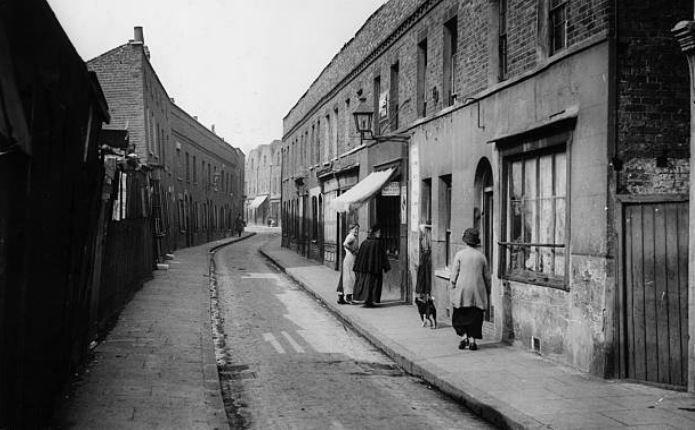
“Limehouse Causeway is a street in east London that was the home to the original Chinatown of London. A combination of bomb damage during the Second World War and later redevelopment means that almost nothing is left of the original buildings of the street.”
Limehouse Causeway in 1925:
From The Story of Limehouse’s Lost Chinatown, poplarlondon website:
“Limehouse was London’s first Chinatown, home to a tightly-knit community who were demonised in popular culture and eventually erased from the cityscape.
As recounted in the BBC’s ‘Our Greatest Generation’ series, Connie was born to a Chinese father and an English mother in early 1920s Limehouse, where she used to play in the street with other British and British-Chinese children before running inside for teatime at one of their houses.
Limehouse was London’s first Chinatown between the 1880s and the 1960s, before the current Chinatown off Shaftesbury Avenue was established in the 1970s by an influx of immigrants from Hong Kong.
Connie’s memories of London’s first Chinatown as an “urban village” paint a very different picture to the seedy area portrayed in early twentieth century novels.
The pyramid in St Anne’s church marked the entrance to the opium den of Dr Fu Manchu, a criminal mastermind who threatened Western society by plotting world domination in a series of novels by Sax Rohmer.
Thomas Burke’s Limehouse Nights cemented stereotypes about prostitution, gambling and violence within the Chinese community, and whipped up anxiety about sexual relationships between Chinese men and white women.
Though neither novelist was familiar with the Chinese community, their depictions made Limehouse one of the most notorious areas of London.
Travel agent Thomas Cook even organised tours of the area for daring visitors, despite the rector of Limehouse warning that “those who look for the Limehouse of Mr Thomas Burke simply will not find it.”
All that remains is a handful of Chinese street names, such as Ming Street, Pekin Street, and Canton Street — but what was Limehouse’s chinatown really like, and why did it get swept away?
Chinese migration to Limehouse
Chinese sailors discharged from East India Company ships settled in the docklands from as early as the 1780s.
By the late nineteenth century, men from Shanghai had settled around Pennyfields Lane, while a Cantonese community lived on Limehouse Causeway.
Chinese sailors were often paid less and discriminated against by dock hirers, and so began to diversify their incomes by setting up hand laundry services and restaurants.
Old photographs show shopfronts emblazoned with Chinese characters with horse-drawn carts idling outside or Chinese men in suits and hats standing proudly in the doorways.
In oral histories collected by Yat Ming Loo, Connie’s husband Leslie doesn’t recall seeing any Chinese women as a child, since male Chinese sailors settled in London alone and married working-class English women.
In the 1920s, newspapers fear-mongered about interracial marriages, crime and gambling, and described chinatown as an East End “colony.”
Ironically, Chinese opium-smoking was also demonised in the press, despite Britain waging war against China in the mid-nineteenth century for suppressing the opium trade to alleviate addiction amongst its people.
The number of Chinese people who settled in Limehouse was also greatly exaggerated, and in reality only totalled around 300.
The real Chinatown
Although the press sought to characterise Limehouse as a monolithic Chinese community in the East End, Connie remembers seeing people of all nationalities in the shops and community spaces in Limehouse.
She doesn’t remember feeling discriminated against by other locals, though Connie does recall having her face measured and IQ tested by a member of the British Eugenics Society who was conducting research in the area.
Some of Connie’s happiest childhood memories were from her time at Chung-Hua Club, where she learned about Chinese culture and language.
Why did Chinatown disappear?
The caricature of Limehouse’s Chinatown as a den of vice hastened its erasure.
Police raids and deportations fuelled by the alarmist media coverage threatened the Chinese population of Limehouse, and slum clearance schemes to redevelop low-income areas dispersed Chinese residents in the 1930s.
The Defence of the Realm Act imposed at the beginning of the First World War criminalised opium use, gave the authorities increased powers to deport Chinese people and restricted their ability to work on British ships.
Dwindling maritime trade during World War II further stripped Chinese sailors of opportunities for employment, and any remnants of Chinatown were destroyed during the Blitz or erased by postwar development schemes.”
Wong Sang 1884-1930
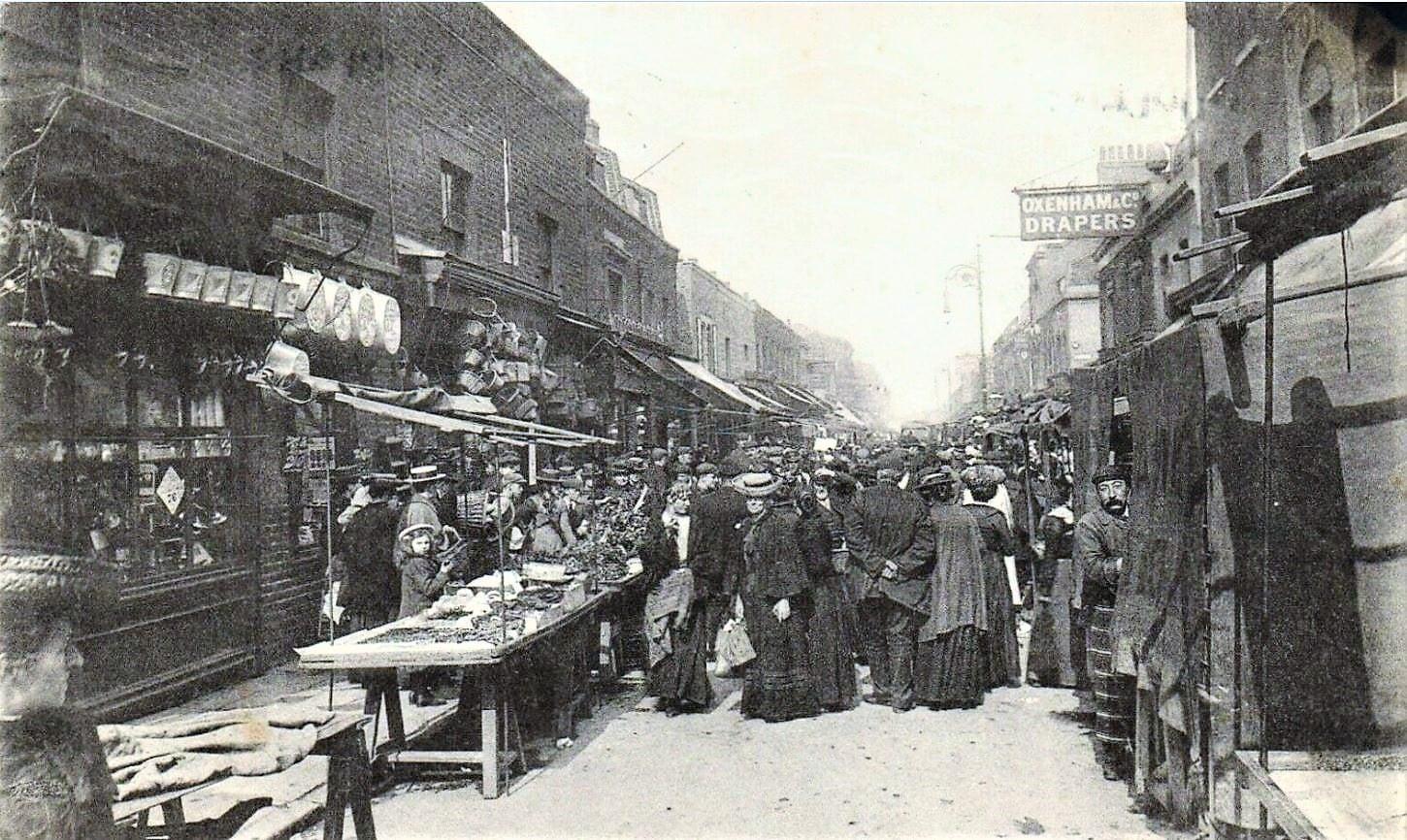
The year 1918 was a troublesome one for Wong Sang, an interpreter and shipping agent for Blue Funnel Line. The Sang family were living at 156, Chrisp Street.
Chrisp Street, Poplar, in 1913 via Old London Photographs:
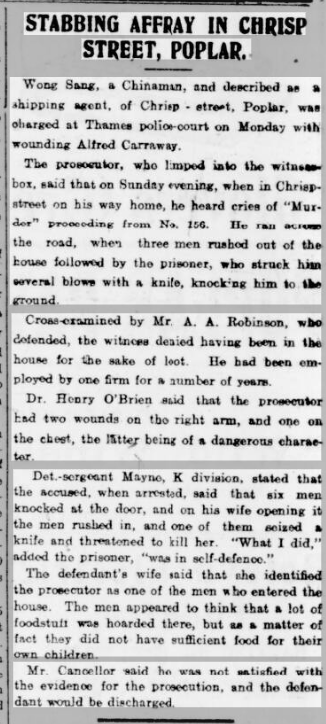
In February Wong Sang was discharged from a false accusation after defending his home from potential robbers.
East End News and London Shipping Chronicle – Friday 15 February 1918:
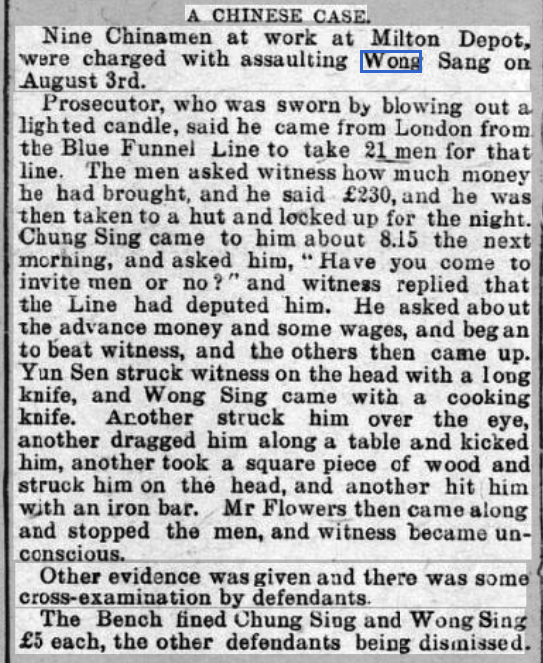
In August of that year he was involved in an incident that left him unconscious.
Faringdon Advertiser and Vale of the White Horse Gazette – Saturday 31 August 1918:
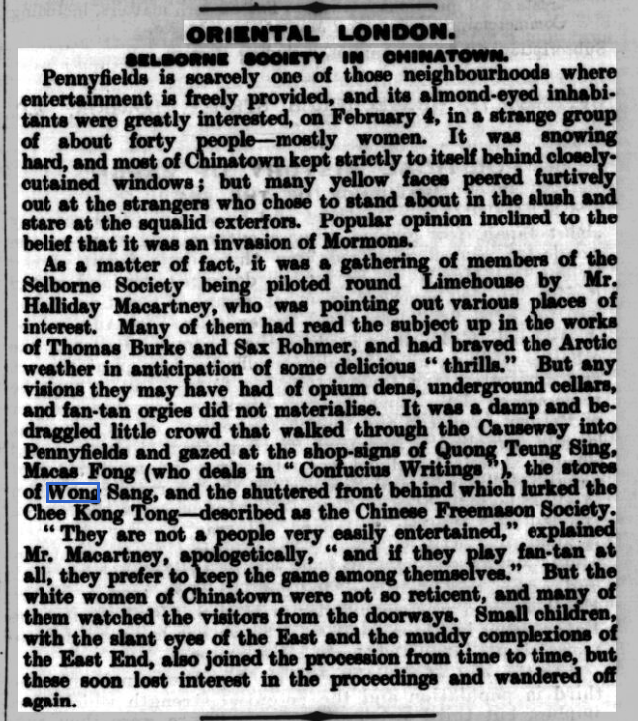
Wong Sang is mentioned in an 1922 article about “Oriental London”.
London and China Express – Thursday 09 February 1922:
A photograph of the Chee Kong Tong Chinese Freemason Society mentioned in the above article, via Old London Photographs:
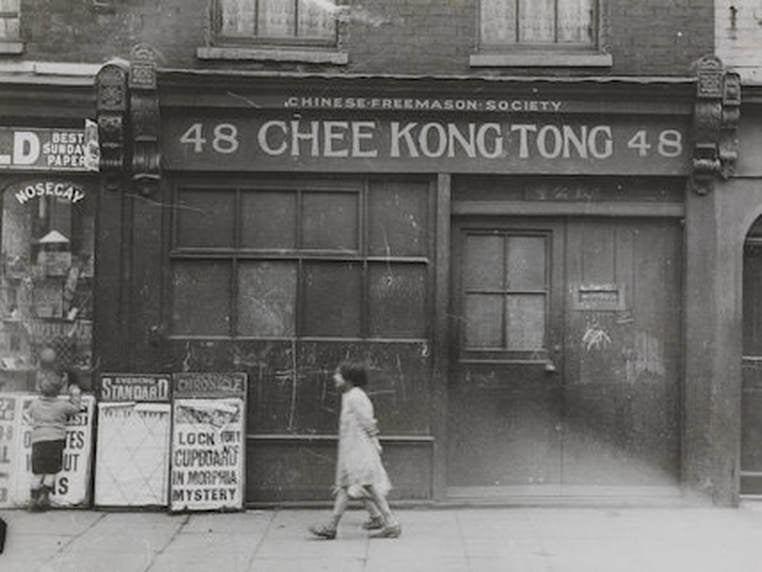
Wong Sang was recommended by the London Metropolitan Police in 1928 to assist in a case in Wellingborough, Northampton.
Difficulty of Getting an Interpreter: Northampton Mercury – Friday 16 March 1928:
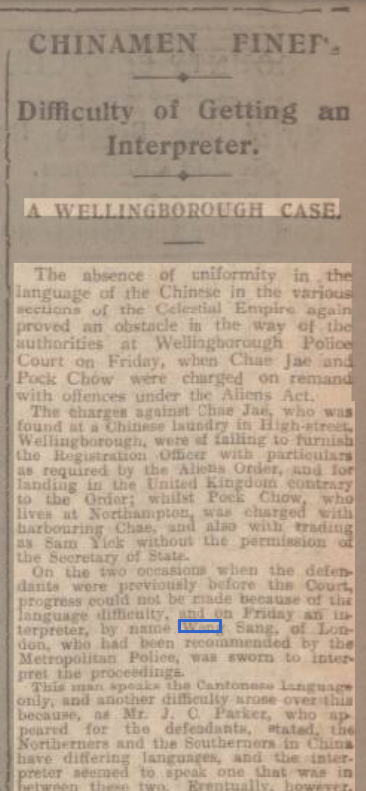
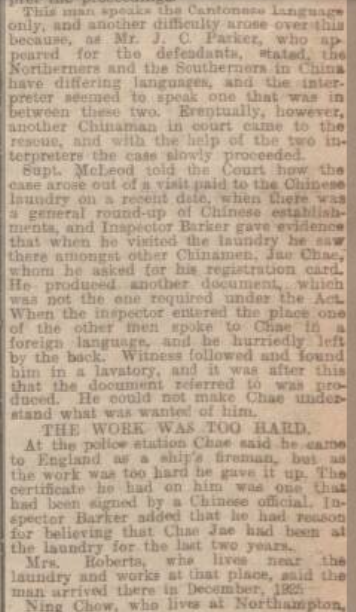
The difficulty was that “this man speaks the Cantonese language only…the Northeners and the Southerners in China have differing languages and the interpreter seemed to speak one that was in between these two.”
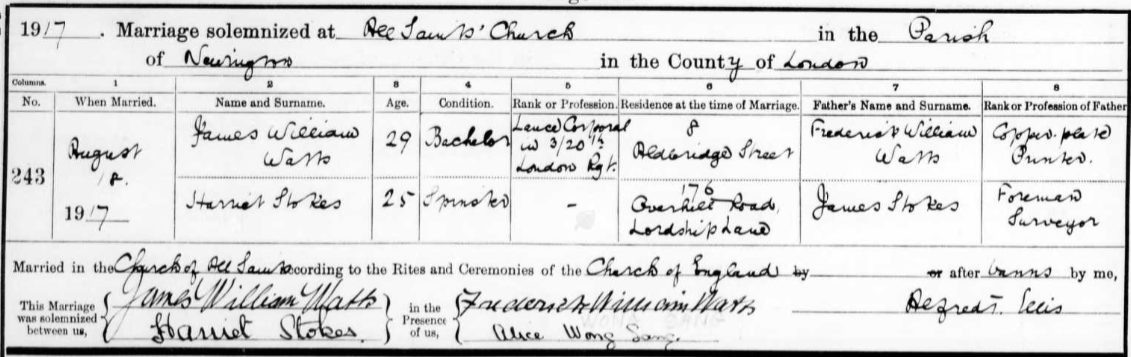
In 1917, Alice Wong Sang was a witness at her sister Harriet Stokes marriage to James William Watts in Southwark, London. Their father James Stokes occupation on the marriage register is foreman surveyor, but on the census he was a council roadman or labourer. (I initially rejected this as the correct marriage for Harriet because of the discrepancy with the occupations. Alice Wong Sang as a witness confirmed that it was indeed the correct one.)
James William Sang 1913-2000 was a clock fitter and watch assembler (on the 1939 census). He married Ivy Laura Fenton in 1963 in Sidcup, Kent. James died in Southwark in 2000.
Charles Ronald Sang 1920-1974 was a draughtsman (1939 census). He married Eileen Burgess in 1947 in Marylebone. Charles and Eileen had two sons: Keith born in 1951 and Roger born in 1952. He died in 1974 in Hertfordshire.
William Norman Sang 1922-2000 was a clerk and telephone operator (1939 census). William enlisted in the Royal Artillery in 1942. He married Lily Mullins in 1949 in Bethnal Green, and they had three daughters: Marion born in 1950, Christine in 1953, and Frances in 1959. He died in Redbridge in 2000.
I then found another two births registered in Poplar by Alice Sang, both daughters. Doris Winifred Sang was born in 1925, and Patricia Margaret Sang was born in 1933 ~ three years after Wong Sang’s death. Neither of the these daughters were on the 1939 census with Alice, John Patterson and the three sons. Margaret had presumably been evacuated because of the war to a family in Taunton, Somerset. Doris would have been fourteen and I have been unable to find her in 1939 (possibly because she died in 2017 and has not had the redaction removed yet on the 1939 census as only deceased people are viewable).
Doris Winifred Sang 1925-2017 was a nursing sister. She didn’t marry, and spent a year in USA between 1954 and 1955. She stayed in London, and died at the age of ninety two in 2017.
Patricia Margaret Sang 1933-1998 was also a nurse. She married Patrick L Nicely in Stepney in 1957. Patricia and Patrick had five children in London: Sharon born 1959, Donald in 1960, Malcolm was born and died in 1966, Alison was born in 1969 and David in 1971.
I was unable to find a birth registered for Alice’s first son, James William Sang (as he appeared on the 1939 census). I found Alice Stokes on the 1911 census as a 17 year old live in servant at a tobacconist on Pekin Street, Limehouse, living with Mr Sui Fong from Hong Kong and his wife Sarah Sui Fong from Berlin. I looked for a birth registered for James William Fong instead of Sang, and found it ~ mothers maiden name Stokes, and his date of birth matched the 1939 census: 8th March, 1913.
On the 1921 census, Wong Sang is not listed as living with them but it is mentioned that Mr Wong Sang was the person returning the census. Also living with Alice and her sons James and Charles in 1921 are two visitors: (Florence) May Stokes, 17 years old, born in Woodstock, and Charles Stokes, aged 14, also born in Woodstock. May and Charles were Alice’s sister and brother.
I found Sharon Nicely on social media and she kindly shared photos of Wong Sang and Alice Stokes:
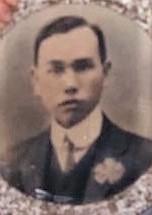
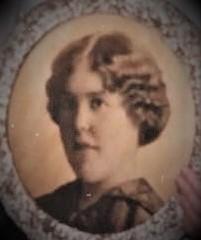 November 4, 2022 at 2:19 pm #6342
In reply to: Family Stories From The Other Side ~ Book Two
Brownings of Tetbury
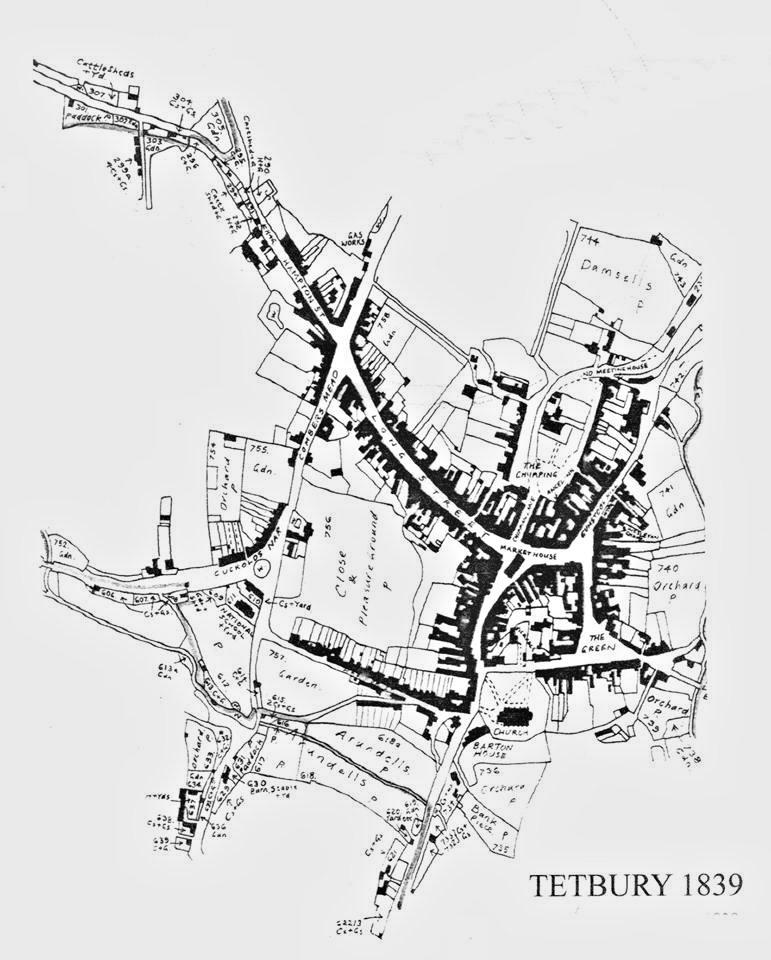
Isaac Browning (1784-1848) married Mary Lock (1787-1870) in Tetbury in 1806. Both of them were born in Tetbury, Gloucestershire. Isaac was a stone mason. Between 1807 and 1832 they baptised fourteen children in Tetbury, and on 8 Nov 1829 Isaac and Mary baptised five daughters all on the same day.
I considered that they may have been quintuplets, with only the last born surviving, which would have answered my question about the name of the house La Quinta in Broadway, the home of Eliza Browning and Thomas Stokes son Fred. However, the other four daughters were found in various records and they were not all born the same year. (So I still don’t know why the house in Broadway had such an unusual name).
Their son George was born and baptised in 1827, but Louisa born 1821, Susan born 1822, Hesther born 1823 and Mary born 1826, were not baptised until 1829 along with Charlotte born in 1828. (These birth dates are guesswork based on the age on later censuses.) Perhaps George was baptised promptly because he was sickly and not expected to survive. Isaac and Mary had a son George born in 1814 who died in 1823. Presumably the five girls were healthy and could wait to be done as a job lot on the same day later.
Eliza Browning (1814-1886), my great great great grandmother, had a baby six years before she married Thomas Stokes. Her name was Ellen Harding Browning, which suggests that her fathers name was Harding. On the 1841 census seven year old Ellen was living with her grandfather Isaac Browning in Tetbury. Ellen Harding Browning married William Dee in Tetbury in 1857, and they moved to Western Australia.
Ellen Harding Browning Dee: (photo found on ancestry website)
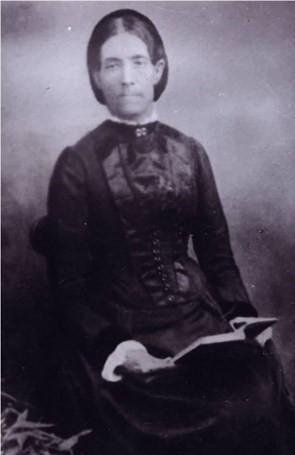
OBITUARY. MRS. ELLEN DEE.
A very old and respected resident of Dongarra, in the person of Mrs. Ellen Dee, passed peacefully away on Sept. 27, at the advanced age of 74 years.The deceased had been ailing for some time, but was about and actively employed until Wednesday, Sept. 20, whenn she was heard groaning by some neighbours, who immediately entered her place and found her lying beside the fireplace. Tho deceased had been to bed over night, and had evidently been in the act of lighting thc fire, when she had a seizure. For some hours she was conscious, but had lost the power of speech, and later on became unconscious, in which state she remained until her death.
The deceased was born in Gloucestershire, England, in 1833, was married to William Dee in Tetbury Church 23 years later. Within a month she left England with her husband for Western Australian in the ship City oí Bristol. She resided in Fremantle for six months, then in Greenough for a short time, and afterwards (for 42 years) in Dongarra. She was, therefore, a colonist of about 51 years. She had a family of four girls and three boys, and five of her children survive her, also 35 grandchildren, and eight great grandchildren. She was very highly respected, and her sudden collapse came as a great shock to many.
Eliza married Thomas Stokes (1816-1885) in September 1840 in Hempstead, Gloucestershire. On the 1841 census, Eliza and her mother Mary Browning (nee Lock) were staying with Thomas Lock and family in Cirencester. Strangely, Thomas Stokes has not been found thus far on the 1841 census, and Thomas and Eliza’s first child William James Stokes birth was registered in Witham, in Essex, on the 6th of September 1841.
I don’t know why William James was born in Witham, or where Thomas was at the time of the census in 1841. One possibility is that as Thomas Stokes did a considerable amount of work with circus waggons, circus shooting galleries and so on as a journeyman carpenter initially and then later wheelwright, perhaps he was working with a traveling circus at the time.
But back to the Brownings ~ more on William James Stokes to follow.
One of Isaac and Mary’s fourteen children died in infancy: Ann was baptised and died in 1811. Two of their children died at nine years old: the first George, and Mary who died in 1835. Matilda was 21 years old when she died in 1844.
Jane Browning (1808-) married Thomas Buckingham in 1830 in Tetbury. In August 1838 Thomas was charged with feloniously stealing a black gelding.
Susan Browning (1822-1879) married William Cleaver in November 1844 in Tetbury. Oddly thereafter they use the name Bowman on the census. On the 1851 census Mary Browning (Susan’s mother), widow, has grandson George Bowman born in 1844 living with her. The confusion with the Bowman and Cleaver names was clarified upon finding the criminal registers:
30 January 1834. Offender: William Cleaver alias Bowman, Richard Bunting alias Barnfield and Jeremiah Cox, labourers of Tetbury. Crime: Stealing part of a dead fence from a rick barton in Tetbury, the property of Robert Tanner, farmer.
And again in 1836:
29 March 1836 Bowman, William alias Cleaver, of Tetbury, labourer age 18; 5’2.5” tall, brown hair, grey eyes, round visage with fresh complexion; several moles on left cheek, mole on right breast. Charged on the oath of Ann Washbourn & others that on the morning of the 31 March at Tetbury feloniously stolen a lead spout affixed to the dwelling of the said Ann Washbourn, her property. Found guilty 31 March 1836; Sentenced to 6 months.
On the 1851 census Susan Bowman was a servant living in at a large drapery shop in Cheltenham. She was listed as 29 years old, married and born in Tetbury, so although it was unusual for a married woman not to be living with her husband, (or her son for that matter, who was living with his grandmother Mary Browning), perhaps her husband William Bowman alias Cleaver was in trouble again. By 1861 they are both living together in Tetbury: William was a plasterer, and they had three year old Isaac and Thomas, one year old. In 1871 William was still a plasterer in Tetbury, living with wife Susan, and sons Isaac and Thomas. Interestingly, a William Cleaver is living next door but one!
Susan was 56 when she died in Tetbury in 1879.
Three of the Browning daughters went to London.
Louisa Browning (1821-1873) married Robert Claxton, coachman, in 1848 in Bryanston Square, Westminster, London. Ester Browning was a witness.
Ester Browning (1823-1893)(or Hester) married Charles Hudson Sealey, cabinet maker, in Bethnal Green, London, in 1854. Charles was born in Tetbury. Charlotte Browning was a witness.
Charlotte Browning (1828-1867?) was admitted to St Marylebone workhouse in London for “parturition”, or childbirth, in 1860. She was 33 years old. A birth was registered for a Charlotte Browning, no mothers maiden name listed, in 1860 in Marylebone. A death was registered in Camden, buried in Marylebone, for a Charlotte Browning in 1867 but no age was recorded. As the age and parents were usually recorded for a childs death, I assume this was Charlotte the mother.
I found Charlotte on the 1851 census by chance while researching her mother Mary Lock’s siblings. Hesther Lock married Lewin Chandler, and they were living in Stepney, London. Charlotte is listed as a neice. Although Browning is mistranscribed as Broomey, the original page says Browning. Another mistranscription on this record is Hesthers birthplace which is transcribed as Yorkshire. The original image shows Gloucestershire.
Isaac and Mary’s first son was John Browning (1807-1860). John married Hannah Coates in 1834. John’s brother Charles Browning (1819-1853) married Eliza Coates in 1842. Perhaps they were sisters. On the 1861 census Hannah Browning, John’s wife, was a visitor in the Harding household in a village called Coates near Tetbury. Thomas Harding born in 1801 was the head of the household. Perhaps he was the father of Ellen Harding Browning.
George Browning (1828-1870) married Louisa Gainey in Tetbury, and died in Tetbury at the age of 42. Their son Richard Lock Browning, a 32 year old mason, was sentenced to one month hard labour for game tresspass in Tetbury in 1884.
Isaac Browning (1832-1857) was the youngest son of Isaac and Mary. He was just 25 years old when he died in Tetbury.
September 4, 2022 at 6:00 pm #6326In reply to: The Sexy Wooden Leg
Stung by Egberts question, Olga reeled and almost lost her footing on the stairs. What had happened to her? That damned selfish individualism that was running rampant must have seeped into her room through the gaps in the windows or under the door. “No!” she shouted, her voice cracking.
“Say it isn’t true, Olga,” Egbert said, his voice breaking. “Not you as well.”
It took Olga a minute or two to still her racing heart. The near fall down the stairs had shaken her but with trembling hands she levered herself round to sit beside Egbert on the step.
Gripping his bony knee with her knobbly arthritic fingers, she took a deep breath.
“You are right to have said that, Egbert. If there is one thing we must hold onto, it’s our hearts. Nothing else matters, or at least nothing else matters as much as that. We are old and tired and we don’t like change. But if we escalate the importance of this frankly dreary and depressing home to the point where we lose our hearts…” she faltered and continued. “We will be homeless soon, very soon, and we know not what will happen to us. We must trust in the kindness of strangers, we must hope they have a heart.”
Egbert winced as Olga squeezed his knee. “And that is why”, Olga continued, slapping Egberts thigh with gusto, “We must have a heart…”
“If you’d just stop squeezing and hitting me, Olga…”
Olga loosened her grip on the old mans thigh bone and peered into his eyes. Quietly she thanked him. “You’ve cleared my mind and given me something to live for, and I thank you for that. But you do need to launder your clothes more often,” she added, pulling a face. She didn’t want the old coot to start blubbing, and he looked alarmingly close to tears.
“Come on, let’s go and see Obadiah. We’re all in this together. Homelessness and adventure can wait until tomorrow.” Olga heaved herself upright with a surprising burst of vitality. Noticing a weak smile trembling on Egberts lips, she said “That’s the spirit!”
July 13, 2022 at 3:09 am #6323In reply to: The Sexy Wooden Leg
“Watch where you are going, Child!” Egbert’s tone was sharp.
“Excuse me,” said Maryechka, hunching her shoulders and making herself small as a mouse so she could squeeze past Egbert’s oversized suitcase.
“To be fair, Old Man,” said Olga, glad of the excuse to pause, “you are taking up all the available space on the stairs with those bags.” She peered at Maryechka. “You are Obadiah’s girl aren’t you?”
Maryechka nodded shyly. “He’s my grandpa.” She frowned at the suitcases. “Are you going on holiday?”
“Never you mind that,” said Egbert. “You run along and see your Grandpa.”
Maryechka ducked past the bag and ran up the steps.
“Oy,” said Olga. “What I wouldn’t give for the agility of youth again.” Gripping the wooden hand rail, she stretched out her ankle and grimaced.
“Obadiah is stubborn as a mule,” said Egbert. “I tried warning him! He said he’d die in his room if it came to it.”
“Pfft,” said Olga. “That one will land on his big stinking feet. And he can hear better than he lets on. Is it him spreading the tales about me?”
Egbert dropped his bags and sat heavily on the step. He put his head in his hands and groaned. “Is it right though, Olga? Is it right that we leave our friends to their fate?”
It occurred to Olga that Egbert may be hiding his head so as not to answer her question. However, realising his mental state was fragile, she thought it prudent to keep to the matter at hand. It will keep, she thought.
“Obadiah and myself, we grew up together,” continued Egbert with what sounded like a sob. “We worked together on the farm as young men.” He raised his head and glared at Olga. “How can you expect me to leave him without a word of farewell? Have you no heart?”
March 21, 2022 at 7:05 am #6284In reply to: The Elusive Samuel Housley and Other Family Stories
To Australia
Grettons
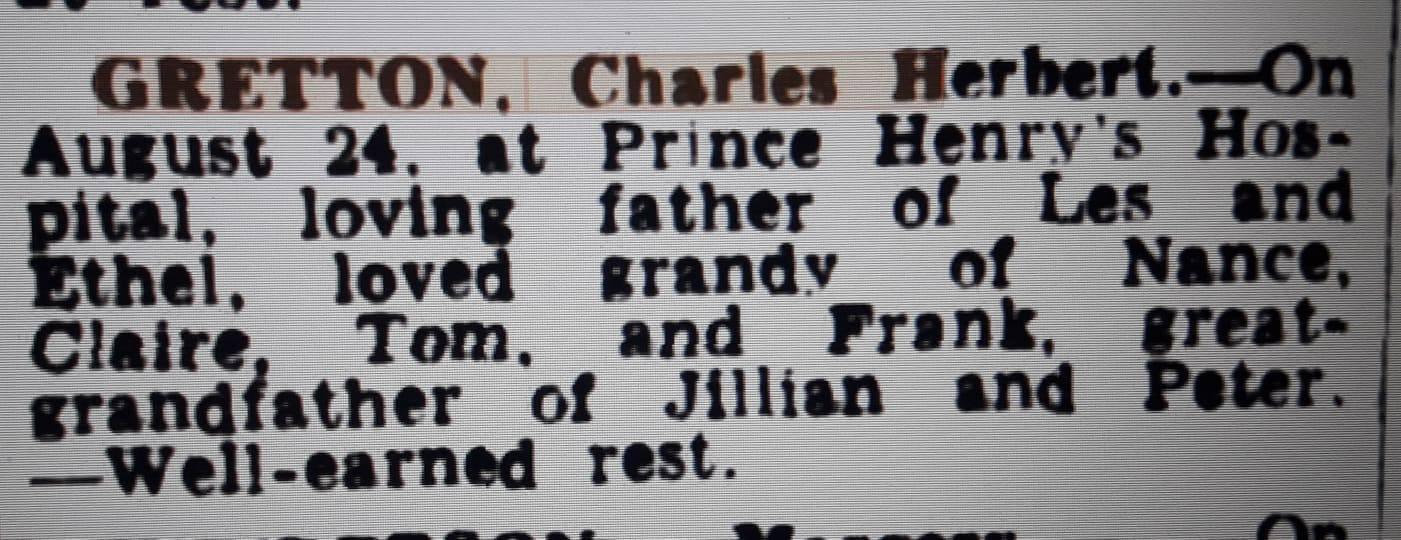
Charles Herbert Gretton 1876-1954
Charles Gretton, my great grandmothers youngest brother, arrived in Sydney Australia on 12 February 1912, having set sail on 5 January 1912 from London. His occupation on the passenger list was stockman, and he was traveling alone. Later that year, in October, his wife and two sons sailed out to join him.
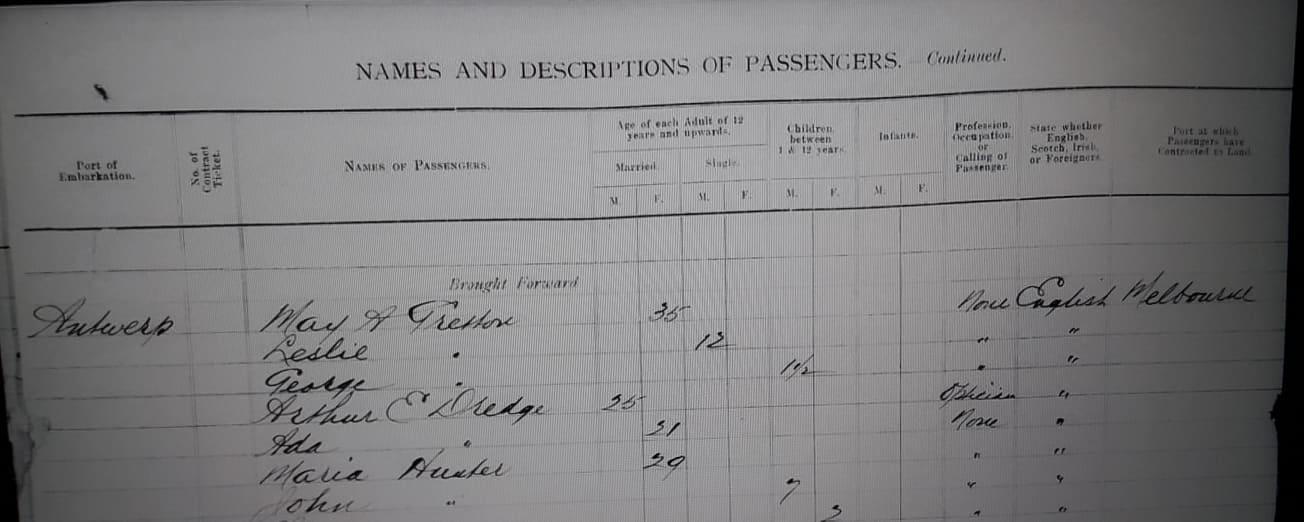
Charles was born in Swadlincote. He married Mary Anne Illsley, a local girl from nearby Church Gresley, in 1898. Their first son, Leslie Charles Bloemfontein Gretton, was born in 1900 in Church Gresley, and their second son, George Herbert Gretton, was born in 1910 in Swadlincote. In 1901 Charles was a colliery worker, and on the 1911 census, his occupation was a sanitary ware packer.
Charles and Mary Anne had two more sons, both born in Footscray: Frank Orgill Gretton in 1914, and Arthur Ernest Gretton in 1920.
On the Australian 1914 electoral rolls, Charles and Mary Ann were living at 72 Moreland Street, Footscray, and in 1919 at 134 Cowper Street, Footscray, and Charles was a labourer. In 1924, Charles was a sub foreman, living at 3, Ryan Street E, Footscray, Australia. On a later electoral register, Charles was a foreman. Footscray is a suburb of Melbourne, and developed into an industrial zone in the second half of the nineteenth century.
Charles died in Victoria in 1954 at the age of 77. His wife Mary Ann died in 1958.
Charles and Mary Ann Gretton:
Leslie Charles Bloemfontein Gretton 1900-1955
Leslie was an electrician. He married Ethel Christine Halliday, born in 1900 in Footscray, in 1927. They had four children: Tom, Claire, Nancy and Frank. By 1943 they were living in Yallourn. Yallourn, Victoria was a company town in Victoria, Australia built between the 1920s and 1950s to house employees of the State Electricity Commission of Victoria, who operated the nearby Yallourn Power Station complex. However, expansion of the adjacent open-cut brown coal mine led to the closure and removal of the town in the 1980s.
On the 1954 electoral registers, daughter Claire Elizabeth Gretton, occupation teacher, was living at the same address as Leslie and Ethel.
Leslie died in Yallourn in 1955, and Ethel nine years later in 1964, also in Yallourn.
George Herbert Gretton 1910-1970
George married Florence May Hall in 1934 in Victoria, Australia. In 1942 George was listed on the electoral roll as a grocer, likewise in 1949. In 1963 his occupation was a process worker, and in 1968 in Flinders, a horticultural advisor.
George died in Lang Lang, not far from Melbourne, in 1970.
Frank Orgill Gretton 1914-
Arthur Ernest Gretton 1920-
Orgills
John Orgill 1835-1911
John Orgill was Charles Herbert Gretton’s uncle. He emigrated to Australia in 1865, and married Elizabeth Mary Gladstone 1845-1926 in Victoria in 1870. Their first child was born in December that year, in Dandenong. They had seven children, and their three sons all have the middle name Gladstone.
John Orgill was a councillor for the Shire of Dandenong in 1873, and between 1876 and 1879.
John Orgill:
John Orgill obituary in the South Bourke and Mornington Journal, 21 December 1911:
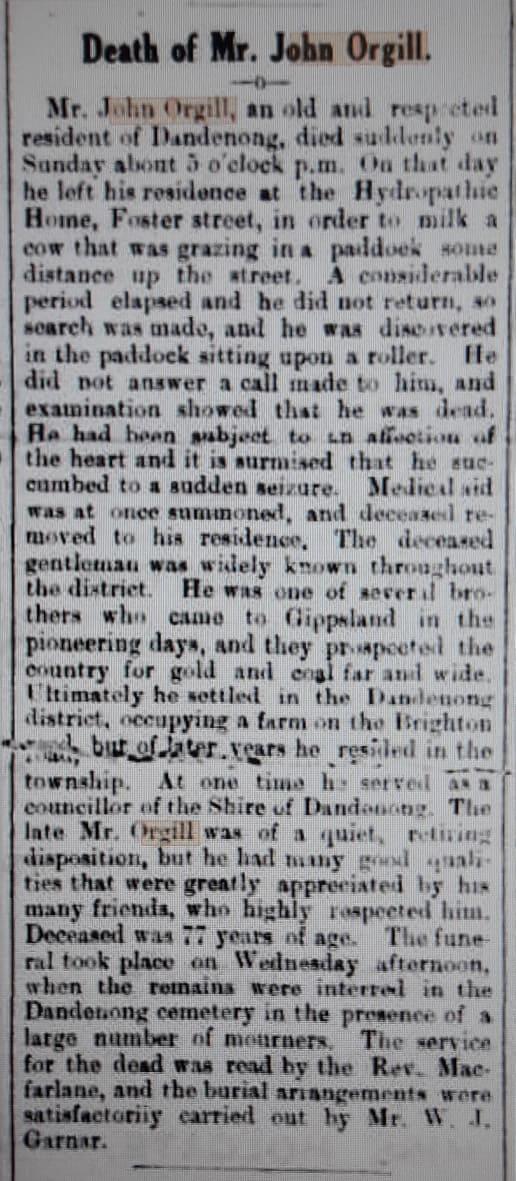
John’s wife Elizabeth Orgill, a teacher and a “a public spirited lady” according to newspaper articles, opened a hydropathic hospital in Dandenong called Gladstone House.
Elizabeth Gladstone Orgill:
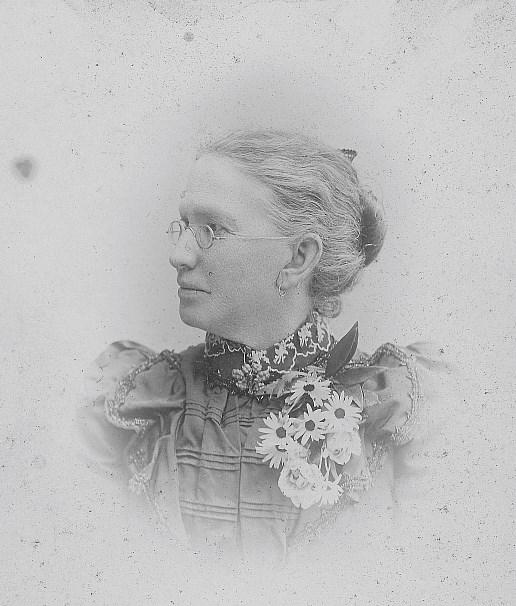
On the Old Dandenong website:
Gladstone House hydropathic hospital on the corner of Langhorne and Foster streets (153 Foster Street) Dandenong opened in 1896, working on the theory of water therapy, no medicine or operations. Her husband passed away in 1911 at 77, around similar time Dr Barclay Thompson obtained control of the practice. Mrs Orgill remaining on in some capacity.
Elizabeth Mary Orgill (nee Gladstone) operated Gladstone House until at least 1911, along with another hydropathic hospital (Birthwood) on Cheltenham road. She was the daughter of William Gladstone (Nephew of William Ewart Gladstone, UK prime minister in 1874).
Around 1912 Dr A. E. Taylor took over the location from Dr. Barclay Thompson. Mrs Orgill was still working here but no longer controlled the practice, having given it up to Barclay. Taylor served as medical officer for the Shire for before his death in 1939. After Taylor’s death Dr. T. C. Reeves bought his practice in 1939, later that year being appointed medical officer,
Gladstone Road in Dandenong is named after her family, who owned and occupied a farming paddock in the area on former Police Paddock ground, the Police reserve having earlier been reduced back to Stud Road.
Hydropathy (now known as Hydrotherapy) and also called water cure, is a part of medicine and alternative medicine, in particular of naturopathy, occupational therapy and physiotherapy, that involves the use of water for pain relief and treatment.
Gladstone House, Dandenong:
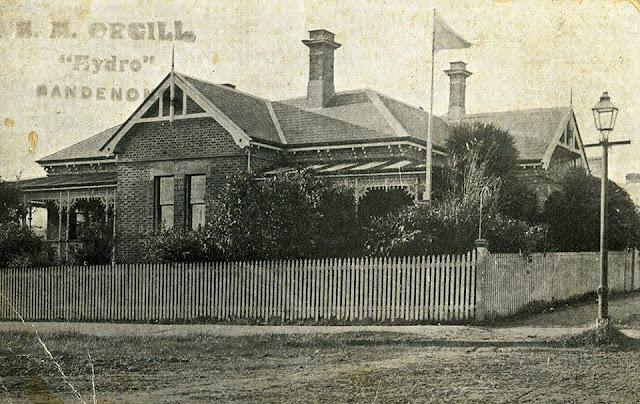
John’s brother Robert Orgill 1830-1915 also emigrated to Australia. I met (online) his great great grand daughter Lidya Orgill via the Old Dandenong facebook group.
John’s other brother Thomas Orgill 1833-1908 also emigrated to the same part of Australia.
Thomas Orgill:
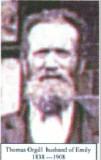
One of Thomas Orgills sons was George Albert Orgill 1880-1949:
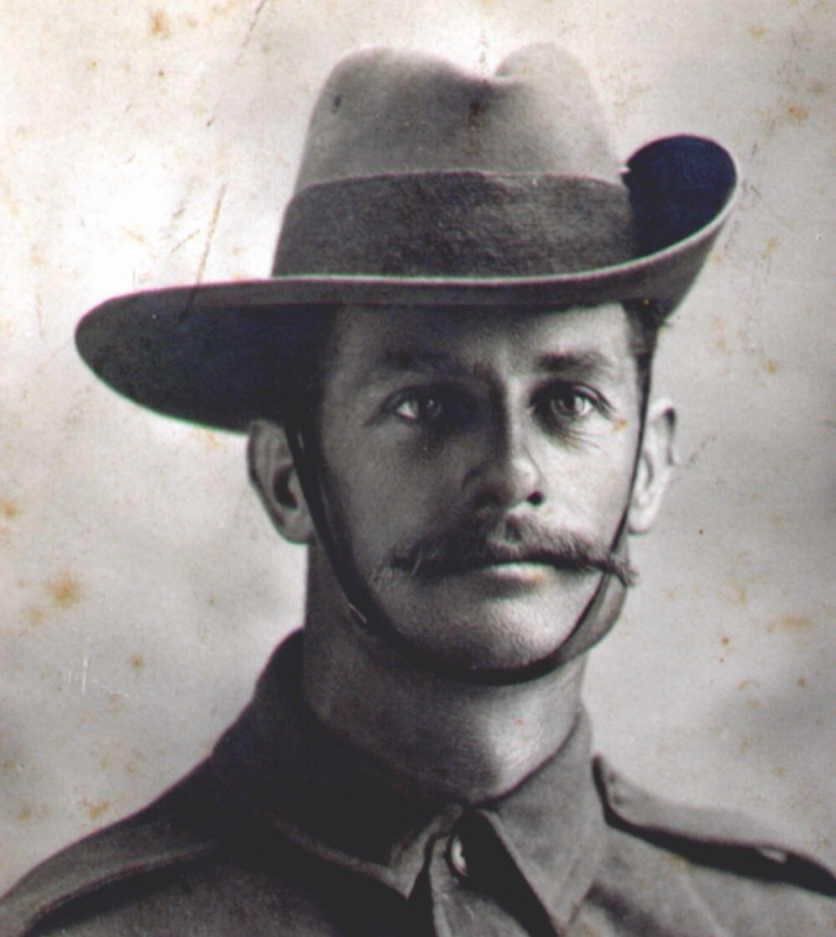
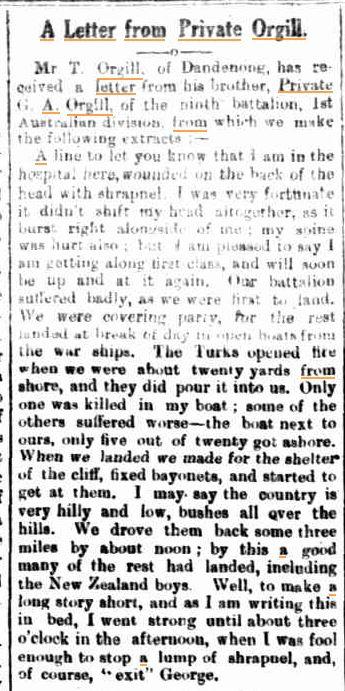
A letter was published in The South Bourke & Mornington Journal (Richmond, Victoria, Australia) on 17 Jun 1915, to Tom Orgill, Emerald Hill (South Melbourne) from hospital by his brother George Albert Orgill (4th Pioneers) describing landing of Covering Party prior to dawn invasion of Gallipoli:
Another brother Henry Orgill 1837-1916 was born in Measham and died in Dandenong, Australia. Henry was a bricklayer living in Measham on the 1861 census. Also living with his widowed mother Elizabeth at that address was his sister Sarah and her husband Richard Gretton, the baker (my great great grandparents). In October of that year he sailed to Melbourne. His occupation was bricklayer on his death records in 1916.
Two of Henry’s sons, Arthur Garfield Orgill born 1888 and Ernest Alfred Orgill born 1880 were killed in action in 1917 and buried in Nord-Pas-de-Calais, France. Another son, Frederick Stanley Orgill, died in 1897 at the age of seven.
A fifth brother, William Orgill 1842- sailed from Liverpool to Melbourne in 1861, at 19 years of age. Four years later in 1865 he sailed from Victoria, Australia to New Zealand.
I assumed I had found all of the Orgill brothers who went to Australia, and resumed research on the Orgills in Measham, in England. A search in the British Newspaper Archives for Orgills in Measham revealed yet another Orgill brother who had gone to Australia.
Matthew Orgill 1828-1907 went to South Africa and to Australia, but returned to Measham.
The Orgill brothers had two sisters. One was my great great great grandmother Sarah, and the other was Hannah. Hannah married Francis Hart in Measham. One of her sons, John Orgill Hart 1862-1909, was born in Measham. On the 1881 census he was a 19 year old carpenters apprentice. Two years later in 1883 he was listed as a joiner on the passenger list of the ship Illawarra, bound for Australia. His occupation at the time of his death in Dandenong in 1909 was contractor.
An additional coincidental note about Dandenong: my step daughter Emily’s Australian partner is from Dandenong.
Housleys
Charles Housley 1823-1856
Charles Housley emigrated to Australia in 1851, the same year that his brother George emigrated to USA. Charles is mentioned in the Narrative on the Letters by Barbara Housley, and appears in the Housley Letters chapters.
Rushbys
George “Mike” Rushby 1933-
Mike moved to Australia from South Africa. His story is a separate chapter.
March 10, 2022 at 7:40 am #6281In reply to: The Elusive Samuel Housley and Other Family Stories
The Measham Thatchers
Orgills, Finches and Wards
Measham is a large village in north west Leicestershire, England, near the Derbyshire, Staffordshire and Warwickshire boundaries. Our family has a penchant for border straddling, and the Orgill’s of Measham take this a step further living on the boundaries of four counties. Historically it was in an exclave of Derbyshire absorbed into Leicestershire in 1897, so once again we have two sets of county records to search.
ORGILL
Richard Gretton, the baker of Swadlincote and my great grandmother Florence Nightingale Grettons’ father, married Sarah Orgill (1840-1910) in 1861.
(Incidentally, Florence Nightingale Warren nee Gretton’s first child Hildred born in 1900 had the middle name Orgill. Florence’s brother John Orgill Gretton emigrated to USA.)
When they first married, they lived with Sarah’s widowed mother Elizabeth in Measham. Elizabeth Orgill is listed on the 1861 census as a farmer of two acres.
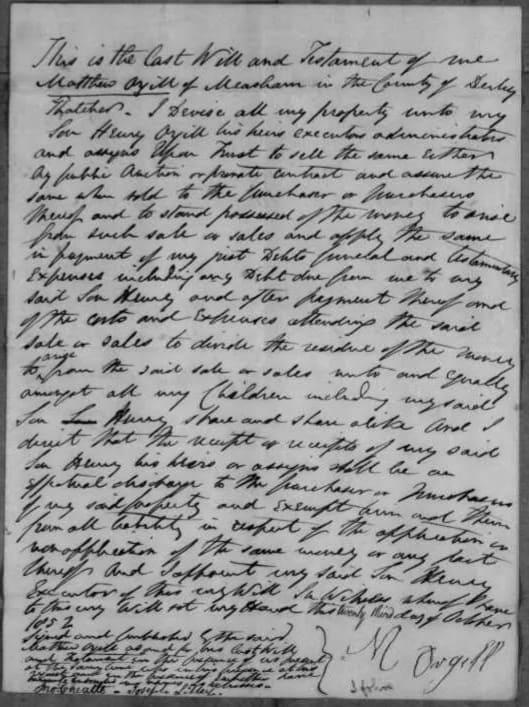
Sarah Orgill’s father Matthew Orgill (1798-1859) was a thatcher, as was his father Matthew Orgill (1771-1852).
Matthew Orgill the elder left his property to his son Henry:
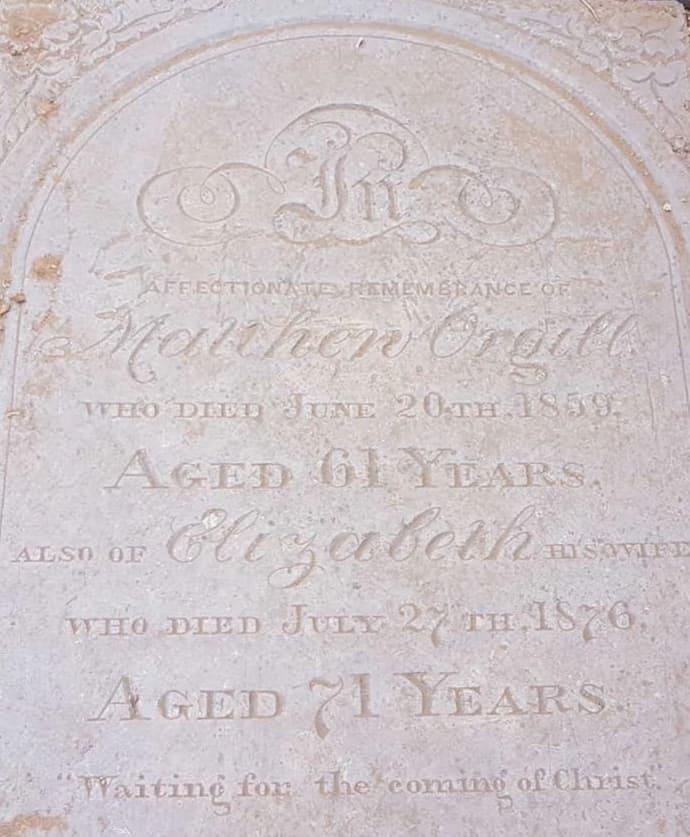
Sarah’s mother Elizabeth (1803-1876) was also an Orgill before her marriage to Matthew.
According to Pigot & Co’s Commercial Directory for Derbyshire, in Measham in 1835 Elizabeth Orgill was a straw bonnet maker, an ideal occupation for a thatchers wife.
Matthew Orgill, thatcher, is listed in White’s directory in 1857, and other Orgill’s are mentioned in Measham:
Mary Orgill, straw hat maker; Henry Orgill, grocer; Daniel Orgill, painter; another Matthew Orgill is a coal merchant and wheelwright. Likewise a number of Orgill’s are listed in the directories for Measham in the subsequent years, as farmers, plumbers, painters, grocers, thatchers, wheelwrights, coal merchants and straw bonnet makers.
Matthew and Elizabeth Orgill, Measham Baptist church:
According to a history of thatching, for every six or seven thatchers appearing in the 1851 census there are now less than one. Another interesting fact in the history of thatched roofs (via thatchinginfo dot com):
The Watling Street Divide…
The biggest dividing line of all, that between the angular thatching of the Northern and Eastern traditions and the rounded Southern style, still roughly follows a very ancient line; the northern section of the old Roman road of Watling Street, the modern A5. Seemingly of little significance today; this was once the border between two peoples. Agreed in the peace treaty, between the Saxon King Alfred and Guthrum, the Danish Viking leader; over eleven centuries ago.
After making their peace, various Viking armies settled down, to the north and east of the old road; firstly, in what was known as The Danelaw and later in Norse kingdoms, based in York. They quickly formed a class of farmers and peasants. Although the Saxon kings soon regained this area; these people stayed put. Their influence is still seen, for example, in the widespread use of boarded gable ends, so common in Danish thatching.
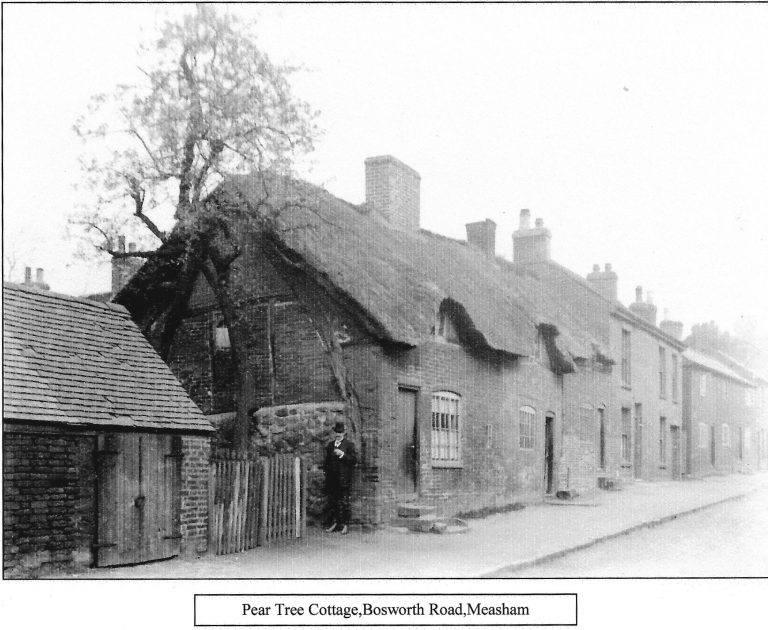
Over time, the Southern and Northern traditions have slipped across the old road, by a few miles either way. But even today, travelling across the old highway will often bring the differing thatching traditions quickly into view.Pear Tree Cottage, Bosworth Road, Measham. 1900. Matthew Orgill was a thatcher living on Bosworth road.
FINCH
Matthew the elder married Frances Finch 1771-1848, also of Measham. On the 1851 census Matthew is an 80 year old thatcher living with his daughter Mary and her husband Samuel Piner, a coal miner.
Henry Finch 1743- and Mary Dennis 1749- , both of Measham, were Frances parents. Henry’s father was also Henry Finch, born in 1707 in Measham, and he married Frances Ward, also born in 1707, and also from Measham.
WARD
The ancient boundary between the kingdom of Mercia and the Danelaw
I didn’t find much information on the history of Measham, but I did find a great deal of ancient history on the nearby village of Appleby Magna, two miles away. The parish records indicate that the Ward and Finch branches of our family date back to the 1500’s in the village, and we can assume that the ancient history of the neighbouring village would be relevant to our history.
There is evidence of human settlement in Appleby from the early Neolithic period, 6,000 years ago, and there are also Iron Age and Bronze Age sites in the vicinity. There is evidence of further activity within the village during the Roman period, including evidence of a villa or farm and a temple. Appleby is near three known Roman roads: Watling Street, 10 miles south of the village; Bath Lane, 5 miles north of the village; and Salt Street, which forms the parish’s south boundary.
But it is the Scandinavian invasions that are particularly intriguing, with regard to my 58% Scandinavian DNA (and virtually 100% Midlands England ancestry). Repton is 13 miles from Measham. In the early 10th century Chilcote, Measham and Willesley were part of the royal Derbyshire estate of Repton.
The arrival of Scandinavian invaders in the second half of the ninth century caused widespread havoc throughout northern England. By the AD 870s the Danish army was occupying Mercia and it spent the winter of 873-74 at Repton, the headquarters of the Mercian kings. The events are recorded in detail in the Peterborough manuscript of the Anglo-Saxon Chronicles…
Although the Danes held power for only 40 years, a strong, even subversive, Danish element remained in the population for many years to come.
A Scandinavian influence may also be detected among the field names of the parish. Although many fields have relatively modern names, some clearly have elements which reach back to the time of Danish incursion and control.
The Borders:
The name ‘aeppel byg’ is given in the will of Wulfic Spot of AD 1004……………..The decision at Domesday to include this land in Derbyshire, as one of Burton Abbey’s Derbyshire manors, resulted in the division of the village of Appleby Magna between the counties of Leicester and Derby for the next 800 years
Richard Dunmore’s Appleby Magma website.
This division of Appleby between Leicestershire and Derbyshire persisted from Domesday until 1897, when the recently created county councils (1889) simplified the administration of many villages in this area by a radical realignment of the boundary:
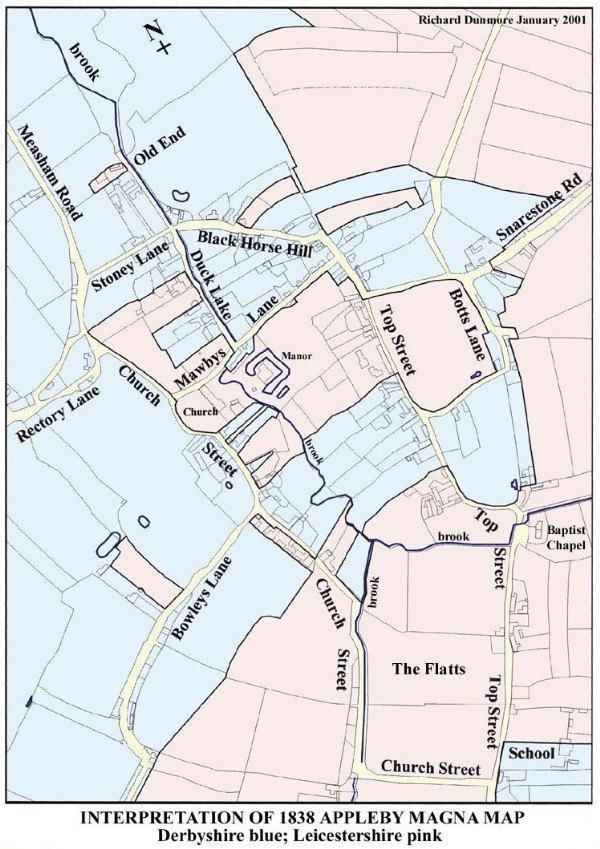
I would appear that our family not only straddle county borders, but straddle ancient kingdom borders as well. This particular branch of the family (we assume, given the absence of written records that far back) were living on the edge of the Danelaw and a strong element of the Danes survives to this day in my DNA.
-
AuthorSearch Results